The Indispensable Role of Tubular Stockinette in Orthopedic Care: An Expert Guide
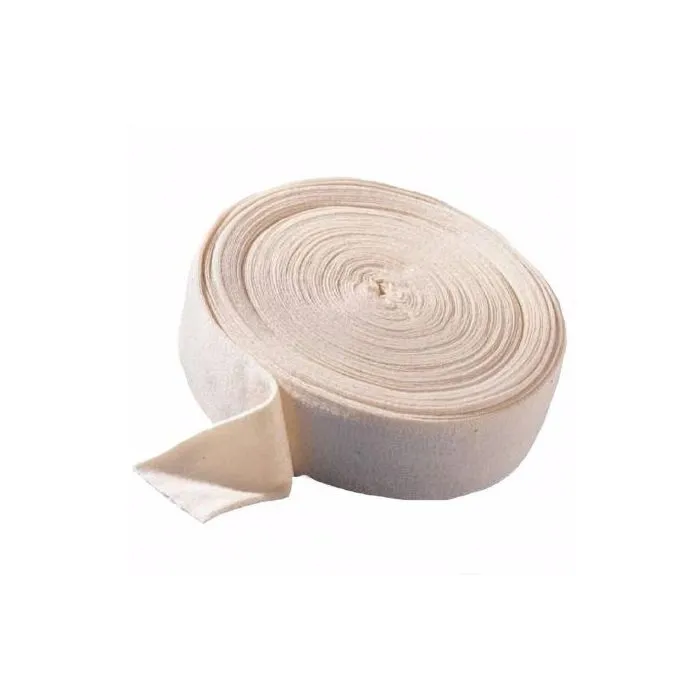
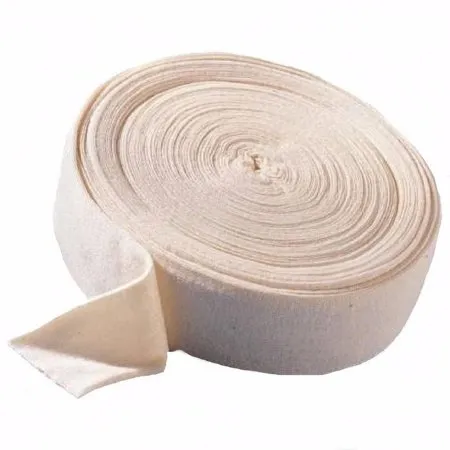
Tubular stockinette, often overlooked in its simplicity, is a foundational component in orthopedic and general medical practice. This versatile, seamless textile tube serves a myriad of critical functions, from protecting delicate skin under casts to providing a clean interface for prosthetic limbs. As expert Medical SEO Copywriters and Orthopedic Specialists, we delve deep into the world of tubular stockinette, exploring its design, applications, biomechanical benefits, and crucial role in enhancing patient outcomes.
This comprehensive guide aims to illuminate every facet of tubular stockinette, providing invaluable insights for healthcare professionals, patients, and caregivers alike. We will explore its technical specifications, detailed clinical usage, proper fitting and maintenance, and how it contributes to superior patient comfort and recovery.
Deep Dive into Technical Specifications and Mechanisms
Understanding the technical attributes of tubular stockinette is key to appreciating its widespread utility and effectiveness. Its design and material composition are meticulously engineered to meet diverse medical demands.
Design and Materials
Tubular stockinette is not a one-size-fits-all product. It comes in various materials and constructions, each suited for specific clinical scenarios.
- Material Composition:
- Cotton: The most common material, offering excellent breathability, absorbency, and softness. Ideal for skin protection, especially under casts, to wick away moisture and prevent irritation. Often unbleached or bleached.
- Polyester: Known for its strength, durability, and resistance to shrinking and stretching. It's less absorbent than cotton but dries faster, making it suitable for situations where moisture management is critical or for repeated washing.
- Synthetic Blends (e.g., Nylon, Spandex/Lycra): These blends introduce elasticity, allowing the stockinette to conform closely to body contours and provide gentle compression. Spandex adds stretch and recovery, while nylon enhances durability. Often used for elastic stockinettes.
- Rayon: A semi-synthetic fiber derived from cellulose, offering a silky texture and good absorbency, sometimes used for its comfort.
- Latex-Free Options: Crucial for patients with latex allergies, these are typically made from cotton, polyester, or synthetic blends without natural rubber latex.
- Knit Patterns:
- Plain Knit (Jersey Knit): Provides a smooth, uniform surface, common for non-elastic stockinettes. Offers good drape and flexibility.
- Ribbed Knit: Offers more elasticity and conformity, even in non-elastic materials, due to its construction. Common in elastic stockinettes.
- Elasticity:
- Non-Elastic: Provides a protective layer without applying significant compression. Primarily used for padding, skin protection, and holding dressings.
- Elastic: Incorporates spandex or similar fibers to provide gentle, even compression, aiding in edema management or providing light support.
- Construction:
- Seamless: Most tubular stockinettes are seamlessly knitted to prevent pressure points and reduce the risk of skin irritation.
- Sterile vs. Non-Sterile: Available in both forms. Sterile stockinette is used in surgical settings or directly over open wounds to maintain aseptic conditions. Non-sterile is suitable for intact skin or secondary dressing applications.
- Sizes: Stockinettes are available in a wide range of diameters (e.g., 1 inch to 12 inches or more) and lengths (rolls or pre-cut sections) to accommodate various body parts, from fingers to torsos.
Biomechanics and Mechanism of Action
The biomechanical advantages of tubular stockinette stem from its ability to interact with the skin, underlying tissues, and external medical devices.
- Skin Protection: Acts as a crucial barrier between the skin and rigid external materials like plaster or fiberglass casts, splints, or orthoses. This prevents direct friction, abrasion, and the potential for pressure sores or maceration.
- Moisture Management: Absorbent materials like cotton can wick away sweat and exudate from the skin, helping to maintain a drier microclimate. This is vital in preventing skin breakdown and bacterial growth, especially under occlusive dressings or casts.
- Even Pressure Distribution: When used under casts or splints, it helps to distribute pressure more evenly across the skin surface, reducing localized pressure points that can lead to discomfort or injury.
- Conformity and Fit: Its tubular, often elastic, nature allows it to conform smoothly to the contours of the limb, providing a snug, wrinkle-free layer. This snug fit is essential for comfort and preventing slippage of overlying dressings or casts.
- Padding and Cushioning: Adds a thin layer of cushioning, enhancing patient comfort and offering minor impact absorption.
- Stabilization of Dressings: For wound care, it effectively holds primary dressings in place without the need for adhesive tapes, which can irritate fragile skin.
- Reduced Shear Forces: By providing a smooth interface, it minimizes shear forces that can contribute to skin tearing or blistering, particularly in vulnerable patient populations.
Extensive Clinical Indications and Usage
Tubular stockinette's versatility makes it an indispensable tool across numerous medical disciplines, particularly in orthopedics.
Orthopedic Applications
| Application Area | Specific Use Cases | Benefits |
|---|---|---|
| Cast Underlayer | Plaster of Paris (POP) casts, Fiberglass casts, Custom splints, Pre-fabricated splints | Prevents skin irritation and pressure sores, absorbs sweat, provides a smooth interface, enhances comfort. |
| Wound Care | Holding primary dressings, Secondary dressing, Protection of fragile skin, Burn care | Secures dressings without tape, protects healing wounds, reduces friction, allows for breathability. |
| Post-Surgical Care | Protecting incision sites, Under compression bandages, Edema management (mild) | Reduces friction on sutures, provides gentle compression to minimize swelling, maintains dressing integrity. |
| Prosthetic/Orthotic Interface | Liner for prosthetic limbs (stump socks), Padding for braces/orthoses, Diabetic foot care | Reduces friction and shear, provides cushioning, manages moisture, protects skin from rigid devices. |
| Compression Therapy | Mild compression for edema, Lymphatic drainage, Under more rigid compression bandages | Delivers uniform, gentle pressure, supports circulation, reduces swelling. |
| Dermatological Use | Wet wrap therapy for eczema, Protecting skin during topical treatment application | Protects treated areas, enhances medication absorption, reduces scratching, soothes irritated skin. |
Detailed Fitting and Usage Instructions
Correct application of tubular stockinette is crucial for maximizing its benefits and preventing complications.
- Selection of Size:
- Diameter: Choose a stockinette diameter that is slightly smaller than the circumference of the limb or body part it will cover. It should fit snugly but not be so tight as to constrict circulation.
- Length: Ensure sufficient length to extend beyond the intended area, often 1-2 inches beyond the ends of a cast or dressing, to allow for trimming and comfort.
- Preparation:
- Ensure the skin is clean and dry before application.
- Inspect the skin for any existing wounds, rashes, or irritation.
- Application Technique:
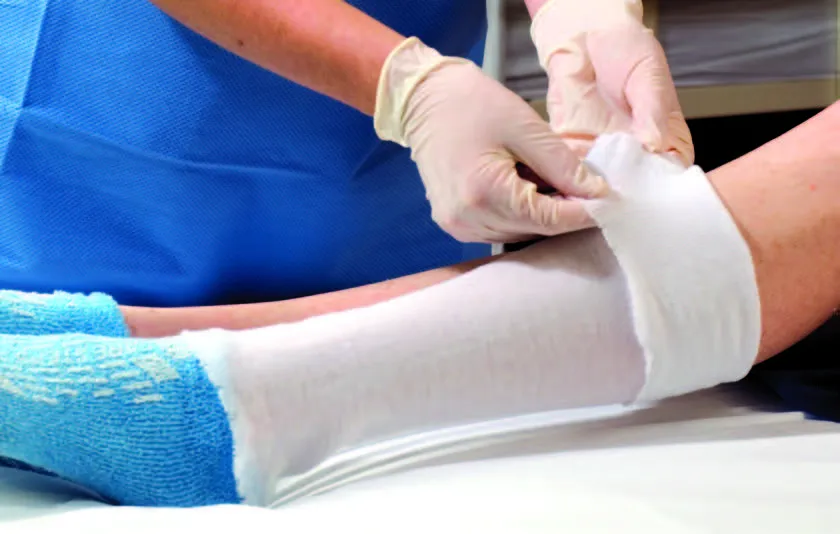
- Gently roll the stockinette onto the limb, rather than stretching it directly over the limb, to maintain an even tension.
- Ensure it lies smoothly against the skin, free of wrinkles or creases, as these can create pressure points.
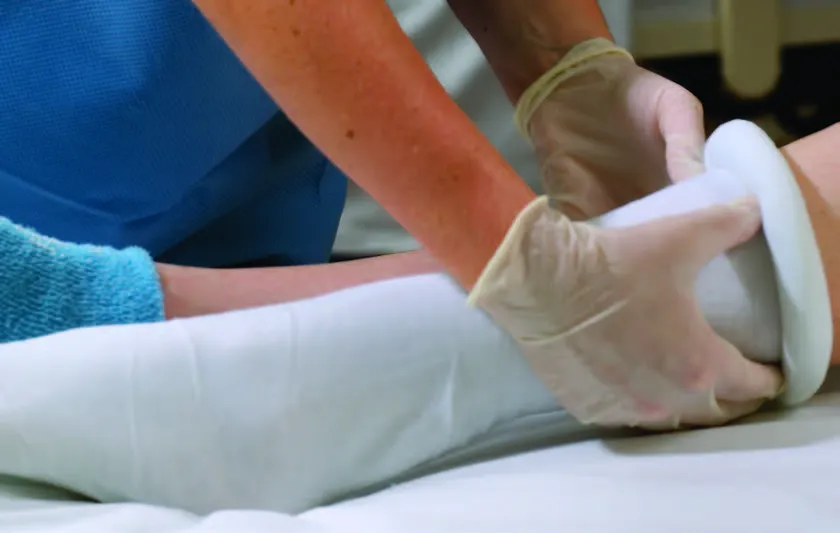
- For casts, apply at least one layer, and often two or more, depending on the cast material and desired padding. Overlap layers smoothly.
- For wound dressings, ensure the stockinette covers the dressing completely and extends a few inches beyond to secure it.
- Checking for Circulation:
- After application (especially under casts or with elastic stockinette), always check capillary refill, skin color, temperature, and sensation distal to the application site.
- Educate the patient on signs of compromised circulation (numbness, tingling, increased pain, coldness, pallor).
- Patient Education:
- Instruct patients on how to keep the stockinette clean and dry, especially if it's exposed.
- Advise against pulling or cutting the stockinette unless instructed by a healthcare professional.
- Explain when to seek medical attention (e.g., increased pain, swelling, foul odor, skin changes).
Maintenance and Sterilization Protocols
Proper care ensures the efficacy and safety of tubular stockinette, whether reusable or single-use.
- For Reusable (Non-Sterile) Stockinette:
- Washing: Most cotton or polyester stockinettes can be machine washed with mild detergent in warm water. Avoid harsh bleaches unless specified.
- Drying: Air drying is preferred to prevent shrinkage and maintain integrity. Tumble dry on a low setting if necessary.
- Storage: Store in a clean, dry place away from direct sunlight and extreme temperatures.
- Inspection: Before reuse, inspect for signs of wear, tears, thinning, or contamination. Discard if compromised.
- For Single-Use Sterile Stockinette:
- Handling: Maintain sterility until the point of use. Open packaging only when ready to apply, using aseptic technique.
- Disposal: Dispose of used sterile stockinette according to medical waste protocols. Never reuse sterile stockinette.
- General Care When Applied (e.g., under a cast):
- Keeping Dry: It is paramount to keep the stockinette under a cast dry. Moisture can lead to skin maceration, odor, and infection. Avoid showering or immersing the cast unless it is waterproof and proper precautions are taken.
- Hygiene: If the stockinette is exposed, gentle cleaning of the exposed portions may be possible with a damp cloth, followed by thorough drying.
- Monitoring: Regularly inspect the skin at the edges of the stockinette for any signs of irritation, redness, or pressure. Report any concerns to a healthcare provider.
Patient Outcome Improvements
The judicious use of tubular stockinette significantly contributes to improved patient outcomes across various clinical scenarios.
- Enhanced Comfort: By providing a soft, protective layer, it dramatically reduces friction and irritation, making the experience of wearing casts, splints, or prosthetics far more tolerable.
- Prevention of Skin Complications: It is a primary defense against pressure ulcers, skin maceration, contact dermatitis, and abrasions, especially in patients with fragile skin or prolonged immobilization.
- Improved Hygiene: Absorbent materials help manage sweat and exudate, contributing to a cleaner environment around the skin and reducing odor.
- Better Adherence to Treatment: Patients are more likely to comply with prescribed treatments (e.g., wearing a cast for the full duration) if they are comfortable and free from skin issues.
- Facilitating Healing: By protecting the skin and maintaining a stable, clean environment, stockinette indirectly supports the healing process of underlying injuries or surgical sites.
- Reduced Risk of Infection: When used sterilely or in conjunction with proper wound care, it helps maintain a barrier against pathogens, reducing the risk of infection.
Risks, Side Effects, or Contraindications
While generally safe and beneficial, improper use or specific patient conditions can lead to adverse effects.
Risks
- Circulatory Compromise: If the stockinette is too tight, especially elastic varieties, it can restrict blood flow, leading to ischemia, nerve damage, or compartment syndrome. This is a critical concern, particularly when applied under rigid casts.
- Skin Breakdown: If applied with wrinkles or creases, or if it becomes wet and remains so, localized pressure and maceration can occur, leading to skin breakdown or pressure sores.
- Allergic Reactions: While rare, some individuals may experience allergic reactions to specific materials (e.g., latex, certain dyes in colored stockinettes). Latex-free options mitigate this risk.
- Infection: If stockinette becomes contaminated or remains moist under a cast, it can create a breeding ground for bacteria or fungi, leading to skin infections.
- Delayed Healing: Improperly managed stockinette that causes skin irritation or infection can impede the healing of underlying injuries or surgical wounds.
Side Effects
- Mild Skin Irritation: Occasionally, due to friction or material sensitivity, mild redness or itching may occur.
- Discomfort: If not fitted correctly or if it bunches, it can cause localized discomfort.
Contraindications
- Severe Allergic Reaction to Material: Known allergy to the specific material composition of the stockinette.
- Open, Actively Weeping Wounds: While stockinette can hold dressings, applying it directly over heavily exudative wounds without an appropriate primary dressing may cause adherence or impede proper wound drainage and assessment.
- Compromised Circulation: In limbs with severe peripheral vascular disease or other conditions where any form of compression is contraindicated, elastic stockinette should be avoided or used with extreme caution.
- Active Infection at the Site: Direct application over an active, untreated skin infection might trap pathogens and exacerbate the infection, requiring different management strategies.
Massive FAQ Section
Here are answers to frequently asked questions about tubular stockinette:
1. What is tubular stockinette primarily used for in orthopedics?
Tubular stockinette is primarily used in orthopedics as a protective underlayer for casts and splints, to cushion and protect the skin from rigid materials, absorb moisture, and prevent irritation or pressure sores. It's also used to secure dressings and as a liner for prosthetics.
2. Is tubular stockinette sterile?
Tubular stockinette is available in both sterile and non-sterile forms. Sterile stockinette is packaged individually and designed for use in surgical settings or directly over open wounds, while non-sterile stockinette is suitable for intact skin or as a secondary dressing.
3. How do I choose the right size of tubular stockinette?
To choose the right size, measure the circumference of the limb or body part where it will be applied. Select a stockinette with a diameter slightly smaller than this measurement to ensure a snug, wrinkle-free fit without constricting circulation.
4. Can I wash tubular stockinette?
Yes, most non-sterile, reusable tubular stockinettes (especially cotton or polyester) can be washed. Follow the manufacturer's instructions, typically machine wash with mild detergent in warm water and air dry or tumble dry on low. Sterile stockinette is single-use and should be discarded after use.
5. How often should stockinette be changed?
If used under a cast, the stockinette is typically not changed until the cast is removed. If used as a dressing holder or a prosthetic liner, it should be changed as needed, often daily or every few days, to maintain hygiene and prevent skin issues.
6. Is stockinette comfortable under a cast?
Yes, when properly applied, tubular stockinette significantly enhances comfort under a cast. It provides a soft, breathable barrier that protects the skin from the cast material, reduces friction, and helps manage moisture, thereby preventing itching and irritation.
7. Can stockinette cause skin irritation?
While designed to prevent irritation, improper fitting (too tight, too loose, or wrinkled), prolonged wetness, or an allergic reaction to the material (e.g., latex) can potentially cause skin irritation, redness, or even breakdown.
8. What's the difference between elastic and non-elastic stockinette?
Non-elastic stockinette provides a protective, cushioning layer without applying significant pressure. Elastic stockinette incorporates stretchable fibers (like spandex) to provide gentle, even compression, useful for edema management or light support.
9. Can stockinette be used for compression?
Yes, elastic tubular stockinette can provide mild, even compression. It's often used as a base layer for more rigid compression bandages or for gentle edema management, but it's not typically sufficient for high-level therapeutic compression on its own.
10. Where can I buy medical-grade tubular stockinette?
Medical-grade tubular stockinette is available through medical supply distributors, pharmacies, online medical retailers, and sometimes directly from healthcare providers. Ensure you purchase from reputable sources to guarantee product quality and safety.
11. Is all tubular stockinette latex-free?
No, not all tubular stockinette is latex-free. While many brands offer latex-free options (typically made from cotton, polyester, or synthetic blends), some may still contain latex. Always check the product packaging or description if latex sensitivity is a concern.
12. How does stockinette protect the skin from casts?
Stockinette protects the skin from casts by acting as a soft, breathable barrier. It prevents direct contact with the rigid, rough cast material, reducing friction and abrasion. It also absorbs sweat and provides a thin layer of padding, evenly distributing pressure and preventing localized pressure points that could lead to sores.
This exhaustive guide underscores the critical, yet often understated, importance of tubular stockinette in modern medical practice, particularly in orthopedics. Its simple design belies its profound impact on patient comfort, safety, and recovery.