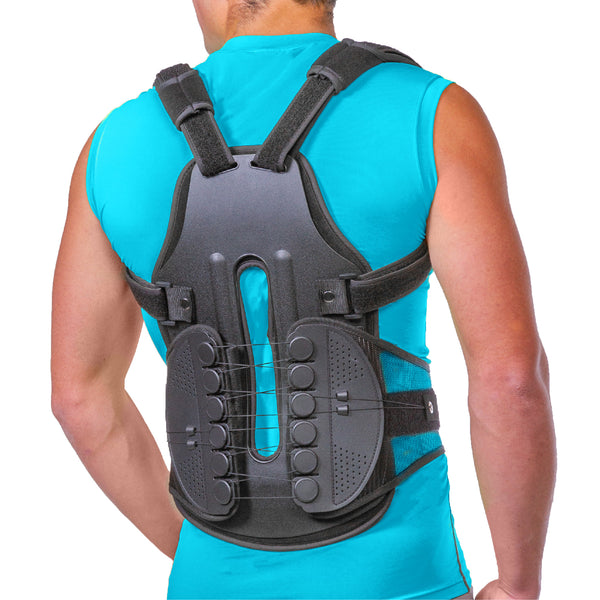
The TLSO Brace: A Comprehensive Guide to Thoracolumbosacral Orthosis
The Thoracolumbosacral Orthosis, commonly known as a TLSO brace, is a critical medical device designed to provide external support, stabilization, and sometimes correction for the thoracic, lumbar, and sacral regions of the spine. As an indispensable tool in orthopedic care, TLSO braces play a pivotal role in managing a wide array of spinal conditions, from post-surgical recovery and fracture stabilization to the conservative treatment of scoliosis and kyphosis. This exhaustive guide delves into every aspect of the TLSO brace, offering an authoritative resource for patients, caregivers, and healthcare professionals alike.
1. Comprehensive Introduction & Overview
A TLSO brace is a rigid or semi-rigid custom-fitted or off-the-shelf medical device designed to encompass the torso from just below the armpits down to the pelvis. Its primary function is to limit spinal motion, alleviate pain, reduce deformity progression, and promote healing by applying specific forces to the trunk. The history of spinal bracing dates back centuries, with modern orthotics evolving significantly through advancements in materials science, biomechanical understanding, and custom fabrication techniques. Today's TLSO braces are highly engineered to meet individual patient needs, offering targeted support and improved comfort compared to their predecessors.
Key Benefits of TLSO Bracing:
* Spinal Stabilization: Immobilizes specific segments of the spine to prevent further injury or facilitate healing.
* Pain Reduction: Limits movement that can exacerbate pain in injured or unstable spinal regions.
* Deformity Correction/Prevention: Applies corrective forces to manage conditions like scoliosis or kyphosis, preventing progression in growing spines.
* Postural Support: Aids in maintaining proper spinal alignment, particularly after surgery or for conditions causing postural instability.
* Reduced Spinal Loading: Can offload pressure from vertebral bodies, beneficial in cases of compression fractures or osteoporosis.
2. Deep-dive into Technical Specifications & Mechanisms
Design & Materials
TLSO braces are meticulously designed to provide precise control over spinal movement. They are typically categorized into custom-molded and prefabricated (off-the-shelf) types, each with specific applications.
Common Design Features:
* Rigid Shells: Usually composed of an anterior (front) and posterior (back) shell, which may connect laterally. These shells are the primary components for applying corrective or stabilizing forces.
* Padding/Liners: Soft, breathable foam liners are essential for patient comfort, skin protection, and moisture management, separating the rigid shell from the skin.
* Straps and Closures: Velcro straps, buckles, or other fastening mechanisms ensure a snug, secure fit, allowing for donning and doffing.
* Openings: Strategic cut-outs for arms, neck, and sometimes abdominal expansion to enhance comfort and function.
Materials Used:
The choice of materials is crucial for durability, comfort, and efficacy.
| Component | Common Materials | Properties |
|---|---|---|
| Rigid Shells | Thermoplastics (Polypropylene, Polyethylene), Carbon Fiber | Lightweight, durable, moldable (thermoplastics), high strength-to-weight (carbon fiber) |
| Liners/Padding | Closed-cell foam (e.g., Plastazote, Aliplast), Open-cell foam, Breathable fabrics | Cushioning, moisture-wicking, hypoallergenic, washable |
| Straps | Nylon webbing, Velcro | Strong, adjustable, secure fastening |
| Hardware | Metal alloys (aluminum, stainless steel), High-grade plastics | Durable, corrosion-resistant for buckles and rivets |
Biomechanics of TLSO Bracing
The effectiveness of a TLSO brace hinges on fundamental biomechanical principles, primarily the three-point pressure system and control of spinal motion in multiple planes.
The Three-Point Pressure System:
This is the cornerstone of spinal orthosis function. For any given spinal segment requiring stabilization or correction, the brace applies three distinct pressure points:
1. Primary Corrective Force: Applied at or near the apex of the curve or instability.
2. Proximal Counter-Force: Applied above the primary force, acting in the opposite direction.
3. Distal Counter-Force: Applied below the primary force, also acting in the opposite direction.
These forces work in concert to create a bending moment that reduces unwanted motion or encourages corrective alignment. For example, in a scoliotic curve, a TLSO might apply a primary force at the convex side of the curve, with counter-forces above and below on the concave side.
Control of Spinal Motion:
A TLSO brace restricts movement in all three anatomical planes:
* Sagittal Plane (Flexion/Extension): By encompassing the anterior and posterior torso, the brace limits forward bending (flexion) and backward bending (extension), crucial for stabilizing fractures or post-surgical spines.
* Coronal Plane (Lateral Bending): The rigid lateral walls of the brace prevent excessive side-to-side bending, important for scoliosis management and lateral instability.
* Transverse Plane (Rotation): The circumferential compression provided by the brace significantly reduces rotational movements of the trunk, offering comprehensive stabilization.
Some TLSO designs also utilize a hydrostatic effect, where the brace creates an enclosed, slightly pressurized environment around the abdomen, which can help support the lumbar spine and reduce axial loading.
3. Extensive Clinical Indications & Usage
TLSO braces are prescribed for a diverse range of spinal conditions, both post-surgically and as conservative treatment.
Surgical Applications
- Post-Spinal Fusion: Following surgical fusion of thoracic, lumbar, or sacral vertebrae, a TLSO brace provides external immobilization, protecting the surgical site, promoting successful fusion, and reducing stress on instrumentation. This is critical for bone healing and preventing hardware failure.
- Post-Vertebroplasty/Kyphoplasty: After these procedures for vertebral compression fractures, a TLSO can offer additional support and pain relief during the immediate recovery phase.
- Spinal Decompression Surgery: To stabilize the spine and protect healing tissues after procedures like laminectomy or discectomy, especially if instability is a concern.
- Spinal Trauma (Stable Fractures): For stable compression fractures, burst fractures without neurological compromise, or transverse process fractures, a TLSO limits motion and reduces pain, allowing for conservative healing.
- Spinal Tumor Resection: Provides support and stabilization after removal of spinal tumors, particularly if there's a risk of instability.
Non-Surgical/Clinical Applications
- Scoliosis: The most common non-surgical application. TLSO braces (e.g., Boston brace, Rigo-Cheneau) are used to prevent the progression of idiopathic adolescent scoliosis, particularly in skeletally immature patients with curves typically between 25-45 degrees. They apply corrective forces to derotate and straighten the spine.
- Kyphosis: For conditions like Scheuermann's kyphosis, a TLSO brace can help reduce the excessive forward curvature of the thoracic spine, especially during growth.
- Osteoporosis-Related Vertebral Compression Fractures: Provides pain relief, limits further collapse, and supports improved posture in patients with osteoporotic fractures.
- Spinal Stenosis: In some cases, a TLSO can provide postural support and limit aggravating movements, offering symptomatic relief for patients with spinal stenosis.
- Chronic Low Back Pain/Spinal Instability: While not a first-line treatment for all chronic back pain, a TLSO may be prescribed for specific cases of mechanical instability or spondylolisthesis to provide external support and reduce painful motion.
- Spinal Metastatic Disease: Offers palliative support, pain control, and stabilization for patients with tumors affecting the spine, improving comfort and mobility.
Fitting & Usage Instructions
Proper fitting and consistent usage are paramount to the success of TLSO bracing.
The Fitting Process:
1. Referral & Prescription: Initiated by a physician.
2. Orthotic Evaluation: A certified orthotist performs a comprehensive assessment, including measurements, possibly scans or casts for custom braces, and discusses patient lifestyle.
3. Fabrication/Selection: A custom brace is molded, or an appropriate off-the-shelf brace is selected and adjusted.
4. Initial Fitting: The orthotist fits the brace, ensuring proper alignment, pressure points, and comfort. Adjustments are made to padding, strap tension, and trim lines.
5. Patient Education: Crucial for success. The orthotist instructs the patient on:
* Donning and Doffing: Step-by-step instructions, often involving lying down to apply the brace to ensure spinal alignment.
* Wearing Schedule: Adherence to the prescribed schedule (e.g., 23 hours/day for scoliosis, full-time post-surgery, or specific periods for pain management).
* Skin Care: Daily skin checks for redness, irritation, or pressure sores.
* Activity Modifications: Guidance on safe activities while braced.
* Troubleshooting: What to do if discomfort or issues arise.
Wearing Schedule Guidelines (General Examples - always follow physician's orders):
| Condition | Typical Wearing Schedule |
|---|---|
| Adolescent Scoliosis | 18-23 hours/day (full-time), or nighttime only for specific curves/brace types |
| Post-Spinal Fusion | Full-time (except for showering/sleeping, depending on surgeon) for 6-12 weeks, sometimes longer |
| Vertebral Fracture | Full-time until fracture healing (typically 6-12 weeks), or as pain dictates |
| Chronic Low Back Pain | Intermittent use during activities, or specific periods for support (as prescribed) |
4. Risks, Side Effects, or Contraindications
While highly beneficial, TLSO bracing is not without potential risks or side effects, and certain conditions may contraindicate its use.
Potential Risks & Side Effects
- Skin Irritation & Pressure Sores: The most common issue. Friction, heat, moisture, or excessive pressure can lead to redness, blistering, or even open sores. Regular skin checks and proper brace fit are essential.
- Muscle Atrophy & Weakness: Prolonged external support can lead to disuse atrophy of core spinal muscles. Physical therapy is often incorporated to mitigate this.
- Discomfort & Pain: Initial discomfort is common, but persistent or severe pain indicates a fitting issue that requires orthotist intervention.
- Respiratory Compromise: If the brace is excessively tight, particularly around the chest or abdomen, it can restrict lung expansion, though this is rare with proper fitting.
- Gastrointestinal Issues: Abdominal compression can sometimes exacerbate acid reflux or lead to constipation in susceptible individuals.
- Psychological Impact: Especially in adolescents, wearing a visible brace can lead to self-consciousness, body image issues, and impact social activities, potentially affecting compliance.
- Reduced Range of Motion: The brace's primary function is to limit motion, which can temporarily impact flexibility and mobility.
Contraindications
- Unstable Spinal Fractures Requiring Surgical Fixation: A TLSO is generally not sufficient for highly unstable fractures where immediate surgical stabilization is needed to prevent neurological damage.
- Severe Respiratory Impairment: Patients with pre-existing severe lung conditions may not tolerate the restrictive nature of a TLSO.
- Certain Skin Conditions: Open wounds, severe rashes, active infections, or compromised skin integrity in the area covered by the brace.
- Patient Non-Compliance: If a patient is unwilling or unable to adhere to the prescribed wearing schedule and care instructions, the brace's effectiveness will be severely limited.
- Severe Obesity: Can make proper fitting challenging and reduce the brace's ability to apply effective corrective forces.
- Neurological Deficits Requiring Urgent Intervention: While TLSOs can protect against further neurological damage from stable fractures, they are not a substitute for emergent surgical decompression for acute neurological compromise.
5. Maintenance & Cleaning Protocols
Proper maintenance ensures the longevity, hygiene, and effectiveness of your TLSO brace. "Sterilization" is not applicable for patient-worn orthoses; rather, the focus is on cleaning and disinfection.
Daily Care:
* Wipe Down: Daily wipe the inside and outside of the rigid shells with a damp cloth and mild soap (e.g., dish soap) to remove sweat, oils, and dead skin cells. Dry thoroughly.
* Skin Checks: Inspect your skin daily for any redness, irritation, or breakdown, especially at pressure points.
* Liner Inspection: Check foam liners for signs of wear, compression, or foul odor.
Weekly/Bi-Weekly Care:
* Liner Washing: Most foam liners are removable and can be hand-washed with mild soap and cool water. Rinse thoroughly and air dry completely before reinserting. Do NOT use a dryer, as heat can damage the foam. Follow manufacturer instructions.
* Strap Check: Inspect straps for fraying or loss of elasticity. Clean Velcro fasteners with a brush to remove lint and maintain grip.
Important Considerations:
* Avoid Harsh Chemicals: Do not use harsh detergents, bleach, or abrasive cleaners, as these can damage the brace materials or irritate the skin.
* Heat Exposure: Keep the brace away from direct heat sources (e.g., hot cars, direct sunlight, radiators) as thermoplastics can warp.
* Professional Checks: Schedule regular follow-up appointments with your orthotist for brace adjustments, inspections, and to address any fitting or comfort issues.
6. Patient Outcome Improvements
The judicious use of a TLSO brace can lead to significant improvements in patient outcomes across various conditions.
- Pain Reduction: By immobilizing the affected spinal segments and reducing unwanted motion, TLSO braces effectively alleviate pain associated with fractures, instability, and post-surgical recovery.
- Enhanced Healing & Stability: In post-operative or post-fracture scenarios, the brace provides crucial external support, fostering a stable environment conducive to bone healing and successful fusion. This minimizes the risk of re-injury or hardware failure.
- Deformity Correction/Prevention: For conditions like adolescent idiopathic scoliosis, a well-fitted TLSO brace can halt curve progression and, in some cases, achieve minor correction, preventing the need for surgical intervention. In kyphosis, it can reduce the exaggerated spinal curvature.
- Improved Posture: By providing external alignment, the brace can help patients maintain a more upright and corrected posture, which can have long-term benefits for spinal health and reduce compensatory pain.
- Increased Functional Independence: While limiting some movements, the brace can paradoxically enhance a patient's ability to perform daily activities by providing stability and reducing pain, allowing for safer movement.
- Psychological Reassurance: Knowing that the spine is protected and supported can offer significant psychological comfort and reduce anxiety for patients recovering from injury or surgery.
7. Massive FAQ Section
Q1: How long do I need to wear my TLSO brace?
A1: The duration of brace wear is highly individualized and determined by your physician based on your specific condition, age, and healing progress. For scoliosis, it can be for several years until skeletal maturity. For fractures or post-surgery, it's typically 6-12 weeks, but always follow your doctor's exact prescription.
Q2: Can I shower or swim with my TLSO brace on?
A2: Generally, no. Most TLSO braces are not designed to get wet. You will typically remove your brace for showering or bathing. For swimming, it must be removed. Always confirm with your orthotist or physician for specific instructions regarding water exposure.
Q3: How do I clean my TLSO brace?
A3: Daily, wipe the inside and outside of the rigid shells with a damp cloth and mild soap, then dry thoroughly. Removable foam liners can usually be hand-washed with mild soap and cool water, rinsed well, and air-dried completely. Never use harsh chemicals or put liners in a dryer.
Q4: What activities can I do while wearing my brace?
A4: Your physician and orthotist will provide specific guidelines. Generally, high-impact activities, heavy lifting, or sports that involve twisting or bending are restricted. Light walking and daily activities are usually permitted. Always prioritize activities that do not cause pain or risk brace damage.
Q5: Is it normal for my brace to feel uncomfortable at first?
A5: Yes, some initial discomfort and an adjustment period are normal as your body adapts to the brace. However, severe pain, persistent rubbing, or skin breakdown are NOT normal and require immediate consultation with your orthotist for adjustment.
Q6: What should I do if my brace causes skin irritation?
A6: Check your skin daily for redness. If you notice persistent redness or irritation, try wearing a clean, seamless, moisture-wicking cotton undershirt under the brace. Ensure the brace is clean and dry. If irritation continues or worsens, contact your orthotist immediately for an adjustment. Do not self-adjust the brace.
Q7: Can I wear clothes under my brace?
A7: Yes, it is highly recommended to wear a thin, seamless, moisture-wicking cotton undershirt or camisole underneath your TLSO brace. This helps protect your skin from friction, absorbs sweat, and enhances comfort. Avoid bulky clothing under the brace.
Q8: Will wearing a brace make my back muscles weaker?
A8: Prolonged use of a rigid brace can sometimes lead to some degree of muscle disuse atrophy. To counteract this, many patients are prescribed specific core strengthening exercises by a physical therapist once the brace wearing period is over or as permitted by their doctor.
Q9: How often do I need to see my doctor or orthotist while wearing the brace?
A9: Regular follow-up appointments are crucial. Your physician will monitor your spinal condition, and your orthotist will assess the brace's fit, make necessary adjustments, and address any comfort or skin issues. The frequency depends on your condition and stage of treatment, but typically every few weeks to months.
Q10: What's the difference between a TLSO and an LSO?
A10: A TLSO (Thoracolumbosacral Orthosis) covers the thoracic, lumbar, and sacral regions of the spine, extending from below the armpits to the pelvis. An LSO (Lumbosacral Orthosis) covers only the lumbar and sacral regions, typically from the lower ribs to the pelvis, offering less spinal control than a TLSO.
Q11: Can children wear TLSO braces?
A11: Yes, TLSO braces are very commonly prescribed for children and adolescents, particularly for conditions like idiopathic adolescent scoliosis and Scheuermann's kyphosis, where they play a crucial role in managing spinal growth and preventing curve progression.
Q12: How does a TLSO brace help with scoliosis?
A12: In scoliosis, a TLSO brace applies specific corrective forces (the three-point pressure system) to the convex side of the spinal curve, aiming to push the spine back towards a straighter alignment and prevent further progression of the curve as the child grows. It works by creating a mechanical barrier and applying constant pressure.