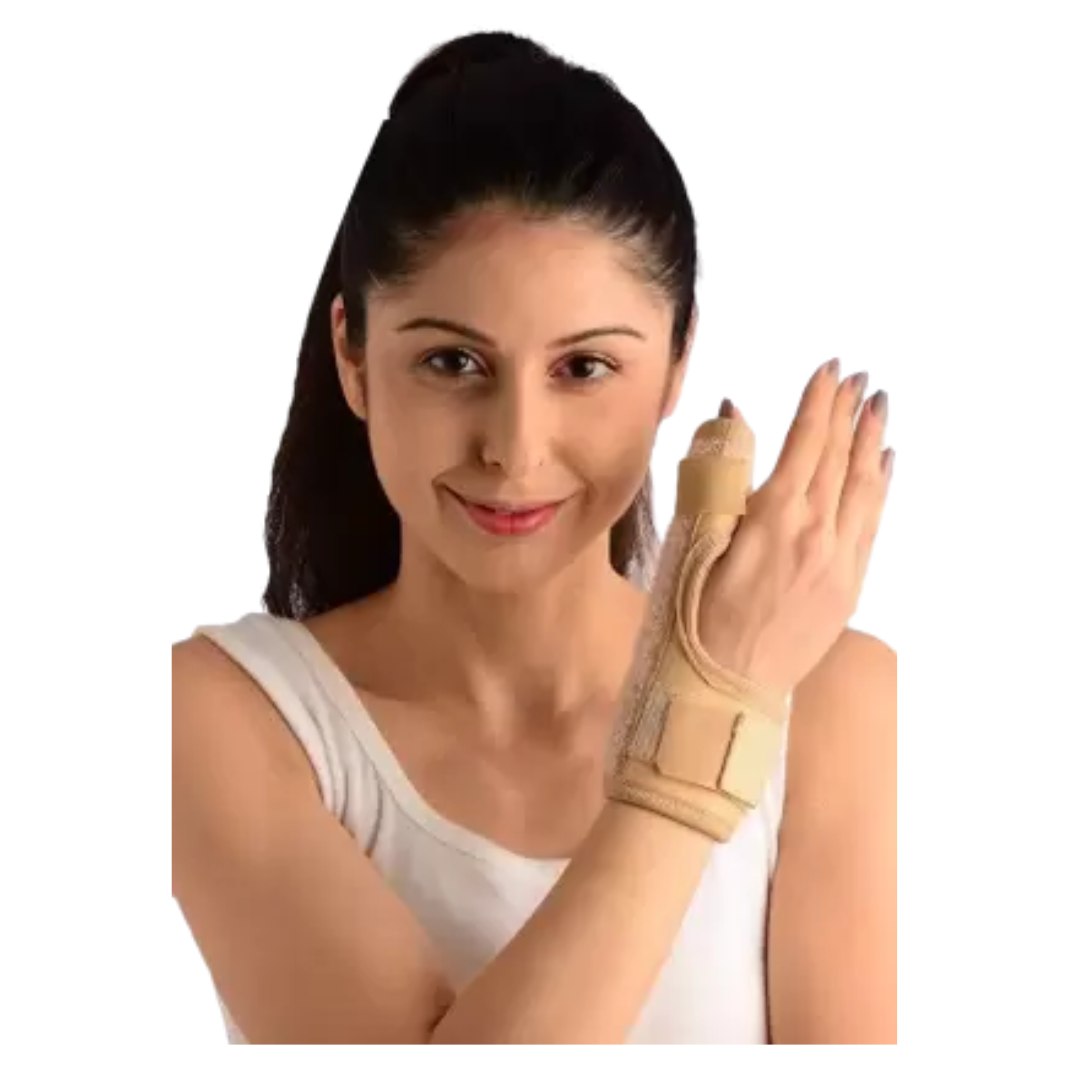
The Thumb Spica Splint: An Expert Orthopedic Guide
The human thumb, while small, is arguably the most crucial digit for hand function, responsible for a significant portion of dexterity, grip, and fine motor skills. When the thumb is injured or afflicted by degenerative conditions, its impairment can severely impact daily activities and quality of life. The thumb spica splint is an indispensable orthopedic device designed to provide targeted immobilization and support, facilitating healing and pain relief for a wide array of thumb and wrist conditions.
This comprehensive guide, authored by an expert medical SEO copywriter and orthopedic specialist, delves deep into the world of thumb spica splints. We will explore its intricate design, diverse clinical applications, precise fitting instructions, essential maintenance protocols, underlying biomechanics, and the profound impact it has on patient outcomes.
1. Comprehensive Introduction & Overview
A thumb spica splint is an orthopedic brace specifically engineered to immobilize the thumb and often a portion of the wrist, while allowing for varying degrees of movement in the other fingers. The term "spica" refers to a type of bandage or cast that encircles a limb and then crosses back on itself, forming a figure-of-eight pattern to encompass and stabilize a joint, in this case, the thumb and wrist.
Purpose and Importance in Orthopedic Care
The primary purpose of a thumb spica splint is to:
* Immobilize: Restrict movement of the carpometacarpal (CMC) joint, metacarpophalangeal (MCP) joint, and sometimes the interphalangeal (IP) joint of the thumb, along with the wrist.
* Support: Provide external stability to injured ligaments, tendons, or fractured bones.
* Reduce Pain: Minimize movement that exacerbates pain, particularly in inflammatory or post-traumatic conditions.
* Promote Healing: Create an optimal environment for tissue repair by limiting stress and strain on compromised structures.
Its importance in orthopedic care cannot be overstated. From acute fractures and ligamentous injuries to chronic inflammatory conditions and post-surgical recovery, the thumb spica splint offers a non-invasive, effective solution that bridges the gap between conservative management and surgical intervention, or serves as a critical adjunct to surgery.
Types of Thumb Spica Splints
Thumb spica splints come in various forms, each tailored to specific needs:
- Custom-Molded Thermoplastic Splints:
- Description: Fabricated by an occupational therapist, physical therapist, or orthopedic technician directly on the patient's hand and wrist using low-temperature thermoplastic sheets.
- Advantages: Superior custom fit, precise immobilization, lightweight, durable, re-moldable.
- Disadvantages: Requires professional fitting, can be more expensive.
- Pre-fabricated/Off-the-Shelf Splints:
- Description: Manufactured in standard sizes (S, M, L, XL) using materials like neoprene, fabric, foam, or rigid plastic, often with integrated metal stays.
- Advantages: Readily available, cost-effective, easy to apply, often adjustable.
- Disadvantages: Less precise fit, may offer less rigid immobilization, potential for skin irritation due to non-custom fit.
- Soft/Flexible Splints:
- Description: Made from softer materials like neoprene or elastic fabric, providing compression and mild support rather than rigid immobilization.
- Advantages: Comfortable, allows some movement, good for mild sprains or support during activity.
- Disadvantages: Insufficient for fractures or severe ligamentous injuries.
2. Deep-Dive into Technical Specifications / Mechanisms
Understanding the technical aspects of a thumb spica splint is crucial for appreciating its therapeutic efficacy.
Design and Materials
The effectiveness of a thumb spica splint largely depends on its design and the materials used in its construction.
Common Materials:
| Material Type | Characteristics | Applications |
|---|---|---|
| Thermoplastics | Lightweight, rigid when cooled, moldable when heated, radiolucent. | Custom splints for fractures, severe ligament injuries, post-op immobilization. |
| Neoprene | Flexible, compressive, provides warmth, moisture-wicking. | Mild sprains, tendinitis, arthritis, sports support. |
| Fabric/Elastic | Breathable, comfortable, offers mild support and compression. | General support, light sprains, comfort during daily activities. |
| Metal Stays/Inserts | Aluminum or steel, provide rigidity and shape. | Incorporated into fabric/neoprene splints for enhanced immobilization. |
| Padding | Felt, foam, moleskin, used for cushioning bony prominences. | Prevents pressure sores, enhances comfort in rigid splints. |
| Velcro Straps | Adjustable, secure closure system. | Universal for securing all types of splints. |
Design Principles:
The design of a thumb spica splint typically incorporates:
* Radial Gutter Component: Extends along the radial side of the forearm, providing a stable base.
* Thenar Eminence Coverage: Supports the musculature at the base of the thumb.
* First Web Space Clearance: Crucial for comfort and preventing contractures.
* Thumb Trough: Immobilizes the thumb in a functional position, typically slight abduction and opposition.
* Wrist Component: Can be short (stopping at the wrist crease) or long (extending further up the forearm) depending on the need for wrist immobilization.
Biomechanics of Immobilization
The biomechanical action of a thumb spica splint is centered on creating a stable, protected environment for healing.
- Joint Immobilization:
- Carpometacarpal (CMC) Joint: The most common target, often immobilized to treat basal joint arthritis or Bennett's/Rolando's fractures. The splint prevents abduction, adduction, flexion, extension, and rotation of the first metacarpal.
- Metacarpophalangeal (MCP) Joint: Immobilized for injuries like Skier's/Gamekeeper's thumb (UCL injury) or fractures of the proximal phalanx. The splint typically holds the MCP joint in slight flexion (e.g., 10-20 degrees) to prevent collateral ligament shortening.
- Interphalangeal (IP) Joint: Less commonly included, but necessary for injuries to the distal phalanx or IP joint ligaments.
- Optimal Positioning: The thumb is typically positioned in slight abduction and opposition. This "functional position" helps maintain the length of periarticular structures, prevents contractures, and facilitates future rehabilitation.
- Load Reduction: By limiting movement, the splint reduces the mechanical stress on injured tissues, allowing for angiogenesis, collagen deposition, and cellular repair.
- Pain Modulation: Immobilization reduces nociceptive input by preventing painful movements, thereby reducing inflammation and muscle guarding.
Fitting and Usage Instructions
Proper fitting is paramount for the efficacy and comfort of a thumb spica splint.
Steps for Custom Molding (Thermoplastic):
- Patient Assessment: Evaluate hand size, injury type, swelling, and any open wounds.
- Material Preparation: Heat thermoplastic sheet in a water bath until pliable.
- Positioning:
- Wrist: Typically in slight extension (10-20 degrees) to optimize grip strength and prevent median nerve compression.
- Thumb CMC Joint: In abduction (away from the palm) and opposition (pointing towards the little finger).
- Thumb MCP Joint: In slight flexion (e.g., 10-20 degrees).
- Thumb IP Joint: Can be included or left free, depending on the injury.
- Molding: Carefully drape the softened thermoplastic over the hand and forearm, molding it precisely to the contours while maintaining the desired joint positions. Pay special attention to:
- Thenar Eminence: Ensure adequate support without excessive pressure.
- First Web Space: Maintain a wide, open web space to prevent contracture.
- Bony Prominences: Pad areas like the ulnar styloid, radial styloid, and metacarpal heads to prevent pressure sores.
- Trimming and Finishing: Trim excess material, smooth edges, and apply straps.
- Patient Education: Instruct on wearing schedule, signs of problems (numbness, tingling, increased pain, skin discoloration), and cleaning.
Instructions for Pre-fabricated Splints:
- Select Correct Size: Measure hand/wrist circumference according to manufacturer guidelines.
- Position Hand: Slide the hand into the splint, ensuring the thumb is correctly seated in its designated trough.
- Secure Straps: Fasten Velcro straps, starting from the wrist and moving towards the thumb. Ensure a snug fit – tight enough to immobilize but not so tight as to cause discomfort, numbness, or restrict circulation.
- Check Fit: Verify that the thumb and wrist are adequately immobilized and that fingers (if not included) can move freely.
Maintenance and Sterilization Protocols
Proper maintenance extends the life of the splint and prevents skin issues.
For Custom Thermoplastic Splints:
- Cleaning:
- Wipe daily with a damp cloth and mild soap (e.g., dish soap).
- Rinse thoroughly with a clean, damp cloth.
- Avoid harsh chemicals or abrasive cleaners.
- Drying:
- Air dry completely before reapplying.
- Do not use direct heat sources (hair dryer, oven) as this can deform the plastic.
- Inspection:
- Regularly check for cracks, sharp edges, or areas of wear.
- Examine skin under the splint daily for redness, irritation, or pressure areas.
- Padding: Replace internal padding if it becomes soiled, matted, or loses its cushioning properties.
For Fabric/Neoprene Splints:
- Washing:
- Hand wash in cold water with mild soap.
- Remove any removable metal stays before washing.
- Do not bleach or iron.
- Drying:
- Air dry flat.
- Ensure it is completely dry to prevent skin maceration or odor.
- Inspection:
- Check for fraying, tears, or loss of elasticity.
- Ensure Velcro fasteners are still secure.
- Replacement: Replace if the material stretches out, loses support, or becomes unhygienic.
3. Extensive Clinical Indications & Usage
The thumb spica splint is a versatile tool used across a broad spectrum of orthopedic conditions.
Detailed Surgical or Clinical Applications
1. Fractures:
- Bennett's Fracture: An intra-articular fracture of the base of the first metacarpal, often requiring both immobilization and sometimes surgical fixation. The splint stabilizes the fracture fragments.
- Rolando's Fracture: A comminuted intra-articular fracture of the base of the first metacarpal, more complex than Bennett's.
- Distal Phalanx Fractures of the Thumb: If the fracture involves the IP joint or requires rigid immobilization of the distal segment.
- Metacarpal Fractures (Base of 1st Metacarpal): Non-displaced or minimally displaced fractures.
2. Ligamentous Injuries:
- Ulnar Collateral Ligament (UCL) Injury (Skier's/Gamekeeper's Thumb): A common injury to the ligament on the ulnar side of the thumb MCP joint, often from forced abduction. The splint immobilizes the MCP joint in slight flexion to allow healing.
- Radial Collateral Ligament (RCL) Injury: Less common, affecting the radial side of the thumb MCP joint.
3. Tendinopathy/Tenosynovitis:
- De Quervain's Tenosynovitis: Inflammation of the abductor pollicis longus (APL) and extensor pollicis brevis (EPB) tendons within their common sheath at the radial styloid. The splint immobilizes the thumb and wrist to rest these tendons.
4. Arthritis:
- Carpometacarpal (CMC) Joint Osteoarthritis (Basal Joint Arthritis): Degenerative arthritis at the base of the thumb. The splint reduces pain and inflammation by limiting movement and providing support.
- Rheumatoid Arthritis: Can affect any joint, including the thumb, causing pain and deformity. A splint can provide symptomatic relief and support.
5. Post-operative Immobilization:
- Following CMC Arthroplasty: After surgical reconstruction or replacement of the basal joint.
- Ligament Repair/Reconstruction: After surgical repair of conditions like UCL tears.
- Fracture Fixation: To protect the surgical repair and facilitate bone healing.
- Tendon Repair: To protect repaired tendons from excessive strain.
6. Sprains and Strains:
- General Thumb Sprains: Non-specific ligamentous or capsular injuries of the thumb joints, often from hyperextension or twisting.
- Wrist Sprains: If concurrent thumb immobilization is also beneficial.
Patient Outcome Improvements
The application of a properly fitted and managed thumb spica splint significantly contributes to positive patient outcomes.
- Pain Reduction: By immobilizing the injured or inflamed area, the splint immediately reduces pain associated with movement.
- Enhanced Healing: Creates an optimal physiological environment for tissue repair, preventing re-injury or exacerbation during the critical healing phase.
- Prevention of Further Injury/Deformity: Stabilizes unstable joints or fractures, preventing displacement or further damage. In conditions like arthritis, it can slow progression or manage symptoms.
- Improved Functional Recovery: By allowing healing, the splint sets the stage for more effective rehabilitation and a quicker return to normal hand function.
- Facilitated Return to Activities: Enables patients to gradually resume daily activities, work, and even sports with appropriate protection.
- Long-term Stability: For chronic conditions or post-surgical cases, it can provide long-term stability and support, improving quality of life.
4. Risks, Side Effects, or Contraindications
While generally safe and highly effective, thumb spica splints are not without potential risks or contraindications.
Potential Risks and Side Effects:
- Skin Irritation and Pressure Sores: Especially common with ill-fitting splints, prominent bony areas, or poor skin hygiene. Can lead to redness, blistering, or even open wounds.
- Nerve Compression:
- Superficial Radial Nerve: Can be compressed on the radial aspect of the wrist/forearm, leading to numbness, tingling, or burning sensation on the back of the thumb and index finger.
- Median Nerve: Though less common, improper wrist positioning can exacerbate carpal tunnel symptoms.
- Stiffness in Un-immobilized Joints: If the wrist is immobilized for too long, or the MCP/IP joints are left free but not actively moved, stiffness can develop.
- Edema/Swelling: If the splint is applied too tightly, it can restrict venous and lymphatic return, leading to increased swelling distal to the splint.
- Muscle Atrophy: Prolonged immobilization can lead to disuse atrophy of the muscles within the hand and forearm.
- Discomfort and Impaired Hygiene: The splint can be cumbersome, interfere with sleep, and make washing the hand difficult.
- Allergic Reaction: Rare, but some individuals may react to the splint material (e.g., latex in some neoprene).
Contraindications:
- Open Wounds or Active Infections: Direct application over an open wound or infected area is generally contraindicated as it can trap bacteria and hinder wound care. A different dressing or fixation method may be required.
- Severe Swelling: In acute injuries with significant swelling, a splint that is too constricting can worsen edema or lead to compartment syndrome. Initial management may involve elevation, ice, and a looser dressing before definitive splinting.
- Allergies to Splint Materials: A known allergy to specific plastics or fabrics used in the splint.
- Conditions Requiring Immediate Surgical Intervention: For certain highly unstable fractures or severe ligamentous avulsions, a splint may be used pre-operatively but is not the definitive treatment.
- Patient Non-compliance: While not a strict medical contraindication, a patient unwilling or unable to follow wearing and care instructions may have poor outcomes, making the splint less effective.
- Vascular Compromise: Any condition where the splint could further compromise blood flow to the hand or fingers.
5. Massive FAQ Section
Q1: What is a thumb spica splint used for?
A1: A thumb spica splint is used to immobilize and support the thumb and sometimes the wrist, typically for conditions like thumb fractures (e.g., Bennett's, Rolando's), ligament injuries (e.g., Skier's/Gamekeeper's thumb), tendinitis (e.g., De Quervain's Tenosynovitis), basal joint arthritis, and post-operative protection.
Q2: How long do I need to wear a thumb spica splint?
A2: The duration varies greatly depending on the specific injury or condition. For fractures, it can be 4-6 weeks. For ligament injuries or tendinitis, it might be 2-4 weeks. Your orthopedic specialist will provide a specific timeline based on your diagnosis and healing progress.
Q3: Can I take my thumb spica splint off to shower?
A3: If you have a custom-molded thermoplastic splint or a removable pre-fabricated splint, you can typically remove it for showering, unless your doctor specifically instructs otherwise (e.g., for certain post-surgical cases). Ensure the splint stays dry if it's not designed for water exposure, and always reapply it immediately after. If you have a cast-like splint, it must stay dry.
Q4: How do I clean my thumb spica splint?
A4: For custom thermoplastic splints, wipe it daily with a damp cloth and mild soap, then air dry completely. For fabric or neoprene splints, hand wash with mild soap and cold water, remove any metal stays first, and air dry. Always ensure the splint is completely dry before reapplying to prevent skin issues.
Q5: What should I do if my splint feels too tight or loose?
A5: If your splint feels too tight and causes numbness, tingling, increased pain, throbbing, or skin discoloration, loosen the straps immediately and contact your doctor or therapist. If it feels too loose and the thumb/wrist isn't properly immobilized, try tightening the straps. If it still feels loose or ineffective, contact your healthcare provider for an adjustment or refitting.
Q6: Can I drive with a thumb spica splint?
A6: Driving with a thumb spica splint is generally not recommended, especially if it immobilizes your wrist or significantly restricts your grip and ability to safely operate a vehicle. Your reaction time and ability to steer or shift gears may be compromised. Always consult your doctor for specific advice regarding driving.
Q7: Will my thumb be stiff after wearing the splint?
A7: Some stiffness is common after a period of immobilization, especially in the joints that were splinted. This is a normal part of the healing process. Your doctor or therapist will likely prescribe exercises or physical therapy to help regain range of motion and strength once the splint is removed.
Q8: What's the difference between a cast and a splint?
A8: A cast typically provides rigid, circumferential immobilization and is not easily removable by the patient. It's usually made of plaster or fiberglass. A splint (including a thumb spica splint) provides support and immobilization but is often less rigid and/or designed to be removed by the patient for hygiene, skin checks, or exercises. Splints are also commonly used for initial injury management to accommodate swelling.
Q9: How do I know if my splint is fitted correctly?
A9: A correctly fitted splint should:
* Immobilize the intended joints without restricting movement in un-immobilized joints (like other fingers).
* Be snug but not cause excessive pressure, numbness, or tingling.
* Have smooth edges that don't dig into your skin.
* Allow for good circulation (check capillary refill in your fingertips).
* Be comfortable enough to wear for the prescribed duration.
If you have doubts, consult the professional who fitted it or your doctor.
Q10: When should I contact my doctor about my splint?
A10: You should contact your doctor if you experience:
* Increased or worsening pain.
* Numbness, tingling, or burning sensations.
* Swelling or throbbing in your hand or fingers.
* Changes in skin color (blue, white, or excessively red).
* Foul odor or discharge from under the splint.
* Blistering, sores, or severe skin irritation.
* The splint breaks, cracks, or loses its shape.
* You cannot comfortably wear the splint as prescribed.
Q11: Are there different types of thumb spica splints?
A11: Yes, there are several types, including:
* Custom-molded thermoplastic splints: Made specifically for your hand by a therapist.
* Off-the-shelf soft splints: Made from fabric, neoprene, or elastic, often with metal stays.
* Short thumb spica: Immobilizes the thumb and extends just past the wrist.
* Long thumb spica: Immobilizes the thumb and extends further up the forearm for more comprehensive wrist immobilization. The choice depends on the specific injury.
Q12: Can I exercise my fingers while wearing the splint?
A12: If your splint allows free movement of your other fingers, it is generally encouraged to gently move them to prevent stiffness. However, always confirm with your doctor or therapist which movements are safe and beneficial for your specific condition. Do not attempt to move the thumb or wrist joints that are immobilized by the splint.