The Definitive Medical SEO Guide to Theraband Resistance Exercise Bands: An Orthopedic Specialist's Perspective
Introduction & Overview: Unlocking Functional Recovery with Theraband
Theraband resistance exercise bands have revolutionized the landscape of physical therapy and orthopedic rehabilitation. More than just simple elastic straps, these versatile tools represent a cornerstone in progressive resistance training, offering a safe, effective, and accessible method for improving strength, flexibility, balance, and functional mobility across a vast spectrum of patient populations. From elite athletes recovering from complex surgeries to geriatric patients aiming to maintain independence, Theraband bands are indispensable in clinical practice.
As an expert Medical SEO Copywriter and Orthopedic Specialist, this comprehensive guide will delve into the intricate world of Theraband resistance bands, exploring their design, biomechanical principles, extensive clinical applications, proper usage, maintenance protocols, and the profound impact they have on patient outcomes. Our aim is to provide an authoritative resource for healthcare professionals, patients, and caregivers alike, highlighting why Theraband remains a gold standard in orthopedic-assisted devices.
Deep-Dive into Technical Specifications & Mechanisms
Design and Materials: Engineered for Progressive Resistance
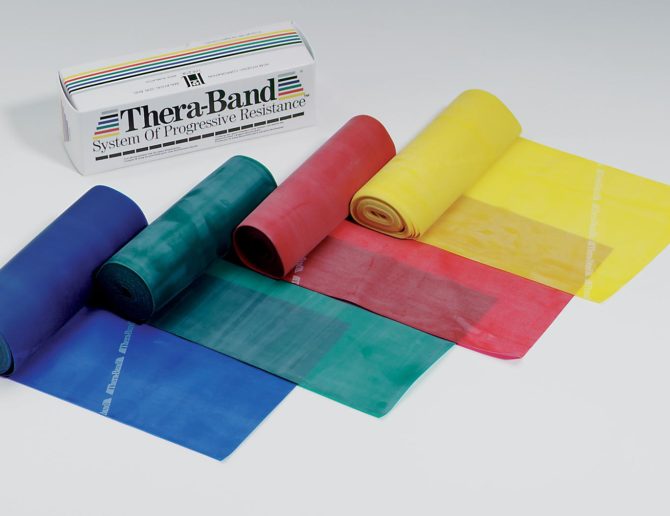
Theraband resistance bands are meticulously designed to provide consistent, linear resistance throughout a full range of motion. Their hallmark feature is the progressive resistance system, color-coded to indicate increasing levels of challenge.
Key Design Features:
- Color-Coded Progressive Resistance: This intuitive system allows for precise prescription of exercise intensity, enabling clinicians to tailor programs to individual patient needs and facilitate progressive overload. Each color represents a specific resistance level, from ultra-light to max.
| Color | Resistance Level | Typical Application |
|---|---|---|
| Tan | Ultra Light | Very early rehabilitation, frail patients, gentle mobility |
| Yellow | Light | Initial rehab, post-surgery, low-impact exercise |
| Red | Medium | General conditioning, moderate rehab, active recovery |
| Green | Heavy | Strength building, sports rehab, active individuals |
| Blue | Extra Heavy | Advanced strength training, athletic conditioning |
| Black | Special Heavy | High-level strength, power training |
| Silver | Super Heavy | Elite athletes, maximal resistance |
| Gold | Max | Peak performance, specific high-load training |
- Material Composition:
- Natural Rubber Latex: The original Theraband material, known for its excellent elasticity, consistent resistance, and durability. It provides a smooth, progressive stretch characteristic of Theraband products.
- Latex-Free Options: Recognizing the prevalence of latex allergies, Theraband also offers synthetic, non-latex versions. These provide a comparable progressive resistance profile, ensuring accessibility for all patients without compromising therapeutic efficacy.
- Form Factors: Available in various formats including large rolls (allowing custom lengths), pre-cut loops, and tubing with handles, providing adaptability for different exercises and attachment points. This versatility makes them suitable for a wide range of body parts and movement patterns.
Biomechanics of Resistance Band Training
The effectiveness of Theraband resistance bands lies in their unique biomechanical interaction with the musculoskeletal system.
- Progressive Resistance Profile: Unlike free weights, which provide constant resistance, bands offer increasing resistance as they are stretched. This means the muscle works harder at the end of the range of motion, which can be particularly beneficial for strengthening specific muscle groups, improving joint stability, and enhancing power through a full arc of movement. This variable resistance pattern closely mimics functional activities.
- Eccentric and Concentric Loading: Bands effectively challenge both concentric (muscle shortening) and eccentric (muscle lengthening) phases of muscle contraction. Eccentric training is crucial for injury prevention, rehabilitation (e.g., tendinopathies), and improving muscle power and control. The controlled release of tension in a band can enhance eccentric strength.
- Variable Resistance for Overcoming Sticking Points: The elastic nature of the bands means the load changes throughout the movement. This can help to overcome "sticking points" often encountered with fixed weights and can better mimic the varying demands of real-world movements.
- Enhanced Proprioception and Neuromuscular Control: Performing exercises with resistance bands often requires greater stabilization from synergistic muscles, enhancing proprioceptive feedback (the body's awareness of its position in space) and improving neuromuscular control around joints. This is vital for balance, coordination, and preventing re-injury by training the nervous system to better control muscle activation.
- Joint Protection: The continuous, smooth tension provided by bands, without the abrupt loading or gravitational forces of free weights, can be gentler on joints. This makes them ideal for early-stage rehabilitation, individuals with joint pain, degenerative conditions like osteoarthritis, or those recovering from acute injuries, allowing for controlled movement without excessive impact.
Extensive Clinical Indications & Usage
Theraband resistance bands are a cornerstone in orthopedic and sports medicine, offering a vast array of clinical applications across the spectrum of care.
Pre-habilitation (Pre-hab)
- Preparing for Surgery: Strengthening muscles surrounding a joint (e.g., knee, hip, shoulder) prior to surgery can significantly improve post-operative recovery times, reduce complications, and enhance functional outcomes. Bands are excellent for targeted pre-op strength and mobility work.
- Injury Prevention: Incorporating bands into warm-ups and general conditioning programs can activate key stabilizing muscles, improve muscular balance, and reduce the risk of common sports injuries (e.g., rotator cuff tears, ACL injuries, ankle sprains, hamstring strains).
Post-operative Rehabilitation
- Total Joint Replacement (Total Knee Arthroplasty, Total Hip Arthroplasty): Facilitating early mobilization, regaining range of motion, and progressive strengthening of crucial muscle groups such as quadriceps, hamstrings, glutes, and hip abductors.
- Examples: Hip abduction with band around ankles, knee flexion/extension with band anchored, glute bridges, clam shells.
- ACL Reconstruction: Progressive strengthening of hamstrings, quadriceps, and gluteal muscles, focusing on controlled movements, neuromuscular re-education, and stability drills to protect the graft.
- Examples: Hamstring curls, quad sets, lateral walks, monster walks, terminal knee extension.
- Rotator Cuff Repair: Gradual strengthening of the supra/infraspinatus, teres minor, and subscapularis, focusing on external/internal rotation, scapular stabilization, and deltoid strengthening.
- Examples: External/internal rotation, shoulder abduction, rows, face pulls.
- Spinal Fusion/Laminectomy: Core stabilization, gentle back extension, and hip/glute strengthening to support spinal health and improve postural control.
- Examples: Bird-dog variations, pelvic tilts, hip extensions, low-impact core bracing.
- Fracture Rehabilitation: Following cast removal or initial healing, bands facilitate controlled, low-impact strength training to regain muscle mass, restore joint mobility, and improve circulation around the affected limb.
Chronic Pain Management
- Low Back Pain: Strengthening deep core muscles (transverse abdominis, multifidus, obliques) and gluteal muscles can alleviate chronic low back pain by improving spinal stability, posture, and movement patterns.
- Neck and Shoulder Pain: Targeted exercises for cervical stabilizers, scapular retractors, and rotator cuff muscles can reduce tension, improve posture, and alleviate chronic discomfort.
- Osteoarthritis: Gentle, progressive resistance training helps maintain muscle strength around arthritic joints, improving stability, reducing pain, and enhancing joint lubrication without excessive impact or shear forces.
Sports Injury Rehabilitation & Performance Enhancement
- Ankle Sprains: Strengthening ankle everters/inverters, dorsiflexors/plantarflexors to restore stability, improve proprioception, and prevent recurrence.
- Patellofemoral Pain Syndrome: Strengthening hip abductors, external rotators, and vastus medialis obliquus (VMO) to improve patellar tracking and reduce anterior knee pain.
- Plyometric Training: Bands can be used to add resistance to jumping, hopping, and other explosive movements, enhancing power, speed, and agility.
Geriatric Strength Training & Fall Prevention
- Maintaining Functional Independence: Strengthening major muscle groups (quadriceps, hamstrings, glutes, core) improves gait, balance, and the ability to perform daily activities (e.g., standing up from a chair, climbing stairs).
- Fall Prevention: Exercises targeting hip abductors, knee extensors, and ankle dorsiflexors are critical for improving balance, reactive stability, and reducing fall risk in older adults.
Neurological Rehabilitation
- Stroke Recovery: Assisting with motor re-learning, strengthening weakened limbs (paresis), improving coordination, and enhancing proprioception to facilitate functional recovery.
- Multiple Sclerosis, Parkinson's Disease: Maintaining muscle strength, flexibility, combating spasticity, and improving motor control through controlled, adaptable resistance.
Fitting & Usage Instructions
Proper application of Theraband resistance bands is paramount for safety and efficacy. Adherence to correct technique maximizes therapeutic benefit and minimizes risk.
General Principles for Safe and Effective Use
- Warm-up: Always begin with a 5-10 minute light cardiovascular warm-up (e.g., walking, cycling) and dynamic stretches to prepare muscles and joints.
- Posture and Form: Maintain correct body alignment and controlled posture throughout each exercise. Poor form can lead to injury, reduce effectiveness, and recruit compensatory muscles. Focus on isolating the target muscle group.
- Controlled Movement: Perform exercises slowly and deliberately, focusing on the muscle contraction rather than momentum. Control both the concentric (lifting/pulling) and eccentric (lowering/returning) phases of the movement.
- Breathing: Exhale during the exertion phase (when stretching the band) and inhale during the recovery phase (when releasing tension). Avoid holding your breath.
- Progressive Overload: As strength improves, gradually increase resistance by moving to a heavier band color, increasing repetitions, adding sets, or shortening the band length. This principle is fundamental for continued adaptation.
- Listen to Your Body: Stop if you experience sharp, sudden, or increasing pain. Mild muscle fatigue or a burning sensation is normal, but acute pain is a warning sign.
Specific Usage Tips
- Anchoring: Securely anchor bands to a stable, immovable object (e.g., a sturdy door anchor, heavy furniture, fixed pole, or a partner). Ensure the anchor point is robust and won't move or collapse during exercise.
- Grip: For hand-held exercises, wrap the band securely around your hand or use bands with handles for a more comfortable grip. Avoid letting the band snap back, which can cause injury.
- Initial Tension: Start with enough slack to allow a full range of motion without excessive strain at the very beginning of the movement. The band should be taut but not overly stretched at the start.
- Band Length Adjustment: Adjust the length of the band by wrapping it around your hand more times, doubling it, or by selecting a shorter piece to increase resistance. Conversely, a longer band reduces resistance.
- Multiple Bands: For advanced users or specific exercises requiring higher or unique resistance profiles, combining two bands of different resistances can be employed, but this should be done cautiously.
Maintenance & Sterilization Protocols
Proper care extends the life of Theraband products and ensures hygienic use, especially in clinical settings where cross-contamination is a concern.
Cleaning and Disinfection
- General Cleaning (Personal Use): Wipe bands with a damp cloth and mild soap (e.g., gentle dish soap) after each use to remove sweat, body oils, and dirt. Rinse thoroughly with clean water.
- Disinfection (Clinical Settings): For multi-patient use, a hospital-grade disinfectant solution (e.g., quaternary ammonium compounds, or specific surface disinfectants approved for elastic materials) can be used. Always follow the disinfectant manufacturer's instructions for concentration, contact time, and rinsing requirements.
- Avoid Harsh Chemicals: Do NOT use abrasive cleaners, bleach, strong solvents, or petroleum-based products, as these can degrade the material, reduce elasticity, and shorten the lifespan of the bands.
- Drying: Air dry thoroughly away from direct sunlight or heat sources. Ensure bands are completely dry before storage to prevent mildew, stickiness, or material degradation.
Storage
- Cool, Dry Place: Store bands in a cool, dry place away from direct sunlight, extreme temperatures (both hot and cold), and high humidity. UV light and heat can accelerate the degradation of both latex and latex-free materials.
- Avoid Sharp Objects: Do not store bands near sharp objects, rough surfaces, or in drawers with other equipment that could nick, cut, or tear them.
- Powdering (Latex Bands): Lightly dusting natural rubber latex bands with cornstarch or talcum powder can prevent sticking, reduce friction, and prolong their life. This is generally less necessary for latex-free versions.
Inspection for Wear and Tear
- Regular Checks: Before each and every use, visually inspect the entire length of the band, paying close attention to attachment points and areas of repeated stretching. Look for any signs of nicks, cuts, tears, small holes, cracks, thinning, or discoloration.
- Discard Damaged Bands: Even minor damage can compromise the integrity of the band, significantly increasing the risk of it snapping during use. A broken band can recoil rapidly and cause serious injury (e.g., eye injury, contusions, lacerations). Discard and replace any damaged bands immediately.
- Elasticity Check: Over time, bands may lose some of their original elasticity and resistance. If a band feels significantly less resistant than its color indicates, or if it feels "dead" or overly stretched, it may be time for replacement.
Risks, Side Effects, or Contraindications
While generally safe and highly beneficial, awareness of potential risks and contraindications is crucial for responsible and effective use of Theraband resistance bands.
Risks and Side Effects
- Snapping/Breaking: The primary risk is the band snapping if it is damaged, overstretched beyond its elastic limit, or improperly anchored. This can cause the band to recoil rapidly, leading to eye injury, contusions, lacerations, or other soft tissue trauma.
- Skin Irritation/Allergy: For individuals with known or suspected latex allergies, using natural rubber latex bands can cause contact dermatitis, skin irritation, rash, or more severe systemic allergic reactions. Always use latex-free bands for these patients.
- Improper Form/Overuse: Using incorrect technique, compensating with other muscle groups, or overtraining can lead to muscle strains, ligamentous sprains, joint pain, or exacerbation of existing musculoskeletal conditions.
- Slippage: If not properly anchored to a stable object or securely gripped, bands can slip unexpectedly, leading to loss of control, an uncontrolled recoil, and potential injury to the user or others nearby.
- Blood Flow Restriction: Improper application, such as wrapping a band too tightly around a limb, can restrict blood flow, which is dangerous and should be avoided unless specifically prescribed and supervised for blood flow restriction training by a qualified professional.
Contraindications and Precautions
- Acute Injury/Inflammation: Avoid using resistance bands directly on acutely injured, inflamed, or swollen areas without specific medical guidance from a physician or physical therapist. Early stages of healing often require rest and protection.
- Unstable Fractures/Unhealed Surgical Sites: Do not apply resistance to areas with unstable fractures, non-union fractures, or surgical sites that have not fully healed and been cleared for active resistance by a surgeon or physical therapist.
- Severe Osteoporosis: While gentle resistance can be beneficial, high-impact or overly strenuous exercises with bands might not be appropriate for individuals with severe osteoporosis, as it could potentially increase the risk of pathological fractures. Always consult a physician for tailored exercise recommendations.
- Compromised Skin Integrity: Avoid placing bands directly on open wounds, surgical incisions, rashes, areas of fragile skin, or skin lesions.
- Cognitive Impairment: Patients with significant cognitive impairment, poor judgment, or inability to follow instructions may require close supervision or hands-on assistance to