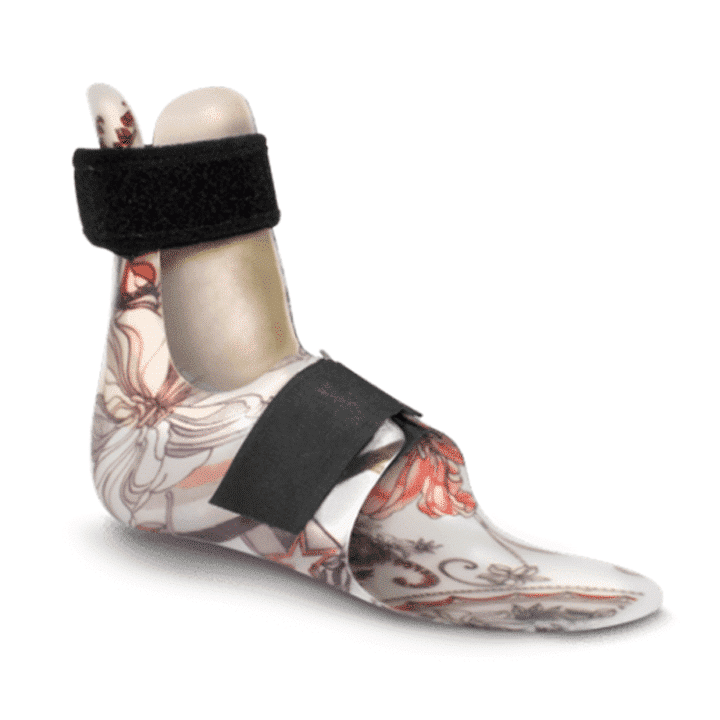
Supramalleolar Orthosis (SMO): Your Comprehensive Medical SEO Guide
1. Comprehensive Introduction & Overview
The Supramalleolar Orthosis (SMO) is a specialized type of ankle-foot orthosis designed to provide subtle yet effective support to the foot and ankle, primarily focusing on controlling hindfoot and midfoot motion. Unlike its larger counterpart, the Ankle-Foot Orthosis (AFO), the SMO features a low-profile design, with its trim lines typically extending just above the malleoli (ankle bones). This unique design allows for greater ankle range of motion while still offering crucial stability, making it a preferred choice for individuals who require dynamic support without significant restriction of sagittal plane ankle movement.
Primarily utilized in pediatric orthotics, the SMO plays a pivotal role in managing conditions such as hypotonia with pes planovalgus (flexible flat feet), mild spasticity, and developmental delays affecting gait. However, its applications are also expanding into adult care for certain mild instabilities or post-operative support. The core objective of an SMO is to improve proprioception, enhance balance, correct alignment, and facilitate a more efficient and stable gait pattern, ultimately leading to improved functional independence and quality of life for the wearer.
This exhaustive guide will delve into the intricacies of the Supramalleolar Orthosis, covering its design principles, biomechanical actions, extensive clinical applications, detailed fitting and usage protocols, essential maintenance, and the significant patient outcome improvements it facilitates.
2. Deep-Dive into Technical Specifications / Mechanisms
Design Principles of the Supramalleolar Orthosis
The design of an SMO is meticulously crafted to provide targeted support while maintaining a low profile. Key design elements include:
- Low Trim Lines: The defining characteristic of an SMO is its trim lines, which typically extend just above the malleoli, allowing for unrestricted ankle dorsiflexion and plantarflexion. This differentiates it from AFOs, which extend higher up the calf.
- Total Contact Fit: SMOs are designed for a total contact fit around the foot, encompassing the heel, midfoot, and sometimes extending to the metatarsal heads. This intimate fit provides circumferential compression and superior control over foot alignment.
- Material Selection:
- Thermoplastics: The most common materials are various forms of polypropylene or polyethylene. These plastics are lightweight, durable, and can be easily molded when heated, allowing for custom fabrication based on precise casts of the patient's foot.
- Carbon Fiber Composites: For some specialized or higher-performance SMOs, carbon fiber composites may be used. These offer exceptional strength-to-weight ratios and can provide more dynamic response characteristics, though they are typically more expensive.
- Soft Liners: Often, a thin, soft liner (e.g., medical-grade foam or silicone) is integrated into the orthosis, particularly in areas prone to pressure, to enhance comfort and prevent skin irritation.
- Closure Systems: Velcro straps are typically used to secure the SMO around the ankle and foot, ensuring a snug and adjustable fit.
- Custom Fabrication: While some prefabricated SMO-like devices exist, custom-fabricated SMOs, made from a plaster cast or 3D scan of the patient's foot, are vastly preferred. Customization ensures optimal fit, specific contouring, and precise biomechanical control tailored to the individual's unique anatomy and pathology.
Biomechanics of the Supramalleolar Orthosis
The SMO's primary biomechanical action revolves around controlling motion in the frontal and transverse planes of the foot, with minimal impact on the sagittal plane (dorsiflexion/plantarflexion).
- Hindfoot and Midfoot Stability: The total contact design and circumferential compression effectively stabilize the hindfoot (talus, calcaneus) and midfoot (navicular, cuboid, cuneiforms). This is crucial for conditions like pes planovalgus, where excessive pronation and midfoot collapse are prevalent.
- Control of Eversion/Inversion: By cupping the heel and supporting the medial and lateral arches, the SMO limits excessive hindfoot eversion (rolling inward) and inversion (rolling outward). This re-aligns the subtalar joint, which is critical for efficient gait.
- Arch Support: The orthosis provides direct support to the longitudinal arches of the foot, preventing collapse and promoting a more neutral foot posture. This improves the lever arm of the foot during propulsion.
- Proprioceptive Input: The constant, gentle compression and contact provided by the SMO enhance proprioceptive feedback to the brain. This increased sensory input helps individuals, especially children with developmental delays or hypotonia, better perceive their foot's position in space, leading to improved balance and coordination.
- Influence on Ground Reaction Forces: By optimizing foot alignment, the SMO helps distribute ground reaction forces more evenly across the plantar surface of the foot, reducing localized pressure points and improving weight-bearing mechanics.
- Muscle Activation: While providing external support, an SMO is designed to allow for active muscle engagement. It facilitates more efficient muscle function by placing the foot in a biomechanically advantageous position, rather than replacing muscle work entirely. This encourages the development of intrinsic foot and ankle muscle strength.
3. Extensive Clinical Indications & Usage
The Supramalleolar Orthosis is a versatile device with a range of clinical applications across different age groups, though it is most commonly associated with pediatric conditions.
Pediatric Applications
SMOs are a cornerstone of treatment for many pediatric foot and ankle pathologies, primarily those involving flexible deformities and gait abnormalities.
- Flexible Pes Planovalgus (Flat Feet) with Hypotonia: This is the most common indication. Children with low muscle tone often exhibit excessive foot pronation and midfoot collapse. SMOs provide the necessary arch support and hindfoot control to promote a more neutral alignment, improving gait efficiency and reducing fatigue.
- Mild Spasticity (e.g., Cerebral Palsy - GMFCS Level I or II): For children with mild spasticity affecting the lower extremities, an SMO can help control excessive pronation or supination, provide a stable base of support, and improve foot clearance during the swing phase without significantly limiting ankle movement.
- Developmental Delays Affecting Gait: Children who are learning to walk or have generalized developmental delays may benefit from the enhanced stability and proprioceptive input provided by an SMO, which can improve balance and coordination.
- Idiopathic Toe Walking (Mild Cases): In some instances, an SMO can be used to encourage heel strike and a more typical gait pattern by providing subtle positional cues, especially when combined with physical therapy.
- Post-Surgical Support: After certain foot surgeries, such as those for metatarsus adductus or tarsal coalition, an SMO can provide gentle, corrective support during the rehabilitation phase.
- Hypermobility Syndromes: For children with generalized ligamentous laxity, an SMO can offer additional stability to the foot and ankle joints, reducing excessive motion and potential strain.
Adult Applications
While less common than in children, SMOs can be beneficial for adults with specific conditions.
- Early-Stage Posterior Tibial Tendon Dysfunction (PTTD): In the initial stages of PTTD, before significant fixed deformity occurs, an SMO can provide essential medial arch support and hindfoot control to reduce strain on the posterior tibial tendon.
- Mild Ankle Instability (Chronic Sprains): For individuals with recurrent ankle sprains due to ligamentous laxity, an SMO can offer proprioceptive feedback and subtle mechanical support to prevent excessive inversion/eversion.
- Rheumatoid Arthritis (Mild Foot Deformity): In cases of mild foot deformity associated with rheumatoid arthritis, an SMO can help maintain better alignment, reduce pain, and improve walking comfort.
- Post-Operative Support: Following specific forefoot or midfoot reconstructive surgeries, an SMO can provide protective and supportive immobilization during the healing phase, transitioning to more dynamic support as recovery progresses.
- Neuropathic Foot Conditions (Mild): For patients with mild sensory neuropathy, an SMO can enhance stability and proprioception, reducing the risk of falls and improving gait confidence.
Fitting and Usage Instructions
Proper fitting and consistent usage are paramount for the effectiveness of an SMO.
1. Assessment and Prescription:
- Comprehensive Evaluation: A thorough assessment by an orthopedic specialist, physiatrist, or physical therapist is crucial. This includes gait analysis, range of motion measurements, muscle strength testing, and evaluation of foot posture.
- Orthotist Consultation: A certified orthotist will then take precise measurements and/or a plaster cast or 3D scan of the patient's foot. This ensures the custom SMO is perfectly contoured to the individual's anatomy.
2. Trial Fitting:
- Initial Placement: The orthotist will fit the fabricated SMO, checking for proper alignment, trim lines, and areas of potential pressure.
- Weight-Bearing Assessment: The patient will walk with the SMO to assess its function, comfort, and impact on gait. Adjustments may be made to the plastic or padding as needed.
- Skin Check: The orthotist will ensure there are no red marks or pressure points that could lead to skin breakdown.
3. Wearing Schedule:
- Gradual Introduction: Patients, especially children, typically begin wearing the SMO for short periods (e.g., 1-2 hours) and gradually increase wear time over several days or weeks. This allows the skin and muscles to adapt.
- Consistent Use: For maximum benefit, SMOs are often worn during all waking hours, especially during weight-bearing activities.
- Skin Monitoring: Parents/patients should regularly check the skin under and around the SMO for redness, blistering, or irritation, especially during the initial adaptation period.
4. Footwear Requirements:
- Deeper and Wider Shoes: SMOs require shoes with a deeper and wider toe box to accommodate the orthosis without causing pressure or discomfort.
- Removable Insoles: Shoes with removable insoles are often ideal, as removing the insole can create extra space for the SMO.
- Secure Fastening: Shoes with laces, Velcro straps, or buckles that can be tightened securely are preferred to ensure the foot and SMO remain properly seated within the shoe.
5. Activity Guidelines:
- SMOs are designed to facilitate movement, not restrict it. Patients should be encouraged to engage in their usual activities, including walking, running, and playing, as the SMO helps support these movements.
- Physical therapy often accompanies SMO use to maximize functional gains and reinforce proper movement patterns.
Maintenance and Sterilization Protocols
Proper care and maintenance extend the life of an SMO and ensure optimal hygiene and function.
1. Daily Care:
- Wipe Down: Daily, wipe the inside and outside of the SMO with a damp cloth using mild soap (e.g., dish soap) and water.
- Air Dry: Allow the SMO to air dry completely before putting it back on. Avoid direct heat sources (like radiators or hair dryers) as this can warp the plastic.
- Skin Hygiene: Ensure the patient's feet are clean and dry before donning the SMO.
2. Regular Inspection:
- Visual Check: Periodically inspect the SMO for any signs of wear, cracks, sharp edges, or deformation. Pay close attention to the straps and their attachment points.
- Fit Check: As children grow, their SMOs will need to be replaced. For adults, weight fluctuations or changes in foot shape may necessitate a new orthosis. Regularly check for proper fit—if it feels too tight, too loose, or causes new pressure points, consult an orthotist.
3. Cleaning Liners (If Applicable):
- If the SMO has removable soft liners, follow the manufacturer's instructions for cleaning. This usually involves hand washing with mild soap and air drying.
4. Storage:
- Store the SMO in a cool, dry place away from direct sunlight when not in use.
5. Professional Checks:
- Schedule regular follow-up appointments with the orthotist (typically every 6-12 months for adults, or more frequently for growing children) to ensure the SMO remains properly fitted and functional.
4. Risks, Side Effects, or Contraindications
While SMOs are generally safe and effective, it's important to be aware of potential risks, side effects, and situations where they may not be appropriate.
Potential Risks and Side Effects:
- Skin Irritation/Pressure Sores: The most common side effect. Improper fit, excessive wear time initially, or inadequate skin hygiene can lead to redness, chafing, blistering, or even pressure sores. Regular skin checks are crucial.
- Discomfort/Pain: A new SMO may cause some initial discomfort as the foot adjusts. Persistent pain indicates a poor fit and requires immediate orthotist intervention.
- Muscle Atrophy (Rare): While SMOs are designed for dynamic support, over-reliance or improper fitting could theoretically lead to some weakening of intrinsic foot muscles if they are not adequately challenged. This is less common with SMOs than with more restrictive orthoses.
- Limited Range of Motion (If Improperly Fitted): Although SMOs aim to preserve ankle motion, an ill-fitting orthosis could inadvertently restrict movement or create compensatory patterns.
- Increased Sweating: The plastic material can sometimes lead to increased sweating of the foot. Breathable socks can help mitigate this.
Contraindications:
- Fixed Deformities: SMOs are primarily for flexible deformities. If a foot deformity is rigid and cannot be passively corrected to a neutral position, an SMO will not be effective and may cause harm. A more aggressive orthotic or surgical intervention may be required.
- Severe Spasticity/Significant Instability: Conditions requiring greater control over ankle dorsiflexion/plantarflexion or severe spasticity often necessitate a full Ankle-Foot Orthosis (AFO) for adequate support and alignment.
- Severe Skin Breakdown or Open Wounds: Any open wounds, active infections, or severe skin breakdown in the areas where the SMO makes contact are absolute contraindications until the skin has healed.
- Significant Leg Length Discrepancy: While not a direct contraindication, a leg length discrepancy might require additional interventions (e.g., shoe lift) in conjunction with an SMO.
- Gross Ankle Instability: For severe ligamentous instability of the ankle (e.g., after a high-grade sprain or fracture), an SMO may not provide sufficient support; a brace or AFO might be more appropriate.
5. Frequently Asked Questions (FAQ)
1. What is a Supramalleolar Orthosis (SMO)?
An SMO is a low-profile ankle-foot orthosis that provides dynamic support to the foot and ankle. It primarily controls hindfoot and midfoot motion, offering stability and alignment without significantly restricting ankle movement (dorsiflexion/plantarflexion). Its trim lines extend just above the ankle bones (malleoli).
2. How is an SMO different from an AFO?
The main difference lies in their trim lines and the level of control they provide. An SMO is lower, extending just above the malleoli, allowing for more ankle movement. An AFO (Ankle-Foot Orthosis) extends higher up the calf, providing greater control over ankle dorsiflexion and plantarflexion, in addition to foot stability. SMOs are generally for flexible deformities and mild instability, while AFOs are for more significant weakness, spasticity, or instability.
3. Who typically benefits from an SMO?
SMOs are most commonly prescribed for children with flexible flat feet (pes planovalgus) associated with low muscle tone (hypotonia), mild spasticity (e.g., cerebral palsy), or developmental delays affecting gait. Adults with early-stage posterior tibial tendon dysfunction (PTTD), mild ankle instability, or certain post-operative conditions may also benefit.
4. How long will my child/I need to wear an SMO?
The duration of SMO wear varies greatly depending on the individual's condition, age, and progress. For children, SMOs are often worn for several years, with replacements needed as they grow. Some children may eventually outgrow the need for them as their foot strength and stability improve. Adults may wear them for a specific rehabilitation period or long-term for chronic conditions. Your orthopedic specialist and orthotist will provide specific recommendations.
5. What kind of shoes can be worn with an SMO?
SMOs require shoes with a deeper and wider toe box to accommodate the orthosis comfortably. Shoes with removable insoles are often ideal, as removing the insole creates extra space. Look for shoes with laces, Velcro straps, or buckles that can be securely tightened to ensure the foot and SMO remain properly seated.
6. How do I clean and care for my SMO?
Clean your SMO daily by wiping it down with a damp cloth and mild soap (like dish soap). Rinse thoroughly and allow it to air dry completely. Never use harsh chemicals or place it near direct heat sources, as this can damage the plastic. Regularly inspect for cracks, sharp edges, or wear, and consult your orthotist if you notice any issues.
7. Are there any side effects of wearing an SMO?
The most common side effect is skin irritation, such as redness or chafing, especially during the initial adaptation period or if the SMO is ill-fitting. Always check the skin for pressure points. Other rare side effects can include discomfort or, theoretically, mild muscle atrophy if not used correctly. Most issues can be resolved with proper fitting and skin care.
8. Can an SMO correct my child's flat feet?
SMOs do not "correct" a flexible flat foot in the sense of permanently changing the bone structure. Instead, they provide external support to align the foot into a more neutral position, facilitating proper development, improving gait mechanics, and preventing the progression of deformity. For many children, this support helps strengthen muscles and improve proprioception, which can lead to better foot posture even when the SMO is not worn.
9. Will wearing an SMO weaken my child's muscles?
No, SMOs are designed to provide dynamic support that assists muscle function rather than replacing it. By placing the foot in a more biomechanically advantageous position, an SMO can actually encourage more efficient use and development of intrinsic foot and ankle muscles, leading to improved strength and coordination over time.
10. How often should an SMO be replaced?
For growing children, SMOs typically need to be replaced every 9-18 months, or whenever the child outgrows them. Signs of outgrowing include toes extending beyond the orthosis, pressure points appearing, or the SMO becoming difficult to put on. For adults, an SMO may last for several years, but regular checks by an orthotist are recommended to ensure continued proper fit and function, especially if there are changes in weight or foot condition.
11. Is an SMO covered by insurance?
Coverage for SMOs varies widely depending on your insurance provider, policy, and medical necessity. Most insurance plans, including Medicaid and private insurers, cover medically necessary orthoses. It is crucial to obtain a prescription from a physician and pre-authorization from your insurance company. Your orthotist's office can often assist with navigating the insurance process.
12. Can adults wear SMOs?
Yes, while more common in pediatric populations, adults can certainly wear SMOs. They are often prescribed for adults with conditions like early-stage posterior tibial tendon dysfunction (PTTD), mild chronic ankle instability, or as post-operative support for certain foot and ankle surgeries. The principles of support and alignment remain the same, tailored to adult anatomy and specific pathologies.