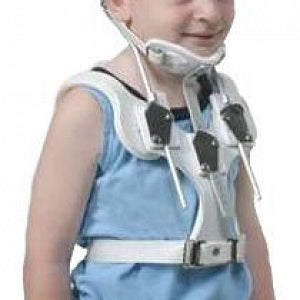
The SOMI Brace: Comprehensive Guide to Sternal Occipital Mandibular Immobilization
Welcome to the definitive medical guide on the SOMI Brace, a critical orthopedic device designed for effective cervical spine immobilization. As expert medical SEO copywriters and orthopedic specialists, we understand the importance of providing precise, authoritative, and exhaustive information on such vital equipment. This guide will delve deep into every aspect of the Sternal Occipital Mandibular Immobilizer (SOMI) brace, from its intricate design and biomechanical principles to its extensive clinical applications, fitting protocols, maintenance, and profound impact on patient outcomes.
1. Comprehensive Introduction & Overview
The Sternal Occipital Mandibular Immobilizer, widely known as the SOMI brace, is a specialized type of cervical thoracic orthosis (CTO) engineered to provide rigid support and restrict motion in the upper cervical spine. Unlike simpler cervical collars, the SOMI brace extends its support from the sternum (chest) to the occiput (back of the head) and mandible (jaw), creating a robust three-point fixation system. Its primary objective is to stabilize the head and neck, thereby preventing unwanted movement that could exacerbate injuries, impede healing, or cause further neurological damage.
Developed to offer superior immobilization, particularly in the C1-C3 vertebral segments, the SOMI brace stands as a crucial tool in the management of various cervical spine conditions. It offers a balance between effective immobilization and patient comfort, aiming to facilitate optimal healing and recovery. This guide serves as an invaluable resource for medical professionals, caregivers, and patients seeking to understand the intricacies and proper utilization of this sophisticated orthopedic device.
2. Deep-Dive into Technical Specifications & Mechanisms
Understanding the SOMI brace requires a detailed look at its construction and the biomechanical principles that govern its function.
2.1. Design and Materials
The SOMI brace is characterized by its multi-component structure, meticulously designed for maximum stability and adjustability.
- Sternal Plate: This anterior chest component forms the base of the brace. Typically made from lightweight, rigid thermoplastic or composite materials, it is contoured to fit the upper chest comfortably. It often features soft foam padding on the inner surface to prevent skin irritation and distribute pressure evenly.
- Occipital Supports: Positioned at the back of the head, these supports cradle the occiput. They are usually adjustable in height and angle to accommodate various head sizes and ensure optimal alignment. High-density foam padding is critical here for comfort and pressure relief.
- Mandibular Support (Chin Rest): Located beneath the chin, this component provides anterior support to the mandible. It is also highly adjustable, allowing for precise positioning to maintain cervical lordosis and prevent excessive neck flexion. Similar to other contact points, it features soft padding.
- Anterior and Lateral Uprights: These rigid bars, often constructed from lightweight aluminum or reinforced plastic, connect the sternal plate to the occipital and mandibular supports. Their adjustability is key to customizing the brace's fit for each patient, ensuring correct anatomical alignment and maintaining the desired degree of immobilization.
- Straps and Velcro Closures: A system of adjustable straps, typically made from durable fabric with Velcro closures, secures the entire brace firmly to the patient's torso and head. These straps are designed for easy application and removal, while ensuring a snug, non-slipping fit.
The selection of materials prioritizes a balance of rigidity for immobilization, lightweight for patient comfort, durability for prolonged use, and biocompatibility to minimize skin reactions.
2.2. Biomechanics of Immobilization
The effectiveness of the SOMI brace lies in its sophisticated biomechanical design, which leverages a three-point pressure system to restrict cervical spine motion across multiple planes.
- Flexion Control: The sternal plate and mandibular support work in tandem to counteract forward bending (flexion) of the neck. The chin rest prevents the head from dropping forward, while the rigid anterior framework limits the range of motion.
- Extension Control: The occipital supports and the posterior components of the uprights restrict backward bending (extension). By cradling the back of the head, the brace prevents hyperextension.
- Lateral Bending and Rotation Control: The rigid uprights and the comprehensive encirclement of the head and upper torso significantly reduce side-to-side bending (lateral flexion) and twisting (rotation). The broad base provided by the sternal plate anchors the entire system, making it highly effective against these movements.
Compared to simpler cervical collars, which primarily restrict flexion and extension, the SOMI brace offers superior control over rotation and lateral bending, particularly in the upper cervical spine (C1-C3). Its design aims to achieve maximum immobilization while minimizing compression on the trachea and jugular veins, a common concern with some other rigid collars. The goal is to maintain the cervical spine in a neutral or slightly lordotic position, promoting optimal conditions for healing and preventing secondary injury.
3. Extensive Clinical Indications & Usage
The SOMI brace is indicated for a wide array of cervical spine conditions where stringent immobilization is required.
3.1. Detailed Clinical Applications
- Traumatic Injuries:
- Stable Cervical Fractures (C1-C5): Particularly effective for stable fractures of the atlas (C1), axis (C2), and lower cervical vertebrae without significant displacement, such as odontoid fractures (Type I and stable Type II), Jefferson fractures, and hangman's fractures.
- Cervical Ligamentous Injuries: Severe sprains, strains, or partial tears of cervical ligaments, including whiplash-associated disorders, where robust external support is needed to prevent further damage and promote healing.
- Post-Surgical Stabilization: Following cervical fusion (anterior or posterior), laminectomy, or discectomy, the SOMI brace provides essential external stabilization during the initial healing phase, protecting the surgical site and promoting successful fusion.
- Degenerative Conditions:
- Cervical Spondylosis with Instability: In cases where degenerative changes lead to segmental instability, the SOMI brace can reduce pain and prevent neurological compromise by limiting excessive motion.
- Rheumatoid Arthritis Affecting Cervical Spine: Patients with atlantoaxial subluxation or other forms of cervical instability secondary to rheumatoid arthritis may benefit from the SOMI brace to prevent progression and protect neurological function.
- Atlantoaxial Instability: Conditions where the articulation between C1 and C2 is unstable, requiring strict immobilization to prevent spinal cord compression.
- Other Conditions:
- Metastatic Disease of the Cervical Spine: To provide palliative support and prevent pathological fractures or neurological deficits in patients with tumors affecting the cervical vertebrae.
- Torticollis (Select Cases): In certain instances, particularly post-surgical correction of severe torticollis, the brace can maintain the corrected position.
- Temporary Stabilization: Used as an interim measure during diagnostic workup for unstable cervical spine injuries or as a bridge to more definitive treatment.
3.2. Fitting and Usage Instructions
Proper fitting and consistent usage are paramount for the SOMI brace's efficacy and patient comfort.
-
Initial Fitting (by a Trained Professional):
- Patient Positioning: The patient should be in a supine or sitting position with the cervical spine in a neutral anatomical alignment.
- Sternal Plate Placement: The sternal plate is positioned on the anterior chest, ensuring it rests comfortably on the sternum without impinging on the clavicles or soft tissues of the neck.
- Upright Adjustment: The anterior and lateral uprights are adjusted to the correct height, aligning the occipital and mandibular components with the patient's head and chin.
- Occipital Support Adjustment: The occipital pads are positioned to gently cradle the back of the head, providing firm but not excessive pressure.
- Mandibular Support Adjustment: The chin rest is adjusted to lightly support the mandible, maintaining a neutral or slightly lordotic cervical curve without forcing the jaw into an uncomfortable position.
- Strap Fastening: All straps are fastened securely but not excessively tight. The brace should be snug enough to prevent movement but not restrict breathing or cause discomfort.
- Pressure Point Check: The professional meticulously checks for any potential pressure points, especially over bony prominences, and makes final adjustments to padding or brace components to ensure comfort and prevent skin breakdown.
-
Patient Education and Daily Usage:
- Donning/Doffing: Patients and caregivers must be thoroughly trained on the correct technique for applying and removing the brace, if permitted by the physician. This often involves log-rolling techniques for bedridden patients.
- Hygiene: Instructions on how to maintain skin hygiene beneath the brace, often involving daily cleaning with mild soap and water, ensuring the skin is completely dry before reapplication.
- Sleeping: Patients typically sleep with the SOMI brace on, often with specific pillow arrangements (e.g., flat pillow or cervical roll) to maintain proper alignment.
- Activity Restrictions: Clear guidelines on restricted activities, including lifting, bending, twisting, and participation in sports. Driving is generally contraindicated.
- Warning Signs: Patients must be educated on signs of potential problems, such as increased pain, numbness, tingling, weakness, skin redness, irritation, or pressure sores, and instructed to contact their healthcare provider immediately if these occur.
3.3. Patient Outcome Improvements
The proper application and adherence to SOMI brace protocols significantly contribute to positive patient outcomes:
- Pain Reduction: By effectively immobilizing the injured or unstable cervical spine, the brace significantly reduces pain associated with movement.
- Prevention of Further Neurological Damage: The primary benefit is preventing excessive motion that could lead to spinal cord compression or nerve root impingement, thereby preserving neurological function.
- Facilitating Healing: The stable environment provided by the brace optimizes conditions for bone fusion post-surgery or for the natural healing of fractures and ligamentous injuries.
- Improved Functional Recovery: By protecting the cervical spine during the healing phase, the brace contributes to a safer and more effective rehabilitation process, leading to better long-term functional outcomes.
- Reduced Complications: Proper immobilization can decrease the incidence of re-injury, non-union of fractures, or neurological deterioration.
- Psychological Comfort: Patients often experience a sense of security and reduced anxiety knowing their neck is well-supported and protected.
4. Risks, Side Effects, or Contraindications
While highly beneficial, the SOMI brace is not without potential risks and contraindications.
4.1. Potential Risks and Side Effects
- Skin Breakdown and Pressure Sores: The most common complication, especially at contact points like the chin, occiput, sternum, and clavicles. Regular skin checks and meticulous hygiene are crucial.
- Discomfort and Pain: Initial discomfort is common, but persistent or worsening pain may indicate improper fit or pressure points.
- Difficulty Swallowing (Dysphagia) or Speaking (Dysphonia): The mandibular support can sometimes interfere with these functions, especially if fitted too tightly.
- Muscle Atrophy: Prolonged immobilization can lead to disuse atrophy of cervical and trunk musculature, necessitating a structured rehabilitation program post-brace removal.
- Psychological Impact: Some patients may experience claustrophobia, anxiety, or depression due to the restrictive nature of the brace.
- Respiratory Compromise: In rare cases, especially with very tight fitting or in patients with pre-existing respiratory issues, the sternal plate or straps could impede full chest expansion.
- Hygiene Challenges: Maintaining personal hygiene, including showering and hair washing, becomes more challenging.
4.2. Contraindications
- Unstable Cervical Fractures Requiring More Rigid Immobilization: Fractures with significant displacement, gross instability, or those that cannot be adequately reduced by external means may require halo vest immobilization or surgical intervention.
- Severe Respiratory Compromise: Patients with severe breathing difficulties might not tolerate the brace due to potential restriction of chest movement or pressure on the trachea.
- Inability to Tolerate Brace: Patients with severe claustrophobia, cognitive impairment preventing compliance, or significant skin conditions that would be exacerbated by the brace.
- Certain Upper Cervical Instabilities: While effective for many C1-C3 issues, extremely unstable atlanto-occipital dislocation often requires more aggressive fixation.
5. Massive FAQ Section
Here are some frequently asked questions about the SOMI brace:
Q1: What is a SOMI brace primarily used for?
A1: The SOMI brace is primarily used for rigid immobilization of the upper to mid-cervical spine (C1-C5). It's commonly prescribed for stable cervical fractures, severe ligamentous injuries, post-surgical stabilization after cervical fusion or laminectomy, and certain degenerative conditions causing cervical instability.
Q2: How long do I need to wear the SOMI brace?
A2: The duration of wear is highly individualized and determined by your orthopedic specialist based on the specific injury or surgical procedure, your healing progress, and clinical assessment. It can range from several weeks to several months. Never discontinue brace use without your doctor's explicit instruction.
Q3: Can I shower or bathe with my SOMI brace on?
A3: Generally, it is not recommended to get the SOMI brace wet as it can damage the padding, lead to skin irritation, and compromise the brace's structural integrity. Your medical team will provide specific instructions, which may include sponge bathing or carefully washing sections of your body while avoiding the brace, or temporary removal for quick showering if deemed safe and approved by your physician.
Q4: How do I clean my SOMI brace?
A4: Daily cleaning of the brace's components that contact the skin is crucial. Use a mild soap and water solution and a soft cloth to wipe down the plastic and padded areas. Ensure all components are thoroughly air-dried before re-donning the brace. For removable padding, follow specific washing instructions provided by the manufacturer or your care team. Never use harsh chemicals or immerse the entire brace in water.
Q5: What activities should I avoid while wearing the brace?
A5: You should avoid any activities that involve bending, twisting, lifting, pushing, pulling, or sudden movements of your head and neck. This includes strenuous exercise, contact sports, heavy lifting, and driving. Your doctor will provide a detailed list of activity restrictions specific to your condition.
Q6: Is it normal for the brace to feel uncomfortable?
A6: Some initial discomfort is common as you adjust to wearing the brace. However, persistent pain, numbness, tingling, skin redness, or pressure sores are NOT normal and indicate a potential problem with the fit or alignment. Contact your healthcare provider immediately if you experience these symptoms.
Q7: What are the signs of a problem with my brace?
A7: Watch out for:
* Increased neck pain or new pain.
* Numbness, tingling, or weakness in your arms or hands.
* Redness, skin breakdown, or blisters under the brace.
* Difficulty breathing or swallowing.
* Any loosening or damage to the brace components.
* Increased anxiety or claustrophobia.
Q8: Can I sleep with my SOMI brace on?
A8: Yes, you must sleep with your SOMI brace on unless specifically instructed otherwise by your physician. Maintaining continuous immobilization, even during sleep, is vital for healing and preventing re-injury. You may find it more comfortable to sleep on your back with a flat pillow or a specialized cervical pillow.
Q9: How does the SOMI brace differ from a standard neck collar?
A9: A standard neck collar (soft or rigid) primarily provides minimal to moderate support and restricts some flexion/extension. The SOMI brace is a much more rigid and extensive device. It extends from the sternum to the occiput and mandible, providing superior immobilization across all planes of motion (flexion, extension, lateral bending, and rotation), particularly for the upper cervical spine.
Q10: Who adjusts my SOMI brace if it feels loose or tight?
A10: Only a trained healthcare professional, such as your orthopedic surgeon, physical therapist, or orthotist, should adjust your SOMI brace. Attempting to adjust it yourself can compromise its effectiveness, cause improper alignment, or lead to complications.
Q11: Can I drive while wearing a SOMI brace?
A11: No, driving while wearing a SOMI brace is generally not permitted. The brace significantly restricts your head and neck movement, which is essential for safe driving, especially when checking blind spots or looking at mirrors. Your physician will advise you when it is safe to resume driving.
Q12: Will the SOMI brace affect my breathing or eating?
A12: While the SOMI brace is designed to minimize interference, some patients may experience slight difficulty or discomfort with swallowing (dysphagia) or speaking (dysphonia), especially initially. If these symptoms are severe or persistent, it's crucial to inform your healthcare provider, as it might indicate an issue with the brace's fit. Proper fitting aims to avoid undue pressure on the trachea or esophagus.