
The Solid Ankle Cushion Heel (SACH) Foot: A Comprehensive Medical SEO Guide
1. Comprehensive Introduction & Overview
The Solid Ankle Cushion Heel (SACH) foot is a foundational component in the world of lower limb prosthetics, representing a blend of simplicity, durability, and functional efficacy. Designed primarily for individuals with transtibial (below-knee) amputations, the SACH foot has been a cornerstone in prosthetic limb construction for decades, offering a stable and predictable walking experience, particularly for those with low to moderate activity levels.
At its core, the SACH foot is characterized by a rigid internal keel and a compressible heel wedge, which together aim to mimic the natural heel strike and early stance phase of gait. Unlike more advanced prosthetic feet that incorporate dynamic ankle articulation or energy storage features, the SACH foot provides a fixed ankle position, relying on the material properties of its cushion heel to absorb initial impact and smooth the transition from heel strike to foot flat.
Key Characteristics of the SACH Foot:
- Simplicity: Minimal moving parts, leading to high reliability.
- Durability: Robust construction suitable for daily use.
- Cost-Effectiveness: Generally more affordable than dynamic prosthetic feet.
- Stability: Fixed ankle offers consistent support during stance phase.
- Shock Absorption: Cushion heel reduces impact forces at heel strike.
This guide will delve into the intricate design, biomechanical principles, clinical applications, fitting protocols, maintenance requirements, and the profound impact the SACH foot has on patient outcomes, establishing it as a vital solution for many amputees globally.
2. Deep-Dive into Technical Specifications & Mechanisms
Understanding the SACH foot requires an examination of its unique design, the materials employed, and the biomechanical principles that govern its function during ambulation.
2.1. Design and Materials
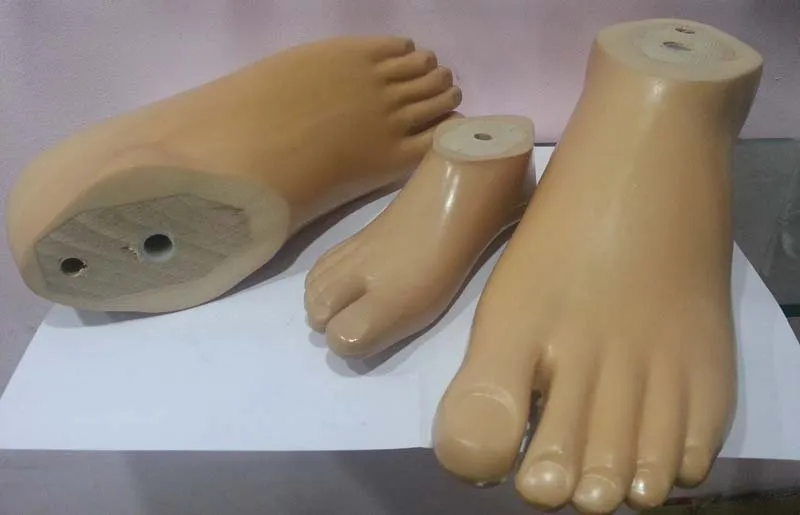
The SACH foot's design is deceptively simple, yet highly effective in achieving its intended purpose. It typically consists of three primary components:
- Internal Keel: The rigid structural core of the foot, extending from the ankle attachment point through the forefoot.
- Purpose: Provides structural integrity, supports body weight, and acts as a rigid lever during the push-off phase.
- Materials: Traditionally made of wood (e.g., willow, basswood), but modern versions often utilize high-density plastics, composite materials (fiberglass, carbon fiber), or combinations thereof for enhanced durability and lighter weight.
- Cushion Heel: A compressible, wedge-shaped material located posterior to the ankle attachment, forming the heel portion of the foot.
- Purpose: Absorbs impact forces at heel strike, simulating plantarflexion and providing a smooth transition to foot flat. Its compressibility allows for a controlled descent of the forefoot.
- Materials: Typically made of various densities of rubber, foam, or viscoelastic polymers. The density and stiffness of the cushion heel are crucial and can be customized based on patient weight and desired shock absorption.
- Cosmetic Cover (Foot Shell): An external, anatomically shaped shell that encases the internal components.
- Purpose: Provides a natural appearance, protects the internal keel and cushion heel, and allows for fitting into standard footwear.
- Materials: Usually made of lightweight, durable foam (e.g., polyurethane foam) with a skin-like outer layer, often molded to match the contralateral foot.
Table: SACH Foot Component Materials & Functions
| Component | Primary Materials | Key Function |
|---|---|---|
| Internal Keel | Wood, High-density Plastics, Composites | Structural support, rigid lever for push-off |
| Cushion Heel | Rubber, Foam, Viscoelastic Polymers | Shock absorption at heel strike, simulates plantarflexion |
| Cosmetic Cover | Polyurethane Foam, Skin-like outer layer | Aesthetic appeal, protection, footwear compatibility |
2.2. Biomechanics of the SACH Foot
The SACH foot functions by strategically utilizing the properties of its non-articulated design to facilitate a stable and relatively smooth gait cycle. Its biomechanical action is most evident during the early stance phase:
- Heel Strike (Initial Contact): As the heel of the prosthetic foot makes contact with the ground, the compressible cushion heel deforms. This deformation absorbs the initial impact forces, effectively cushioning the limb and providing a pseudo-plantarflexion effect. The amount of compression is directly related to the patient's weight and the stiffness of the heel material.
- Loading Response to Mid-Stance: As body weight shifts over the prosthetic limb, the cushion heel continues to compress, allowing the forefoot to gradually lower to the ground (foot flat). The rigid keel then provides a stable base of support for the remainder of the stance phase.
- Terminal Stance to Pre-Swing (Push-off): During the latter part of the stance phase, the rigid keel acts as a lever. As the body progresses forward, the patient rolls over the forefoot. Unlike dynamic feet, the SACH foot provides minimal to no energy return. The push-off is primarily achieved by the patient's hip and knee musculature, as the prosthetic foot simply acts as a rigid platform.
Biomechanical Implications:
- Stability: The fixed ankle design provides excellent mediolateral and anteroposterior stability, which is highly beneficial for new amputees or those with balance challenges.
- Limited Dynamic Response: The lack of true ankle articulation means the SACH foot cannot actively adapt to uneven terrain or provide dynamic energy return. This can lead to a less natural gait for higher-activity users.
- Proximal Joint Stress: Due to the absence of active ankle motion, forces that would normally be absorbed or dissipated by the ankle joint are transferred proximally to the knee, hip, and lumbar spine. Proper prosthetic alignment is crucial to mitigate these stresses.
- Gait Symmetry: While effective, the SACH foot may result in a slightly asymmetric gait pattern compared to the sound limb, particularly in terms of stride length and push-off power.
3. Extensive Clinical Indications & Usage
The SACH foot's unique properties make it suitable for a specific demographic within the amputee population. Its clinical application is guided by patient functional level, lifestyle, and rehabilitation goals.
3.1. Clinical Indications
The SACH foot is primarily indicated for:
- Transtibial Amputees (Below-Knee): The most common application, as it provides a stable and straightforward solution for weight-bearing and ambulation.
- Low to Moderate Activity Levels (K1 and K2 Functional Levels):
- K1 (Household Ambulator): Individuals who can ambulate on level surfaces at a fixed cadence. They are typically limited to household ambulation. The SACH foot provides the necessary stability and shock absorption for this level of activity.
- K2 (Community Ambulator): Individuals who can traverse low-level environmental barriers (e.g., curbs, stairs, uneven surfaces) and ambulate at variable cadences. The SACH foot can accommodate this, though its limitations become more apparent with increasing activity.
- Geriatric Patients: Often an excellent choice due to its inherent stability, low maintenance, and reduced complexity, which can be advantageous for older individuals with reduced balance or strength.
- New Amputees (Initial Prosthesis): Serves as an ideal "training foot" during the early stages of rehabilitation. Its predictability allows new amputees to focus on gait training and balance without the complexities of dynamic ankle features.
- Patients in Developing Countries: Its cost-effectiveness and durability make it a widely accessible and practical option in regions with limited resources.
- Patients Requiring High Stability: Individuals prioritizing stability over dynamic performance, such as those with balance deficits or a history of falls.
- Pediatric Applications: For growing children, its durability and relative simplicity can be beneficial, though custom modifications may be required to accommodate growth.
3.2. Fitting and Usage Instructions
Proper fitting and patient education are paramount to maximizing the benefits of a SACH foot. This process is meticulously managed by a certified prosthetist.
3.2.1. Prosthetic Alignment Principles
The prosthetist will perform a series of adjustments to ensure optimal alignment, which directly impacts comfort, gait efficiency, and long-term limb health. Key alignment considerations include:
- Heel Height Matching: The prosthetic foot's heel height must precisely match the patient's intended footwear to ensure the prosthetic limb is level with the sound limb. Discrepancies can lead to gait deviations and discomfort.
- Ankle Plantarflexion/Dorsiflexion Angle: While the SACH foot is fixed, the prosthetist sets a slight degree of "built-in" plantarflexion or dorsiflexion within the socket or pylon connection to optimize the roll-over shape and ensure smooth weight transfer.
- Inversion/Eversion: The foot must be aligned to prevent excessive inversion (foot turning inward) or eversion (foot turning outward), which can cause instability and pressure points in the socket.
- Prosthetic Limb Length: The overall length of the prosthetic limb must match the sound limb to prevent gait asymmetry, back pain, and undue stress on the contralateral limb.
- Socket Fit: The socket, which connects the residual limb to the prosthetic foot, must have an intimate and comfortable fit. Any issues here will directly impact the effectiveness and comfort of the SACH foot.
3.2.2. Patient Usage and Training
After initial fitting, patients undergo comprehensive gait training with a physical therapist and prosthetist:
- Donning and Doffing: Patients are taught proper techniques for putting on and taking off their prosthesis, ensuring correct residual limb positioning within the socket.
- Weight Bearing: Gradual increase in weight bearing on the prosthetic limb, focusing on even distribution.
- Gait Training: Learning to walk with the SACH foot, focusing on:
- Heel Strike: Initiating contact with the heel, allowing the cushion to compress.
- Foot Flat: Smooth transition to full foot contact.
- Mid-Stance: Maintaining balance over the prosthetic limb.
- Push-off: Rolling over the forefoot, utilizing hip and knee power.
- Cadence and Stride Length: Working towards a symmetrical and efficient walking pattern.
- Footwear Compatibility: Patients are advised to wear shoes with a consistent heel height. The SACH foot is designed to function optimally with standard shoe types.
- Environmental Awareness: Training on navigating various surfaces (level ground, slight inclines/declines, low obstacles) and understanding the limitations of the SACH foot on highly uneven terrain.
4. Risks, Side Effects, or Contraindications
While highly beneficial for many, the SACH foot is not without its limitations. Awareness of these is crucial for appropriate patient selection and management.
4.1. Risks and Potential Side Effects
- Gait Deviations: The fixed ankle can lead to a less natural and efficient gait compared to dynamic feet. Common deviations include:
- Vaulting: Lifting the sound limb to clear the prosthetic foot during swing phase.
- Circumduction: Swinging the prosthetic limb in an arc during swing phase.
- Uneven Step Length: Shorter step on the prosthetic side.
- Increased Proximal Joint Stress: The rigid ankle transmits more impact and torque to the knee, hip, and lumbar spine, potentially leading to degenerative changes or pain over time, especially if alignment is suboptimal.
- Skin Breakdown: Improper socket fit combined with the forces transmitted through the rigid foot can lead to shear forces and pressure points on the residual limb, causing skin irritation, blistering, or ulceration.
- Reduced Balance on Uneven Terrain: The fixed ankle cannot adapt to changes in ground angle, making walking on grass, gravel, or sloped surfaces more challenging and increasing the risk of falls.
- Lack of Energy Return: The absence of spring-like action means the patient expends more energy to ambulate, potentially leading to increased fatigue, particularly during longer distances or higher activity.
- Wear and Tear of Cushion Heel: Over time, the cushion heel can compress permanently or degrade, altering its shock-absorbing properties and affecting gait. This requires replacement of the foot.
- Cosmetic Shell Damage: The foam cover can be susceptible to nicks, tears, or staining, impacting the aesthetic appearance.
4.2. Contraindications
The SACH foot is generally contraindicated for:
- High-Activity Individuals (K3 and K4 Functional Levels):
- K3 (Variable Cadence Ambulator): Individuals who can ambulate with variable cadence, traverse most environmental barriers, and may engage in therapeutic exercise or light sports. They typically require dynamic response feet.
- K4 (High-Activity Ambulator): Individuals who can exceed basic ambulation skills, often engaging in high-impact, stress, or energy levels (e.g., competitive sports, running, active occupations). These patients benefit significantly from energy-storing or specialized sports feet.
- Patients Requiring Significant Shock Absorption or Energy Return: For activities like running, jumping, or prolonged walking, where energy return and dynamic adaptation are crucial for performance and fatigue reduction.
- Individuals Frequently Navigating Highly Uneven or Challenging Terrain: Professions or hobbies that involve extensive walking on rough, sloped, or unpredictable surfaces.
- Patients Whose Profession or Lifestyle Demands Dynamic Ankle Movement: For example, occupations requiring squatting, climbing ladders, or rapid changes in direction.
5. Maintenance & Sterilization Protocols
Proper care and maintenance are essential for the longevity, hygiene, and optimal function of the SACH foot. While "sterilization" is not typically applicable in the surgical sense, regular cleaning and inspection are vital.
5.1. Daily & Weekly Care
- Daily Cleaning (Cosmetic Cover):
- Wipe the outer cosmetic shell of the foot with a damp cloth and mild soap (e.g., dish soap or a gentle antiseptic cleanser).
- Ensure all soap residue is rinsed off.
- Dry thoroughly with a clean towel.
- Avoid abrasive cleaners or harsh chemicals, which can damage the foam or skin-like surface.
- Inspect for Damage: Daily or weekly, visually inspect the entire foot for:
- Cracks or tears in the cosmetic cover.
- Signs of excessive compression or degradation of the cushion heel.
- Loose or damaged fasteners where the foot attaches to the pylon.
- Unusual noises or instability during walking.
- Footwear Hygiene: Ensure shoes worn with the prosthesis are clean and in good repair. Dirty or damaged shoes can transfer debris to the foot shell and affect gait.
5.2. Professional Maintenance & Longevity
- Regular Prosthetist Check-ups: Schedule routine appointments (e.g., every 6-12 months, or as advised) with your prosthetist for professional inspection and alignment checks.
- The prosthetist will assess the integrity of the foot components, evaluate alignment, and make any necessary adjustments to optimize gait and comfort.
- They can identify early signs of wear that might not be obvious to the patient.
- Expected Lifespan: The typical lifespan of a SACH foot can range from 2 to 5 years, but this is highly variable and depends on several factors:
- Patient Activity Level: More active users will experience faster wear.
- Body Weight: Heavier individuals put more stress on the components.
- Environmental Conditions: Exposure to dirt, moisture, extreme temperatures, or harsh chemicals can accelerate degradation.
- Maintenance Adherence: Consistent cleaning and inspection prolongs life.
- Quality of Materials: Higher quality materials generally lead to longer durability.
- Replacement: A SACH foot needs to be replaced when:
- The cushion heel has lost its elasticity or compressed permanently, significantly altering its shock-absorbing function and gait.
- The internal keel is fractured, cracked, or showing signs of structural failure.
- The cosmetic cover is extensively damaged, compromising protection or aesthetics.
- The patient's functional needs change, requiring a more dynamic foot.
6. Patient Outcome Improvements
Despite its simplicity, the SACH foot significantly enhances the quality of life and functional independence for many amputees.
- Restored Mobility: The primary benefit is the restoration of the ability to walk and perform daily activities, which is fundamental to independence.
- Enhanced Stability: The fixed ankle provides a highly stable platform, crucial for balance, especially for new amputees, geriatric patients, or those with compromised balance. This reduces the fear of falling.
- Improved Safety: Predictable function and stability contribute to a safer walking experience, particularly on level ground.
- Comfort: With proper fitting and alignment, the SACH foot offers a comfortable walking experience, thanks to the shock-absorbing heel.
- Cost-Effectiveness and Accessibility: Its relatively low cost makes it accessible to a broader population, including those in regions with limited healthcare resources, ensuring that essential prosthetic care is not out of reach.
- Reduced Rehabilitation Time (Initial Prosthesis): For new amputees, the SACH foot's straightforward mechanics allow for a quicker learning curve during gait training, facilitating faster progression in rehabilitation.
- Cosmetic Acceptance: The anatomical shape and skin-like finish contribute to a natural appearance, which can significantly improve a patient's self-esteem and body image.
- Psychological Well-being: Regaining the ability to walk and participate in daily life activities can profoundly improve mental health, reduce feelings of isolation, and foster a sense of independence and self-efficacy.
7. Massive FAQ Section
Q1: What exactly is a SACH foot?
A1: A SACH (Solid Ankle Cushion Heel) foot is a type of prosthetic foot characterized by a rigid internal keel and a compressible cushion heel. It has no moving parts or articulating ankle, relying on the properties of its materials to provide shock absorption and a stable platform for walking.
Q2: Who is the SACH foot best suited for?
A2: The SACH foot is primarily designed for individuals with transtibial (below-knee) amputations who have low to moderate activity levels (K1 and K2 functional levels). It's an excellent choice for new amputees, geriatric patients, or those who prioritize stability and durability over dynamic performance.
Q3: How does the SACH foot work during walking?
A3: During heel strike, the compressible cushion heel absorbs impact and simulates natural plantarflexion, allowing for a smooth transition to foot flat. The rigid internal keel then provides a stable base for the rest of the stance phase. Unlike dynamic feet, it offers minimal energy return during push-off.
Q4: What are the main advantages of using a SACH foot?
A4: Advantages include excellent stability, durability, cost-effectiveness, low maintenance, effective shock absorption at heel strike, and a relatively natural cosmetic appearance. It's also ideal for initial prosthetic training.
Q5: Are there any disadvantages or limitations to the SACH foot?
A5: Yes, disadvantages include limited ankle motion, which can lead to a less natural gait for higher-activity users, increased stress on proximal joints (knee, hip), reduced balance on uneven terrain, and a lack of energy return, which can cause fatigue. It's not suitable for high-impact activities or sports.
Q6: How long can I expect my SACH foot to last?
A6: The lifespan of a SACH foot typically ranges from 2 to 5 years, depending on factors such as the patient's activity level, body weight, environmental exposure, and adherence to maintenance protocols. Regular check-ups with your prosthetist can help ensure its longevity.
Q7: Can I run or play sports with a SACH foot?
A7: Generally, no. The SACH foot is not designed for high-impact activities like running or competitive sports. Its fixed ankle and lack of energy return make it unsuitable for these activities, which require more dynamic prosthetic feet.
Q8: How do I clean and maintain my SACH foot?
A8: The cosmetic cover should be wiped daily or weekly with a damp cloth and mild soap, then thoroughly dried. Avoid harsh chemicals. Regularly inspect the foot for any signs of wear, cracks, or damage. Schedule routine check-ups with your prosthetist for professional inspection and alignment adjustments.
Q9: What is the difference between a SACH foot and an energy-storing foot?
A9: A SACH foot has a fixed ankle and a compressible heel, providing basic stability and shock absorption with minimal energy return. An energy-storing foot, often made of carbon fiber, is designed to deform and then release stored energy during the gait cycle, providing a spring-like push-off and a more dynamic, efficient gait, suitable for higher-activity users.
Q10: Is the SACH foot comfortable?
A10: With proper fitting and alignment by a certified prosthetist, the SACH foot can be very comfortable for its intended users. The cushion heel effectively absorbs impact, contributing to a smooth and comfortable walking experience on level surfaces.
Q11: Does the SACH foot come in different sizes or colors?
A11: Yes, SACH feet come in various sizes to match the patient's shoe size and often have different densities of cushion heel material to accommodate varying body weights. The cosmetic covers are typically available in several skin tone options to provide a natural appearance.
Q12: How often should I see my prosthetist for my SACH foot?
A12: It is recommended to see your prosthetist for routine check-ups at least once every 6 to 12 months, or sooner if you notice any changes in comfort, fit, gait, or if the foot shows signs of wear or damage. Regular professional assessment ensures optimal function and prevents potential issues.