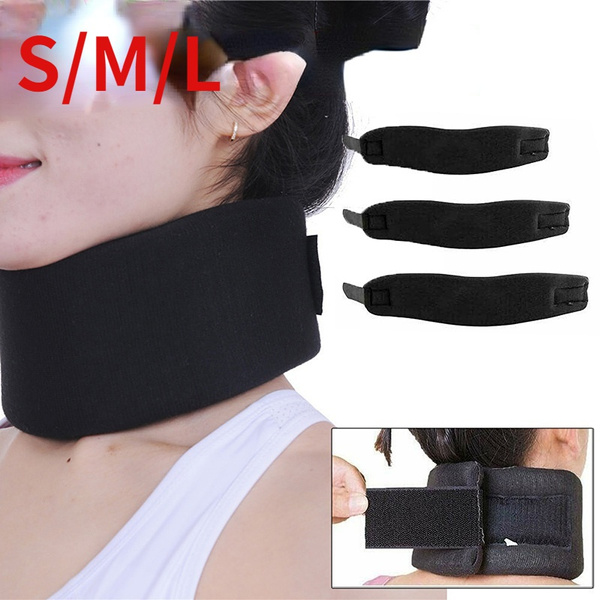
The Soft Foam Cervical Collar: An Expert's Comprehensive Guide to Neck Support and Recovery
As orthopedic specialists, we understand the critical role that proper support plays in cervical spine recovery and pain management. The soft foam cervical collar, often underestimated in its therapeutic value, is a fundamental tool in both clinical and home care settings. This comprehensive guide delves into every aspect of the soft foam cervical collar, offering authoritative insights for patients, caregivers, and healthcare professionals alike.
1. Introduction & Overview: Understanding the Soft Foam Cervical Collar
The soft foam cervical collar is a non-rigid orthopedic device designed to provide gentle support, warmth, and proprioceptive feedback to the cervical spine. Unlike its rigid counterparts, which aim for significant immobilization, the soft collar focuses on limiting gross neck movements, reducing muscle strain, and promoting a sense of comfort and security. It serves as a crucial component in the conservative management of various neck conditions and plays a supportive role in post-operative recovery.
Key Benefits of a Soft Foam Cervical Collar:
- Gentle Support: Provides a comfortable cradle for the head, reducing the load on cervical muscles.
- Pain Relief: Alleviates discomfort by limiting painful movements and offering warmth.
- Proprioceptive Feedback: Reminds the wearer to avoid sudden or extreme neck motions.
- Reduced Muscle Spasm: Helps relax overworked or spasming neck muscles.
- Enhanced Healing Environment: Promotes circulation and warmth, which can aid recovery.
- Psychological Comfort: Offers a sense of security and protection to the injured or recovering neck.
This guide will meticulously explore its design, clinical applications, proper usage, maintenance, and the biomechanical principles that underpin its effectiveness.
2. Deep-Dive into Technical Specifications & Mechanisms
Understanding the technical aspects of the soft foam cervical collar reveals why it's such an effective, yet gentle, therapeutic device.
2.1. Design and Materials
The construction of a soft foam cervical collar is optimized for comfort, support, and durability.
- Core Material:
- High-Density Polyurethane Foam: The most common material, offering a balance of softness and support. Its open-cell structure allows for some breathability.
- Polyethylene Foam: Sometimes used for a slightly firmer yet still flexible core.
- Memory Foam (less common): Offers custom contouring but can retain more heat.
- Outer Cover/Stockinette:
- Cotton: Breathable, soft, and hypoallergenic, making it ideal for direct skin contact.
- Cotton/Polyester Blends: Offers increased durability, wrinkle resistance, and moisture-wicking properties.
- Nylon/Spandex: Provides a smooth finish and elasticity for a snug fit.
- Key Feature: Often removable and washable for hygiene.
- Closure System:
- Hook-and-Loop Fasteners (Velcro®): Allows for adjustable sizing and easy application/removal. Typically located at the back or side of the neck.
- Contoured Shape:
- Chin Support: Elevated anterior portion to cradle the chin and prevent excessive flexion.
- Occipital Support: Tapered posterior section to support the base of the skull and limit extension.
- Anatomical Cutouts: Sometimes features cutouts around the ears for comfort and to prevent pressure points.
- Sizing: Available in various heights (e.g., 2", 3", 4") and circumferences to accommodate diverse patient anatomies.
2.2. Biomechanics and Mechanisms of Action
The soft foam cervical collar exerts its therapeutic effects through several biomechanical principles:
- Restriction of Gross Movement: While not providing rigid immobilization, the collar physically limits the range of motion in flexion, extension, lateral bending, and rotation. This prevents movements that could exacerbate pain or hinder healing. Studies show a reduction in cervical range of motion by approximately 10-20% in various planes.
- Head Weight Support: The collar helps bear a portion of the head's weight, reducing the continuous muscular effort required to keep the head upright. This offloading effect can significantly decrease muscle fatigue and spasm in the neck and shoulders.
- Proprioceptive Feedback: The constant tactile sensation of the collar against the skin serves as a proprioceptive reminder to the wearer. This encourages conscious awareness of neck posture and discourages sudden, uncontrolled movements.
- Warmth and Circulation: The insulating properties of the foam help retain body heat around the cervical region. This warmth can improve local blood flow, relax tense muscles, and potentially accelerate the healing process by delivering more oxygen and nutrients to the tissues.
- Reduced Muscle Spasm: By providing support and limiting painful movements, the collar helps break the pain-spasm cycle. Relaxed muscles are less likely to spasm, leading to further pain relief.
- Maintenance of Neutral Alignment: The contoured design gently encourages the cervical spine to maintain a more neutral, anatomical position, which is optimal for healing and pain reduction.
Table: Biomechanical Actions & Benefits
| Biomechanical Action | Primary Benefit |
|---|---|
| Limits Gross ROM | Prevents painful movements, protects injured tissues |
| Supports Head Weight | Reduces muscle fatigue and spasm |
| Proprioceptive Feedback | Promotes mindful movement, prevents re-injury |
| Provides Warmth | Increases blood flow, muscle relaxation |
| Encourages Neutral Spine | Optimizes healing posture |
3. Extensive Clinical Indications & Usage
The soft foam cervical collar is a versatile device with a broad spectrum of clinical applications, ranging from acute injury management to post-operative support.
3.1. Surgical or Clinical Applications
- Whiplash-Associated Disorders (WAD): Commonly prescribed in the acute phase of whiplash injuries (e.g., from motor vehicle accidents) to provide comfort, limit painful movements, and reduce muscle guarding.
- Cervical Sprains and Strains: For mild to moderate ligamentous or muscular injuries of the neck, offering support during the initial healing phase.
- Acute Torticollis: Helps to gently support the neck and reduce muscle spasm in cases of wry neck.
- Cervical Radiculopathy (Mild Cases): Can provide temporary comfort by slightly limiting movements that might irritate nerve roots.
- Osteoarthritis of the Cervical Spine (Cervical Spondylosis): During flare-ups or periods of increased pain, the collar can provide warmth, support, and reduce mechanical stress on degenerated joints.
- Degenerative Disc Disease (DDD): Similar to osteoarthritis, it offers comfort and support during exacerbations of discogenic pain.
- Post-Operative Support (Minor Procedures):
- Cervical Discectomy (ACDF): Often used as a transition from a rigid collar or as primary support for less invasive procedures to provide comfort and proprioceptive feedback, particularly in cases with stable internal fixation.
- Cervical Laminectomy/Laminoplasty: May be used to provide gentle support and remind patients to limit excessive movement during the early recovery phase.
- Minimally Invasive Spine Surgery (MISS): For procedures where extensive immobilization is not required but some support and comfort are beneficial.
- Muscle Spasms and Tension Headaches: By relaxing neck muscles and reducing strain, it can alleviate symptoms.
- General Neck Pain and Stiffness: For non-specific neck pain, especially when aggravated by movement or prolonged static postures (e.g., long drives, computer work).
- Postural Support: Can be used intermittently to support the neck during prolonged travel or activities that might strain the neck.
3.2. Fitting and Usage Instructions
Proper fitting and usage are paramount for the efficacy and comfort of the soft foam cervical collar.
-
Measurement:
- Height: Measure the distance from the top of the sternal notch (U-shaped dip at the base of the neck) to the bottom of the chin, with the head in a neutral position.
- Circumference: Measure the circumference of the neck at its widest point.
- Note: Collars come in specific height and circumference ranges. Always consult the manufacturer's sizing chart.
-
Application:
- Position the collar centrally around the neck.
- Ensure the chin rests comfortably in the contoured anterior portion.
- Wrap the collar snugly but not tightly. The hook-and-loop fastener should meet without excessive tension or gaping.
- There should be enough space to comfortably insert one or two fingers between the collar and the neck at the back.
- The head should be supported in a neutral position, not forced into flexion or extension.
-
Duration of Use:
- Always follow your healthcare provider's specific instructions.
- Acute Injuries: Often used intermittently for comfort and support for a few days to weeks.
- Post-Operative: May be prescribed for a specific duration, often transitioning from continuous to intermittent use.
- Chronic Conditions: May be used during flare-ups or for specific activities that exacerbate pain.
- Caution: Prolonged, continuous use without medical guidance can lead to muscle weakness and dependence.
-
Activities While Wearing:
- Avoid strenuous activities or heavy lifting.
- Gentle, prescribed exercises (e.g., shoulder shrugs, arm movements) may be performed as advised by a physical therapist.
- Driving may be restricted due to limited head rotation – consult your physician and local traffic laws.
-
Sleeping with the Collar:
- Many patients find sleeping with the collar comfortable, especially in the acute phase of an injury, as it prevents sudden movements during sleep.
- Use a supportive pillow that maintains neutral spine alignment.
3.3. Patient Outcome Improvements
The judicious use of soft foam cervical collars can lead to several positive patient outcomes:
- Reduced Pain Intensity: By limiting movement and providing support, pain levels are often significantly decreased.
- Improved Sleep Quality: Less pain and a sense of security can lead to more restful sleep.
- Faster Return to Daily Activities (ADLs): Comfort and support allow patients to perform necessary daily tasks with less discomfort.
- Enhanced Patient Comfort and Compliance: The non-restrictive nature of the soft collar often leads to better patient adherence compared to rigid braces.
- Reduced Anxiety: Patients often feel more secure and less anxious about accidental painful movements.
- Support for Proper Healing: Creates an optimal environment for soft tissue repair.
4. Maintenance & Sterilization Protocols
Proper care of your soft foam cervical collar is essential for hygiene, longevity, and to prevent skin irritation.
- Cleaning Frequency:
- Daily, if worn continuously.
- Every 2-3 days, if worn intermittently.
- Immediately if soiled.
- Washing Instructions:
- Remove Cover (if applicable): If your collar has a removable fabric cover, detach it.
- Hand Wash: Use mild soap (e.g., baby shampoo, gentle laundry detergent) and lukewarm or cold water.
- Gently Squeeze: Do not wring or twist the foam, as this can damage its structure. Gently squeeze out excess water.
- Air Dry: Lay flat on a clean towel or hang to air dry completely. Avoid direct sunlight or heat sources (radiators, dryers), which can degrade the foam.
- Reattach Cover: Once both the foam and cover are completely dry, reassemble.
- Inspection:
- Regularly check for signs of wear and tear, such as fraying fabric, loss of foam integrity, or weakened hook-and-loop fasteners.
- If the collar loses its shape, becomes flattened, or no longer provides adequate support, it's time for replacement.
- Hygiene Considerations:
- Keep the skin under the collar clean and dry to prevent irritation or rashes.
- Avoid applying lotions or creams directly under the collar unless advised by a physician, as they can degrade the material and trap moisture.
5. Risks, Side Effects, or Contraindications
While generally safe and beneficial, soft foam cervical collars are not without potential risks or contraindications.
5.1. Risks and Side Effects
- Skin Irritation/Pressure Sores: Especially with prolonged use, improper fit (too tight), or inadequate hygiene.
- Muscle Weakness/Atrophy: Over-reliance on the collar can lead to disuse atrophy of cervical muscles, making the neck weaker and potentially increasing long-term dependence.
- Increased Stiffness: If worn excessively without concurrent physical therapy or movement, the neck can become stiffer.
- Psychological Dependence: Some patients may develop a reliance on the collar, hindering their transition back to independent neck function.
- Heat Retention: The foam can trap heat, which may be uncomfortable for some, especially in warm climates.
- Impaired Respiration: If fitted too tightly, particularly in individuals with pre-existing respiratory issues, it can restrict breathing.
- Limited Field of Vision: The collar can slightly obstruct peripheral vision, which is a consideration for activities like driving.
5.2. Contraindications
- Unstable Cervical Fractures: Soft collars offer insufficient immobilization for unstable fractures and can worsen the injury. Rigid collars or surgical intervention are required.
- Severe Ligamentous Instability: Conditions like severe rheumatoid arthritis with atlantoaxial instability require rigid bracing or surgical stabilization.
- Conditions Requiring Rigid Immobilization: Any condition where significant spinal stability is compromised (e.g., severe spinal cord injury, post-fusion where strict immobilization is critical).
- Allergies to Materials: Rarely, individuals may have allergies to the foam or fabric components.
- Acute Respiratory Distress: If the collar exacerbates breathing difficulties.
Always consult with a healthcare professional before using a cervical collar, particularly after a traumatic injury or for severe pain.
6. Massive FAQ Section
Here are frequently asked questions about soft foam cervical collars, answered by an orthopedic specialist:
Q1: What is a soft foam cervical collar primarily used for?
A1: A soft foam cervical collar is primarily used to provide gentle support, warmth, and proprioceptive feedback to the neck. It helps reduce muscle strain, limit painful movements, alleviate muscle spasms, and promote comfort during recovery from conditions like whiplash, sprains, strains, or mild post-operative recovery.
Q2: How does a soft foam cervical collar differ from a hard cervical collar?
A2: The main difference lies in the level of immobilization. A soft foam collar offers gentle support and limits gross movements but allows some flexibility. A hard (rigid) cervical collar, such as a Miami J or Philadelphia collar, is designed for significant immobilization, restricting nearly all neck movement to stabilize severe injuries, fractures, or post-surgical fusions.
Q3: How do I choose the right size soft foam cervical collar?
A3: To choose the right size, you need to measure your neck's height and circumference. For height, measure from the sternal notch (base of the neck) to the bottom of your chin while looking straight ahead. For circumference, measure around the middle of your neck. Compare these measurements to the manufacturer's sizing chart. A properly fitted collar should support your chin comfortably without forcing your head into an awkward position, and it should be snug but not tight.
Q4: How long should I wear my soft foam cervical collar?
A4: The duration of wear should always be determined by your healthcare provider. For acute injuries, it might be a few days to a couple of weeks, often intermittently. For post-operative care, specific instructions will be given. Prolonged, continuous use without medical guidance is generally discouraged as it can lead to muscle weakness and dependence.
Q5: Can I sleep with my soft foam cervical collar on?
A5: Yes, many individuals find sleeping with a soft foam cervical collar comfortable, especially in the acute phase of an injury. It helps prevent sudden, painful movements during sleep and maintains a more neutral spinal alignment. Ensure your pillow supports your head and neck effectively while wearing the collar.
Q6: How do I clean my soft foam cervical collar?
A6: Most soft foam cervical collars can be hand-washed. Remove any detachable fabric covers first. Use mild soap (like baby shampoo) and lukewarm water. Gently squeeze out excess water, but do not wring or twist. Air dry completely on a flat surface or hung, away from direct heat or sunlight, which can damage the foam. Clean regularly to maintain hygiene and prevent skin irritation.
Q7: Can a soft foam collar worsen my neck pain?
A7: If worn incorrectly (too tight or too loose), or for too long without medical guidance, a soft foam collar can potentially worsen pain or lead to other issues. A collar that is too tight can cause pressure, while one that is too loose won't provide adequate support. Overuse can lead to muscle weakness and stiffness. Always ensure proper fit and follow your doctor's recommendations for duration of use.
Q8: Is it okay to drive while wearing a soft foam cervical collar?
A8: Driving while wearing a soft foam cervical collar is generally not recommended. Even a soft collar can limit your ability to turn your head sufficiently to check blind spots or react quickly to traffic situations, posing a safety risk. Always consult your physician and be aware of your local traffic laws regarding driving with medical devices that impair movement.
Q9: What are the signs that my collar is too tight or too loose?
A9:
* Too Tight: You might experience difficulty breathing, skin redness, irritation, numbness, tingling, or increased pressure around the neck. There should be space for one or two fingers to comfortably slide between the collar and your neck at the back.
* Too Loose: The collar will slide around, not provide adequate support to your chin, and your head will still be able to move excessively. It won't effectively limit motion or support your head weight.
Q10: Can I wear a soft foam cervical collar for chronic neck pain?
A10: For chronic neck pain, a soft foam cervical collar is typically used intermittently during flare-ups or for specific activities that exacerbate pain. It's not usually recommended for continuous long-term use for chronic conditions, as this can lead to muscle weakening and dependence. Physical therapy, exercise, and addressing the root cause of chronic pain are often more effective long-term strategies.
Q11: Are there any exercises I should do while wearing a soft foam collar?
A11: Your physical therapist or doctor may recommend gentle exercises, such as shoulder shrugs, arm movements, or jaw exercises, even while wearing the collar, to prevent stiffness in other areas. However, specific neck exercises are usually deferred until the collar is removed or its use is significantly reduced, under professional guidance, to avoid re-injury.
Q12: When should I transition from a soft collar to no collar?
A12: The transition from a soft collar to no collar should always be guided by your healthcare provider. This transition typically occurs gradually as your pain decreases, range of motion improves, and muscle strength returns. Your doctor or physical therapist will assess your progress and advise on a safe weaning schedule, often starting with intermittent use before complete discontinuation.