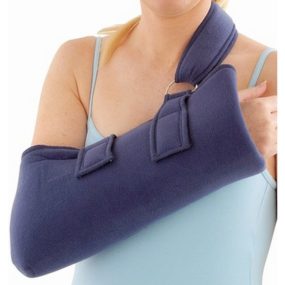
The Simple Shoulder Sling (UltraSling): An Orthopedic Essential for Healing and Recovery
Comprehensive Introduction & Overview
The shoulder joint, a marvel of biomechanical engineering, offers an unparalleled range of motion. However, this flexibility comes at the cost of inherent instability, making it susceptible to a variety of injuries, from acute trauma to degenerative conditions. In the intricate journey of orthopedic recovery, effective immobilization and support are paramount. Enter the Simple Shoulder Sling (UltraSling) – a cornerstone in non-operative and post-operative management of shoulder pathologies.
More than just a passive arm support, the UltraSling is a meticulously engineered orthopedic assisted device designed to provide controlled immobilization, pain relief, and an optimal healing environment. It plays a critical role in protecting the injured or surgically repaired shoulder, preventing unwanted movements that could compromise healing, and facilitating a smooth transition into rehabilitation. This comprehensive guide, penned by an expert Medical SEO Copywriter and Orthopedic Specialist, delves into every facet of the UltraSling, from its sophisticated design to its profound impact on patient outcomes.
Deep-Dive into Technical Specifications & Mechanisms
The efficacy of the UltraSling lies in its intelligent design and the strategic application of biomechanical principles. It is engineered not merely to hold the arm, but to position the shoulder in a specific, therapeutic posture that promotes healing and minimizes stress on delicate structures.
Design and Materials
The UltraSling typically comprises several key components, each chosen for its specific properties:
- Arm Sling Pouch:
- Material: Often constructed from breathable, moisture-wicking fabrics such as laminated foam, soft mesh, or a combination thereof. These materials prevent skin irritation, reduce heat buildup, and enhance patient comfort, especially during prolonged wear.
- Features: Contoured design to cradle the forearm and elbow comfortably, often featuring an integrated thumb loop to prevent wrist drop and maintain the hand in a neutral, functional position.
- Abduction Pillow (for UltraSling II/III variants):
- Material: Typically a firm, yet lightweight foam core, often covered with a soft, breathable fabric.
- Purpose: This crucial component positions the arm in 10-15 degrees of abduction (away from the body) and slight external rotation. This specific positioning is critical for certain repairs, as discussed under Biomechanics.
- Attachment: Securely attaches to the arm sling pouch via hook-and-loop fasteners, allowing for easy removal when not required or for hygiene.
- Shoulder Strap:
- Material: Padded, wide straps made from durable, skin-friendly fabrics to distribute weight evenly across the shoulder and neck, preventing pressure points and discomfort.
- Adjustability: Features robust buckles and hook-and-loop closures for precise length adjustment, accommodating various body types and ensuring a snug, secure fit.
- Waist Strap:
- Material: A wide, comfortable strap, often padded, encircling the torso.
- Purpose: Anchors the abduction pillow and arm sling securely against the body, preventing unwanted movement and ensuring the shoulder remains in the prescribed position. Also features quick-release buckles for ease of donning and doffing.
Biomechanics of Shoulder Immobilization
The UltraSling's design is a direct application of orthopedic biomechanics, aiming to create an optimal environment for tissue repair and pain management:
- Immobilization: The primary biomechanical function is to restrict movement at the glenohumeral (shoulder) joint, acromioclavicular (AC) joint, and scapulothoracic articulation. This prevents disruptive forces from acting on injured ligaments, tendons, or bony structures.
- Weight Distribution: The sling effectively transfers the weight of the arm from the shoulder muscles and joint capsule to the torso via the shoulder and waist straps. This significantly reduces gravitational stress on healing tissues, thereby decreasing pain and muscle spasm.
- Controlled Abduction (with Abduction Pillow):
- Rotator Cuff Repair: Positioning the arm in slight abduction slackens the supraspinatus tendon, a common site of repair. This reduces tension at the repair site, protecting the sutured tendon from excessive strain and promoting robust healing. It also helps prevent adhesion formation.
- Labral Repair: For procedures like SLAP or Bankart repairs, abduction and slight external rotation can help reduce stress on the anterior-inferior labrum, contributing to better healing and reduced risk of re-dislocation.
- Capsular Shift Procedures: Maintains the joint capsule in a specific position to optimize tightening and healing.
- Prevention of Internal Rotation: The abduction pillow often positions the arm in slight external rotation, which can be beneficial in preventing internal rotation contractures and maintaining capsular length after certain procedures.
- Protection from External Forces: By encasing the arm and securing it to the body, the UltraSling acts as a physical barrier, protecting the injured shoulder from accidental bumps, knocks, or sudden movements that could re-injure the area.
Extensive Clinical Indications & Usage
The UltraSling is a versatile tool in the orthopedic arsenal, indicated for a broad spectrum of conditions requiring shoulder immobilization and support.
Detailed Surgical and Clinical Applications
| Clinical Application | Specific Conditions/Procedures | Rationale for UltraSling Use |
|---|---|---|
| Rotator Cuff Repair | Arthroscopic or Open Repair of Supraspinatus, Infraspinatus, Subscapularis, Teres Minor Tendons | Post-operative immobilization for 4-8 weeks (or longer). The abduction pillow is crucial here to reduce tension on the repair site, especially the supraspinatus tendon, promoting tendon-to-bone healing and preventing re-tear. |
| Shoulder Instability/Dislocation | Post-reduction immobilization of acute shoulder dislocation; Bankart repair; Capsular shift/plication; Remplissage procedure | Immobilization for 3-6 weeks post-reduction to allow capsular and ligamentous healing. Post-surgical use stabilizes the joint, protects labral repairs, and allows the capsule to heal in a shortened position, reducing the risk of recurrence. Abduction/external rotation may be avoided for anterior instability. |
| Labral Repairs | SLAP (Superior Labrum Anterior Posterior) repair; Bankart repair | Post-operative protection of the labral anchor. The sling prevents excessive traction on the biceps tendon (for SLAP) and stabilizes the anterior capsule (for Bankart), crucial for re-attachment and healing. |
| Proximal Humerus Fractures | Non-displaced or minimally displaced fractures of the humeral head or neck | Conservative management to maintain fracture alignment and promote bone healing. The sling supports the arm's weight, reducing muscle spasm and pain, and prevents rotational forces at the fracture site. |
| Acromioclavicular (AC) Joint Separation | Grade I, II, III AC joint injuries (conservative management) | Provides support and reduces gravitational pull on the arm, thereby minimizing stress on the injured AC ligaments and reducing pain during the acute healing phase. |
| Biceps Tenodesis/Tenotomy | Post-operative protection following biceps tendon procedures | Immobilizes the arm to protect the biceps tendon repair or transfer site, preventing early active contraction that could disrupt healing. |
| General Post-Operative Immobilization | Following various arthroscopic or open shoulder procedures, e.g., debridement, distal clavicle excision | Provides comfort, pain relief, and protection during the initial healing phase, allowing for soft tissue recovery and inflammation reduction. |
| Acute Sprains and Strains | Severe deltoid or rotator cuff strains, shoulder contusions | Reduces movement and provides rest to acutely injured soft tissues, aiding in pain management and facilitating the initial inflammatory and repair phases. |
Patient Outcome Improvements
The judicious use of the UltraSling significantly contributes to superior patient outcomes:
- Optimized Healing Environment: By precisely positioning and immobilizing the shoulder, the UltraSling creates the ideal biomechanical conditions for tendons, ligaments, and bones to heal without disruption.
- Reduced Pain and Inflammation: Support from the sling alleviates gravitational pull on the injured tissues, leading to decreased muscle spasm, reduced pain, and less inflammation, allowing patients to manage their discomfort more effectively.
- Prevention of Re-injury: The physical barrier and immobilization prevent accidental movements or impacts that could re-injure the healing structures, safeguarding the surgical repair or natural healing process.
- Enhanced Patient Compliance: A comfortable and well-fitted sling encourages patients to wear it for the prescribed duration, which is critical for adherence to post-operative protocols and achieving desired outcomes.
- Facilitation of Early, Controlled Rehabilitation: While immobilizing, the UltraSling often allows for passive range of motion exercises (e.g., pendulum exercises) or gentle elbow/wrist movements as directed by a therapist, preventing excessive stiffness without compromising the primary repair.
- Psychological Comfort and Security: Knowing the injured shoulder is protected provides patients with a sense of security, reducing anxiety and allowing them to focus on recovery.
Fitting & Usage Instructions
Proper fitting and consistent usage are paramount for the UltraSling's effectiveness. Always follow your surgeon's or therapist's specific instructions.
Step-by-Step Fitting Guide
- Prepare the Sling: Lay the sling flat. If using an abduction pillow, ensure it is securely attached to the sling pouch via hook-and-loop fasteners, with the wider end of the pillow positioned towards the elbow.
- Position the Arm: Gently place the injured arm into the sling pouch. Ensure the elbow is fully seated at the back of the pouch and the wrist is supported, with the hand extending slightly beyond the opening. The thumb loop (if present) should comfortably cradle the thumb to prevent wrist drop.
- Attach the Waist Strap: Wrap the waist strap around your torso, just above the hips, and secure it with the buckle. Adjust the strap so the abduction pillow rests snugly against your side, slightly in front of your hip. The arm should be positioned comfortably away from your body at the prescribed angle (typically 10-15 degrees abduction).
- Adjust the Shoulder Strap: Place the padded shoulder strap over the opposite shoulder. Thread it through the buckle on the sling pouch and adjust the length so that the elbow is at a 90-degree angle (or as prescribed) and the wrist is slightly elevated above the elbow. The arm should feel supported and comfortable, not hanging down.
- Final Checks:
- Ensure the arm is fully supported within the pouch.
- Check that the thumb is in the thumb loop (if applicable).
- Confirm the elbow is at the correct angle (usually 90 degrees).
- Verify the abduction pillow is firmly against your side.
- Ensure all straps are snug but not overly tight, allowing for good circulation. You should be able to comfortably fit two fingers under the shoulder strap.
Usage Tips for Daily Living
- Sleeping: Many find it most comfortable to sleep in a semi-reclined position (e.g., in a recliner or propped up with pillows in bed) to prevent rolling onto the injured shoulder. Keep the sling on as instructed.
- Dressing: Wear loose-fitting clothing. Dress the injured arm first, then the uninjured arm. Undress the uninjured arm first.
- Showering/Bathing: Follow your surgeon's instructions. You may be allowed to remove the sling for showering after a certain period, keeping the arm still against your body. Protect surgical incisions from water as advised.
- Activities: Avoid reaching, lifting, pushing, or pulling with the injured arm. Do not participate in sports or strenuous activities unless cleared by your doctor.
- Circulation Checks: Periodically check your fingers for warmth, color, and sensation. Wiggle your fingers frequently to promote circulation. Report any numbness, tingling, or excessive swelling to your doctor.
Maintenance & Sterilization Protocols
Proper care of your UltraSling ensures its longevity, hygiene, and continued effectiveness.
Cleaning and Care
- Hand Washing Recommended: Most slings are designed for hand washing. Fill a basin with cool or lukewarm water and add a mild detergent (e.g., gentle laundry soap).
- Gentle Cleaning: Immerse the sling (and abduction pillow, if removable) and gently agitate the water. You can lightly scrub any soiled areas. Avoid harsh chemicals or bleach.
- Rinsing: Rinse thoroughly under cool running water until all soap residue is gone.
- Air Dry ONLY: Gently squeeze out excess water (do not wring). Lay the sling flat on a clean towel or hang it to air dry completely. Do NOT put it in a dryer, as high heat can damage the materials, elastic, and hook-and-loop fasteners.
- Frequency: Clean the sling as needed, typically once a week or more frequently if it becomes soiled or sweaty.
- Skin Hygiene: While wearing the sling, it's crucial to maintain skin hygiene under the sling, especially in warm climates. Gently wash and dry the skin daily, checking for any signs of irritation or pressure sores.
Do's and Don'ts
- DO: Hand wash with mild detergent.
- DO: Air dry completely before re-wearing.
- DO: Check for wear and tear; report any damage to your healthcare provider.
- DON'T: Machine wash or dry (unless specifically instructed by the manufacturer).
- DON'T: Use bleach or harsh cleaners.
- DON'T: Modify the sling yourself.
- DON'T: Wear a damp sling, as this can lead to skin irritation.
Risks, Side Effects, or Contraindications
While generally safe and highly beneficial, the UltraSling, like any medical device, carries potential risks and requires careful monitoring.
Potential Risks and Side Effects
- Skin Irritation/Pressure Sores: Prolonged contact with the sling materials, especially if not cleaned regularly or if straps are too tight, can cause chafing, redness, or pressure sores. Regular skin checks are essential.
- Stiffness (Frozen Shoulder): While immobilization is necessary, prolonged or excessive immobilization without appropriate rehabilitation can lead to shoulder stiffness or adhesive capsulitis (frozen shoulder). This is why a phased rehabilitation plan is crucial.
- Nerve Compression: Improperly adjusted straps, particularly the shoulder strap, can potentially compress nerves (e.g., brachial plexus) in the neck or shoulder, leading to numbness, tingling, or weakness in the arm or hand.
- Swelling in the Hand/Fingers: Reduced arm movement can sometimes lead to dependent edema (swelling) in the hand and fingers. Regular finger wiggles and elevating the hand slightly can help.
- Discomfort: While designed for comfort, initial discomfort or minor aches can occur as the body adjusts to the immobilized position. Persistent or severe pain should be reported.
- Muscle Atrophy: Disuse of the arm muscles will lead to some degree of muscle wasting, which is reversible with rehabilitation.
Contraindications
Absolute contraindications for the UltraSling are rare but include:
- Certain Fracture Patterns: Some complex or unstable fractures of the humerus or shoulder girdle may require different forms of immobilization (e.g., surgical fixation, specialized braces) that cannot be adequately managed by a simple sling.
- Severe Neurovascular Compromise: In cases where the arm's blood supply or nerve function is already severely compromised, a sling might worsen the condition by further restricting blood flow or creating pressure.
- Infections: Open wounds or active infections under the sling area may require alternative management to prevent exacerbation.
- Allergy to Materials: Though rare, an allergic reaction to the sling's materials would necessitate discontinuation.
Always use the UltraSling under the guidance of a healthcare professional. Any new or worsening symptoms should be reported immediately.
Massive FAQ Section
Here are frequently asked questions regarding the Simple Shoulder Sling (UltraSling):
1. How long do I need to wear the UltraSling?
The duration of sling wear is highly specific to your injury or surgical procedure and your surgeon's protocol. It can range from a few days for minor sprains to 6-8 weeks or even longer for complex rotator cuff repairs or fracture healing. Always follow your doctor's exact instructions.
2. Can I take the UltraSling off to shower or for personal hygiene?
Your surgeon will provide specific instructions. In many cases, after the initial post-operative period (e.g., 1-2 weeks), you may be permitted to carefully remove the sling for showering. When doing so, keep your injured arm tucked against your body and avoid any active movement. Protect any surgical incisions from water as advised.
3. How do I sleep with the UltraSling on?
Many patients find sleeping in a semi-reclined position (e.g., in a recliner, or propped up with pillows in bed) to be most comfortable, as it prevents rolling onto the injured shoulder. You should wear the sling as instructed by your doctor, even while sleeping, unless otherwise specified.
4. How do I clean my UltraSling?
Most UltraSlings should be hand washed in cool or lukewarm water with a mild detergent. Rinse thoroughly and air dry completely. Do not machine wash, bleach, or put in a dryer, as this can damage the materials and elastic components.
5. What should I do if my hand or fingers swell while wearing the sling?
Mild swelling in the hand or fingers can be common due to reduced movement. Try wiggling your fingers frequently and elevating your hand slightly (e.g., by propping it on a pillow when resting). If the swelling is severe, painful, or accompanied by numbness, tingling, or coldness, contact your doctor immediately.
6. Can I drive while wearing the UltraSling?
Generally, no. Driving while wearing a shoulder sling is usually not recommended and often legally prohibited. The sling restricts your arm's movement and reaction time, making it unsafe to operate a vehicle. Only resume driving when your doctor clears you to do so, and you feel confident in your ability to control the vehicle safely.
7. Is it normal to feel some discomfort or tightness with the sling?
Some initial discomfort or a feeling of tightness is common as you adjust to wearing the sling and as your body heals. However, the sling should not cause severe pain, persistent numbness, tingling, or intense pressure. If you experience these symptoms, re-check the sling's fit or contact your healthcare provider.
8. When can I start moving my arm out of the sling?
Movement protocols are highly individualized. Your surgeon or physical therapist will guide you through a phased rehabilitation program. This might start with passive range of motion (where a therapist moves your arm) or gentle pendulum exercises, gradually progressing to active movements. Never initiate movement without professional guidance.
9. What is the purpose of the abduction pillow?
The abduction pillow, often included with the UltraSling, positions your arm slightly away from your body (abduction) and often in slight external rotation. This specific position is critical for certain repairs, particularly rotator cuff repairs, as it reduces tension on the healing tendons, promoting better healing and reducing the risk of re-injury.
10. How do I know if my UltraSling is fitted correctly?
A correctly fitted UltraSling should:
* Support your entire forearm, with your elbow fully seated in the back of the pouch.
* Position your elbow at approximately a 90-degree angle.
* Keep your wrist slightly elevated above your elbow.
* Have the abduction pillow (if used) snug against your side.
* Feel secure but not overly tight, allowing comfortable breathing and circulation.
* Have a thumb loop (if present) comfortably cradling your thumb to prevent wrist drop.
If unsure, ask your doctor or physical therapist to check the fit.
11. Can I wear clothes over my UltraSling?
Yes, you can wear loose-fitting clothing over your sling. It's often easier to put on a larger shirt or jacket over the sling. Dress the injured arm first, then the uninjured arm.
12. What are the signs of a problem with my sling or arm that I should report to my doctor?
Immediately contact your doctor if you experience:
* Severe or worsening pain.
* New or increased numbness, tingling, or weakness in your arm or hand.
* Fingers turning blue, white, or becoming unusually cold.
* Excessive or rapidly increasing swelling in your hand or arm.
* Signs of infection around a surgical incision (redness, warmth, pus, fever).
* Skin irritation, blisters, or pressure sores under the sling.
* The sling becoming damaged or no longer providing adequate support.