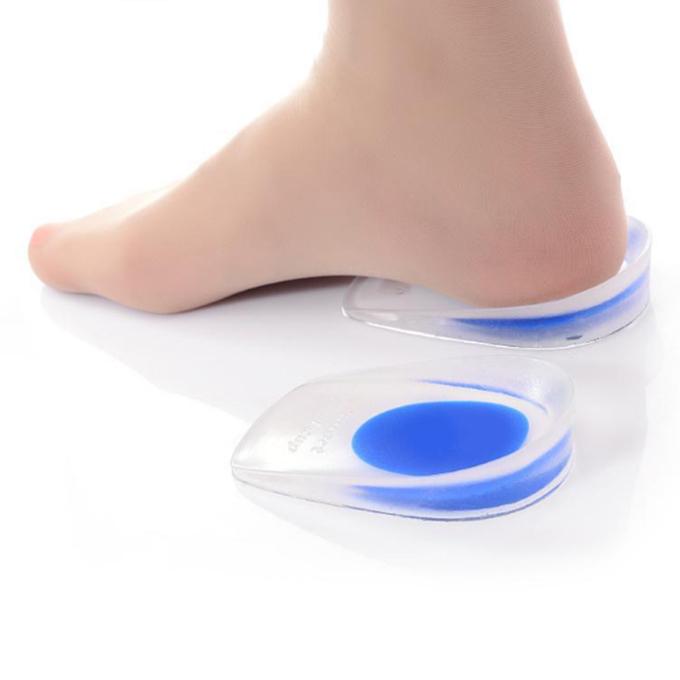
Silicone Heel Cups: An Orthopedic Specialist's Definitive Guide to Heel Pain Relief
Comprehensive Introduction & Overview
Silicone heel cups represent a cornerstone in the conservative management of various foot and ankle pathologies, particularly those affecting the heel. As an expert medical SEO copywriter and orthopedic specialist, I can attest to their profound impact on patient comfort and mobility. These seemingly simple devices are engineered with sophisticated biomechanical principles to provide targeted cushioning, shock absorption, and support to the calcaneus (heel bone) and surrounding soft tissues. They serve as a non-invasive, highly effective solution for alleviating pain, reducing inflammation, and promoting healing in a multitude of conditions, from chronic plantar fasciitis to athletic overuse injuries.
Often recommended as a first-line intervention, silicone heel cups are designed to integrate seamlessly into daily footwear, offering continuous therapeutic benefits throughout a patient's activities. Their widespread acceptance stems from their ease of use, durability, and most importantly, their demonstrable efficacy in improving patient outcomes by addressing the root causes of heel pain through optimized pressure distribution and impact mitigation. This comprehensive guide will delve into every facet of silicone heel cups, from their intricate design and biomechanical functions to their extensive clinical applications, fitting protocols, and maintenance.
Deep-Dive into Technical Specifications & Mechanisms
Design and Materials: The Engineering Behind Comfort
The efficacy of silicone heel cups is deeply rooted in their meticulously engineered design and the unique properties of their primary material: medical-grade silicone.
Material Properties: Medical-Grade Silicone
- Viscoelasticity: This property allows silicone to deform under pressure (absorbing shock) and then slowly return to its original shape, providing sustained cushioning without bottoming out. This differs from foams, which compress and lose their supportive qualities over time.
- Durability: Medical-grade silicone is remarkably resilient to wear and tear, maintaining its structural integrity and therapeutic benefits over extended periods of use.
- Hypoallergenic: It is non-toxic, non-irritating, and latex-free, making it suitable for most skin types, minimizing the risk of allergic reactions.
- Non-compressible: Unlike many other cushioning materials, silicone resists permanent compression, ensuring consistent support and shock absorption.
- Temperature Stability: Silicone retains its properties across a wide range of temperatures, making it effective in various climates and conditions.
- Easy to Clean: Its non-porous surface prevents bacterial growth and allows for simple cleaning.
Design Features
- Shape and Contour: Most heel cups are anatomically contoured to cradle the heel, providing stability and aligning the calcaneus. Some feature a U-shaped design to offload pressure from the central heel, particularly beneficial for heel spurs.
- Dual-Density Zones: Many advanced designs incorporate areas of varying silicone densities. Typically, a softer, colored insert (often blue or red) is strategically placed under the most painful area (e.g., the central heel for plantar fasciitis, or the posterior aspect for Achilles issues) to provide enhanced cushioning and pressure relief.
- Peripheral Support: The firmer edges of the heel cup provide stability and prevent the heel from rolling excessively, offering subtle pronation or supination control.
- Raised Edges: These edges help contain the heel's fat pad, preventing it from splaying out and maximizing its natural cushioning effect.
Biomechanics: How Silicone Heel Cups Optimize Foot Function
The therapeutic action of silicone heel cups is fundamentally biomechanical, influencing how forces are transmitted through the foot during gait.
Shock Absorption
- Impact Force Attenuation: During the heel strike phase of gait, significant impact forces are generated. Silicone's viscoelastic nature absorbs and dissipates these forces, preventing them from traveling up the kinetic chain to the ankle, knee, hip, and spine. This protection reduces stress on bones, joints, and soft tissues.
- Protection of Fat Pad: The natural heel fat pad, which acts as a primary shock absorber, can thin or atrophy with age or injury. Silicone heel cups augment or replace this lost cushioning, protecting the calcaneus and surrounding structures.
Pressure Redistribution
- Offloading Painful Areas: By cradling the heel and often incorporating softer central zones, heel cups redistribute pressure away from localized painful points (e.g., plantar fascia insertion, heel spur apex), spreading the load more evenly across the heel.
- Reduced Peak Pressure: This redistribution significantly lowers peak pressure points, which are often implicated in the development and aggravation of conditions like plantar fasciitis.
Heel Lift and Tendon Tension Reduction
- Subtle Elevation: The slight elevation provided by a heel cup can subtly shorten the functional length of the Achilles tendon and plantar fascia. This reduction in tension can be profoundly beneficial for conditions like Achilles tendonitis and plantar fasciitis, allowing these structures to rest and heal.
- Improved Ankle Dorsiflexion: By slightly elevating the heel, it can indirectly improve ankle dorsiflexion range of motion during gait, reducing strain on the posterior calf muscles.
Stability and Support
- Calcaneal Stabilization: The contoured design helps stabilize the calcaneus within the shoe, preventing excessive motion that can exacerbate pain.
- Enhanced Gait Efficiency: By improving shock absorption and reducing pain, heel cups can lead to a more natural and efficient gait pattern, reducing compensatory movements that might lead to pain elsewhere.
Extensive Clinical Indications & Usage
Silicone heel cups are versatile orthopedic adjuncts with a broad spectrum of clinical applications, addressing numerous conditions that cause heel and foot pain.
Common Clinical Indications
- Plantar Fasciitis: This is perhaps the most common indication. Heel cups provide crucial shock absorption, cushion the inflamed plantar fascia attachment, and offer a slight heel lift to reduce tension on the fascia, facilitating healing and pain reduction.
- Heel Spurs (Calcaneal Spurs): While heel cups don't "cure" spurs, they effectively cushion the bony prominence, preventing direct pressure and irritation, thereby alleviating pain. The U-shaped or dual-density designs are particularly beneficial here.
- Achilles Tendonitis/Tendonopathy: The subtle heel lift provided by the cup reduces the stretch and tension on the Achilles tendon, allowing it to rest and recover, especially during activities that exacerbate pain.
- Fat Pad Atrophy: As the natural heel fat pad thins with age or repetitive stress, silicone heel cups effectively replace this lost cushioning, protecting the calcaneus from direct impact and pain.
- Sever's Disease (Calcaneal Apophysitis): In children and adolescents, this growth plate inflammation is highly responsive to heel cups, which reduce impact and stress on the vulnerable calcaneal apophysis.
- Bursitis (Retrocalcaneal or Plantar): By cushioning and redistributing pressure, heel cups can reduce irritation of inflamed bursae around the heel.
- Metatarsalgia & Forefoot Pain: While primarily for the heel, improved shock absorption and gait mechanics can indirectly reduce stress on the forefoot.
- Shin Splints (Medial Tibial Stress Syndrome): Attenuating ground reaction forces at the heel can reduce the impact transmitted up the lower leg, contributing to relief for shin splints.
- General Heel Pain/Discomfort: For idiopathic heel pain or discomfort due to prolonged standing or walking, heel cups offer general cushioning and support.
- Diabetic Foot Care (with caution): For patients with peripheral neuropathy, heel cups can help redistribute pressure and prevent localized hot spots that could lead to ulceration, but careful monitoring is essential due to reduced sensation.
- Post-Surgical Support: Following foot or ankle surgery (e.g., calcaneal fracture repair, Achilles tendon repair, bunionectomy), heel cups can provide comfort, protection, and support during the rehabilitation phase, aiding in pain management and controlled weight-bearing.
- Athletic and High-Impact Activities: Athletes in sports involving running, jumping, or prolonged standing can benefit from the prophylactic use of heel cups to prevent overuse injuries and reduce fatigue by absorbing repetitive impact.
Detailed Clinical Applications
- Conservative Management Strategy: Silicone heel cups are a cornerstone of non-surgical treatment plans for many musculoskeletal conditions of the foot and ankle. They are often prescribed as a primary intervention before considering more aggressive treatments.
- Adjunct Therapy: They are frequently used in conjunction with other therapeutic modalities, including:
- Physical Therapy: Enhancing the effectiveness of stretching exercises, strengthening programs, and manual therapy.
- Medication: Complementing the use of NSAIDs or other pain relievers by addressing the mechanical stressors.
- Night Splints: Working synergistically with night splints for plantar fasciitis by providing daytime support after nocturnal stretching.
- Appropriate Footwear: Optimizing the performance of supportive shoes.
- Pre-Surgical Pain Management: For conditions that may eventually require surgical intervention, heel cups can provide significant pain relief and functional improvement in the interim, allowing patients to delay surgery or improve their condition prior to an operation.
- Rehabilitation and Return to Activity: Essential tools in rehabilitation protocols, helping patients gradually return to daily activities and sports by providing crucial support and protection as tissues heal and strengthen.
Patient Outcome Improvements
The consistent use of silicone heel cups leads to several measurable patient outcome improvements:
* Significant Pain Reduction: The primary and most immediate benefit, allowing patients to walk, stand, and participate in activities with less discomfort.
* Improved Mobility and Function: Reduced pain translates directly into enhanced ability to perform daily tasks, exercise, and maintain an active lifestyle.
* Reduced Inflammation: By mitigating mechanical stress, heel cups help reduce the inflammatory response in affected tissues.
* Enhanced Comfort: Patients report a general increase in comfort throughout the day.
* Prevention of Recurrence: For chronic conditions, consistent use can help prevent flare-ups and recurrence of symptoms.
* Increased Quality of Life: By alleviating pain and improving function, heel cups contribute significantly to a patient's overall quality of life.
Fitting & Usage Instructions
Proper fitting and consistent usage are paramount to maximizing the therapeutic benefits of silicone heel cups.
Choosing the Right Size
- Footwear Size: Most heel cups are sized according to standard shoe sizes (e.g., Small, Medium, Large). Refer to the manufacturer's sizing chart.
- Heel Width: Ensure the heel cup adequately cradles your heel without feeling too tight or allowing excessive movement. Some brands offer wider or narrower options.
- Try Before You Buy (if possible): If purchasing in person, try them on with your typical footwear to ensure a comfortable and secure fit.
Placement in Shoes
- Against the Back: The heel cup should be placed firmly against the back of your shoe, ensuring your heel sits fully within its contoured area.
- Remove Existing Inserts (if necessary): If your shoe has a removable insole, you may need to place the heel cup underneath it or remove a portion of the existing insole to ensure a proper fit and prevent overcrowding the shoe.
- Consistency: Always place the heel cups in the same position within your shoes each time you wear them.
Wearing Protocol
- Bilateral Use: Even if pain is only in one heel, it is highly recommended to wear heel cups in both shoes. This maintains leg length equality and symmetrical gait, preventing compensatory issues or potential new problems in the non-affected leg.
- Gradual Introduction (Optional): For some, especially those with high sensitivity, a gradual introduction may be beneficial (e.g., 1-2 hours on day one, gradually increasing wear time). Most people can wear them immediately for full-time use.
- Consistency is Key: For optimal results, wear your silicone heel cups as consistently as possible, especially during activities that typically provoke pain.
- Compatibility: Silicone heel cups are generally compatible with most types of closed-toe footwear, including athletic shoes, dress shoes, and work boots.
When to Replace
- Signs of Wear: Replace heel cups when they show visible signs of wear, such as cracking, flattening, or loss of their original shape and cushioning properties.
- Loss of Effectiveness: If you notice a return of symptoms or a decrease in pain relief, it's likely time for a replacement.
- Manufacturer Recommendation: Follow the manufacturer's guidelines, typically every 6-12 months, depending on usage intensity.
Maintenance & Sterilization Protocols
Proper care ensures the longevity and hygienic integrity of your silicone heel cups.
Cleaning
- Mild Soap and Water: Wash the heel cups with mild soap (e.g., hand soap or dish soap) and lukewarm water.
- Gentle Scrubbing: Use your hands or a soft brush to gently scrub away dirt and debris.
- Rinse Thoroughly: Rinse under running water to remove all soap residue.
- Air Dry: Pat dry with a clean cloth and then allow them to air dry completely before placing them back in your shoes. Avoid direct sunlight or excessive heat, which can degrade the silicone.
- Frequency: Clean regularly, ideally daily or every few days, especially if used during strenuous activity or in warm conditions.
Sterilization (Not typically required for home use)
- For clinical settings or specific medical needs, silicone can be sterilized using methods like autoclaving or chemical sterilization, but this is generally not necessary for personal home use. Regular cleaning is sufficient for hygiene.
Storage
- Store flat in a cool, dry place when not in use. Avoid folding or creasing them, which could permanently alter their shape.
Risks, Side Effects, or Contraindications
While generally safe and well-tolerated, it's important to be aware of potential considerations when using silicone heel cups.
Potential Risks and Side Effects
- Initial Discomfort: Some individuals may experience a brief adjustment period as their feet adapt to the new support and cushioning. This usually subsides within a few days.
- Skin Irritation: Extremely rare, but possible if there's an underlying skin condition, poor hygiene, or an individual sensitivity to the material (even medical-grade silicone). Ensure proper cleaning and consult a physician if irritation persists.
- Increased Pressure Elsewhere: If the heel cup is ill-fitting or too bulky for the shoe, it could potentially displace pressure to other areas of the foot, leading to new discomfort. Proper sizing and shoe compatibility are crucial.
- Not a Cure-All: Silicone heel cups are a management tool, not a definitive cure for underlying pathologies. While they provide significant relief, they should ideally be part of a comprehensive treatment plan that may include physical therapy, stretching, and lifestyle modifications.
- Dependency (Psychological): Patients may become psychologically reliant on the comfort provided by the heel cups, feeling less secure without them. This is not a physical dependency but highlights their effectiveness.
Contraindications (Relative or Absolute)
- Open Wounds or Skin Lesions: Avoid direct contact of the heel cup with open wounds, active infections, or severe skin lesions on the heel or foot, as this could impede healing or introduce infection.
- Severe Circulatory Issues: Patients with severe peripheral vascular disease or diabetic neuropathy should use heel cups with caution and under the guidance of a healthcare professional. While they can aid in pressure redistribution, vigilant monitoring of skin integrity is essential due to compromised sensation and healing capacity.
- Severe Structural Deformities: In cases of severe congenital or acquired foot deformities, standard heel cups may not provide adequate correction or may exacerbate the issue. Custom orthotics might be a more appropriate solution.
- Immediate Post-Traumatic Swelling: In the acute phase of a significant injury with extensive swelling, introducing a heel cup might add undue pressure. Consult a doctor.
Always consult with an orthopedic specialist or podiatrist if you have pre-existing conditions or experience persistent discomfort when using silicone heel cups.
Massive FAQ Section
Q1: What are silicone heel cups primarily used for?
Silicone heel cups are primarily used to alleviate heel pain and discomfort caused by conditions such as plantar fasciitis, heel spurs, Achilles tendonitis, fat pad atrophy, and Sever's disease. They provide cushioning, shock absorption, and pressure redistribution.
Q2: How do silicone heel cups work to reduce pain?
They work biomechanically by absorbing impact forces during walking and running, cushioning the heel's fat pad, and redistributing pressure away from painful areas. Many also provide a slight heel lift, which reduces tension on the Achilles tendon and plantar fascia, promoting healing and pain relief.
Q3: Can I wear silicone heel cups in all types of shoes?
Silicone heel cups are generally compatible with most closed-toe shoes, including athletic shoes, dress shoes, and work boots. They fit best in shoes with a firm heel counter and adequate space. You may need to remove existing insoles in some shoes to prevent overcrowding.
Q4: Should I wear them in both shoes if only one heel hurts?
Yes, it is highly recommended to wear silicone heel cups in both shoes, even if you only experience pain in one heel. This maintains symmetrical leg length and gait, preventing compensatory issues or potential problems from developing in the non-affected limb due to uneven support.
Q5: How do I clean my silicone heel cups?
Clean your silicone heel cups regularly with mild soap (like hand or dish soap) and lukewarm water. Gently scrub them, rinse thoroughly to remove all soap residue, pat dry with a clean cloth, and then allow them to air dry completely before placing them back in your shoes.
Q6: How long do silicone heel cups typically last?
The lifespan of silicone heel cups varies depending on the quality of the material, frequency of use, and activity level. Generally, they last between 6 to 12 months. You should replace them when they show signs of wear, such as flattening, cracking, or if you notice a decrease in their effectiveness.
Q7: Are there any common side effects of using silicone heel cups?
Side effects are rare. Some individuals may experience initial mild discomfort or an adjustment period as their feet adapt. Very rarely, skin irritation can occur if there's poor hygiene or extreme sensitivity. Ensure proper cleaning and consult a healthcare professional if discomfort persists.
Q8: Can silicone heel cups cure plantar fasciitis or heel spurs?
Silicone heel cups are an effective management tool for symptoms of plantar fasciitis and heel spurs, providing significant pain relief and support. While they don't "cure" the underlying condition on their own, they are a crucial component of a comprehensive treatment plan that can lead to long-term resolution when combined with physical therapy, stretching, and other interventions.
Q9: What's the main difference between a silicone heel cup and a full-length orthotic?
A silicone heel cup specifically targets the heel area, providing localized cushioning, shock absorption, and slight lift. A full-length orthotic, on the other hand, extends the entire length of the foot, offering comprehensive arch support, motion control, and pressure distribution throughout the foot, addressing a broader range of biomechanical issues.
Q10: Can children use silicone heel cups, especially for conditions like Sever's Disease?
Yes, silicone heel cups are highly effective and commonly recommended for children and adolescents suffering from Sever's Disease (calcaneal apophysitis). They help reduce impact and stress on the growth plate of the heel bone, providing significant pain relief and aiding recovery. Pediatric sizes are available.
Q11: When should I consider replacing my silicone heel cups?
You should replace your heel cups when they exhibit noticeable signs of wear such as flattening, loss of resilience, cracking, or if you find that your original heel pain symptoms are returning despite consistent use. Following the manufacturer's recommended replacement schedule is also a good practice.
Q12: Are all silicone heel cups the same, or are there different types?
No, not all silicone heel cups are the same. While all are made from medical-grade silicone, designs can vary. Some feature dual-density zones with softer inserts in specific areas for targeted pressure relief (e.g., for heel spurs). Others may have different contours or thicknesses. Consulting with an orthopedic specialist can help you choose the best type for your specific condition.