The Shoulder Immobilizer with Abduction Pillow: A Comprehensive Medical SEO Guide for Optimal Recovery
1. Comprehensive Introduction & Overview
The shoulder, a marvel of biomechanical engineering, is also one of the body's most complex and vulnerable joints. When injury or surgery necessitates precise stabilization and protection, the Shoulder Immobilizer with Abduction Pillow emerges as a cornerstone of orthopedic recovery. More than just a simple sling, this advanced medical device is meticulously engineered to provide superior support, maintain specific anatomical positioning, and facilitate an optimal healing environment for a range of shoulder conditions.
This guide delves deeply into the intricacies of the shoulder immobilizer with abduction pillow, offering an authoritative perspective for patients, caregivers, and healthcare professionals alike. We will explore its sophisticated design, delve into its critical biomechanical principles, outline its extensive clinical applications, provide practical instructions for fitting and maintenance, and highlight its profound impact on patient outcomes. Understanding this device is paramount for ensuring effective post-operative care and successful rehabilitation.
2. Deep-dive into Technical Specifications / Mechanisms
The efficacy of the shoulder immobilizer with abduction pillow lies in its intelligent design and the biomechanical principles it leverages.
2.1. Design and Materials
A modern shoulder immobilizer with abduction pillow is a multi-component system designed for comfort, stability, and adjustability.
Key Components:
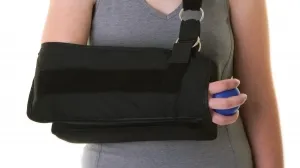
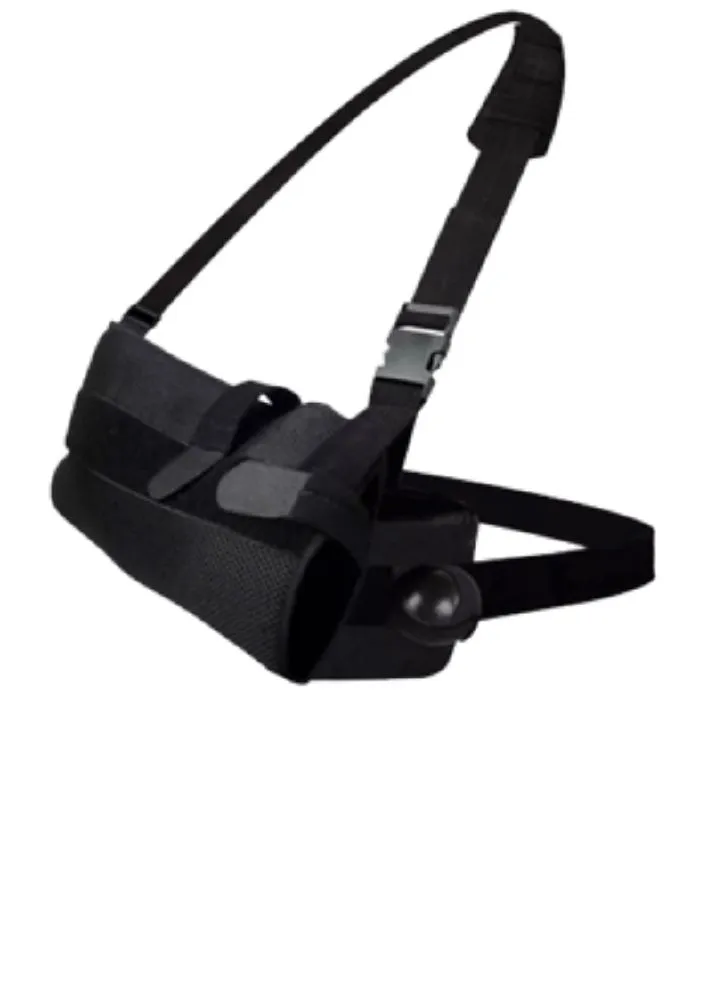
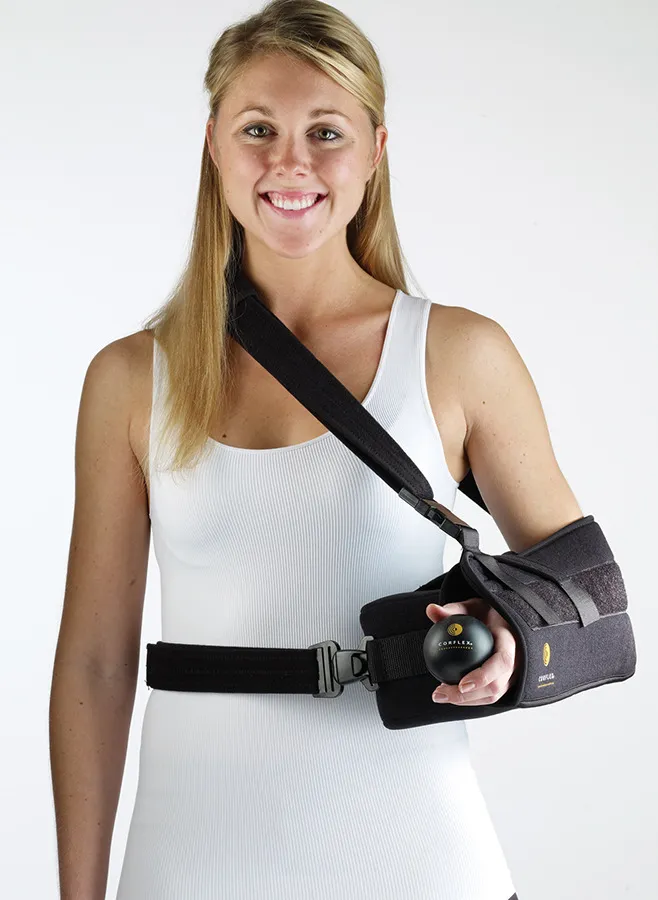
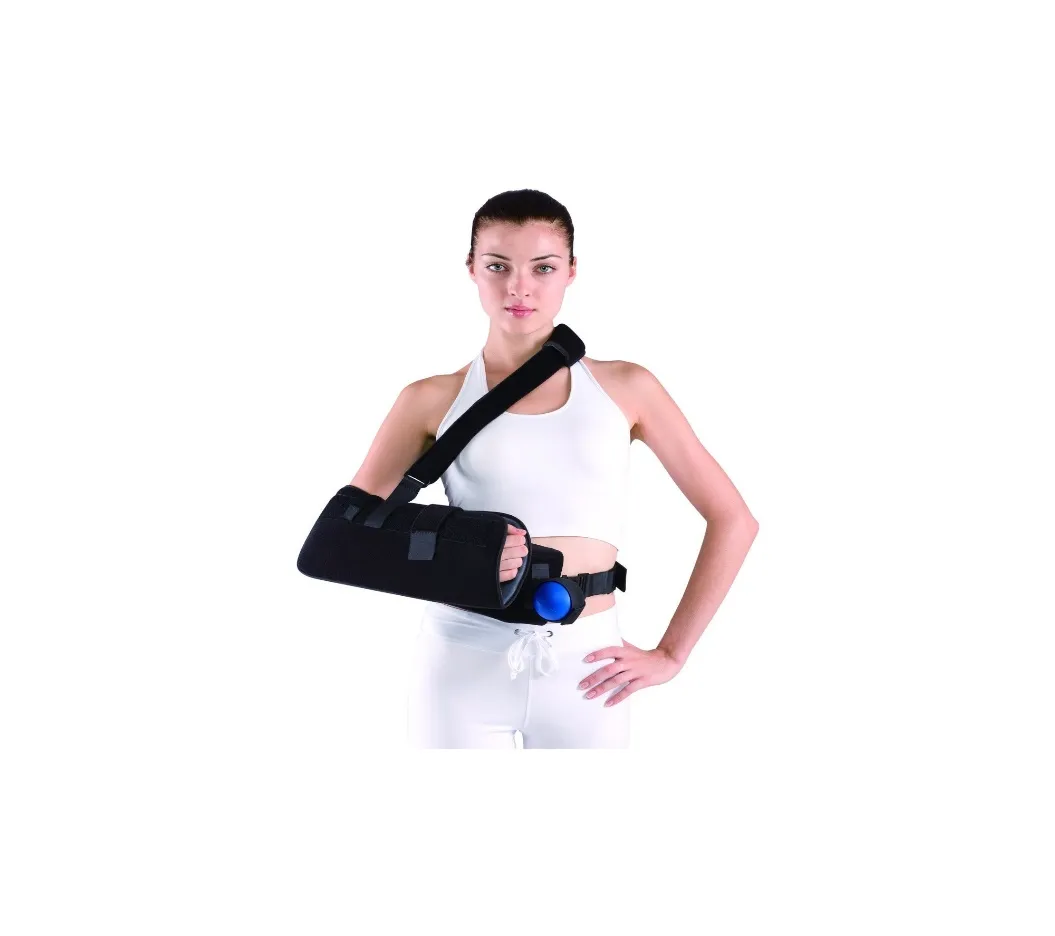
- Forearm Sling: A pouch that cradles the forearm and wrist, typically made from breathable, padded fabric. It suspends the arm, taking the weight off the shoulder joint.
- Waist Strap: Encircles the torso and secures the abduction pillow and sling firmly against the body, preventing unwanted movement of the arm and shoulder.
- Shoulder Strap: Padded and adjustable, this strap crosses the unaffected shoulder and connects to the sling, distributing the weight of the arm and ensuring proper vertical alignment.
- Abduction Pillow: The defining feature. This firm, often triangular or wedge-shaped pillow is positioned between the patient's torso and the affected arm. It maintains the arm in a specific degree of abduction (away from the body).
- Thumb Loop (Optional but common): A small loop within the sling designed to hold the thumb, preventing wrist drop and ensuring proper hand position, which can reduce swelling and improve comfort.
- Quick-Release Buckles: Facilitate easy application and removal, especially important for hygiene and dressing.
Material Science:
The selection of materials is critical for patient comfort, durability, and hygiene.
- Fabrics:
- Breathable Mesh: Often used for the main sling and pillow covers to prevent heat buildup and moisture, reducing the risk of skin irritation.
- Foam Laminates: Padded layers that provide cushioning and support, typically hypoallergenic.
- Soft Liners: Against the skin, materials like brushed nylon or cotton blends enhance comfort and minimize friction.
- Pillow Core: High-density, medical-grade foam or an inflatable bladder that maintains its shape and provides consistent support.
- Straps: Durable nylon or polypropylene webbing, often reinforced for strength and longevity.
- Hardware: High-strength plastic buckles and D-rings, designed to be lightweight and corrosion-resistant.
2.2. Biomechanics of Abduction
The "abduction" aspect of this device is not arbitrary; it's rooted in profound biomechanical understanding crucial for specific shoulder pathologies.
Why Abduction?
- Tension Reduction on Rotator Cuff Repairs: For many rotator cuff tears, especially the supraspinatus tendon, repair involves reattaching the tendon to the humeral head. When the arm is adducted (close to the body) and internally rotated, the supraspinatus tendon is under maximum tension. Placing the arm in slight abduction (typically 10-45 degrees, depending on the surgeon's protocol and tear location/size) significantly reduces this tension, protecting the repair site from excessive strain during the critical early healing phase.
- Prevention of Adhesion Formation: Maintaining the joint in a slightly open position can help prevent the formation of restrictive adhesions between tissue layers, which can lead to stiffness (frozen shoulder).
- Optimized Blood Flow: While not universally proven, some theories suggest that certain abducted positions may optimize blood flow to the healing tissues.
- Anatomical Alignment: The pillow helps maintain the humeral head in a neutral or slightly externally rotated position relative to the glenoid, promoting proper anatomical alignment vital for healing.
- Scapular Plane Positioning: Many designs aim to position the arm in the scapular plane, which is the natural resting position of the shoulder and often the most comfortable and biomechanically favorable for recovery.
Force Distribution:
The entire system works to distribute the weight of the arm across the torso and unaffected shoulder, effectively offloading the injured shoulder joint. The abduction pillow acts as a lever, gently pushing the humerus laterally away from the body, thereby controlling the angle of abduction and preventing adduction and internal rotation. This controlled positioning minimizes stress on repaired tendons, ligaments, and fractured bone fragments, facilitating undisturbed healing.
3. Extensive Clinical Indications & Usage
The shoulder immobilizer with abduction pillow is a highly specialized device prescribed for a range of orthopedic conditions, primarily post-surgical.
3.1. Surgical Applications
| Surgical Procedure | Rationale for Abduction Pillow Use | Typical Duration of Use |
|---|---|---|
| Rotator Cuff Repair | Especially for medium to massive tears, revision surgeries. Reduces tension on the repaired tendons (e.g., supraspinatus) by maintaining the arm in abduction and slight external rotation, protecting the repair site. | 4-8 weeks |
| SLAP Lesion Repair | (Superior Labrum Anterior Posterior) Stabilizes the biceps anchor and superior labrum, preventing excessive tension or rotation that could jeopardize the repair. | 4-6 weeks |
| Bankart Repair | (Anterior labral repair for instability) Protects the anterior capsule and labral repair by limiting external rotation and abduction, which can stress the repair. | 4-6 weeks |
| Proximal Humerus Fractures | For non-displaced fractures or post-operative stabilization after internal fixation. Maintains alignment and prevents unwanted movement, especially if the fracture involves the greater tuberosity where rotator cuff tendons attach. | 4-8 weeks |
| Shoulder Arthroplasty | (Total Shoulder Replacement, Reverse Total Shoulder Replacement) Provides protection and stability to the newly implanted components and surrounding soft tissues, especially during the early fragile healing phase. | 3-6 weeks |
| Capsular Shift/Plication | For multi-directional instability. Limits excessive range of motion, allowing the tightened capsule to heal in a stable position. | 4-6 weeks |
| Acromioplasty/Decompression | Less common, but may be used in cases of significant soft tissue repair or if there's a need to protect the subacromial space. | 2-4 weeks (if used) |
3.2. Non-Surgical Applications
While primarily a post-surgical device, in rare instances, an abduction pillow may be used non-surgically:
- Severe Shoulder Sprains/Strains: Where prolonged rest and specific positioning are deemed necessary to facilitate healing and reduce pain, particularly if rotator cuff involvement is suspected.
- Acute Inflammatory Conditions: To provide precise immobilization and reduce irritation, though less common than surgical indications.
3.3. Fitting and Usage Instructions
Correct fitting is crucial for therapeutic effectiveness and patient comfort. Always follow your physician's specific instructions.
Step-by-Step Fitting Guide:
- Preparation: Ensure the patient is sitting upright or standing comfortably. Unfasten all straps.
- Pillow Placement: Position the abduction pillow against the patient's torso on the injured side, snuggly in the armpit. The wider, flatter side of the pillow should rest against the body.
- Waist Strap: Wrap the waist strap around the patient's back and secure it to the pillow, ensuring it's snug but not overly tight, allowing for comfortable breathing.
- Arm Placement in Sling: Gently guide the affected arm into the forearm sling. The elbow should be bent at approximately 90 degrees, and the wrist should be neutral. Ensure the hand is fully supported within the sling, and the elbow is deeply seated.
- Shoulder Strap Adjustment: Place the shoulder strap over the unaffected shoulder. Adjust its length so that the arm is comfortably supported, and the hand is slightly above the elbow level (to help prevent swelling). The sling should feel secure, not allowing the arm to drop or sag.
- Thumb Loop (If applicable): If present, gently place the thumb through the thumb loop to prevent wrist drop and maintain proper hand position.
- Final Check: Ensure all straps are secure, the pillow is maintaining the prescribed abduction angle, and there are no pressure points or excessive tightness. The patient should be able to wiggle their fingers comfortably.
Patient Education:
- Duration of Use: Adhere strictly to the prescribed duration, typically 4-8 weeks, but variable.
- Hygiene: Learn how to carefully remove and reapply the sling for personal hygiene, always keeping the arm supported.
- Sleeping: Sleep on your back or the unaffected side, using extra pillows to support the affected arm and maintain the abduction pillow's position.
- Signs of Improper Fit: Numbness, tingling, increased pain, skin redness, or swelling in the hand/fingers require immediate adjustment or consultation with a healthcare provider.
4. Risks, Side Effects, or Contraindications
While highly beneficial, the use of a shoulder immobilizer with abduction pillow is not without potential risks or contraindications.
4.1. Potential Risks and Side Effects
- Skin Irritation/Pressure Sores: Prolonged contact, especially in areas like the armpit, elbow, or wrist, can lead to skin breakdown, redness, or pressure sores if not properly fitted or if hygiene is neglected.
- Nerve Compression: Improper fitting, particularly overly tight straps or an ill-positioned pillow, can compress nerves (e.g., ulnar nerve at the elbow, brachial plexus in the axilla), leading to numbness, tingling, or weakness.
- Joint Stiffness/Adhesions: While designed to prevent certain adhesions, prolonged immobilization without appropriate physical therapy (when prescribed) can lead to general shoulder stiffness or even frozen shoulder.
- Distal Extremity Swelling: If the sling is too tight or if the hand is allowed to hang too low, it can impede venous return, leading to swelling in the hand and fingers.
- Discomfort/Pain: Poor fit, incorrect positioning, or prolonged wear without adjustments can cause generalized discomfort or exacerbate existing pain.
- Psychological Impact: Patients may experience feelings of restriction, frustration, or dependency due to limited mobility.
- Muscle Atrophy: Disuse of the immobilized muscles is inevitable, leading to some degree of muscle wasting, which is addressed during rehabilitation.
4.2. Contraindications
- Open Wounds or Active Infections: Direct application over an open wound or infected area is contraindicated due to the risk of exacerbating infection or hindering wound healing.
- Severe Peripheral Vascular Disease: In rare cases, if the device compromises circulation to the arm or hand, it may be contraindicated.
- Allergies to Materials: Patients with known allergies to the materials used in the immobilizer (e.g., latex, certain fabrics) would require an alternative.
- Specific Fracture Patterns: Certain unstable fracture patterns or dislocations may require different immobilization strategies where abduction could be detrimental.
- Patient Non-Compliance: If a patient is unable or unwilling to follow instructions for wear, hygiene, and care, the benefits of the device may be negated, and alternative strategies might be considered.
5. Maintenance and Sterilization Protocols
Proper care and maintenance extend the life of the device and, more importantly, prevent skin complications and infections.
5.1. Daily Care
- Skin Inspection: Daily, or as instructed by your healthcare provider, inspect the skin under and around the sling and pillow for any signs of redness, irritation, blisters, or pressure marks.
- Strap Check: Ensure all straps remain securely fastened and at the correct tension.
- Cleanliness: Wipe down any visible dirt or spills with a damp cloth immediately.
5.2. Cleaning Instructions
Most shoulder immobilizers with abduction pillows are designed for easy cleaning. Always refer to the manufacturer's specific instructions, but general guidelines include:
- Hand Washing:
- Detach any removable components (e.g., thumb loop, pillow cover if specified).
- Use mild soap (e.g., baby shampoo or gentle laundry detergent) and cold water.
- Gently hand wash the fabric components, focusing on areas that contact the skin.
- Rinse thoroughly to remove all soap residue.
- Drying:
- Gently squeeze out excess water without twisting or wringing.
- Air dry completely by laying flat or hanging in a well-ventilated area, away from direct sunlight or heat sources (e.g., radiators, hair dryers). High heat can damage the materials and compromise the integrity of the device.
- Do NOT:
- Machine wash or tumble dry.
- Use bleach or harsh detergents.
- Iron the device.
- Dry clean.
5.3. Material Longevity and Replacement
The lifespan of an immobilizer depends on usage, patient activity, and initial quality.
- Signs of Wear: Regularly inspect for frayed straps, worn-out padding, loss of pillow firmness, or broken buckles.
- Loss of Integrity: If the device no longer maintains its shape, provides adequate support, or if straps lose their ability to adjust and hold, it's time for replacement.
- Hygiene Concerns: For extended use, or if the device becomes soiled beyond easy cleaning, replacement might be necessary for hygiene reasons, especially if skin integrity is compromised.
- Manufacturer Guidelines: Always follow the manufacturer's recommendations for product lifespan and replacement.
6. Patient Outcome Improvements & Rehabilitation
The strategic use of a shoulder immobilizer with abduction pillow is directly linked to superior patient outcomes and a more effective rehabilitation journey.
6.1. Enhanced Healing and Protection
- Reduced Stress on Repairs: By maintaining the arm in a specific, protected position, the device minimizes tension and shear forces on surgically repaired tissues (tendons, ligaments, labrum), allowing delicate healing processes to occur undisturbed.
- Prevention of Re-injury: It acts as a physical barrier and a constant reminder to the patient to avoid sudden movements or positions that could re-injure the healing shoulder.
- Optimal Environment for Tissue Regeneration: The controlled environment fosters angiogenesis (new blood vessel formation) and collagen synthesis, critical for strong tissue repair.
6.2. Pain Management
- Stabilization Reduces Pain: Immobilization inherently reduces pain by preventing painful movements of the injured joint.
- Comfortable Positioning: The abduction pillow helps position the arm in a way that often reduces muscle spasm and nerve irritation, contributing to overall comfort.
- Reduced Need for Pain Medication: Effective mechanical support can often reduce the reliance on pharmacologic pain management.
6.3. Facilitating Early Rehabilitation
- Controlled Passive Range of Motion: While providing rigid support, some designs allow for careful, controlled passive range of motion exercises (e.g., pendulum exercises) as prescribed by a physical therapist, without compromising the overall immobilization. This can help prevent excessive stiffness.
- Psychological Security: Patients often feel more confident and secure knowing their shoulder is protected, which can positively impact their engagement in the early stages of rehabilitation.
6.4. Long-term Functional Recovery
- Better Anatomical Alignment: Promoting healing in the correct anatomical position leads to improved joint mechanics and reduced risk of long-term functional deficits.
- Reduced Risk of Complications: By protecting the repair and managing early stiffness, the device helps mitigate complications such as failed repairs, chronic pain, and severe adhesive capsulitis (frozen shoulder).
- Faster Return to Activity: A well-protected and properly healed shoulder generally allows for a more predictable and often faster return to activities of daily living, work, and recreational pursuits, under the guidance of a comprehensive physical therapy program.
7. Massive FAQ Section
Q1: What is the main purpose of the abduction pillow?
A1: The main purpose of the abduction pillow is to maintain your arm in a specific position (abduction, or away from your body) and often slight external rotation. This reduces tension on surgically repaired tendons (especially the rotator cuff), prevents unwanted movements, and optimizes the healing environment, thereby protecting your shoulder and improving recovery outcomes.
Q2: How long do I need to wear the shoulder immobilizer with abduction pillow?
A2: The duration of wear is highly dependent on your specific injury, the type of surgery performed, and your surgeon's protocol. It typically ranges from 3 to 8 weeks, but it's crucial to follow your doctor's exact instructions. Do not discontinue use without their approval.
Q3: Can I remove the sling for showering or dressing?
A3: In most cases, you will be instructed to keep the affected arm supported at all times, even when removing the sling for hygiene. Your doctor or physical therapist will provide specific instructions on how to safely remove and reapply the sling for showering or dressing, often emphasizing keeping the arm close to the body or supporting it with your other hand.
Q4: How do I sleep with the shoulder immobilizer on?
A4: Most patients find it most comfortable to sleep on their back or the unaffected side. Using several pillows to prop up and support the affected arm and the abduction pillow can help maintain the correct position and reduce discomfort. Avoid sleeping on your affected side.
Q5: What should I do if the sling feels uncomfortable or causes pain?
A5: If you experience significant discomfort, new pain, numbness, or tingling, check the fit of your immobilizer. Ensure straps are not too tight and the pillow is correctly positioned. If discomfort persists or worsens, contact your physician or physical therapist immediately for an assessment and adjustment.
Q6: How do I clean my shoulder immobilizer?
A6: Most immobilizers are hand-washable with mild soap and cold water. Gently scrub the fabric components, rinse thoroughly, and air dry completely away from direct heat or sunlight. Do not machine wash, tumble dry, bleach, or iron the device. Always refer to the manufacturer's specific cleaning instructions.
Q7: Can I drive while wearing the shoulder immobilizer?
A7: No, it is generally not safe or advisable to drive while wearing a shoulder immobilizer. The device restricts your range of motion, reaction time, and ability to steer or operate controls effectively, posing a significant safety risk. You should refrain from driving until your doctor clears you.
Q8: What exercises can I do while wearing the sling?
A8: While the shoulder itself is immobilized, you may be prescribed gentle exercises for your hand, wrist, and elbow to maintain circulation and prevent stiffness. These often include finger flexion/extension, wrist circles, and elbow flexion/extension (within the sling). Always follow your physical therapist's specific instructions and do not perform any shoulder movements unless explicitly cleared.
Q9: Is it normal for my hand/fingers to swell while wearing the sling?
A9: Mild swelling in the hand or fingers can sometimes occur due to gravity and reduced movement. Elevating your hand slightly (keeping it above elbow level) and performing gentle finger and wrist exercises can help. However, if swelling is severe, accompanied by pain, numbness, or color changes, contact your doctor immediately as it could indicate a circulation issue or improper fit.
Q10: When can I stop using the abduction pillow and transition to a regular sling or no sling?
A10: The transition from an abduction pillow to a regular sling or no sling is a critical step in your recovery and must be guided by your surgeon or physical therapist. It typically occurs after the initial healing phase (e.g., 4-8 weeks post-op) and is based on clinical assessment of your healing progress and pain levels.
Q11: What if I feel numbness or tingling in my arm or hand?
A11: Numbness or tingling can indicate nerve compression, often due to an improperly fitted sling or excessive pressure. Loosen the straps slightly and readjust the position of the pillow and sling. If the sensation persists, immediately contact your healthcare provider to avoid potential nerve damage.
Q12: Can I adjust the abduction angle of the pillow?
A12: The abduction angle is typically prescribed by your surgeon and is fixed by the design of the pillow or its placement. Do not attempt to modify the angle of the pillow unless specifically instructed by your healthcare provider, as this could compromise your surgical repair.