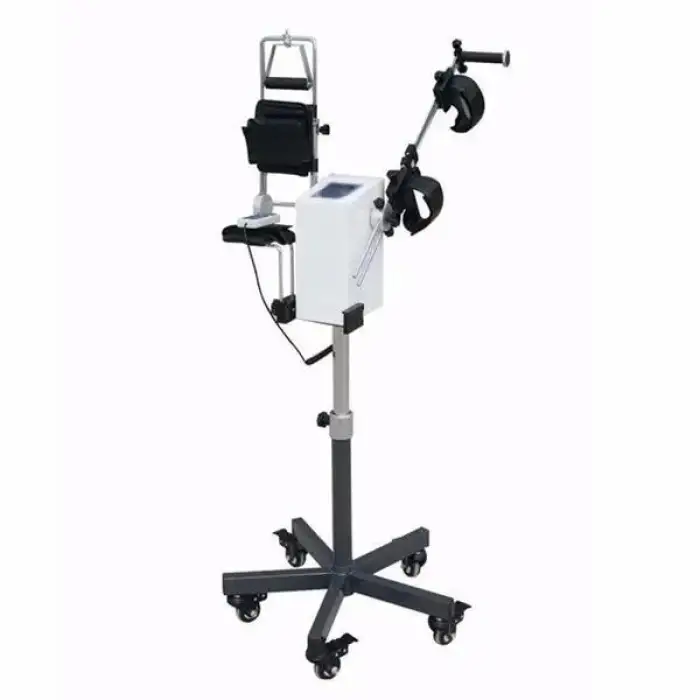
The Definitive Guide to Shoulder CPM Machines: Enhancing Orthopedic Recovery
In the realm of orthopedic rehabilitation, the Shoulder Continuous Passive Motion (CPM) machine stands as a cornerstone technology, designed to optimize recovery following a myriad of shoulder injuries and surgical interventions. As expert Medical SEO Copywriters and Orthopedic Specialists, we understand the critical role this device plays in preventing stiffness, reducing pain, and restoring functionality to the complex shoulder joint. This comprehensive guide delves into every facet of the Shoulder CPM machine, from its intricate design to its profound impact on patient outcomes.
1. Comprehensive Introduction & Overview
A Shoulder CPM machine is an electro-mechanical device that gently and continuously moves the shoulder joint through a prescribed range of motion (ROM) without requiring active muscle contraction from the patient. This "passive" movement is crucial in the immediate post-operative period or during early rehabilitation phases when active movement is either contraindicated or too painful. The primary objective of CPM therapy is to prevent joint stiffness, reduce pain and swelling, promote healing, and accelerate the return to functional mobility.
The shoulder joint, a ball-and-socket articulation, is the most mobile joint in the human body, making it highly susceptible to injury and subsequent stiffness if not properly mobilized during recovery. For decades, CPM therapy has been recognized for its ability to maintain articular cartilage health, facilitate synovial fluid circulation, and prevent the formation of debilitating adhesions that can severely limit long-term range of motion. Its evolution has seen the development of sophisticated, user-friendly models capable of precise control over speed, duration, and specific arcs of motion, tailored to individual patient needs and surgical protocols.
2. Deep-Dive into Technical Specifications & Mechanisms
Understanding the engineering and biomechanics behind a Shoulder CPM machine is key to appreciating its therapeutic value.
2.1. Design & Materials
Shoulder CPM machines are engineered for both efficacy and patient comfort.
- Frame and Structure: Typically constructed from lightweight yet robust materials like aluminum alloys, ensuring stability and durability while remaining portable enough for home use. The frame supports the patient's arm and allows for controlled movement.
- Motor and Gearbox: At the heart of the device is a precision motor, often DC-powered, connected to a gearbox that translates rotational motion into the specific arcs required for shoulder movement. These motors are designed for quiet operation and smooth, consistent motion.
- Arm Support and Padding: The patient's arm rests in a cradle or sling, often made of durable, breathable, and easily cleanable materials like high-density foam with a vinyl or synthetic leather covering. These components are designed to distribute pressure evenly, prevent skin irritation, and provide comfortable support for prolonged use.
- Adjustability Mechanisms:
- Range of Motion (ROM) Settings: Digital or analog controls allow clinicians to precisely set the minimum and maximum flexion, extension, abduction, adduction, and internal/external rotation angles.
- Speed Control: Adjustable speed settings allow for slow, gentle motion in early stages, progressing to faster speeds as tolerated.
- Pause Times: Many models include programmable pause functions at the end of the ROM to provide a gentle stretch.
- Size Adjustments: Telescoping components and adjustable straps accommodate varying patient arm lengths and body sizes.
- Control Panel: User-friendly interface, often with a digital display, for programming and monitoring treatment parameters. Safety features like emergency stop buttons are standard.
- Portability: While some units are designed for clinical settings, many modern Shoulder CPM machines are compact and relatively lightweight, facilitating easy transport for home rehabilitation.
2.2. Biomechanics of Continuous Passive Motion
The effectiveness of CPM lies in its understanding of joint biomechanics and physiology.
- Synovial Fluid Circulation: Passive motion promotes the circulation of synovial fluid, which is vital for nourishing articular cartilage, removing waste products, and reducing intra-articular swelling. Stagnant fluid can lead to cartilage degeneration.
- Cartilage Health: Articular cartilage, lacking its own blood supply, relies on joint movement for nutrient exchange. CPM helps maintain the health and integrity of cartilage by facilitating this process, preventing atrophy and promoting regeneration.
- Prevention of Adhesions: Post-surgical immobilization or insufficient early movement can lead to the formation of fibrous adhesions within the joint capsule. These adhesions restrict motion and cause pain. CPM gently stretches tissues, preventing the cross-linking of collagen fibers that form adhesions.
- Collagen Fiber Alignment: Controlled movement encourages the proper alignment of healing collagen fibers in tendons, ligaments, and the joint capsule, leading to stronger, more elastic tissue.
- Pain Modulation: Gentle, continuous movement can help reduce post-operative pain by stimulating mechanoreceptors, which can inhibit pain signals (gate control theory), and by reducing swelling.
- Edema Reduction: The pumping action of CPM aids in lymphatic drainage, reducing post-operative swelling and hematoma formation.
2.3. Mechanism of Action
The core mechanism is "continuous passive motion." This involves:
- Controlled Movement: The machine moves the joint through a pre-set arc without active muscle engagement.
- Tissue Remodeling: This gentle stress encourages appropriate cellular activity for repair and remodeling of damaged tissues.
- Inflammation Management: By improving circulation and reducing stasis, CPM helps manage the inflammatory response, preventing chronic inflammation that can impede healing.
3. Extensive Clinical Indications & Usage
Shoulder CPM therapy is indicated for a wide range of conditions, primarily after surgery, to restore function and prevent complications.
3.1. Detailed Surgical Applications
Shoulder CPM machines are invaluable across numerous orthopedic procedures:
- Rotator Cuff Repair (Arthroscopic & Open): Critical for preventing stiffness and promoting tendon healing by maintaining motion without stressing the repair site.
- Protocol Example: Often initiated within 24-48 hours post-op, with limited abduction/external rotation initially, gradually increasing ROM.
- Total Shoulder Arthroplasty (Shoulder Replacement): Essential for regaining shoulder mobility and preventing capsular contracture after replacing the joint surfaces.
- Protocol Example: Focus on flexion and abduction within safe limits, respecting soft tissue tension.
- Reverse Total Shoulder Arthroplasty: Similar to TSA, CPM helps restore motion, particularly in flexion and abduction, while protecting the deltoid muscle.
- Capsular Release (for Adhesive Capsulitis/Frozen Shoulder): Following surgical release of the stiff joint capsule, CPM is paramount to maintain the newly gained motion and prevent recurrence of stiffness.
- Protocol Example: Aggressive ROM progression to capitalize on the surgical release.
- Labral Repairs (SLAP, Bankart): Helps maintain joint lubrication and prevent stiffness while protecting the repaired labrum from active stress.
- Fracture Management (Post-Fixation): After surgical fixation of humeral head or glenoid fractures, CPM can be initiated once stability is achieved, to prevent stiffness.
- Acromioplasty & Subacromial Decompression: Prevents adhesions in the subacromial space and maintains glenohumeral motion.
- Tendon Transfers: Used to protect the transferred tendon while gently mobilizing the joint.
3.2. Non-Surgical Applications
While primarily post-surgical, CPM may be considered for:
- Severe Stiffness Unresponsive to Manual Therapy: In certain cases of chronic stiffness where active motion is limited, CPM can be used as an adjunct.
- Early Stages of Adhesive Capsulitis: Some protocols suggest CPM to maintain motion and reduce pain in the early "freezing" phase.
3.3. Fitting & Usage Instructions
Proper setup and usage are critical for safety and efficacy.
Table: Shoulder CPM Machine Usage Protocol
| Step | Description | Key Considerations |
|---|---|---|
| Preparation for use | Ensure the machine is on a flat, stable surface. Ensure the patient is in a comfortable, supported semi-recumbent position. |