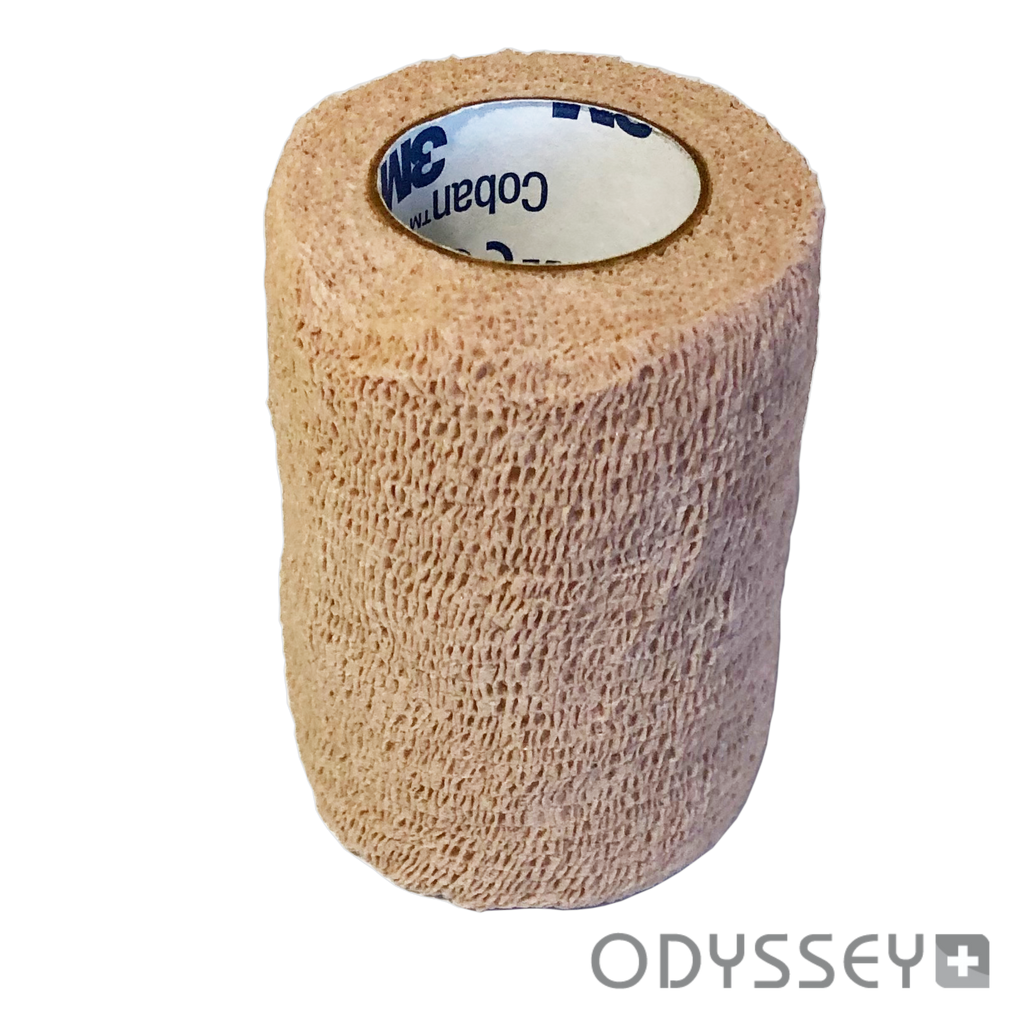
The Definitive Guide to Self-Adherent Cohesive Wraps (Coban)
Comprehensive Introduction & Overview
The self-adherent cohesive wrap, commonly known by its pioneering brand name "Coban" (a registered trademark of 3M), stands as an indispensable tool in modern medicine, particularly within orthopedic, sports medicine, and wound care settings. This versatile, lightweight, and conformable bandage is renowned for its unique ability to stick to itself without adhering to skin, hair, or clothing, providing consistent compression and support without the need for clips, pins, or tape. Its widespread adoption is a testament to its efficacy in securing dressings, supporting injured joints, reducing edema, and facilitating patient recovery across a myriad of clinical scenarios.
From the athletic field to the operating room, Coban wraps offer a convenient and effective solution for temporary immobilization, compression therapy, and protection. This guide delves deeply into the technical intricacies, diverse applications, proper usage, and critical considerations surrounding self-adherent cohesive wraps, providing an authoritative resource for healthcare professionals, caregivers, and informed patients alike.
Deep-Dive into Technical Specifications & Mechanisms
Design and Materials
The ingenuity of the self-adherent cohesive wrap lies in its sophisticated material composition and construction:
- Non-Woven Fabric: The primary substrate is typically a non-woven material, often a blend of polyester or polypropylene fibers. This provides the bandage with its soft, porous, and breathable qualities, allowing for air circulation to the skin and minimizing moisture buildup, which is crucial for skin integrity during prolonged wear.
- Elastic Fibers: Embedded within the non-woven fabric are elastic fibers, commonly Spandex or a similar synthetic elastomer. These fibers grant the wrap its stretch and conformability, enabling it to contour smoothly to various body parts, including joints and irregular surfaces, while providing controlled compression.
- Cohesive Coating: The defining characteristic of Coban wrap is its proprietary cohesive coating. This micro-dotted layer, historically made with natural rubber latex, allows the wrap to adhere firmly to itself upon contact, creating a secure, non-slip bond. Many modern versions are now latex-free, utilizing synthetic polymers to achieve the same cohesive properties, thereby mitigating the risk of latex allergies. This coating is designed not to stick to skin, hair, or other materials, ensuring comfortable application and removal.
Biomechanics and Mechanism of Action
The biomechanical principles underlying the effectiveness of cohesive wraps are fundamental to their therapeutic benefits:
- Controlled and Sustained Compression: When applied correctly, the wrap delivers consistent, circumferential pressure to the underlying tissues. This compression helps to:
- Reduce Edema and Swelling: By increasing interstitial tissue pressure, it counteracts the hydrostatic pressure that pushes fluid out of capillaries, promoting fluid reabsorption into the lymphatic and venous systems. This is critical in managing post-traumatic swelling, lymphedema, and venous insufficiency.
- Support Soft Tissues: It provides external support to strained muscles, ligaments, and tendons, limiting excessive movement and protecting compromised structures from further injury.
- Stabilize Joints: By wrapping around a joint, it creates a supportive external framework that can limit range of motion, reducing stress on healing structures and preventing reinjury.
- Conformability and Malleability: The elastic nature and cohesive properties allow the wrap to conform precisely to the anatomical contours of the body. This ensures even pressure distribution, preventing localized pressure points that could lead to skin breakdown or discomfort. Unlike rigid tapes, it moves with the body, maintaining comfort during activity.
- Non-Slip Security: The self-adherent nature ensures that once applied, the wrap stays in place without loosening or migrating, even during movement. This eliminates the need for external fasteners, simplifying application and improving patient compliance.
- Breathability: The porous design facilitates air exchange, reducing the risk of maceration (softening and breakdown of skin due to prolonged moisture exposure) and enhancing patient comfort, especially during extended wear.
Extensive Clinical Indications & Usage
The versatility of self-adherent cohesive wraps makes them indispensable across numerous medical disciplines.
Orthopedic and Sports Medicine Applications
- Sprains and Strains: Provides mild to moderate support and compression for ankle sprains, wrist strains, knee ligament injuries, and muscle pulls. It helps limit swelling and provides a sense of stability.
- Joint Support: Used to support weakened or recovering joints (e.g., post-dislocation, chronic instability) during activity or rehabilitation.
- Post-Fracture Management: After cast removal, it can offer transitional support and compression to reduce residual swelling and protect the healing bone during early mobilization.
- Muscle Contusions: Compression helps to limit hematoma formation and reduce pain.
- Tendonitis/Bursitis: Can provide localized compression and support to reduce inflammation and pain in affected areas.
- Athletic Taping Alternative: For athletes requiring flexible support without the skin irritation often associated with adhesive athletic tape.
Wound Care and Edema Management
- Dressing Securement: Ideal for securing primary or secondary dressings, especially on difficult-to-wrap areas or for patients with fragile skin where adhesive tapes are contraindicated.
- Compression Therapy:
- Venous Leg Ulcers: Used as part of multi-layer compression systems to manage venous insufficiency and promote ulcer healing.
- Lymphedema Management: Provides sustained compression to reduce lymphatic fluid accumulation in affected limbs.
- Post-Surgical Edema: Applied to reduce swelling after orthopedic surgeries (e.g., arthroscopy, joint replacement) or plastic surgeries.
- Burn Care: Can secure dressings over burn wounds, providing gentle compression while allowing for regular dressing changes without skin trauma.
Surgical and Post-Operative Care
- Post-Operative Dressing: Secures surgical dressings, absorbs exudate, and provides mild compression to minimize swelling at the surgical site.
- Immobilization Aid: Offers temporary, mild immobilization for certain injuries or after minor procedures where rigid casting is not required.
- IV and Catheter Securement: A gentle, non-slip method to secure IV lines, drainage tubes, or catheters without irritating the skin, particularly useful for pediatric or elderly patients.
Other Applications
- Veterinary Medicine: Widely used for animal paw wraps, wound care, and limb support due to its self-adherent properties and non-stick to fur.
- Emergency First Aid: A staple in first aid kits for immediate management of sprains, strains, and bleeding control.
Fitting and Usage Instructions
Proper application is paramount to maximize therapeutic benefit and prevent complications.
- Preparation:
- Ensure the skin area is clean, dry, and free of oils or lotions.
- If applying over a wound, ensure a primary dressing is in place.
- Choose the appropriate width of the wrap for the body part (e.g., 1-inch for fingers, 2-inch for wrists, 3-4 inch for ankles/knees).
- Starting Point:
- Always begin wrapping from the distal (farthest from the heart) end of the limb and work proximally (towards the heart). This promotes venous return and helps prevent fluid pooling.
- Start with one full, loose wrap to secure the initial end.
- Applying Tension:
- This is the most critical step. The wrap should be applied with even, moderate tension.
- Do NOT stretch the wrap to its maximum capacity. Over-stretching can lead to excessive, dangerous compression. A good rule of thumb is to apply with approximately 50% stretch, or until it feels snug but not constricting.
- For compression, a slightly firmer tension may be used under professional guidance, but always monitor for signs of circulatory compromise.
- Overlap Technique:
- Overlap each subsequent layer by approximately one-half to two-thirds of the width of the wrap. This ensures consistent compression and prevents gaps.
- Keep the wrap flat against the skin; avoid wrinkles or creases, which can create pressure points.
- Finishing:
- Once the desired area is covered, press the final end firmly against the underlying layer of the wrap. The cohesive material will bond securely.
- Do not use clips or tape, as the wrap is designed to adhere to itself.
- Post-Application Monitoring (Neurovascular Checks):
- Immediately after application and regularly thereafter, check the digits (fingers or toes) distal to the wrap for:
- Color: Should be pink, not pale or bluish.
- Temperature: Should be warm, not cold.
- Sensation: Patient should have normal feeling; numbness or tingling is a warning sign.
- Capillary Refill: Press on a fingernail or toenail until it blanches, then release. Color should return within 2-3 seconds.
- Movement: Patient should be able to move digits freely.
- Educate the patient to report any signs of discomfort, numbness, tingling, increased pain, or color changes immediately.
- Immediately after application and regularly thereafter, check the digits (fingers or toes) distal to the wrap for:
Maintenance and Sterilization Protocols
Self-adherent cohesive wraps are generally designed for single-use applications.
- Sterilization: Most commercially available cohesive wraps, including standard Coban, are supplied non-sterile. They are intended for external application over intact skin or over a sterile dressing. Some specialized versions may be manufactured sterile for specific surgical field applications, but this will be clearly indicated on the packaging. It is crucial to check the product's packaging for its sterility status. Under no circumstances should a non-sterile cohesive wrap be used directly on an open wound or within a sterile surgical field. Re-sterilization of a used cohesive wrap is not feasible or recommended due to material degradation and potential for contamination.
- Reusability: Due to hygiene concerns, loss of cohesive properties, and potential for contamination, cohesive wraps are not designed for reuse. Once removed, the cohesive bond diminishes, and the material may stretch or fray, compromising its effectiveness and cleanliness.
- Storage: Store wraps in their original packaging in a cool, dry place, away from direct sunlight and extreme temperatures, to maintain their cohesive properties and elasticity.
- Disposal: Dispose of used wraps according to standard medical waste protocols for non-infectious or infectious waste, depending on the clinical context of their use.
Patient Outcome Improvements
The appropriate use of self-adherent cohesive wraps significantly contributes to improved patient outcomes:
- Reduced Pain and Discomfort: By providing support and reducing swelling, the wrap can alleviate pain associated with injuries or post-operative recovery.
- Accelerated Healing: Optimal compression helps manage edema, which can impede tissue healing. By controlling swelling, the wrap creates a more conducive environment for cellular repair and regeneration.
- Enhanced Joint Stability and Mobility: For orthopedic injuries, the wrap offers external support, allowing for controlled movement during rehabilitation while protecting healing structures. This can lead to earlier mobilization and functional recovery.
- Prevention of Secondary Injury: By stabilizing an injured area, the wrap helps prevent further damage during daily activities or rehabilitation exercises.
- Improved Patient Compliance and Comfort: The lightweight, breathable, and comfortable nature of the wrap, combined with its ease of application and removal, promotes patient compliance with treatment protocols. Its non-adhesive property reduces skin trauma upon removal, a significant advantage for patients with sensitive or fragile skin.
- Reduced Risk of Infection (Indirectly): By securely holding dressings in place, it helps maintain a clean wound environment and protects against external contaminants.
Risks, Side Effects, or Contraindications
While generally safe, improper application or specific patient conditions can lead to adverse effects:
- Excessive Compression (Too Tight Application): This is the most significant risk and can lead to serious complications, including:
- Ischemia: Reduced blood flow to the distal limb, potentially causing tissue damage, nerve injury, or compartment syndrome.
- Nerve Compression: Tingling, numbness, or weakness if a nerve is compressed.
- Skin Breakdown: Pressure points can lead to blistering, ulceration, or necrosis.
- Pain: Increased pain due to restricted circulation.
- Allergic Reactions:
- Latex Allergy: For wraps containing natural rubber latex, individuals with latex sensitivity may experience allergic contact dermatitis or more severe systemic reactions. Latex-free versions are available to mitigate this risk.
- Adhesive Component Allergy: Although not sticking to skin, some individuals may react to components in the cohesive coating if prolonged skin contact occurs or if the wrap is applied directly over a compromised skin barrier.
- Skin Irritation/Maceration: If applied too tightly, left on for too long, or if moisture becomes trapped underneath, the skin can become irritated, macerated, or develop a rash.
- Contraindications (Relative and Absolute):
- Severe Arterial Insufficiency: Applying compression to a limb with compromised arterial blood flow can worsen ischemia. Professional assessment is crucial.
- Acute Deep Vein Thrombosis (DVT): While compression can be part of DVT management, it must be applied under strict medical supervision to prevent dislodgement of a clot.
- Congestive Heart Failure (CHF): Extensive compression therapy can shift fluid centrally, potentially exacerbating CHF.
- Open Wounds (Direct Application): Non-sterile wraps should not be applied directly to open wounds. A sterile primary dressing must always be in place.
- Uncontrolled Infection: Compression over an infected area without proper treatment can worsen the infection.
Patients and caregivers must be educated on the signs of complications and when to seek immediate medical attention.
Massive FAQ Section
Q1: What is a Self-Adherent Cohesive Wrap (Coban)?
A: A self-adherent cohesive wrap, often called Coban, is an elastic bandage that sticks to itself without needing clips, pins, or tape. It provides compression, support, and secures dressings without adhering to skin, hair, or clothing.
Q2: Is Coban wrap reusable?
A: No, cohesive wraps are designed for single-use only. Their cohesive properties diminish after removal, and reuse poses hygiene risks and compromises effectiveness.
Q3: Can Coban wrap get wet?
A: While it can tolerate some moisture, it's generally not recommended to get it excessively wet. Water can weaken its cohesive properties, make it less effective, and potentially lead to skin maceration if it stays wet against the skin.
Q4: How long can I wear Coban wrap?
A: The duration depends on the clinical indication and patient comfort. For acute injuries, it might be worn for a few days, changing daily or as needed. For chronic conditions like lymphedema, it might be part of a daily regimen. Always follow your healthcare provider's specific instructions and perform regular neurovascular checks.
Q5: What's the difference between Coban and regular elastic bandages?
A: The main difference is self-adherence. Coban sticks to itself, providing a secure, non-slip fit without fasteners. Regular elastic bandages require clips or tape to stay in place and can loosen easily. Coban also typically offers more consistent, controlled compression.
Q6: Is Coban wrap latex-free?
A: Many modern cohesive wraps, including specific Coban products, are now manufactured as latex-free to prevent allergic reactions. However, some traditional versions may still contain natural rubber latex. Always check the product packaging if latex sensitivity is a concern.
Q7: How do I remove Coban wrap?
A: Simply unroll or cut the wrap carefully with blunt-nosed scissors, ensuring not to cut the skin or underlying dressings. Since it doesn't stick to skin, removal is usually painless and doesn't pull hair.
Q8: Can I sleep with Coban wrap on?
A: Yes, in many cases, it's safe to sleep with a cohesive wrap on, especially if applied correctly with moderate tension. However, it's crucial to ensure it's not too tight before going to bed and to monitor for any signs of discomfort, numbness, or tingling during the night. If any issues arise, remove it immediately.
Q9: What are the signs my Coban wrap is too tight?
A: Signs of a wrap being too tight include:
* Numbness or tingling in the fingers or toes.
* Increased pain or throbbing sensation.
* Fingers or toes turning pale, bluish, or cold.
* Inability to move fingers or toes.
* Swelling below the wrap.
If you experience any of these symptoms, remove the wrap immediately and reapply it more loosely or seek medical advice.
Q10: Where can I buy Coban wrap?
A: Self-adherent cohesive wraps are widely available at pharmacies, medical supply stores, and online retailers. Many brands offer similar products, but "Coban" specifically refers to the 3M brand.
Q11: Can cohesive wraps be used on animals?
A: Yes, cohesive wraps are very popular and effective in veterinary medicine for securing dressings, providing support for sprains, and protecting wounds on animals, as they adhere to fur much less than adhesive tapes.
Q12: What sizes are available for cohesive wraps?
A: Cohesive wraps come in various widths, typically ranging from 1 inch (2.5 cm) for fingers/toes to 6 inches (15 cm) for larger limbs or torsos. Common widths include 1", 2", 3", 4", and 6", with standard lengths often around 5 yards (4.5 meters) when stretched.
Conclusion
The self-adherent cohesive wrap, epitomized by the Coban brand, represents a cornerstone in non-invasive medical support and compression. Its unique design, combining elasticity with self-adherence, offers unparalleled versatility and patient comfort across a broad spectrum of clinical applications. From orthopedic support and sports injury management to sophisticated wound care and edema control, its role in improving patient outcomes is undeniable. Adherence to proper application techniques, vigilant monitoring for complications, and understanding its single-use nature are critical for harnessing its full therapeutic potential safely and effectively. As medical science continues to evolve, the cohesive wrap remains a testament to simple yet profoundly impactful innovation in healthcare.