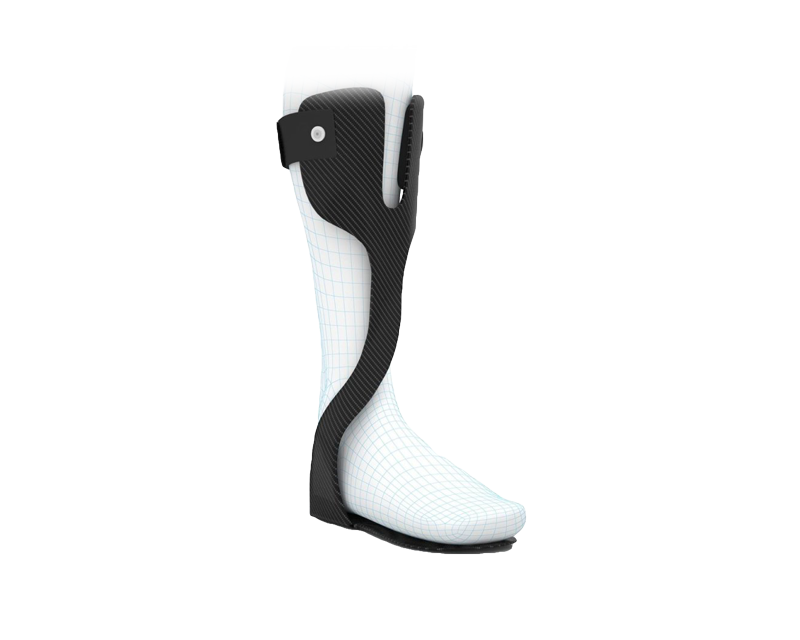
The Rigid Carbon Fiber AFO: An Advanced Solution for Orthopedic Support
In the realm of orthopedic assistive devices, the Rigid Carbon Fiber Ankle-Foot Orthosis (AFO) represents a significant leap forward in patient care and mobility enhancement. Moving beyond traditional plastic or metal designs, carbon fiber technology offers an unparalleled combination of strength, lightweight construction, and dynamic energy return. This comprehensive guide, authored by an expert Medical SEO Copywriter and Orthopedic Specialist, delves into every facet of the Rigid Carbon Fiber AFO, providing an exhaustive resource for patients, caregivers, and clinicians alike.
What is a Rigid Carbon Fiber AFO?
A Rigid Carbon Fiber AFO is a custom-fabricated or pre-fabricated orthopedic device designed to support the ankle and foot. Its primary function is to control motion, provide stability, and improve gait mechanics for individuals suffering from a variety of neuromuscular and musculoskeletal conditions. Unlike more flexible AFOs, the "rigid" designation indicates its primary role in providing robust support and controlling movement in multiple planes, particularly the sagittal plane (dorsiflexion and plantarflexion) and coronal plane (inversion and eversion). The use of carbon fiber as the primary material is its defining characteristic, offering superior performance compared to conventional materials.
Evolution and Purpose
The evolution of AFOs has seen a progression from rudimentary metal and leather braces to sophisticated thermoplastic designs, and now, to advanced carbon fiber composites. This material innovation addresses key limitations of older designs: weight, bulkiness, and lack of dynamic response. The Rigid Carbon Fiber AFO aims to:
* Improve gait efficiency: By controlling ankle motion and providing limb stability.
* Prevent foot drop: Ensuring the foot clears the ground during the swing phase.
* Reduce energy expenditure: Making walking less tiring.
* Correct alignment: Addressing deformities and promoting proper joint mechanics.
* Enhance safety: Reducing the risk of falls due to instability or tripping.
* Increase patient participation: Enabling greater engagement in daily activities and exercise.
Deep-Dive into Technical Specifications and Biomechanical Mechanisms
The efficacy of the Rigid Carbon Fiber AFO stems from its advanced design, material properties, and precise biomechanical interaction with the user's lower limb.
Design and Materials: The Carbon Fiber Advantage
The core of the Rigid Carbon Fiber AFO's superiority lies in its material composition and meticulous design.
Carbon Fiber Composite
- Composition: Carbon fiber is a polymer composed of thin, strong crystalline filaments of carbon. These fibers are woven into a fabric and then impregnated with a resin (typically epoxy) to form a composite material. This layered construction provides exceptional strength and stiffness.
- Manufacturing: AFOs can be custom-fabricated from a patient's cast or 3D scan, allowing for precise anatomical contours and trim lines. Pre-fabricated (off-the-shelf) options are also available, often with adjustable components.
- Advantages:
- High Strength-to-Weight Ratio: Remarkably strong yet exceptionally lightweight, reducing the burden on the user and making the device easier to wear for extended periods.
- Rigidity and Stiffness: Provides robust support and excellent control over ankle and foot motion, crucial for conditions requiring significant stabilization.
- Durability: Resists fatigue and wear, offering a longer lifespan compared to many thermoplastic alternatives.
- Dynamic Energy Return: A unique property where the material slightly deforms under load during the gait cycle and then recoils, providing a "spring-like" effect that can assist with propulsion and reduce energy expenditure.
- Thin Profile: Allows for easier integration with footwear and a less noticeable appearance.
Anatomical Considerations and Features
- Footplate Design: Extends along the sole of the foot, providing a stable base and influencing ground reaction forces. Custom designs ensure optimal arch support and pressure distribution.
- Calf Cuff: Encircles the calf, providing leverage for controlling ankle motion. Trim lines are critical to avoid pressure points and ensure comfort.
- Strapping Systems: Typically involve adjustable straps (e.g., Velcro) around the calf and sometimes the instep, securing the AFO firmly to the limb.
- Padding: Strategically placed padding (e.g., closed-cell foam) protects bony prominences and enhances comfort, preventing skin irritation.
Biomechanics: How it Works
The Rigid Carbon Fiber AFO functions by strategically manipulating ground reaction forces (GRF) and controlling joint kinematics throughout the gait cycle.
Mechanism of Action
- Sagittal Plane Control:
- Plantarflexion Block: Prevents excessive ankle plantarflexion during the swing phase, thus preventing the toes from dragging (foot drop).
- Dorsiflexion Assist: The energy storage and return properties of carbon fiber can provide a subtle "assist" to dorsiflexion during the swing phase, facilitating toe clearance.
- Stance Phase Stability: Limits unwanted ankle motion during stance, providing a stable base of support and preventing uncontrolled collapse.
- Coronal Plane Stability:
- The rigid structure, particularly around the malleoli, provides medial and lateral support, controlling inversion and eversion of the foot and ankle. This is critical for individuals with ankle instability.
- Impact on Gait Cycle:
- Initial Contact/Loading Response: Controls rapid plantarflexion, absorbing shock and ensuring a stable foot placement.
- Mid-Stance: Maintains a neutral ankle position, supporting the limb against gravity and allowing for efficient weight transfer.
- Terminal Stance/Pre-Swing: The energy storage of the carbon fiber can contribute to a more efficient "push-off," aiding propulsion. The plantarflexion block prevents the foot from dropping too quickly, preparing for swing.
- Swing Phase: Ensures adequate toe clearance, preventing tripping and enabling a smoother swing.
Energy Storage and Return
This is a hallmark advantage of carbon fiber. As the body moves over the AFO during the stance phase, the carbon fiber slightly deforms, storing kinetic energy. As the user transitions to push-off and swing, this stored energy is released, providing a spring-like assistance that can reduce the muscular effort required for walking, thereby decreasing overall energy expenditure. This dynamic response makes walking feel more natural and less fatiguing for many users.
Extensive Clinical Indications and Usage
The Rigid Carbon Fiber AFO is a versatile device prescribed for a broad spectrum of conditions affecting lower limb function. Its ability to provide robust support while remaining lightweight makes it an ideal choice for many patients.
Detailed Clinical Applications
The primary goal is to restore functional gait, improve stability, and prevent secondary complications.
- Foot Drop (Various Etiologies): This is perhaps the most common indication.
- Neurological Conditions:
- Post-stroke Hemiplegia: Addresses weakness in dorsiflexor muscles, improving toe clearance and gait symmetry.
- Multiple Sclerosis (MS): Manages foot drop and ankle instability caused by demyelination.
- Cerebral Palsy (CP): For individuals with spasticity or weakness that benefits from rigid control and alignment.
- Charcot-Marie-Tooth (CMT) Disease: Supports weakened ankle musculature and helps manage foot deformities.
- Spinal Cord Injury (SCI): Provides stability and assists with ambulation post-injury.
- Traumatic Brain Injury (TBI): Addresses gait deficits resulting from neurological damage.
- Peripheral Neuropathy: When nerve damage leads to significant foot and ankle weakness.
- Muscular Conditions: Muscular dystrophies causing significant dorsiflexor weakness.
- Traumatic Injuries: Nerve damage from severe ankle or lower leg trauma.
- Neurological Conditions:
- Severe Ankle Instability: Provides strong medial-lateral support to prevent recurrent sprains or subluxations.
- Post-Surgical Stabilization:
- Ankle Fusion (Arthrodesis): Can provide post-operative support and protection during the healing phase.
- Tendon Repairs: Protects repaired tendons (e.g., Achilles tendon repair) by limiting specific movements.
- Ligament Reconstructions: Offers external stabilization during rehabilitation.
- Plantar Fasciitis/Achilles Tendinopathy (Chronic): In some cases, to control ankle motion and reduce strain on these structures.
- Limb Salvage Procedures: Following complex trauma or tumor resection, to provide structural support.
- Progressive Weakness: For conditions where lower limb weakness is expected to worsen, providing proactive support.
Fitting and Usage Instructions
Proper fitting and patient education are paramount for the successful use of a Rigid Carbon Fiber AFO.
Professional Assessment and Fitting
- Evaluation: A qualified orthotist will conduct a thorough assessment, including gait analysis, muscle strength testing, range of motion measurements, and evaluation of skin integrity.
- Casting/Scanning: For custom AFOs, a plaster cast or 3D scan of the patient's lower leg and foot is taken to ensure a precise, individualized fit.
- Trial and Adjustment: The initial fitting involves trying on the AFO, checking for pressure points, proper alignment, and comfort. Adjustments are made as needed to optimize function and fit.
- Orthotist's Role: The orthotist provides specific instructions on donning, doffing, wearing schedule, and expected outcomes.
Donning and Doffing
- Donning: The foot is carefully inserted into the AFO, ensuring the heel is seated firmly. Straps are then fastened snugly, but not overly tight, starting with the ankle strap (if present) and then the calf strap.
- Doffing: Release the straps and gently remove the AFO.
Footwear Requirements
- Appropriate Shoes: Users typically require shoes with sufficient depth and width to accommodate the AFO. Laced or Velcro-closure shoes are often preferred for adjustability.
- Even Heel Height: Shoes should have a relatively flat and stable sole.
Break-in Period
- Gradual Introduction: A break-in period is usually recommended, starting with short wearing times (e.g., 1-2 hours) and gradually increasing duration over several days or weeks, allowing the limb to adapt and identify any potential pressure points.
- Skin Checks: Regular inspection of the skin for redness, irritation, or blistering is crucial, especially during the break-in period.
Activity Modification
- Patients should follow their clinician's recommendations regarding activity levels. While the AFO enhances mobility, certain high-impact activities might still be contraindicated or require specific precautions.
Regular Check-ups
- Scheduled follow-up appointments with the orthotist are essential to monitor the fit, check for wear and tear, and make any necessary adjustments as the patient's condition or body changes.
Maintenance and Cleaning Protocols
Proper care extends the life of the AFO and maintains hygiene. Note: "Sterilization" is generally not applicable for patient-worn orthoses in a home setting; "cleaning and hygiene" are the correct terms.
- Daily Cleaning:
- Wipe down the exterior and interior surfaces with a damp cloth using mild soap and water.
- Ensure all soap residue is removed.
- Allow the AFO to air dry completely before re-donning. Avoid direct heat sources which can damage the carbon fiber or resin.
- Padding Care:
- Removable padding can often be hand-washed with mild soap and air-dried. Check manufacturer guidelines.
- Inspect padding for compression, tears, or odors, and replace as needed.
- Strap Inspection:
- Regularly check straps and buckles for fraying, stretching, or damage. Replace worn straps promptly.
- Structural Integrity:
- Periodically inspect the carbon fiber shell for any signs of cracks, delamination, or stress fractures. Even minor damage can compromise the AFO's structural integrity and function. If damage is noted, contact your orthotist immediately.
- Avoid Harsh Chemicals: Do not use harsh solvents, abrasives, or strong detergents, as these can degrade the carbon fiber or resin.
- Storage: Store the AFO in a clean, dry place away from extreme temperatures and direct sunlight when not in use.
- Professional Repair: Any significant damage or necessary adjustments should only be performed by a qualified orthotist or technician. Attempting DIY repairs can compromise the device's safety and effectiveness.
Risks, Side Effects, or Contraindications
While highly beneficial, the use of a Rigid Carbon Fiber AFO is not without potential risks, side effects, or contraindications. Awareness of these is crucial for safe and effective use.
Potential Risks and Side Effects
- Skin Irritation and Breakdown:
- Pressure Sores/Blisters: Can occur due to improper fit, excessive pressure on bony prominences, or friction. Regular skin checks are vital.
- Redness/Chafing: Especially during the break-in period or if the AFO shifts during activity.
- Discomfort or Pain:
- An ill-fitting AFO can cause localized pain or discomfort. Persistent pain warrants an immediate orthotist consultation.
- Muscle Atrophy:
- Over-reliance on the AFO without concurrent physical therapy or exercise may lead to some disuse atrophy of the supported muscles. A balanced approach with strengthening exercises is often recommended.
- Over-reliance:
- Patients might become overly dependent on the device, potentially hindering natural muscle activation if not managed appropriately.
- Falls:
- An improperly fitted AFO, or one that is too restrictive for the patient's gait pattern, can ironically increase the risk of falls.
- Device Breakage/Failure:
- Though durable, carbon fiber AFOs can crack or break under extreme stress, impact, or due to manufacturing defects. Regular inspection is important.
- Impact on Other Joints:
- Altering ankle mechanics can sometimes place increased stress on the knee or hip joints, potentially leading to discomfort or pain in those areas.
Contraindications
Certain conditions or circumstances may make a Rigid Carbon Fiber AFO unsuitable or require careful consideration.
- Severe Fixed Deformities: If the foot or ankle has a fixed deformity that cannot be manually corrected to a neutral position, a rigid AFO may not be able to accommodate it, leading to pressure points or an ineffective fit.
- Open Wounds, Severe Edema, or Acute Infections: The presence of open wounds, significant swelling (edema), or active infections in the lower limb contraindicates AFO use until these conditions are resolved, due to the risk of exacerbation or compromised healing.
- Compromised Skin Integrity: Fragile skin, severe dermatological conditions, or conditions predisposing to skin breakdown (e.g., severe diabetes with neuropathy) require extreme caution and often preclude rigid AFO use.
- Severe Spasticity: In some cases, a rigid AFO can exacerbate spasticity in certain muscle groups or lead to skin breakdown if not carefully managed. A more dynamic or articulated AFO might be preferred.
- Fluctuating Edema: For patients with significant and unpredictable swelling, a rigid AFO may become too tight or too loose, leading to discomfort or poor function.
- Certain Vascular Conditions: Conditions compromising blood flow to the lower limb may be aggravated by the pressure from an AFO.
- Lack of Patient Compliance or Cognition: The patient must be able to understand and follow instructions for donning, doffing, skin checks, and cleaning.
Frequently Asked Questions (FAQ)
Q1: What is a Rigid Carbon Fiber AFO and how does it work?
A: A Rigid Carbon Fiber AFO is a lightweight, strong orthopedic brace that supports the ankle and foot. It works by controlling ankle movement (preventing foot drop and providing stability) and leveraging the energy storage and return properties of carbon fiber to improve walking efficiency and reduce energy expenditure.
Q2: How does a Rigid Carbon Fiber AFO differ from a traditional plastic AFO?
A: The main differences are material and performance. Carbon fiber AFOs are significantly lighter, thinner, and stronger than traditional plastic (thermoplastic) AFOs. They also offer dynamic energy return, acting like a spring to assist with push-off, which plastic AFOs generally do not. This often leads to a more natural gait and less fatigue.
Q3: Who can benefit from wearing a Rigid Carbon Fiber AFO?
A: Individuals with conditions causing foot drop, ankle instability, or significant weakness in the lower leg muscles often benefit. This includes patients post-stroke, with Multiple Sclerosis, Cerebral Palsy, Charcot-Marie-Tooth disease, spinal cord injury, traumatic brain injury, and severe peripheral neuropathy.
Q4: Is a Rigid Carbon Fiber AFO comfortable to wear?
A: When properly fitted by a qualified orthotist, a carbon fiber AFO should be comfortable. Its lightweight and thin profile contribute to comfort, and custom designs ensure an optimal fit. However, a break-in period is usually required, and minor adjustments may be needed to ensure maximum comfort and prevent pressure points.
Q5: Can I wear my Rigid Carbon Fiber AFO with any shoes?
A: Not typically with any shoes. You will likely need shoes with sufficient depth and width to accommodate the AFO. Laced shoes or those with adjustable straps are often ideal. Your orthotist can provide specific recommendations for appropriate footwear.
Q6: How do I clean and care for my AFO?
A: Clean your AFO daily with a damp cloth and mild soap, then air dry completely. Avoid harsh chemicals or direct heat. Regularly inspect the device for cracks, wear on straps, or damaged padding. Any significant damage should be addressed by your orthotist.
Q7: How long will my Rigid Carbon Fiber AFO last?
A: With proper care and regular check-ups, a carbon fiber AFO can last several years. The exact lifespan depends on the user's activity level, body changes, and how well it's maintained. Your orthotist will advise on when a replacement might be necessary.
Q8: Will wearing an AFO make my muscles weaker?
A: AFOs are designed to assist muscles, not replace them. While they provide support, your orthotist and physical therapist will often recommend exercises to maintain or strengthen your existing muscle function. Over-reliance without concurrent therapy can sometimes lead to disuse, but a balanced approach minimizes this risk.
Q9: Are there any side effects or risks associated with using this type of AFO?
A: Potential side effects include skin irritation, redness, blisters, or pressure sores if the fit is improper. Discomfort, pain, or an increased risk of falls can also occur if the device is not well-fitted or adjusted. It's crucial to report any issues to your orthotist promptly.
Q10: How do I get fitted for a Rigid Carbon Fiber AFO?
A: You will need a prescription from your doctor. Then, schedule an appointment with a certified orthotist. They will conduct a thorough assessment, take measurements or a cast/scan of your limb, and fit you with a custom or appropriately sized prefabricated AFO.
Q11: Is a Rigid Carbon Fiber AFO covered by insurance?
A: Coverage for AFOs varies widely depending on your insurance provider, policy, and medical necessity. It is essential to check with your insurance company and your orthotist's office regarding coverage, deductibles, and co-pays before proceeding.
Q12: Can I play sports or engage in high-impact activities while wearing my AFO?
A: This depends on the specific sport, the severity of your condition, and your orthotist's recommendations. While the AFO provides support, some activities may still pose risks or require specialized sports-specific orthoses. Always consult your healthcare provider and orthotist before engaging in strenuous activities.
Q13: What should I do if my AFO breaks or gets damaged?
A: If your AFO breaks, cracks, or sustains significant damage, stop using it immediately and contact your orthotist. Do not attempt to repair it yourself, as this could compromise its safety and effectiveness.
Q14: How often should I have my AFO checked by an orthotist?
A: Regular follow-up appointments are crucial. Your orthotist will typically recommend check-ups every 6-12 months, or sooner if you experience discomfort, changes in your condition, or notice wear and tear on the device. Children and adolescents may require more frequent checks due to growth.