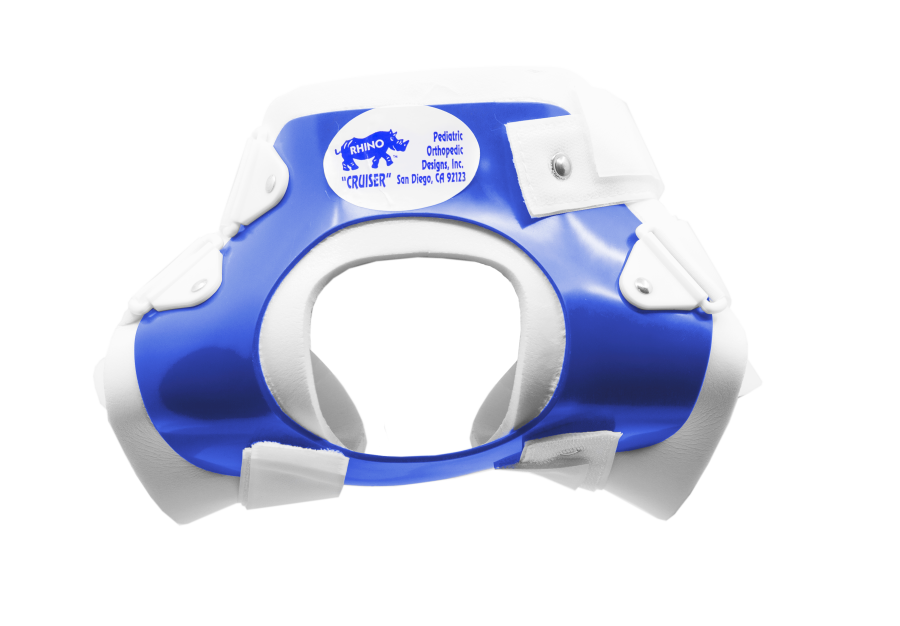
The Rhino Cruiser (Hip Abduction Brace): A Comprehensive Medical SEO Guide
In the complex landscape of orthopedic recovery and rehabilitation, the stability and proper alignment of the hip joint are paramount. For patients recovering from hip surgery, managing chronic hip instability, or addressing specific pediatric hip conditions, an external stabilization device often plays a critical role. Enter the Rhino Cruiser (Hip Abduction Brace) – a state-of-the-art orthopedic assisted device meticulously engineered to provide controlled abduction, rotational stability, and support to the hip joint.
As expert Medical SEO copywriters and orthopedic specialists, we understand the critical need for clear, authoritative information. This exhaustive guide delves into every facet of the Rhino Cruiser, from its innovative design and biomechanical principles to its extensive clinical applications, fitting protocols, and profound impact on patient outcomes. Our aim is to equip both healthcare professionals and patients with a deep understanding of this essential therapeutic tool.
Deep-Dive into Technical Specifications & Biomechanical Mechanisms
The efficacy of the Rhino Cruiser stems from its sophisticated design and the advanced materials employed in its construction. It is a testament to how modern orthotics integrate engineering principles with anatomical understanding to optimize patient recovery.
Design and Materials
The Rhino Cruiser is typically characterized by a modular, lightweight, yet robust construction, prioritizing both patient comfort and therapeutic effectiveness.
- Frame Construction:
- Material: Often fabricated from high-grade aluminum alloys or advanced composite materials (e.g., carbon fiber composites). These materials offer an optimal strength-to-weight ratio, ensuring durability without adding excessive bulk.
- Design: Features a semi-rigid pelvic band and adjustable thigh cuffs, connected by lateral bars with adjustable hinge mechanisms. This allows for precise control over abduction, adduction, flexion, and extension angles.
- Lining and Padding:
- Materials: Inner linings are typically made from breathable, hypoallergenic, moisture-wicking foams or silicone-based materials. These are crucial for preventing skin irritation, pressure sores, and ensuring patient comfort during extended wear.
- Features: Often removable and washable for hygiene, contoured to fit anatomical landmarks, and designed to distribute pressure evenly.
- Strap System:
- Components: Multiple adjustable straps (e.g., polyester, nylon, hook-and-loop fasteners) with quick-release buckles.
- Functionality: Designed to secure the brace firmly without restricting circulation, allowing for easy donning and doffing.
- Hinge Mechanisms:
- Type: Polycentric or single-axis hinges with precise goniometer adjustments.
- Control: Allow for incremental adjustments of hip abduction (typically 0-45 degrees), adduction, and controlled flexion/extension range of motion (ROM), often lockable at specific angles as prescribed.
Biomechanics of the Rhino Cruiser
The therapeutic action of the Rhino Cruiser is rooted in fundamental biomechanical principles aimed at stabilizing the hip joint and promoting optimal healing.
- Abduction Control: The primary function is to maintain the hip joint in a controlled abducted position. This is critical for:
- Preventing Dislocation: Post-total hip arthroplasty (THA), particularly with posterior approaches, maintaining abduction significantly reduces the risk of posterior dislocation by preventing excessive adduction and internal rotation.
- Reducing Joint Stress: In conditions like avascular necrosis or Perthes disease, abduction can help offload stress on the femoral head, promoting healing and preventing further deformation.
- Rotational Stability: The pelvic band and thigh cuffs, when properly applied, work in concert to limit unwanted internal and external rotation of the femur relative to the pelvis. This is crucial for protecting repaired tissues (e.g., labral repairs) and preventing shear forces across the joint.
- Three-Point Pressure System: The brace typically operates on a three-point pressure system:
- Pressure point 1: Against the lateral aspect of the pelvis.
- Pressure point 2: Against the medial aspect of the distal thigh.
- Pressure point 3: Counter-pressure against the lateral aspect of the proximal thigh.
This system effectively creates a moment that forces the hip into abduction.
- Proprioceptive Feedback: The constant external pressure and physical limitation provided by the brace offer enhanced proprioceptive feedback, reminding the patient of their hip's position in space and discouraging movements that could jeopardize recovery.
- Muscle Relaxation & Pain Reduction: By stabilizing the joint and preventing painful movements, the brace can help reduce muscle spasms and overall pain, facilitating earlier engagement in physical therapy.
Extensive Clinical Indications & Usage
The Rhino Cruiser Hip Abduction Brace is a versatile tool with a broad spectrum of applications across various orthopedic conditions and surgical interventions. Its ability to provide controlled stability makes it indispensable in specific rehabilitation protocols.
Detailed Surgical and Clinical Applications
| Category | Specific Conditions/Procedures The Rhino Cruiser is an external orthopedic device designed to restrict hip motion, primarily restricting adduction and rotation, to maintain the hip in a stable, abducted position. This guide provides comprehensive information for both medical professionals and patients. |
Fitting Instructions & Usage Protocol
Proper fitting and consistent usage are paramount for the effectiveness and safety of the Rhino Cruiser. This section outlines a general protocol; however, specific instructions from the prescribing physician and orthotist must always be followed.
I. Initial Fitting (Performed by a Trained Professional)
- Patient Assessment:
- Confirm correct sizing based on pelvic circumference and thigh length/circumference.
- Assess skin integrity, especially over bony prominences.
- Review prescribed abduction/flexion/extension angles and wearing schedule.
- Patient Positioning:
- Typically, the patient should be supine or standing, depending on their mobility and comfort, ensuring the hip is in a neutral or slightly flexed position.
- Pelvic Band Application:
- Position the pelvic band around the patient's waist, ensuring the posterior aspect is centered over the sacrum and the anterior aspect just above the iliac crests.
- Fasten securely but comfortably, allowing for deep breathing without excessive movement.
- Thigh Cuff Application:
- Position each thigh cuff around the mid-thigh, ensuring it is snug but not constricting, typically distal to the groin crease but proximal to the knee.
- The lateral bars should align with the greater trochanter and lateral midline of the thigh.
- Angle Adjustment:
- Abduction/Adduction: Adjust the lateral hinges to the prescribed abduction angle (e.g., 15-30 degrees). Ensure symmetry if bilateral. Lock the hinges.
- Flexion/Extension: Set the flexion/extension limits as prescribed by the surgeon/physician. This is crucial for controlling the hip's range of motion during activities like sitting or standing. Lock the hinges.
- Strap Tensioning:
- Systematically tighten all straps, starting from the pelvic band and moving to the thigh cuffs.
- Ensure even tension to prevent brace migration and concentrated pressure points.
- Check that the brace is secure and does not shift significantly with gentle movement.
- Comfort and Skin Integrity Check:
- Inspect all skin contact areas for blanching, redness, or signs of excessive pressure.
- Educate the patient on skin checks.
- Ensure the brace allows for comfortable sitting and standing (within prescribed ROM).
II. Ongoing Usage Instructions (Patient & Caregiver Education)
- Wearing Schedule: Adhere strictly to the physician's prescribed schedule, which may be 24/7 initially, gradually decreasing as recovery progresses. The brace should only be removed for hygiene or specific therapy exercises as advised.
- Donning/Doffing: Patients and/or caregivers should be instructed on how to safely put on and take off the brace, maintaining the prescribed hip position. This often involves lying supine.
- Clothing: Wear thin, seamless clothing (e.g., cotton undershirt, leggings) beneath the brace to absorb sweat and protect the skin. Avoid bulky seams.
- Activity Restrictions: Patients must understand and adhere to all activity restrictions, including weight-bearing status, lifting limits, and prohibited movements, even while wearing the brace.
- Regular Skin Checks: Daily inspection of the skin under and around the brace is crucial to identify any redness, blisters, or sores. Report any concerns to the healthcare provider immediately.
- Brace Integrity: Regularly check straps, buckles, and hinges for wear, looseness, or damage.
Maintenance & Sterilization Protocols
Maintaining the Rhino Cruiser is vital for patient hygiene, comfort, and the longevity of the device. While typically a single-patient use item, proper cleaning is essential.
Daily Care & Inspection
- Skin Inspection: Daily, or more frequently if prone to skin issues, remove the brace (if permitted) and inspect all skin areas that were in contact with the brace, especially over bony prominences (iliac crests, greater trochanters, sacrum, inner thighs). Look for redness, indentations that don't fade, blisters, or open sores.
- Liner Check: Inspect the fabric liners for sweat, dirt, or signs of wear.
- Brace Components: Check straps, buckles, and hinges for looseness, cracks, or damage. Ensure all locking mechanisms are secure.
Cleaning Protocols
- Removable Liners:
- Frequency: Daily or every few days, depending on patient activity and perspiration.
- Method: Remove liners from the brace. Hand wash gently with mild soap (e.g., baby shampoo, antibacterial hand soap) and lukewarm water. Rinse thoroughly to remove all soap residue.
- Drying: Air dry completely. Do not use a dryer or direct heat, as this can damage materials. Ensure liners are completely dry before reattaching to prevent skin irritation or bacterial growth.
- Rigid Frame Components (Pelvic Band, Thigh Cuffs, Bars):
- Frequency: As needed, or at least weekly.
- Method: Wipe down with a damp cloth using mild soap and water. For disinfection, a mild antiseptic wipe (e.g., alcohol-free medical wipes) can be used, ensuring it does not degrade plastic or metal components.
- Drying: Wipe dry immediately with a clean cloth to prevent corrosion of metal parts and ensure no moisture is trapped.
- Straps:
- Method: Can be spot-cleaned with mild soap and water. Ensure they are fully dried to maintain integrity.
Sterilization and Multi-Patient Use
- The Rhino Cruiser is generally designed for single-patient use. It is not typically sterilized for re-use across multiple patients due to the challenges of fully sterilizing complex components and the risk of cross-contamination.
- For institutional settings, if a brace is intended for re-issue (e.g., in a loaner program), it would require thorough cleaning, disinfection with hospital-grade solutions compatible with the materials, and a complete replacement of all soft goods (liners, straps) by a qualified orthotist or medical equipment provider. This process is complex and less common than single-patient provision.
Risks, Side Effects, or Contraindications
While the Rhino Cruiser is a highly effective therapeutic device, its use is not without potential risks or contraindications. Healthcare providers must carefully weigh these factors, and patients should be fully informed.
Potential Risks and Side Effects
- Skin Irritation/Breakdown: The most common complication. Caused by excessive pressure, friction, moisture, or improper fit. Can lead to redness, blisters, abrasions, or pressure ulcers.
- Nerve Compression: Improperly tightened straps or prolonged pressure over nerve pathways (e.g., peroneal nerve at the fibular head, femoral nerve in the groin) can lead to numbness, tingling, or weakness.
- Vascular Compromise: Overly tight straps can impede blood flow, particularly in the lower extremities, leading to swelling, discoloration, or coldness.
- Muscle Atrophy: Prolonged immobilization without appropriate physical therapy can lead to muscle weakness and atrophy around the hip and thigh.
- Joint Stiffness: While controlling motion, an overly restrictive or prolonged bracing regimen without concurrent range-of-motion exercises can contribute to joint stiffness.
- Discomfort & Impaired Mobility: The brace can be bulky and restrictive, impacting sleep, hygiene, and overall functional mobility.
- Allergic Reaction: Rarely, patients may experience an allergic reaction to brace materials (e.g., certain plastics, fabrics).
- Brace Failure/Malfunction: Wear and tear or improper handling can lead to component failure, compromising stability.
Contraindications
- Open Wounds or Severe Skin Lesions: Direct contact of the brace with open wounds, severe rashes, or active infections in the brace area is contraindicated due to infection risk and delayed healing.
- Severe Peripheral Vascular Disease: Patients with compromised circulation in the lower extremities may be at higher risk for vascular complications from brace pressure.
- Certain Neurological Conditions: Patients with severe sensory deficits may not be able to detect pressure points or nerve compression, increasing risk. Patients with severe spasticity or uncontrolled involuntary movements may struggle with brace compliance and fit.
- Non-Compliant Patients: Patients who are unable or unwilling to follow wearing instructions, skin care protocols, or activity restrictions are generally not good candidates for bracing, as non-compliance can lead to severe complications.
- Specific Fracture Patterns: In some unstable fracture patterns, an external brace may not provide sufficient immobilization and could be contraindicated.
- Severe Edema: Significant or fluctuating limb edema can make proper fitting impossible and increase the risk of pressure issues.
Patient Outcome Improvements
The judicious application of the Rhino Cruiser Hip Abduction Brace significantly contributes to improved patient outcomes across various orthopedic scenarios.
- Reduced Risk of Hip Dislocation: This is arguably the most critical outcome, especially post-THA (particularly posterior approach) or in cases of chronic hip instability. By maintaining the hip in a safe abducted and often externally rotated position, the brace mechanically prevents movements that could lead to dislocation.
- Enhanced Post-Operative Healing: By stabilizing the joint and limiting shear forces, the brace creates an optimal environment for soft tissue healing (capsule, muscles, tendons) and bone integration (in cases of osteotomy or fracture fixation).
- Improved Pain Management: By preventing painful micro-movements and providing a sense of stability, patients often experience reduced pain, which can decrease reliance on analgesics and improve overall comfort.
- Facilitated Early Mobilization and Rehabilitation: While restrictive, the controlled stability offered by the brace allows for safer, earlier weight-bearing and initiation of prescribed physical therapy exercises, which are crucial for functional recovery.
- Faster Return to Function: By minimizing complications and promoting efficient healing, patients can often progress through their rehabilitation milestones more quickly, leading to an earlier return to daily activities and, eventually, work or leisure pursuits.
- Increased Patient Confidence and Compliance: Knowing they have external support and protection can significantly boost patient confidence, reducing anxiety about movement and encouraging adherence to the rehabilitation program.
- Prevention of Secondary Complications: Beyond dislocation, the brace can help prevent other issues such as subluxation, excessive joint inflammation due to uncontrolled movement, and potentially mitigate the progression of certain degenerative conditions.
Massive FAQ Section
Here are some frequently asked questions regarding the Rhino Cruiser Hip Abduction Brace, designed to address common patient and caregiver concerns.
1. What is a hip abduction brace, and why is it prescribed?
A hip abduction brace, like the Rhino Cruiser, is an orthopedic device designed to stabilize the hip joint by maintaining it in a specific position, typically with the leg angled outwards (abducted) and controlled rotation. It's prescribed to prevent dislocation after hip surgery (e.g., total hip replacement), manage hip instability, protect healing tissues, or treat certain pediatric hip conditions.
2. How is the Rhino Cruiser different from other hip braces?
The Rhino Cruiser is distinguished by its robust yet lightweight design, precise adjustability for abduction and rotational control, and patient-centric features like breathable, hypoallergenic liners. Its advanced hinge mechanisms allow for highly customized range-of-motion settings, making it suitable for a wide array of clinical applications.
3. How long do I need to wear the Rhino Cruiser?
The duration of wear is highly individualized and determined by your orthopedic surgeon or physician. It depends on your specific condition, the type of surgery performed, and your recovery progress. Some patients may wear it 24/7 for several weeks, while others may only need it during specific activities or at night. Always follow your doctor's exact instructions.
4. Can I sleep with the Rhino Cruiser on?
In most cases, yes. Your doctor will likely instruct you to wear the brace while sleeping, especially during the initial stages of recovery, to maintain hip stability and prevent unwanted movements that could lead to injury or dislocation. Ensure the brace is comfortable and correctly positioned before sleeping.
5. How do I clean my Rhino Cruiser brace?
The removable soft liners should be hand-washed with mild soap and lukewarm water, then air-dried completely. The rigid frame components can be wiped down with a damp cloth and mild soap. Avoid harsh chemicals or machine washing/drying, as these can damage the materials. Regular cleaning is essential for hygiene and skin health.
6. What should I do if the brace feels uncomfortable or causes skin irritation?
Mild discomfort is common initially, but persistent or severe pain, numbness, tingling, or significant skin redness/blisters are not normal. Immediately contact your prescribing physician or orthotist. Do NOT try to adjust the brace yourself beyond simple strap tightening, as this could compromise its effectiveness or cause further issues.
7. Can I shower or bathe with the brace on?
Generally, no. The Rhino Cruiser is not designed to be submerged in water. You will typically be instructed on how to safely remove the brace for showering or bathing, maintaining your hip precautions during this time. Always confirm this with your healthcare provider.
8. Will the Rhino Cruiser restrict my movement completely?
The Rhino Cruiser is designed to control and limit specific movements (like excessive adduction or rotation) to protect your hip. It will restrict your range of motion to the angles set by your doctor. It's not meant to completely immobilize you but rather to guide safe movement within prescribed limits.