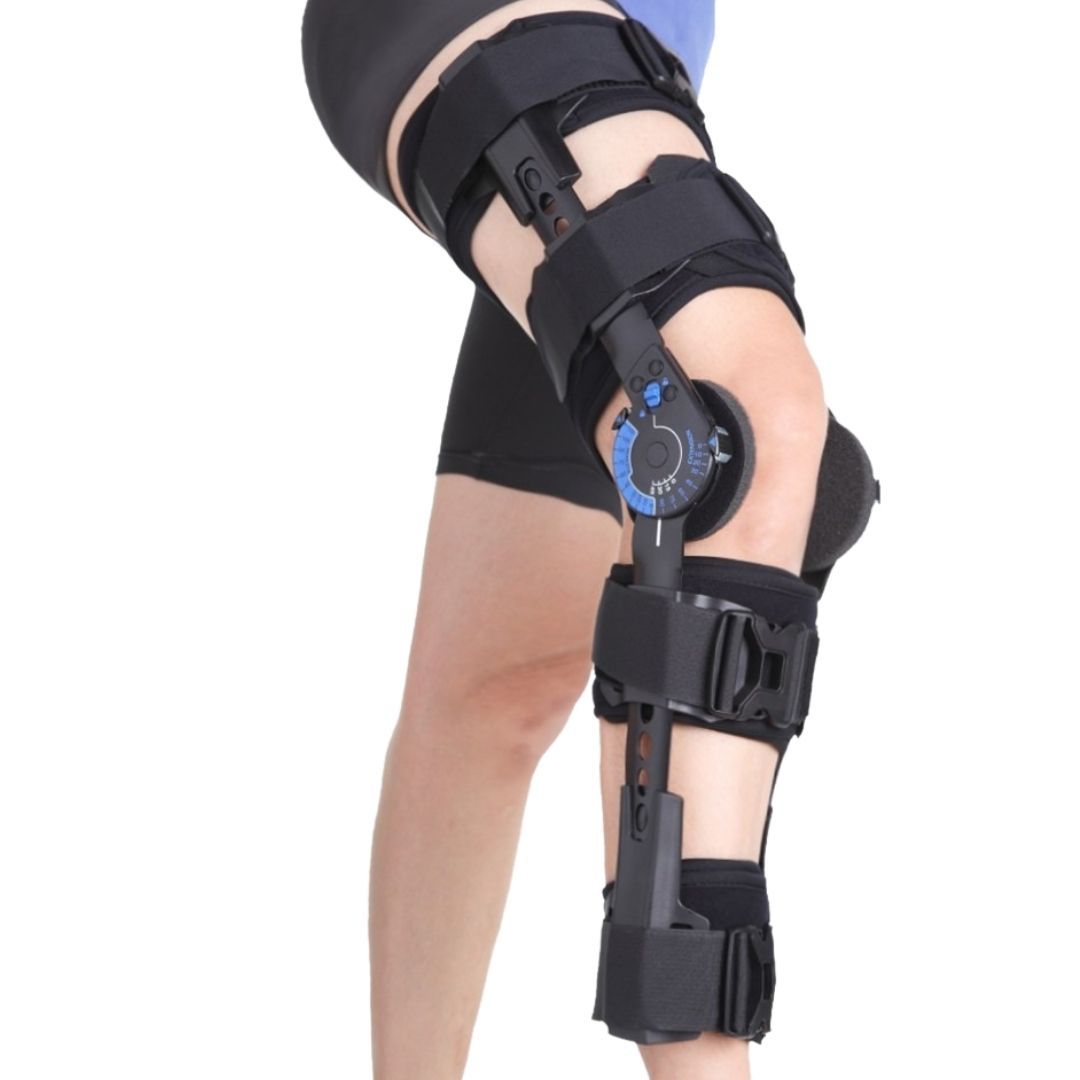
Prophylactic Knee Braces: Your Shield Against Injury and Path to Enhanced Performance
In the demanding world of sports and physically intensive activities, knee injuries, particularly ligamentous tears like those affecting the anterior cruciate ligament (ACL) and medial collateral ligament (MCL), represent a significant setback for athletes and active individuals alike. The prophylactic knee brace emerges as a crucial orthopedic assisted device designed to mitigate these risks, offering a proactive approach to knee health and longevity. This comprehensive guide, authored by expert medical SEO copywriters and orthopedic specialists, delves into every facet of prophylactic knee bracing, from its intricate design to its profound biomechanical impact and clinical applications.
1. Comprehensive Introduction & Overview
A prophylactic knee brace is a specialized external support device engineered to prevent or reduce the severity of knee injuries, primarily those affecting the ligaments and menisci, during high-risk physical activities. Unlike rehabilitative or functional braces worn after an injury, prophylactic braces are intended for use on healthy knees or fully recovered knees returning to sport, acting as a preventative measure.
Key Objectives of Prophylactic Bracing:
* Injury Prevention: Significantly reduce the incidence and severity of ligamentous injuries, especially ACL and MCL tears, which are common in contact and non-contact sports involving pivoting, jumping, and rapid changes in direction.
* Enhanced Stability: Provide external support to the knee joint, limiting excessive motion and distributing forces away from vulnerable anatomical structures.
* Psychological Comfort: Offer athletes a sense of security and confidence, allowing them to perform at their peak without undue fear of injury.
* Performance Support: While primarily preventive, some designs aim to optimize knee kinematics, potentially aiding in movement efficiency.
The concept of prophylactic bracing gained prominence in the 1970s and 80s, particularly in American football, driven by concerns over the high incidence of knee injuries. Since then, advancements in materials science, biomechanical understanding, and design principles have led to sophisticated, lightweight, and highly effective braces that are widely adopted across various athletic disciplines, including skiing, basketball, soccer, and extreme sports.
2. Deep-dive into Technical Specifications / Mechanisms
The efficacy of a prophylactic knee brace lies in its sophisticated design and the underlying biomechanical principles it employs.
2.1. Design & Materials
Modern prophylactic knee braces are a marvel of engineering, combining strength, lightness, and anatomical precision.
-
Frame Construction:
- Materials: Predominantly high-grade carbon fiber composites or aircraft-grade aluminum alloys. These materials are chosen for their exceptional strength-to-weight ratio, rigidity, and durability. Carbon fiber offers superior energy absorption and is often preferred for its lightweight nature.
- Design: Anatomically contoured shells that conform to the shape of the thigh and calf, providing a rigid external scaffold. The frame is typically open-fronted, allowing for ease of donning and doffing, and features strategically placed uprights (medial and lateral) connected by hinges.
-
Hinge Mechanisms:
- Polycentric Hinges: The gold standard, these hinges mimic the natural rolling and gliding motion (instantaneous center of rotation) of the knee joint. This design ensures that the brace moves synchronously with the knee, preventing pistoning (brace migration) and minimizing unnatural stresses on the joint.
- Single-Axis Hinges: Simpler, allowing only flexion and extension. Less common in high-end prophylactic braces due to their inability to fully replicate natural knee kinematics.
- Adjustable Stops: Many braces incorporate adjustable flexion and extension stops, allowing clinicians to limit the range of motion to specific degrees, further protecting healing or vulnerable structures.
-
Strapping Systems:
- Materials: High-strength, non-stretch webbing often coupled with neoprene, silicone, or proprietary non-slip coatings.
- Function: Crucial for securing the brace to the limb and engaging the four-point leverage system. Straps are strategically placed above and below the knee, often featuring numbered or color-coded systems for consistent application.
- Padding: Soft, breathable, hypoallergenic foam padding lines the internal surfaces of the brace and straps, enhancing comfort, preventing skin irritation, and distributing pressure evenly. Materials like EVA foam or specialized gel pads are common.
-
Custom vs. Off-the-Shelf Braces:
- Off-the-Shelf: Pre-sized braces available in a range of sizes. More affordable and readily available. Suitable for many individuals but may not offer the precise fit of a custom brace.
- Custom-Fabricated: Molded directly from a cast or digital scan of the individual's leg. Offers an unparalleled fit, maximizing comfort, stability, and efficacy. Often recommended for elite athletes or those with unique anatomical considerations.
2.2. Biomechanics: How They Work
The primary mechanism of action for prophylactic knee braces is the four-point leverage system, coupled with proprioceptive feedback.
-
Four-Point Leverage System: This system uses four strategic points of contact on the limb to create opposing forces that resist anterior tibial translation (the primary mechanism of ACL injury) and valgus/varus stress (MCL/LCL injury).
- Point 1: Posterior calf strap, pulling the tibia posteriorly.
- Point 2: Anterior thigh strap, pushing the femur anteriorly.
- Point 3: Posterior thigh cuff, providing an anterior force to the femur.
- Point 4: Anterior tibial cuff, providing a posterior force to the tibia.
These forces work synergistically to stabilize the knee joint, effectively "unloading" the ligaments and preventing them from reaching their failure point during impact or extreme movements.
-
Limiting Excessive Motion:
- Hyperextension Control: The rigid frame and hinge stops prevent the knee from extending beyond its physiological limit, a common mechanism for ACL injury.
- Valgus/Varus Control: The medial and lateral uprights and rigid frame resist inward (valgus) or outward (varus) bending forces that can damage the MCL or LCL.
- Rotational Stability: While direct rotational control is challenging, the overall rigidity and fit of the brace can indirectly reduce excessive tibial rotation relative to the femur.
-
Proprioceptive Feedback: The constant tactile pressure from the brace provides enhanced proprioception (the body's sense of its position in space). This increased sensory input can lead to quicker muscle activation and improved neuromuscular control, allowing the individual to react more effectively to potentially injurious movements.
-
Energy Absorption and Distribution: In impact sports, the brace can absorb and distribute external forces over a larger surface area, reducing peak stress on specific knee structures.
3. Extensive Clinical Indications & Usage
Prophylactic knee braces are indicated for a wide range of individuals and scenarios where the risk of knee ligament injury is elevated.
3.1. Primary Indications
- High-Risk Contact Sports: Athletes participating in sports such as American football, rugby, lacrosse, and ice hockey, where direct impact and twisting forces are common.
- High-Risk Non-Contact Sports: Athletes in sports requiring rapid pivoting, jumping, cutting, and landing maneuvers, including soccer, basketball, volleyball, skiing, gymnastics, and tennis. These activities place significant stress on the ACL.
- Individuals with Mild to Moderate Ligamentous Laxity: Those identified with a predisposition to knee instability, even without a prior major injury.
- Post-Rehabilitation for Return to Sport: While a functional brace is typically used for the injured knee post-surgery, a prophylactic brace may be recommended for the contralateral (uninjured) limb to prevent a new injury, especially in athletes returning to high-risk sports. Some clinicians also recommend them for the repaired knee once full strength and stability are achieved, as an added layer of protection.
- Prevention of Re-injury: For athletes who have previously sustained a knee injury (e.g., MCL sprain) and have fully recovered, a prophylactic brace can offer reassurance and protection when returning to demanding activities.
3.2. Detailed Clinical Applications
- Sports Medicine Injury Prevention Programs: Integration into comprehensive programs for athletic teams, where all players in certain positions (e.g., linemen in football) or sports may be mandated or strongly encouraged to wear them.
- Pre-Season Screening and Fitting: Orthopedic specialists and certified athletic trainers conduct pre-season assessments to identify candidates for prophylactic bracing and ensure precise measurements and proper fitting.
- Long-Term Athlete Health: For professional athletes, the use of prophylactic braces can contribute to a longer, healthier career by reducing the cumulative risk of career-ending knee injuries.
3.3. Fitting & Usage Instructions
Proper fitting and consistent usage are paramount for the effectiveness of a prophylactic knee brace.
- Professional Fitting is Crucial: Always seek fitting by an orthopedic specialist, athletic trainer, or certified orthotist. Incorrect fitting can lead to discomfort, reduced efficacy, and even exacerbate injury risk.
- Measurement: Precise measurements of thigh circumference, calf circumference, and knee width/length are taken to determine the correct size for off-the-shelf braces or for custom fabrication.
- Donning Technique:
- Sit with the knee bent at approximately 20-30 degrees.
- Slide the brace onto the leg, ensuring the hinges align with the knee's natural axis of rotation (typically just above the joint line).
- Secure the straps in a specific sequence (often numbered), typically starting with the strap below the knee, then the lower thigh strap, followed by the upper calf strap, and finally the upper thigh strap.
- Adjust strap tension: Straps should be snug but not uncomfortably tight, allowing for full range of motion without slipping.
- Alignment Check: Stand and perform a few knee bends. The hinges should remain aligned with the knee joint. If the brace migrates or twists, adjustments are needed.
- Wearing Duration: Prophylactic braces are generally worn only during the specific high-risk activity or sport. They are not typically worn for extended periods during daily activities unless specifically advised by a physician.
- Break-in Period: A short break-in period may be necessary to allow the brace and the wearer to adjust. Minor discomfort during initial use is normal but should subside. Persistent pain or skin irritation requires immediate attention.
3.4. Patient Outcome Improvements
The benefits of prophylactic knee bracing extend beyond mere injury reduction.
- Reduced Injury Incidence and Severity: Numerous studies, particularly in sports like American football, have demonstrated a significant reduction in MCL injuries and, to a lesser extent, ACL injuries. When injuries do occur, their severity may be lessened.
- Improved Confidence and Psychological Readiness: Athletes often report increased confidence and reduced apprehension when wearing a brace, allowing them to focus fully on their performance.
- Potential for Longer Athletic Careers: By preventing or mitigating severe knee injuries, braces can contribute to the longevity of an athlete's career, reducing the need for surgery and extensive rehabilitation.
- Economic Benefits: Avoiding costly surgeries, rehabilitation, and time away from sport or work translates into significant economic savings for individuals and healthcare systems.
- Enhanced Proprioception: The tactile feedback from the brace can improve an athlete's awareness of their knee's position, leading to quicker reflexive actions and better control during dynamic movements.
4. Risks, Side Effects, or Contraindications
While highly beneficial, prophylactic knee braces are not without potential drawbacks or situations where their use is not advisable.
4.1. Risks & Side Effects
- Skin Irritation and Chafing: Poorly fitted braces or inadequate padding can lead to skin redness, blisters, or pressure sores, especially in areas of high contact.
- Muscle Atrophy (Theoretical): While a concern, the idea that prophylactic braces weaken knee muscles by "doing the work" of ligaments is largely unfounded for short-term use during sport. The muscles are still fully engaged in dynamic movements. However, excessive, unnecessary, or prolonged use outside of activity could theoretically contribute to some deconditioning.
- Discomfort and Bulkiness: Some individuals may find braces bulky, restrictive, or uncomfortable, especially during initial use or if not properly fitted. This can sometimes impact perceived performance.
- False Sense of Security: A significant risk is that athletes may develop a false sense of invincibility, leading them to engage in riskier behaviors or neglect proper technique, potentially overriding the brace's protective effect.
- Reduced Performance (Perceived or Actual): While many adapt, some athletes report a perceived reduction in agility, speed, or range of motion due to the brace's weight or friction. Objective studies on performance impact are mixed.
- Allergic Reactions: Rare, but individuals may react to materials used in the brace, such as neoprene or certain foams.
4.2. Contraindications
- Severe Vascular Compromise: Any condition that severely impairs blood flow to the lower limb (e.g., peripheral arterial disease) could be exacerbated by the pressure from a brace.
- Open Wounds or Infections: Braces should not be worn directly over open skin lesions, ulcers, or active infections, as this can impede healing and worsen the condition.
- Certain Dermatological Conditions: Skin conditions like severe eczema or psoriasis in the bracing area may be irritated by brace use.
- Extreme Obesity: In some cases, extreme obesity can make proper fitting challenging, reducing the brace's effectiveness and increasing the risk of skin issues.
- Severe Cognitive Impairment: Individuals unable to understand or follow proper fitting and usage instructions may not be suitable candidates.
- Not a Substitute for Proper Conditioning: Crucially, a prophylactic knee brace is an adjunct, not a replacement, for comprehensive strength training, conditioning, proper technique, and adherence to sport-specific safety rules.
5. Maintenance/Sterilization Protocols
Proper care and maintenance are essential for extending the lifespan of a prophylactic knee brace and ensuring its continued hygiene and effectiveness.
5.1. Cleaning
- Regular Cleaning: After each rigorous use, or at least periodically, clean the brace.
- Frame: Wipe down the rigid frame with a damp cloth using mild soap (e.g., dish soap) and water. Avoid harsh chemicals or abrasive cleaners that could damage materials.
- Straps and Pads:
- Many pads and straps are removable and can be hand-washed with mild soap and water.
- Rinse thoroughly to remove all soap residue.
- Air Dry ONLY: Allow all components to air dry completely. Do NOT use direct heat sources (e.g., dryers, radiators, direct sunlight) as this can degrade materials like neoprene, plastics, and adhesives, causing them to become brittle or lose elasticity.
- Hinges: Check for debris. A damp cloth can be used. Avoid excessive water in the hinge mechanism itself, and do not lubricate unless specifically instructed by the manufacturer.
5.2. Inspection
- Daily/Pre-Use Check: Before each use, quickly inspect the brace for any obvious damage.
- Frame Integrity: Look for cracks, stress fractures, or deformation in the carbon fiber or metal frame.
- Hinge Functionality: Ensure hinges move smoothly through their full range of motion without grinding, sticking, or excessive play. Check that any adjustable stops are securely in place.
- Strap Condition: Inspect straps for fraying, tears, stretching, or loss of elasticity. Ensure buckles and Velcro closures are functional and secure.
- Padding Wear: Check padding for compression, tears, or signs of breakdown. Worn padding can reduce comfort and effectiveness.
- Fasteners: Ensure all screws, rivets, or other fasteners are tight and secure.
5.3. Storage
- Store the brace in a cool, dry place away from direct sunlight and extreme temperatures.
- Avoid storing it compressed or with heavy objects on top, which could deform the frame or padding.
5.4. Professional Servicing
- Consider annual professional checks, especially for high-use athletes. Orthotists or athletic trainers can assess wear and tear, replace worn components (e.g., straps, pads), and make necessary adjustments to maintain optimal fit and function.
6. Frequently Asked Questions (FAQ)
Q1: What is a prophylactic knee brace, and how does it differ from other knee braces?
A prophylactic knee brace is designed to prevent knee injuries, particularly ligamentous tears, in healthy or fully recovered knees during high-risk activities. This contrasts with functional braces (worn after injury to support a damaged knee) and rehabilitative braces (used post-surgery to control range of motion during healing).
Q2: Who should consider wearing a prophylactic knee brace?
Individuals participating in high-risk contact sports (e.g., football, rugby) or non-contact sports with frequent pivoting, jumping, and cutting motions (e.g., basketball, soccer, skiing) are primary candidates. Also, athletes returning to sport after a previous knee injury may wear one on the uninjured limb or as an added layer of protection on the recovered knee.
Q3: Do prophylactic knee braces actually work to prevent injuries?
Yes, numerous studies, particularly in American football, have demonstrated their effectiveness in reducing the incidence and severity of MCL injuries. While the evidence for ACL injury prevention is more mixed (due to the complex biomechanics of ACL tears), many clinicians and athletes believe they offer significant protection and psychological benefits.
Q4: How do I choose the right prophylactic knee brace for me?
Choosing the right brace requires professional guidance. An orthopedic specialist, athletic trainer, or orthotist will assess your activity level, sport, anatomical measurements, and specific risk factors to recommend either a high-quality off-the-shelf brace or a custom-fabricated one. Proper fit is crucial for efficacy and comfort.
Q5: Is a custom-made prophylactic knee brace better than an off-the-shelf brace?
Custom braces are molded precisely to your leg, offering an unparalleled fit, superior comfort, and potentially greater stability and protection. They are often recommended for elite athletes or those with unique anatomical needs. Off-the-shelf braces are more affordable and suitable for many but may not offer the same level of personalized fit.
Q6: Can wearing a prophylactic knee brace weaken my knee muscles?
No, current evidence does not support the notion that wearing a prophylactic knee brace during activity weakens the knee muscles. Muscles are still actively engaged in all movements. However, wearing a brace unnecessarily for prolonged periods outside of sport or activity is not recommended and could theoretically contribute to some minor deconditioning.
Q7: How long should I wear my prophylactic knee brace?
Prophylactic knee braces are typically worn only during the specific high-risk activity or sport for which they are intended. They are not designed for continuous daily wear. Your healthcare provider will give specific recommendations based on your individual needs and activity level.
Q8: How should I clean and maintain my prophylactic knee brace?
Regular cleaning is important. Wipe the rigid frame with mild soap and water. Removable pads and straps can usually be hand-washed with mild soap and air-dried completely. Avoid harsh chemicals or direct heat. Regularly inspect the brace for any signs of wear, damage, or loose components, and seek professional servicing if needed.
Q9: Are there any sports or activities where these braces are not recommended?
While generally safe, individuals in sports requiring extreme flexibility or where the brace's bulk might significantly impede highly specific movements (e.g., certain gymnastic routines) might find them less suitable. Always consult with a sports medicine professional regarding specific sport applications.
Q10: What's the difference between a prophylactic and a functional knee brace?
A prophylactic brace prevents initial injury to a healthy knee. A functional brace is worn after an injury (e.g., ACL tear) to provide stability and support to the damaged knee, often allowing a return to activity with added protection.
Q11: Will wearing a prophylactic brace hinder my athletic performance?
While some athletes initially perceive a slight hindrance due to the brace's bulk or weight, most adapt quickly. Modern designs are lightweight and engineered to allow for natural knee motion. Many athletes report improved confidence and focus, which can positively impact performance. Objective studies on performance impact are mixed, but the primary goal is injury prevention.
Q12: Is a prophylactic knee brace typically covered by insurance?
Insurance coverage for prophylactic knee braces varies widely depending on your specific plan, the brace type (off-the-shelf vs. custom), and the medical necessity determined by your physician. It's advisable to check with your insurance provider and obtain a prescription from your doctor to understand potential coverage.