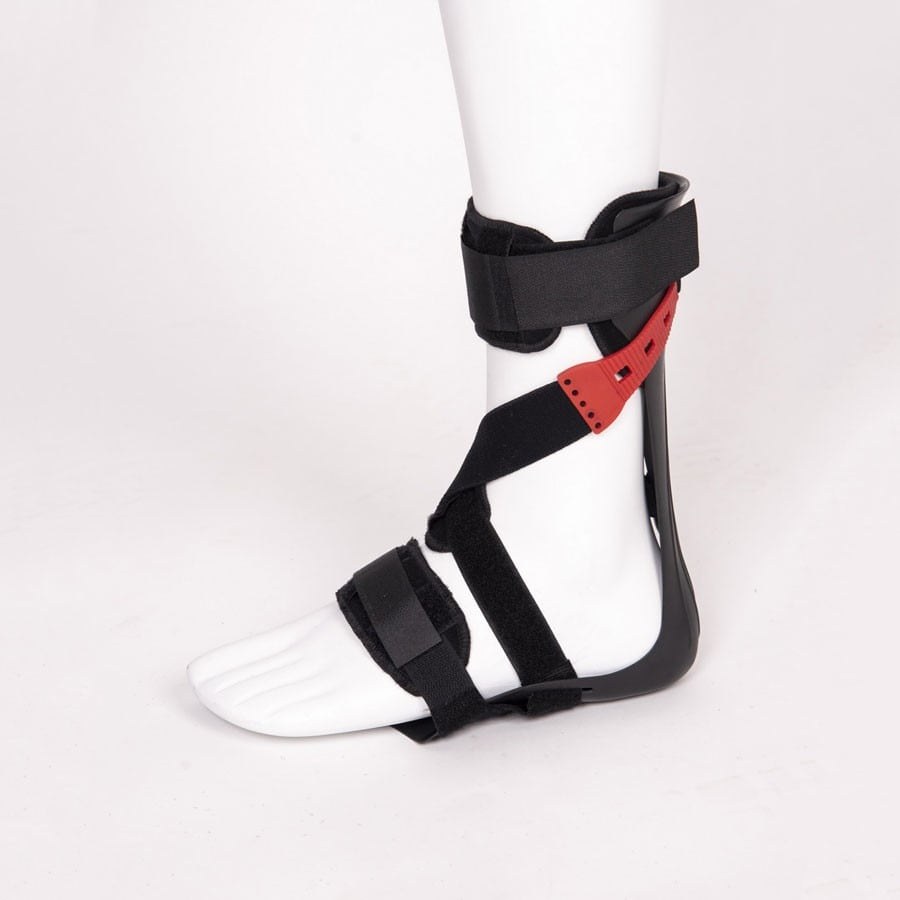
The Rocker Bottom Post-Op Shoe: Your Essential Guide to Orthopedic Recovery
In the intricate world of orthopedic recovery, protecting the surgical site while facilitating early, safe ambulation is paramount. Among the most vital tools aiding this process is the Post-Op Shoe (Rocker Bottom). This specialized orthopedic device is engineered to provide critical support, pressure redistribution, and biomechanical assistance, playing a pivotal role in the healing journey for countless patients undergoing foot and ankle procedures.
This comprehensive guide, crafted by an expert Medical SEO Copywriter and Orthopedic Specialist, delves deep into every facet of the rocker bottom post-op shoe. We will explore its innovative design, specific clinical applications, proper usage, maintenance protocols, underlying biomechanics, and its profound impact on patient outcomes.
Comprehensive Introduction & Overview
A post-operative shoe, commonly referred to as a "post-op shoe," is a medical-grade footwear designed to protect the foot and ankle after surgery, injury, or in cases requiring offloading of specific areas. The "rocker bottom" variant distinguishes itself with a uniquely curved sole, mimicking the natural roll of the foot during gait. This design is not merely aesthetic; it is a meticulously engineered feature that significantly alters the biomechanics of walking, providing a controlled and stable platform for recovery.
Key Functions of a Rocker Bottom Post-Op Shoe:
- Protection: Shields the foot from external impact and pressure, safeguarding surgical incisions, sutures, and healing bone/soft tissues.
- Pressure Redistribution: Strategically offloads weight from sensitive or compromised areas of the foot, preventing excessive stress on surgical sites.
- Stabilization: Provides a stable environment for the foot and ankle, limiting unwanted motion that could disrupt healing.
- Ambulation Assistance: Facilitates a smoother, less painful gait, encouraging early mobility while adhering to weight-bearing restrictions.
- Swelling Accommodation: Adjustable straps and open-toe designs allow for fluctuations in foot swelling common after surgery.
This device is an indispensable component of the post-operative protocol, bridging the gap between non-weight-bearing immobilization and a return to regular footwear. Its thoughtful design ensures that patients can regain mobility safely and effectively, contributing to a more comfortable and expedited recovery.
Deep-Dive into Technical Specifications & Mechanisms
The efficacy of the rocker bottom post-op shoe lies in its sophisticated design and the underlying biomechanical principles it leverages.
Design & Materials
The construction of a high-quality rocker bottom post-op shoe involves a blend of durable, protective, and comfortable materials, all integrated into a functional design.
- Sole Design (Rocker Bottom):
- Curvature: The defining feature is the pronounced curvature of the sole, typically from the midfoot to the toe, and sometimes subtly at the heel. This curvature promotes a "rocking" motion during ambulation.
- Rigidity: The sole is usually rigid to prevent unwanted bending or flexing of the foot, which is crucial for protecting healing structures.
- Tread: Non-slip, durable rubber tread provides traction and longevity.
- Upper Construction:
- Breathable Fabrics: Often made from lightweight, breathable materials like mesh, canvas, or synthetic fabric to prevent heat buildup and maintain skin integrity.
- Adjustable Straps: Multiple hook-and-loop (Velcro®) straps across the forefoot, midfoot, and sometimes ankle allow for precise, customizable fit and easy adjustment for swelling.
- Open Toe/Closed Toe: Many designs feature an open toe to accommodate dressings and prevent pressure on the toes. Some offer a closed toe for added protection.
- Insole:
- Cushioned & Removable: Typically features a soft, cushioned insole for comfort and shock absorption. Often removable to allow for custom orthotics or specific offloading inserts.
- Material: Often EVA (ethylene-vinyl acetate) foam for cushioning.
- Heel Counter:
- Stable & Padded: A firm, padded heel counter helps stabilize the rearfoot and prevent slippage.
- Overall Shape:
- Wide & Deep: Designed to accommodate bulky dressings, bandages, and post-operative swelling without causing constriction.
Biomechanics
The rocker bottom design fundamentally alters the normal gait cycle to protect the healing foot.
Table: Biomechanical Effects of Rocker Bottom Sole
| Biomechanical Effect | Description | Benefit in Post-Op Recovery |
|---|---|---|
| Pressure Redistribution | The curved sole distributes weight more evenly across the plantar surface, shifting pressure away from specific high-pressure areas (e.g., forefoot after bunionectomy, heel after calcaneal surgery). | Prevents excessive load on surgical sites, reduces pain, minimizes risk of wound breakdown, and promotes optimal healing. Crucial for diabetic foot care to prevent ulceration. |
| Reduced Joint Motion | The rigid sole prevents dorsiflexion and plantarflexion at the ankle and metatarsophalangeal (MTP) joints, as well as midfoot flexion. The rocking motion replaces the natural joint movements. | Protects surgical repairs (e.g., MTP fusions, Achilles tendon repairs), limits stress on healing ligaments/bones, and reduces pain associated with joint movement. |
| Facilitated Gait Cycle | The rocker sole allows for a smooth "roll-over" from heel strike to toe-off, mimicking the propulsive phase of normal gait without requiring active joint motion from the foot. | Promotes a more natural and energy-efficient walking pattern compared to a flat, rigid shoe. Reduces compensatory movements in other joints (knee, hip, back), minimizing secondary pain or injury. |
| Shock Absorption | The materials used in the sole (e.g., EVA, rubber) absorb impact forces during weight-bearing, protecting the fragile healing structures from repetitive microtrauma. | Minimizes jarring forces on surgical sites, contributing to pain reduction and enhanced patient comfort during ambulation. |
| Increased Stability (Controlled) | While a rocker can seem unstable, the broad base and rigid construction provide a controlled, stable platform. The curvature guides the foot through a predictable path, reducing uncontrolled inversion/eversion. | Helps prevent slips and falls by providing a secure base, especially important for patients with compromised balance or strength post-surgery. Enhances confidence in early weight-bearing. |
Extensive Clinical Indications & Usage
The rocker bottom post-op shoe is a versatile device prescribed for a wide array of orthopedic conditions and surgical interventions affecting the foot and ankle.
Detailed Surgical or Clinical Applications
1. Forefoot Surgeries:
* Bunionectomy (Hallux Valgus Correction): Essential for offloading the first metatarsal head and preserving surgical correction, preventing pressure on the healing joint and soft tissues.
* Hammertoe/Claw Toe Correction: Protects the straightened toes and fusion sites, preventing re-flexion deformities.
* Metatarsal Osteotomies: Reduces pressure on the surgical cuts in the metatarsals, crucial for bone healing.
* Morton's Neuroma Excision: Protects the surgical site and prevents pressure on the interdigital nerve.
* Forefoot Arthrodesis/Fusions: Immobilizes and protects fusion sites for optimal bone union.
2. Midfoot & Hindfoot Conditions/Surgeries:
* Lisfranc Injuries/Fusions: Provides critical support and limits motion across the tarsometatarsal joints, often used post-cast removal for controlled weight-bearing.
* Midfoot Osteotomies: Protects bone cuts and allows for controlled load distribution.
* Achilles Tendon Repair (Post-Immobilization): After a period in a cast or boot, a rocker bottom shoe can facilitate a gradual return to weight-bearing and ambulation by reducing ankle range of motion.
* Calcaneal Fractures (Stable, Post-Immobilization): In certain stable cases, or after initial rigid immobilization, a rocker bottom shoe can aid in controlled weight-bearing by distributing pressure away from the heel.
* Plantar Fasciitis (Severe/Chronic): Can be used in conservative management to offload the plantar fascia and reduce heel pain, particularly if traditional orthotics are insufficient.
3. Diabetic Foot Care & Neuropathy:
* Diabetic Foot Ulcers: Crucial for offloading pressure from existing ulcers, especially neuropathic ulcers on the plantar surface, to promote healing and prevent recurrence.
* Charcot Neuroarthropathy: Provides protection and offloading for the fragile foot in acute or chronic Charcot, preventing further collapse and deformity.
4. Trauma & Non-Surgical Conditions:
* Stable Foot Fractures: For metatarsal or phalangeal fractures that do not require full casting, providing protection and controlled ambulation.
* Severe Sprains/Strains: When protection and limited motion are required for ligaments or tendons in the foot or ankle.
* Post-Removal of Casts/Boots: A transitional device to provide support and protection as patients transition back to regular footwear.
Fitting & Usage Instructions
Proper fitting and usage are critical for the effectiveness and safety of the post-op shoe.
1. Sizing:
* Measure: Always measure the foot length and width, and refer to the manufacturer's sizing chart.
* Accommodate Dressings: Ensure there is enough room for any post-operative dressings or bandages without compressing them.
* Toe Clearance: The longest toe should not touch the front of the shoe.
* Width: The foot should fit comfortably within the width, allowing for swelling.
2. Donning the Shoe:
* Loosen Straps: Fully loosen all hook-and-loop straps.
* Position Foot: Gently slide the operated foot into the shoe, ensuring the heel is seated firmly against the back of the shoe.
* Secure Straps: Fasten the straps, starting from the toe area and working towards the ankle. Tighten them snugly but not so tightly that they cause discomfort, restrict circulation, or create pressure points.
* Check Fit: Ensure the foot is centered and stable within the shoe.
3. Walking & Weight-Bearing:
* Follow Instructions: Adhere strictly to your surgeon's specific weight-bearing instructions (e.g., non-weight-bearing, toe-touch weight-bearing, partial weight-bearing, full weight-bearing as tolerated).
* Controlled Gait: When walking, focus on a smooth, controlled rocking motion. Avoid stomping or sudden movements. Let the shoe's rocker sole guide your foot.
* Short Steps: Take shorter, deliberate steps, especially on uneven surfaces.
* Assistive Devices: Use crutches, a walker, or a cane as prescribed, particularly during the initial stages of ambulation.
* Bilateral Use (If Necessary): If prescribed for both feet, or if a shoe is needed on the contralateral foot to equalize leg length, ensure both are fitted correctly.
4. Duration of Use:
* The duration varies based on the surgery type, individual healing rate, and surgeon's protocol. It can range from a few weeks to several months. Always follow your medical professional's guidance.
Patient Outcome Improvements
The use of a rocker bottom post-op shoe significantly contributes to superior patient outcomes.
- Enhanced Protection: Minimizes the risk of re-injury, wound dehiscence, or surgical site complications.
- Reduced Pain & Discomfort: By offloading pressure and facilitating a smoother gait, patients experience less pain during ambulation.
- Improved Early Mobility: Encourages patients to become mobile sooner and more safely, preventing complications associated with prolonged immobility (e.g., muscle atrophy, stiffness, deep vein thrombosis).
- Faster Rehabilitation: Aides in progressing through rehabilitation phases more effectively, leading to a quicker return to daily activities and functional independence.
- Better Adherence to Protocol: The comfort and functional benefits encourage patients to wear the device as prescribed, leading to better compliance with post-operative care.
- Prevention of Secondary Issues: Reduces the likelihood of developing pressure sores, gait abnormalities, or compensatory pain in other joints.
Risks, Side Effects, or Contraindications
While highly beneficial, it's important to be aware of potential risks, side effects, and situations where a rocker bottom post-op shoe might not be appropriate.
Potential Risks & Side Effects
- Gait Alterations & Compensatory Issues: Prolonged use can lead to an altered gait pattern, potentially causing pain or strain in the knee, hip, or lower back due to changes in leg length or walking mechanics.
- Balance Impairment: The elevated and curved sole can affect balance, especially in elderly patients or those with pre-existing balance disorders, increasing the risk of falls.
- Skin Irritation/Pressure Points: Improper fitting, overly tight straps, or inadequate padding can lead to skin breakdown, blisters, or discomfort.
- Increased Swelling: If straps are too tight, they can impede venous return, potentially increasing swelling.
- Tripping Hazard: The bulky nature and elevated sole can pose a tripping hazard, particularly on stairs or uneven surfaces.
- Contralateral Foot Pain: If only one shoe is worn, the leg length discrepancy can cause discomfort or pain in the opposite limb or spine. This can sometimes be mitigated by wearing an equivalent heel lift or shoe on the non-operated foot.
Contraindications
- Unstable Fractures: Any fracture requiring strict non-weight-bearing or complete immobilization that cannot be adequately achieved with a post-op shoe (e.g., highly unstable ankle fractures, certain hindfoot fractures).
- Severe Balance Deficits: Patients with significant balance issues who cannot safely ambulate with the shoe, even with assistive devices. A more rigid, full-height boot or cast might be safer.
- Inability to Follow Instructions: Patients who cannot comprehend or adhere to weight-bearing restrictions or proper usage instructions.
- Open Wounds/Infections: While often used for ulcers, certain types of open wounds or active infections may require specialized wound care dressings or offloading devices that are incompatible with the shoe, or where the shoe itself could compromise sterility.
- Certain Ankle/Hindfoot Instabilities: Conditions where the ankle or hindfoot requires more rigid, comprehensive immobilization than a post-op shoe can provide.
Maintenance & Cleaning Protocols
Proper care and maintenance of your rocker bottom post-op shoe are essential for hygiene, longevity, and continued effectiveness.
Cleaning
- Exterior:
- Wipe the exterior surfaces (upper, straps, sole) with a damp cloth and mild soap (e.g., dish soap).
- Avoid harsh chemicals or abrasive cleaners, which can damage materials.
- For stubborn dirt, a soft brush can be used on the sole.
- Insole:
- If the insole is removable, take it out and hand wash it with mild soap and water.
- Rinse thoroughly to remove all soap residue.
- Drying:
- Air dry the shoe and insole completely before reassembling or wearing. Do not use direct heat sources (e.g., hairdryer, radiator), as this can damage materials and adhesives.
- Ensure the shoe is completely dry to prevent bacterial or fungal growth.
Inspection
- Regular Checks: Periodically inspect the shoe for signs of wear and tear.
- Sole Integrity: Check the rocker sole for significant wear, flattening, or damage, as this can alter its biomechanical function.
- Strap Functionality: Ensure the hook-and-loop closures are still strong and secure. Replace if they lose their grip.
- Lining & Padding: Look for tears or excessive compression in the interior lining or padding that could lead to pressure points.
- Overall Condition: Check for any sharp edges, protruding stitches, or deformities that could cause irritation.
Replacement
- Wear & Tear: Replace the shoe if the sole shows significant wear, if straps no longer secure properly, or if the structural integrity is compromised. A worn sole can lead to altered gait mechanics and reduced protection.
- Clinician's Recommendation: Always follow your healthcare provider's advice regarding the appropriate time for replacement or discontinuation of the shoe.
Sterilization
- Personal Use Item: Rocker bottom post-op shoes are generally considered single-patient use items. They are not designed for sterilization and should not be shared between patients to prevent cross-contamination.
- Clinical Settings: In the rare instance a clinic might provide a temporary shoe, strict disinfection protocols would be required, but this is uncommon. Focus on individual patient hygiene.
Massive FAQ Section
Here are some frequently asked questions about the rocker bottom post-op shoe:
Q1: What exactly is a rocker bottom post-op shoe and why is it curved?
A1: A rocker bottom post-op shoe is specialized medical footwear designed to protect your foot after surgery or injury. Its sole is curved (rocker-shaped) to facilitate a smooth, rolling motion when you walk. This design helps redistribute pressure away from surgical sites, minimizes joint movement, and makes walking less painful and more stable.
Q2: Why do I need a rocker bottom shoe instead of a regular shoe after my foot surgery?
A2: Regular shoes don't offer the specific protection and biomechanical advantages needed for a healing foot. The rocker bottom shoe prevents unwanted bending of your foot, offloads pressure from sensitive areas, and supports healing structures, which a normal flexible shoe cannot do. It's crucial for safe and effective recovery.
Q3: How do I know what size post-op shoe to get?
A3: Your healthcare provider will often size you for the shoe. If you're purchasing one, measure your foot length and width, and refer to the manufacturer's sizing chart. Ensure there's enough room to comfortably accommodate any dressings or swelling, and that your longest toe doesn't touch the front.
Q4: Can I wear my regular shoe on the other foot to match the height?
A4: It's often recommended to wear a shoe with a similar heel height on your non-operated foot to avoid creating a significant leg length discrepancy, which can lead to hip, knee, or back pain. Sometimes a lift can be placed in your regular shoe. Consult your surgeon or physical therapist for advice.
Q5: How long will I need to wear the rocker bottom post-op shoe?
A5: The duration varies greatly depending on the type of surgery or injury, your individual healing process, and your surgeon's specific post-operative protocol. It could range from a few weeks to several months. Always follow your doctor's instructions regarding when you can transition out of the shoe.
Q6: Can I drive a car while wearing my post-op shoe?
A6: Generally, it is not recommended to drive while wearing a post-op shoe, especially if it's on your right (accelerator/brake) foot. The shoe's bulky size, rigid sole, and altered sensation can impair your ability to safely operate the pedals, increasing the risk of an accident. Consult your surgeon before attempting to drive.
Q7: How do I walk properly in a rocker bottom shoe?
A7: Focus on a controlled, rolling gait. Let the curved sole guide your foot through a smooth "rocking" motion from heel to toe. Avoid stomping. Take shorter, deliberate steps, and use any prescribed assistive devices (crutches, walker) for stability, especially initially.
Q8: How should I clean and maintain my post-op shoe?
A8: Wipe the exterior with a damp cloth and mild soap, then air dry completely. If the insole is removable, hand wash it and air dry. Regularly inspect the shoe for wear and tear on the sole, straps, and interior padding. Ensure it's always clean and dry to prevent skin issues or odors.
Q9: What should I do if my post-op shoe feels uncomfortable or causes pain?
A9: First, check if the straps are too tight or too loose, and adjust them. Ensure your foot is properly seated. If discomfort or pain persists, or if you notice any skin irritation, contact your surgeon or healthcare provider immediately. They can assess the fit, address any underlying issues, or recommend adjustments.
Q10: Is it normal to have a slight limp when wearing the post-op shoe?
A10: A slight alteration in your gait, which might appear as a mild limp, can be normal due to the shoe's design, the healing process, and any weight-bearing restrictions. However, a pronounced or painful limp should be reported to your healthcare provider, as it might indicate an issue with the shoe's fit or your recovery.
Q11: Can I wear socks with my post-op shoe?
A11: Yes, it is generally recommended to wear a clean sock with your post-op shoe. Socks can provide additional comfort, absorb moisture, and help prevent skin irritation. Ensure the sock is not too thick to compromise the fit or too tight to restrict circulation.
Q12: What's the difference between a rocker bottom and a flat-soled post-op shoe?
A12: A flat-soled post-op shoe typically has a completely flat, rigid bottom. While it offers protection and limits motion, it does not facilitate the natural rolling gait that a rocker bottom provides. The rocker bottom is specifically designed to reduce pressure on the forefoot or heel and create a smoother, more energy-efficient walking pattern, making it generally preferred for ambulation post-surgery.
Q13: Can the rocker bottom post-op shoe be worn on either foot?
A13: Many rocker bottom post-op shoes are designed to be ambidextrous, meaning they can be worn on either the left or right foot. However, always check the product specifications or consult your healthcare provider, as some specialized designs might be foot-specific.