Understanding the Ponseti AFO with Denis Browne Bar: A Cornerstone of Clubfoot Treatment
Clubfoot, or Congenital Talipes Equinovarus (CTEV), is one of the most common congenital musculoskeletal deformities, affecting approximately 1 in 1,000 live births globally. Characterized by a complex malformation of the foot, it involves the foot being turned inward and downward, making walking difficult or impossible if left untreated. For decades, treatment involved often invasive and extensive surgical procedures with varying degrees of success and potential long-term complications.
The landscape of clubfoot treatment was revolutionized by Dr. Ignacio Ponseti in the mid-20th century. The Ponseti method is a non-surgical approach involving gentle manipulation and serial casting, followed by a crucial bracing phase. While the casting phase corrects the initial deformity, the long-term success and prevention of recurrence hinge almost entirely on the consistent and correct use of a specialized orthotic device: the Ponseti Ankle-Foot Orthosis (AFO) connected to a Denis Browne Bar (DBB). This guide delves deeply into this essential device, exploring its design, biomechanics, clinical application, maintenance, and profound impact on patient outcomes.
The Ponseti Method: A Brief Overview
The Ponseti method typically involves:
1. Manipulation: Gentle stretching and manipulation of the infant's foot to gradually correct the deformities.
2. Serial Casting: Application of long-leg casts, changed weekly, to maintain the corrected position. This phase usually lasts 4-7 weeks.
3. Achilles Tenotomy: A minor, minimally invasive procedure to release the tight Achilles tendon, often performed towards the end of the casting phase to achieve full dorsiflexion.
4. Bracing: The most critical phase for preventing recurrence, involving the use of the Ponseti AFO with Denis Browne Bar.
The Imperative of the Bracing Phase
While the casting and tenotomy correct the immediate deformity, the ligaments and joint capsules in an infant's foot are still highly elastic and prone to relapse. The bracing phase is not merely a "maintenance" phase; it is an active part of the treatment that remodels the soft tissues and guides the growth of the bones into the corrected position. Without diligent bracing, the recurrence rate can be as high as 80-90%. With proper bracing, this figure drops dramatically to less than 5%.
Design, Materials, and Biomechanical Principles
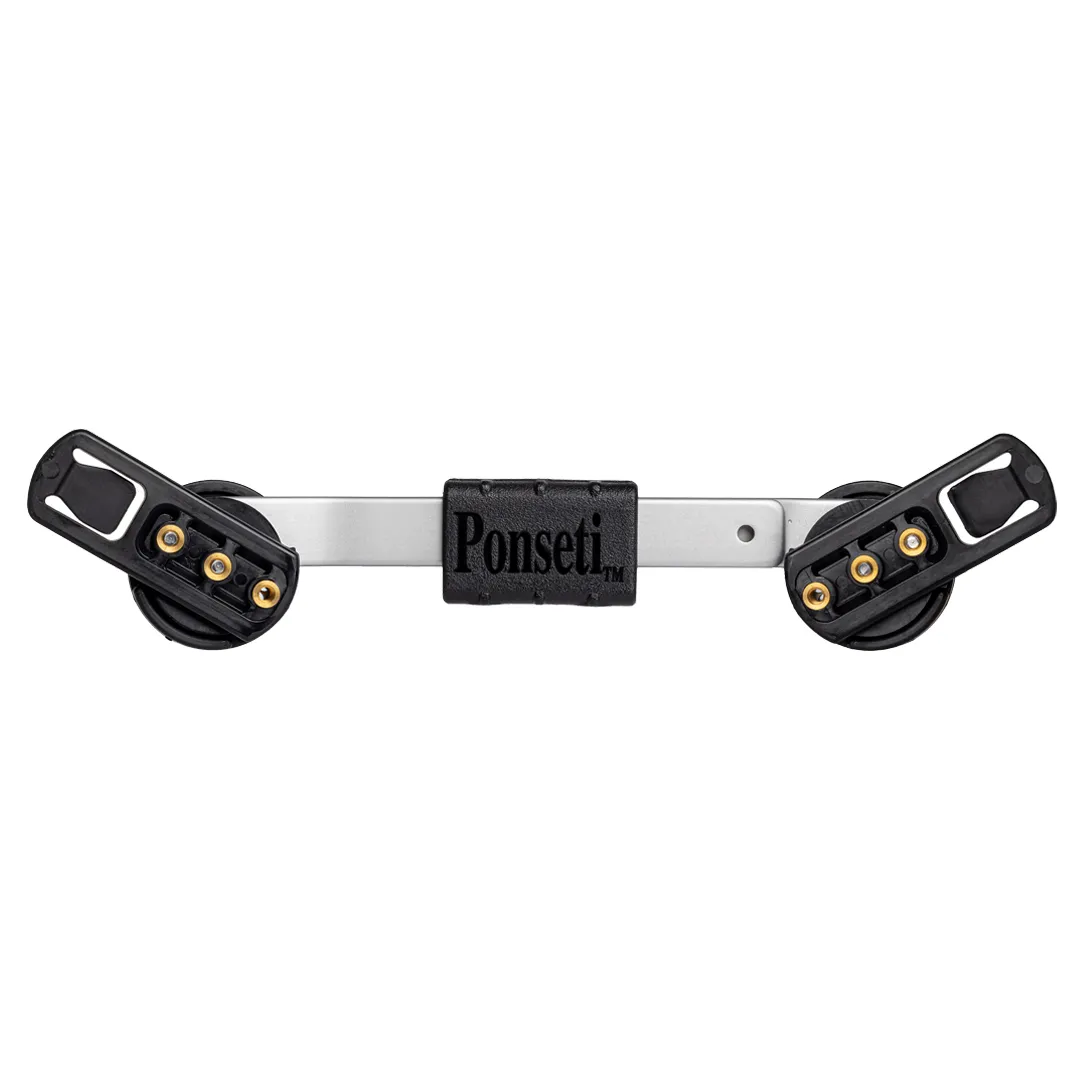
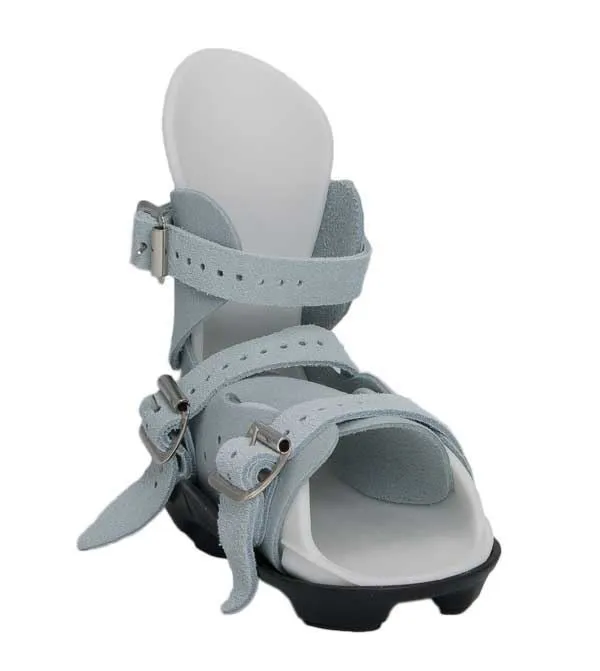
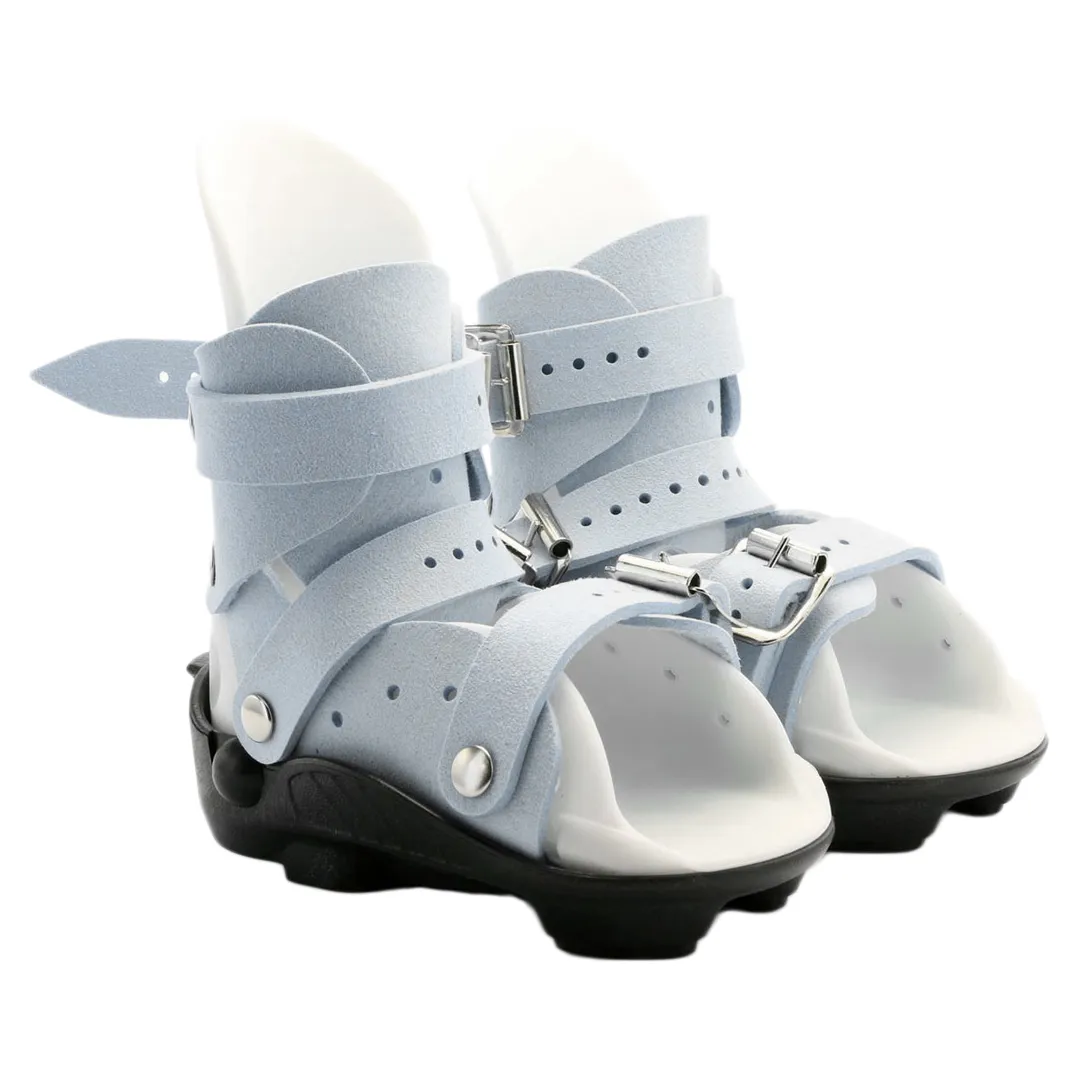
The Ponseti AFO with Denis Browne Bar is a sophisticated orthotic system designed to maintain the corrected position of the clubfoot. It consists of two individual foot abduction orthoses (AFOs) attached to a connecting bar.
Components of the Device
-
Foot Abduction Orthoses (AFOs):
- Material: Typically constructed from a durable, lightweight, medical-grade thermoplastic such as polypropylene or polyethylene. The inner lining is often made of soft, breathable EVA foam or similar padding to enhance comfort and prevent skin irritation.
- Design:
- Open-toe design: Allows for toe wiggling, better air circulation, and visual inspection of the toes to ensure proper circulation.
- Heel window: A small opening at the back of the heel, crucial for visually confirming that the heel is seated firmly at the bottom of the AFO, preventing slippage and pressure sores.
- Straps: Multiple adjustable Velcro straps (typically 2-3) ensure a secure fit across the forefoot, midfoot, and ankle, preventing the foot from migrating out of the brace.
- Ankle Angle: The AFO itself holds the foot in a certain degree of dorsiflexion (upward bend), typically 10-15 degrees, to counteract the tendency for equinus (pointed foot).
-
Denis Browne Bar (DBB):
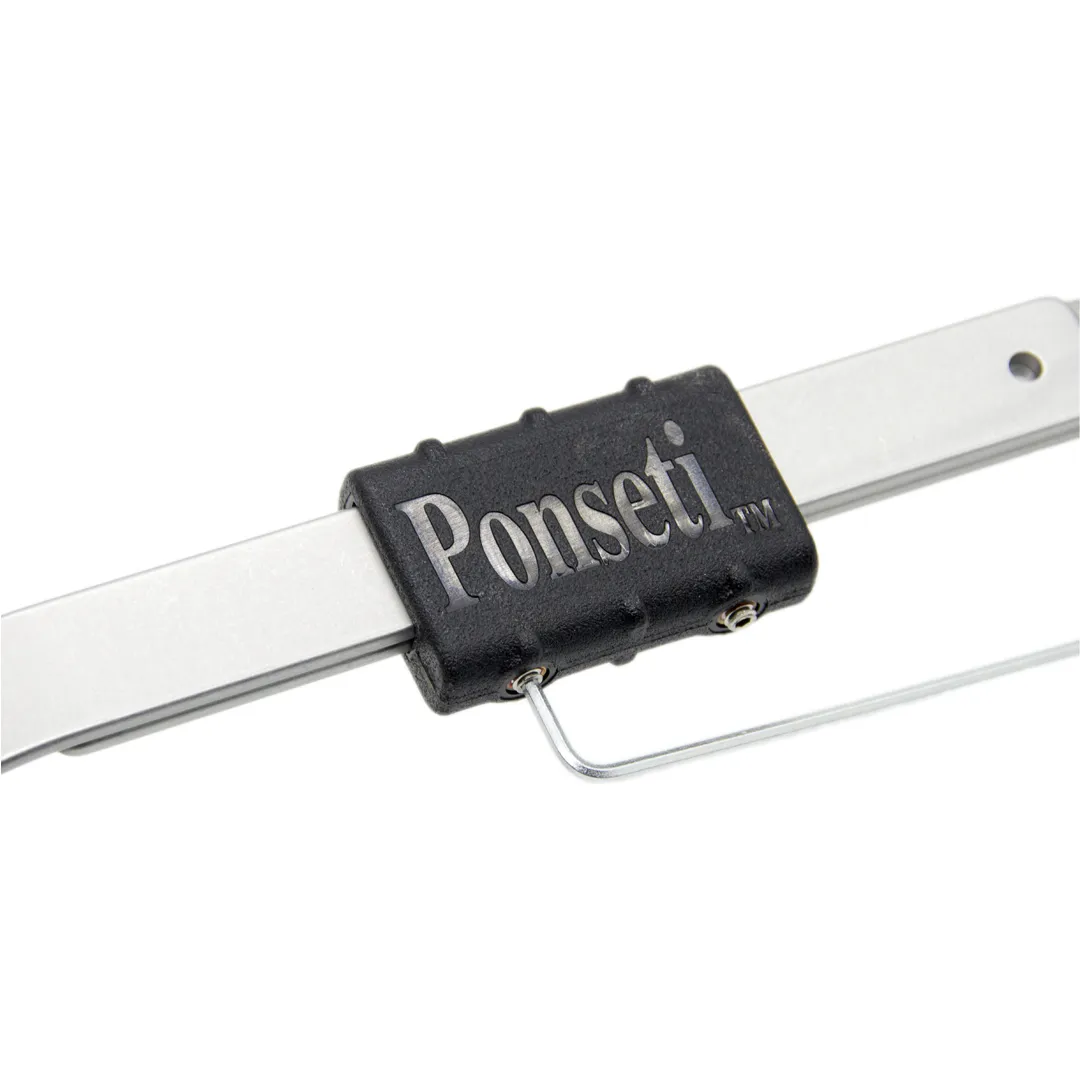
- Material: Constructed from lightweight yet rigid materials such as aluminum or stainless steel.
- Adjustability: The bar features adjustable telescopic mechanisms or pre-drilled holes to allow for precise setting of the inter-foot distance (length of the bar) and the degree of external rotation (abduction) for each foot.
- Footplate Attachment: Each end of the bar has a mechanism to securely attach to the individual AFOs, often with screws or quick-release clips.
- Abduction Angles: The primary function of the bar is to hold the feet in an externally rotated (abducted) position. The standard setting for a unilateral clubfoot is 70 degrees of abduction for the affected foot and 40 degrees for the unaffected foot. For bilateral clubfoot, both feet are typically set at 70 degrees of abduction.
Biomechanics of Correction and Maintenance
The Ponseti AFO with Denis Browne Bar works on several biomechanical principles to maintain and consolidate the clubfoot correction:
- Continuous Abduction: The most critical biomechanical action. By holding the feet in significant external rotation, the brace directly opposes the primary internal rotation deformity of clubfoot. This continuous stretch helps to lengthen and remodel the medial soft tissues (ligaments, tendons, joint capsules) that contribute to the adduction and varus components of the deformity.
- Dorsiflexion Maintenance: The AFOs themselves maintain the ankle in a dorsiflexed position (typically 10-15 degrees). This prevents the recurrence of equinus, a hallmark of clubfoot, and stretches the Achilles tendon, which was often released during tenotomy.
- Controlled Inter-foot Distance: The length of the bar is set to approximately the shoulder width of the child. This ensures that the feet are positioned naturally apart, preventing unwanted internal rotation of the hips and allowing for normal hip development.
- Remodeling of Bones and Joints: The sustained corrective forces applied by the brace guide the growth and remodeling of the developing bones and joints of the foot and ankle, ensuring they mature into a functionally normal alignment.
- Proprioceptive Input: The continuous pressure and positioning provide constant proprioceptive feedback to the child's developing nervous system, reinforcing the new, corrected foot posture.
| Biomechanical Action | Purpose | Mechanism |
|---|---|---|
| Abduction | Counteracts internal rotation (adduction/varus) of the foot. | Bar holds feet in 70° (affected) / 40° (unaffected) external rotation. |
| Dorsiflexion | Prevents equinus (pointed foot) and maintains Achilles tendon length. | AFO design holds ankle at 10-15° upward bend. |
| Inter-foot Distance | Ensures natural hip alignment and stability. | Bar length adjusted to child's shoulder width, preventing excessive internal hip rotation. |
| Continuous Stretching | Remodels soft tissues (ligaments, tendons, capsules). | Sustained force against the tendency for relapse, promoting tissue lengthening and adaptation. |
| Skeletal Guidance | Directs proper bone and joint development. | Constant, gentle pressure shapes growing bones into the corrected anatomical position. |
Clinical Indications and Usage Protocols
Primary Indication: Post-Correction Clubfoot Maintenance
The Ponseti AFO with Denis Browne Bar is exclusively indicated for infants and young children who have successfully completed the manipulation and casting phases of the Ponseti method for clubfoot correction. It is the gold standard for preventing recurrence and ensuring long-term success.
The Bracing Protocol: "23 Hours a Day, Then Naps and Nights"
Adherence to the bracing protocol is paramount. It is typically divided into two phases:
-
Initial Intensive Phase (First 3 Months Post-Casting):
- The brace must be worn for 23 hours a day, seven days a week. It is only removed for bathing and skin checks. This intensive period is critical for consolidating the correction.
- Parents are instructed to remove and reapply the brace at least once daily to inspect the child's skin and ensure proper fit.
-
Maintenance Phase (From 3 Months up to 4-5 Years of Age):
- After the initial three months, the wear schedule transitions to naps and nights, meaning the brace is worn for approximately 12-14 hours a day.
- This phase continues until the child is typically 4 to 5 years old. This extended period accounts for the continued growth and development of the child's foot and ankle, ensuring that the correction is maintained throughout critical growth spurts.
Fitting and Adjustment: A Critical Process
Proper fitting is essential for both efficacy and comfort. This process is typically performed by an orthopedic specialist or a certified orthotist.
-
Initial Fitting:
- The orthotist selects the correct size AFOs.
- The child's heel must be firmly seated down in the AFO. The heel window is vital here; if the heel is not visible or is partially out, the brace is not correctly applied.
- Straps are tightened securely, starting with the ankle strap, then the midfoot, and finally the forefoot, ensuring a snug fit without being overly tight.
- The Denis Browne Bar is adjusted:
- Length: The bar length is set to the distance between the child's shoulders.
- Abduction: The affected foot is set at 70 degrees of external rotation (abduction), and the unaffected foot at 40 degrees (for unilateral clubfoot). For bilateral clubfoot, both feet are set at 70 degrees.
- Dorsiflexion: The AFOs typically come with a fixed dorsiflexion angle (10-15 degrees).
-
Ongoing Adjustments:
- Regular follow-up appointments (e.g., every 3-6 months) are crucial to monitor the child's growth and foot development.
- The orthotist will assess the fit, adjust the bar length as the child grows, and check for any signs of recurrence.
- Parents are educated on how to perform daily checks for skin irritation, proper heel seating, and strap tightness.
Patient Education and Parental Compliance
The success of the Ponseti method hinges almost entirely on parental compliance with the bracing protocol. Orthopedic teams spend significant time educating parents on:
- The "Why": Explaining the biomechanical rationale behind the brace and the high risk of recurrence without it.
- Application Techniques: Hands-on training for applying and removing the brace, ensuring proper heel seating and strap adjustment.
- Troubleshooting: Guidance on identifying and addressing common issues like skin irritation, discomfort, or the child attempting to remove the brace.
- Support Systems: Connecting parents with support groups or resources to help navigate the challenges of long-term bracing.
Maintenance, Cleaning, and Longevity
Proper care of the Ponseti AFO with Denis Browne Bar is vital for hygiene, durability, and preventing complications.
Daily Care and Hygiene
- Cleaning the AFOs:
- The plastic shells and foam linings should be wiped down daily with a damp cloth using mild soap and water.
- Ensure all soap residue is rinsed off.
- Allow the AFOs to air dry completely before reapplying them to the child's feet to prevent skin maceration and bacterial growth.
- Avoid harsh chemicals, abrasive cleaners, or high heat (e.g., direct sunlight, radiators), as these can damage the plastic or foam.
- Skin Care:
- During the short periods the brace is off, thoroughly inspect the child's feet for any red marks, blisters, or pressure areas.
- Gently wash and moisturize the child's feet.
- Ensure socks are clean, seamless, and made of breathable material (e.g., cotton) to reduce friction and absorb sweat.
Inspection for Wear and Tear
- Straps and Buckles: Regularly check Velcro straps for wear, fraying, or loss of stickiness. Ensure buckles or clips are intact and functional. Worn straps may need replacement.
- AFO Shells: Inspect the plastic shells for cracks, sharp edges, or deformation.
- Denis Browne Bar: Check the bar for bends, cracks, or loose connections. Ensure all screws or attachment mechanisms are secure.
- Professional Checks: During routine follow-up appointments, the orthopedic specialist or orthotist will conduct a thorough inspection of the device and recommend any necessary repairs or replacements.
Hygiene and Care Protocols
- Individual Use: The Ponseti AFO with Denis Browne Bar is a single-patient device and should never be shared between children, even within the same family, due to hygiene and fit considerations.
- Storage: When not in use (e.g., during the day in the later maintenance phase), store the brace in a clean, dry place away from direct sunlight or extreme temperatures.
Potential Risks, Side Effects, and Contraindications
While highly effective, the Ponseti AFO with Denis Browne Bar is not without potential challenges.
Common Issues
- Skin Irritation, Blisters, Pressure Sores: The most common complication. This usually results from improper fit, straps being too loose (allowing movement) or too tight, or inadequate skin care. Redness that persists for more than 20-30 minutes after brace removal is a warning sign.
- Discomfort and Fussiness: Infants may initially resist the brace, experiencing discomfort or crying. This often subsides as they adapt. Gradual introduction and consistent application are key.
- Non-compliance: The greatest risk factor for recurrence. Parents may struggle with the demanding wear schedule, leading to inconsistent use.
- Foot Slippage: If the heel is not adequately seated or straps are loose, the foot can slip out of the AFO, rendering the brace ineffective and potentially causing rubbing.
- Developmental Delays (Perceived): Parents may worry the brace impedes walking or crawling. While initial mobility might be slightly different, children adapt remarkably, and the long-term benefit of corrected feet far outweighs any temporary perceived delay.
Addressing Concerns
- Skin Issues: Immediately address persistent redness. Re-evaluate brace fit, ensure socks are appropriate, and maintain meticulous skin hygiene. Consult the orthotist promptly.
- Discomfort: Ensure the brace is correctly applied. Offer distractions, comfort the child, and maintain a positive attitude. Most children adapt within a few days.
- Non-compliance: Seek support from the medical team, connect with other parents, and remind oneself of the severe consequences of non-compliance (recurrence requiring further treatment, potentially surgery).
- Foot Slippage: Re-evaluate strap tightness and heel seating. Ensure the AFO size is appropriate.
Contraindications
- Unresolved Skin Breakdown or Infection: The brace should not be applied over open wounds, blisters, or infected skin until these conditions have healed.
- Improperly Corrected Clubfoot: If the clubfoot was not fully corrected during the casting phase (e.g., due to poor technique or non-compliance), the brace will not be effective and may even cause harm. Further manipulation or casting may be required before bracing can commence.
- Severe Neurological Conditions: In very rare cases, severe neurological conditions that prevent proper limb positioning or sensation may make the brace challenging to use effectively, requiring individualized orthopedic assessment.
Patient Outcome Improvements and Long-Term Success
The diligent use of the Ponseti AFO with Denis Browne Bar is the single most important factor in achieving successful, long-term outcomes for children with clubfoot.
Preventing Recurrence: The Primary Benefit
The most significant outcome improvement is the dramatic reduction in clubfoot recurrence. Consistent bracing ensures that the corrected foot maintains its position, allowing the soft tissues and bones to grow into a normal, functional alignment. This prevents the need for further, often more invasive, corrective procedures.
Achieving Functional, Pain-Free Feet
Children who complete the Ponseti protocol, including the bracing phase, typically achieve:
* Full Range of Motion: The foot and ankle maintain excellent flexibility.
* Normal Appearance: The foot looks largely symmetrical and normal, with only subtle differences sometimes noted.
* Pain-Free Mobility: Children can walk, run, and participate in sports without pain or functional limitations.
* No Need for Special Footwear: Most children can wear regular shoes.
Developmental Considerations and Mobility
While wearing the brace, infants learn to crawl and even walk in their own unique ways. The brace does not impede normal motor development in the long run. Children adapt by learning to crawl with the bar or take wider steps. The temporary adjustment is a small price to pay for a lifetime of normal foot function.
Psychological Impact on Child and Parents
Successful clubfoot treatment through the Ponseti method and bracing has a profound positive psychological impact:
* For the Child: Growing up with corrected, functional feet enhances self-esteem, allows full participation in activities, and avoids the physical and psychological burdens associated with untreated or poorly treated clubfoot.
* For Parents: Offers reassurance, reduces anxiety about their child's future mobility, and empowers them by providing a clear, effective path to correction. The initial stress of managing the brace is often replaced by gratitude for the positive outcome.
| Long-Term Benefit | Description |
|---|---|
| Recurrence Prevention | Dramatically reduces the chance of clubfoot relapsing, avoiding further treatments. |
| Normal Foot Function | Enables pain-free walking, running, and participation in sports. |
| Cosmetic Improvement | Achieves a near-normal foot appearance, minimizing visible differences. |
| Avoidance of Surgery | Prevents the need for invasive and potentially complicated surgical interventions. |
| Enhanced Quality of Life | Supports normal childhood development, social integration, and physical activity without limitations. |
| Reduced Healthcare Burden | Minimizes long-term medical appointments, costs, and interventions related to clubfoot. |
Frequently Asked Questions (FAQ)
1. How long does my child need to wear the Ponseti AFO with Denis Browne Bar?
Initially, for the first 3 months after casting, it's worn for 23 hours a day. After that, it transitions to naps and nights (12-14 hours a day) until the child is typically 4 to 5 years old. This long duration is crucial for preventing recurrence.
2. Is the brace painful for my child?
Initially, your child might be fussy or uncomfortable as they adjust to the brace. However, if fitted correctly, it should not cause ongoing pain. Persistent crying or signs of distress may indicate an improper fit or a skin issue, and you should contact your doctor or orthotist immediately.
3. What should I do if my child gets red marks or blisters?
Minor redness that disappears within 20-30 minutes of brace removal is usually normal. Persistent redness, blisters, or open sores are signs of a problem. Remove the brace, clean the area, and contact your orthopedic specialist or orthotist right away for advice and a possible refitting. Do not apply creams or oint without medical advice as they can worsen skin issues under the brace.
4. Can my child walk or crawl with the brace on?
Yes, children typically learn to crawl, stand, and even walk with the brace on. They adapt by developing their own unique methods of mobility. The brace is designed to allow for these activities, although movement might initially look different. It's important not to remove the brace to facilitate walking, as this compromises treatment.
5. How do I know if the brace is fitted correctly?
The most important indicator is that your child's heel is firmly seated down in the AFO, visible through the heel window. The straps should be snug but not overly tight, and there should be no significant gaps allowing the foot to move excessively. If you are unsure, always consult your orthotist or doctor.
6. What if my child tries to kick off the brace?
It's common for infants to try and kick off the brace, especially when first introduced. Ensure the straps are securely tightened and the heel is down. Distraction, consistent application, and positive reinforcement can help. If it consistently comes off, contact your orthotist to check the fit.
7. How do I clean the brace?
Wipe the plastic shells and foam linings daily with a damp cloth and mild soap. Rinse thoroughly and allow to air dry completely before reapplying. Avoid harsh chemicals or exposing the brace to high heat.
8. What is the consequence of not using the brace as prescribed?
Non-compliance with the bracing protocol is the leading cause of clubfoot recurrence. If the brace is not worn consistently, the corrected foot will likely revert to its original clubfoot position, potentially requiring further casting, tenotomy, or even surgery.
9. When should I contact my doctor about the brace?
Contact your doctor or orthotist if you notice:
* Persistent red marks, blisters, or skin breakdown.
* The brace seems too small or no longer fits correctly.
* Your child is in constant pain or distress.
* You cannot get the heel down in the AFO.
* Any part of the brace is broken or damaged.
* You have concerns about the foot's appearance or progression.
10. Are there different types of Ponseti braces?
While the core design (two AFOs on a bar) is consistent, there are variations in manufacturers and specific AFO designs (e.g., different strap configurations, material choices). However, they all adhere to the Ponseti principles of abduction and dorsiflexion. Your orthopedic team will recommend the most appropriate brace.
11. Can my child wear shoes with the brace?
No, the AFOs themselves act as the "shoes" and are attached to the bar. Regular shoes are not worn over the brace. When the brace is off (e.g., during the day in the maintenance phase), children can wear regular shoes.
12. What if my child outgrows the brace?
As your child grows, the AFOs will become too small, and the bar length may need adjustment. Your orthopedic team will monitor your child's growth during follow-up appointments and prescribe new, larger AFOs and/or adjust the bar as needed. It's crucial to ensure the brace is always the correct size.