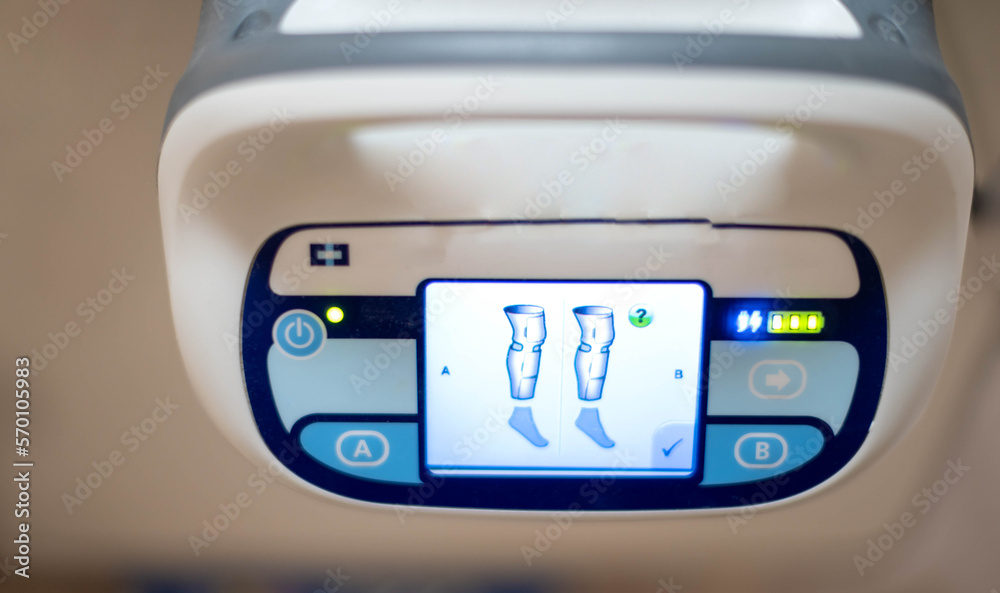
The Ultimate Guide to Pneumatic Compression Therapy Systems for Legs
As an expert in orthopedic care and medical devices, we understand the critical role that advanced therapeutic solutions play in patient recovery and preventative health. The Pneumatic Compression Therapy System (PCTS) for legs stands as a cornerstone in managing a variety of conditions, from preventing life-threatening deep vein thrombosis (DVT) to alleviating chronic lymphedema. This comprehensive guide delves into every aspect of these essential devices, providing an authoritative resource for patients, caregivers, and healthcare professionals alike.
1. Comprehensive Introduction & Overview
A Pneumatic Compression Therapy System for the leg is a medical device designed to apply external pressure to the limb using an inflatable garment, typically a sleeve or boot, connected to a pump. This intermittent or sequential compression mimics the body's natural muscle pump action, enhancing blood flow and lymphatic drainage. Its primary goal is to prevent blood stasis, reduce swelling, and promote healing, thereby improving patient outcomes across a wide spectrum of clinical scenarios.
The principle behind PCTS is rooted in biomechanics, leveraging controlled pressure to achieve physiological benefits. These systems are invaluable in both inpatient and outpatient settings, offering a non-invasive, effective, and often comfortable method of therapy. From post-surgical recovery to chronic disease management, the versatility and efficacy of PCTS have made it an indispensable tool in modern medicine.
2. Deep-Dive into Technical Specifications & Mechanisms
Design and Materials
Pneumatic compression systems are engineered for both efficacy and patient comfort. They typically consist of three main components:
- The Pump Unit: This is the control center, housing the motor, pressure sensors, and programming interface. Modern pumps are often compact, quiet, and user-friendly, with options for battery operation for portability. They allow for precise control over pressure settings, inflation/deflation cycles, and therapy duration.
- Inflatable Garments (Sleeves/Cuffs): These are worn directly on the leg and come in various sizes and configurations:
- Calf Sleeves: Covering the lower leg.
- Thigh-High Sleeves: Extending from the foot to the upper thigh.
- Full Leg Sleeves: Covering the entire leg, often with foot compression.
- Foot Cuffs: Specifically for foot edema or DVT prevention.
- Single-Chamber vs. Multi-Chamber: Single-chamber sleeves inflate uniformly. Multi-chamber sleeves contain multiple air bladders that inflate sequentially, creating a "milking" action.
- Tubing: Connects the pump to the garment, allowing air to be delivered and released.
Materials:
Garments are constructed from durable, medical-grade, and often breathable fabrics to ensure patient comfort and prevent skin irritation. Common materials include:
* Nylon and Polyester Blends: For strength, flexibility, and ease of cleaning.
* Latex-Free Materials: To prevent allergic reactions in sensitive patients.
* Soft Linings: To enhance comfort against the skin.
* Velcro or Zipper Closures: For secure and adjustable fitting.
The pump unit casing is typically made from robust, impact-resistant medical-grade plastics.
Biomechanics and Physiological Mechanisms
The effectiveness of PCTS is directly linked to its biomechanical action and the subsequent physiological responses:
- Venous Blood Flow Acceleration: The intermittent compression cycles rapidly empty the superficial veins and force blood into the deep venous system. This significantly increases peak venous velocity and volume flow, reducing venous stasis – a major risk factor for DVT.
- Enhancement of Fibrinolytic Activity: The shear stress exerted on the endothelial cells by the accelerated blood flow stimulates the release of tissue plasminogen activator (t-PA), which promotes the breakdown of fibrin clots, further reducing the risk of thrombosis.
- Reduction of Edema and Improved Lymphatic Drainage: The external pressure pushes interstitial fluid back into the lymphatic and venous systems. Sequential compression, in particular, effectively moves fluid proximally, reducing swelling and improving lymphatic flow, which is crucial in conditions like lymphedema.
- Microcirculation Enhancement: Improved blood flow can enhance oxygen and nutrient delivery to tissues, supporting wound healing and overall tissue viability.
- Reduction of Inflammatory Mediators: By reducing stasis and edema, PCTS can help mitigate local inflammatory responses.
Pressure Settings and Cycles:
Systems can be programmed for various pressures (e.g., 40-60 mmHg for DVT prophylaxis, higher for lymphedema) and cycle times (e.g., 10-20 seconds inflation, 30-60 seconds deflation). Sequential compression typically involves a distal-to-proximal inflation pattern, often with gradient pressure (higher pressure distally, gradually decreasing proximally) to optimize fluid movement.
3. Extensive Clinical Indications & Usage
Pneumatic compression therapy is a versatile treatment modality with a wide range of applications in both surgical and clinical settings.
Detailed Surgical Applications
PCTS is a critical component of prophylactic strategies in patients undergoing surgery, particularly those at high risk for DVT and pulmonary embolism (PE).
- Orthopedic Surgery:
- Total Hip Arthroplasty (THA) & Total Knee Arthroplasty (TKA): Patients undergoing these major joint replacements are at significantly elevated risk for DVT due to immobility, tissue trauma, and hypercoagulability. PCTS is routinely used pre-, intra-, and post-operatively.
- Fracture Repair (e.g., Hip, Tibia, Femur): Immobilization and trauma increase DVT risk.
- Spinal Surgery: Prolonged supine positioning and surgical trauma.
- Limb Reconstruction Surgery: Often involves extended periods of immobility.
- General Surgery:
- Abdominal Surgery: Especially prolonged procedures or those involving pelvic dissection.
- Bariatric Surgery: Obese patients have a higher baseline risk for DVT.
- Neurosurgery: Patients with neurological deficits often have reduced mobility.
- Vascular Surgery: While careful patient selection is crucial, PCTS can be used in some vascular procedures for DVT prophylaxis.
Extensive Clinical Indications
Beyond surgical prophylaxis, PCTS is invaluable for managing chronic conditions and promoting recovery.
- Deep Vein Thrombosis (DVT) Prevention:
- Immobile Patients: Bedridden patients, those with spinal cord injuries, or individuals with prolonged travel.
- Medical Conditions: Patients with cancer, heart failure, or stroke who are at increased risk.
- Lymphedema Management:
- Primary Lymphedema: Congenital or idiopathic lymphatic system dysfunction.
- Secondary Lymphedema: Often post-surgical (e.g., mastectomy with lymph node dissection), post-radiation, or due to trauma/infection. PCTS helps mobilize stagnant lymphatic fluid, reducing limb volume and improving comfort.
- Chronic Venous Insufficiency (CVI) & Venous Stasis Ulcers:
- PCTS improves venous return, reduces venous hypertension, and aids in the healing of recalcitrant venous ulcers by reducing edema and improving microcirculation.
- Post-Thrombotic Syndrome (PTS):
- Helps manage chronic symptoms of pain, swelling, and skin changes following a DVT.
- Peripheral Arterial Disease (PAD):
- In selected cases and with careful medical supervision, intermittent pneumatic compression may be used to improve arterial flow and wound healing, particularly in patients with claudication or non-healing ulcers, but is generally contraindicated in severe PAD.
- Athletic Recovery:
- Used by athletes to reduce muscle soreness, decrease recovery time, and improve performance by enhancing blood flow and clearing metabolic waste products post-exercise.
Fitting and Usage Instructions
Proper fitting and usage are paramount for both efficacy and patient safety.
- Patient Assessment:
- Assess limb circumference to select the correct garment size.
- Inspect skin integrity for any open wounds, rashes, or infections.
- Review medical history for contraindications.
- Garment Application:
- Ensure the patient is in a comfortable position, typically supine.
- Unfold the compression sleeve and position it smoothly around the leg, ensuring there are no wrinkles or creases that could cause pressure points.
- Secure the garment firmly but not excessively tight using Velcro straps or zippers. A common test is to ensure two fingers can comfortably slide under the top edge of the sleeve.
- Ensure the foot portion (if applicable) is correctly aligned.
- Connecting to the Pump:
- Connect the tubing from the sleeve securely to the designated port on the pump unit.
- Ensure all connections are snug to prevent air leaks.
- Setting Parameters:
- Turn on the pump unit.
- Input the prescribed pressure settings, cycle times, and therapy duration as ordered by the physician.
- Initiate therapy.
- Monitoring and Patient Education:
- Educate the patient on the sensation of inflation/deflation.
- Instruct them to report any discomfort, pain, numbness, tingling, or skin changes immediately.
- Periodically check the skin under the sleeves for redness, blistering, or signs of pressure injury.
- Ensure the pump unit is functioning correctly and alarms are addressed promptly.
- Emphasize adherence to the prescribed therapy schedule.
4. Maintenance & Sterilization Protocols
Proper maintenance ensures the longevity of the device and prevents cross-contamination.
Cleaning Protocols
- Garments:
- Single-Patient Use: Many sleeves are designed for single-patient use and should be discarded after the patient's therapy is complete or upon discharge.
- Multi-Patient Use (if approved): If designed for re-use, follow manufacturer guidelines strictly. Typically involves wiping down the exterior with a mild disinfectant solution (e.g., 70% isopropyl alcohol, diluted bleach solution, or hospital-grade germicidal wipes). Allow to air dry completely. Do NOT immerse garments in liquid unless explicitly stated by the manufacturer.
- Pump Unit:
- Wipe the exterior of the pump unit and tubing with a soft cloth dampened with a mild disinfectant solution.
- Avoid spraying liquids directly onto the unit or allowing moisture to enter openings.
- Ensure the unit is unplugged before cleaning.
- Tubing:
- Inspect tubing regularly for kinks, cracks, or damage.
- Wipe down with disinfectant solution.
Sterilization (where applicable)
Most PCTS garments are not designed for sterilization via autoclaving or harsh chemical baths. If a system is intended for multi-patient use and requires sterilization, the manufacturer will provide specific, validated protocols, often involving specialized low-temperature processes. In general, high-level disinfection is the most common protocol for reusable components, if any, that come into contact with intact skin. Always refer to the specific device's instruction manual.
Storage
- Store garments clean, dry, and unfolded to prevent damage or creasing.
- Store the pump unit in a clean, dry environment, away from extreme temperatures or direct sunlight.
- Ensure tubing is coiled loosely to prevent kinks.
Troubleshooting
- Alarms: Familiarize yourself with common alarm indicators (e.g., low pressure, air leak, tubing disconnect) and their corresponding troubleshooting steps.
- Loss of Pressure: Check tubing connections, garment fit, and for any visible damage to the sleeve.
- Pump Malfunction: If issues persist, refer to the user manual or contact technical support.
5. Risks, Side Effects, or Contraindications
While generally safe and effective, PCTS is not suitable for all patients, and potential risks must be considered.
Absolute Contraindications
- Acute Deep Vein Thrombosis (DVT): Applying compression to a limb with an acute DVT carries a significant risk of dislodging the clot, leading to a potentially fatal pulmonary embolism (PE).
- Severe Peripheral Arterial Disease (PAD) / Ischemic Limb: Compression can further compromise arterial blood flow to an already ischemic limb, potentially leading to tissue damage, necrosis, or gangrene. Ankle-brachial index (ABI) should be assessed before use in patients with suspected PAD.
- Decompensated Heart Failure / Severe Congestive Heart Failure (CHF): Increasing venous return can overload a failing heart, potentially worsening cardiac function or inducing pulmonary edema.
- Pulmonary Edema: Similar to severe CHF, increasing venous return can exacerbate pulmonary congestion.
- Severe Local Infection (Cellulitis) / Untreated Wounds / Gangrene: Compression can spread infection or worsen existing tissue damage.
- Recent Skin Grafting in the Limb: Pressure can compromise the graft take.
Relative Contraindications / Precautions
- Sensory Neuropathy: Patients may not accurately perceive discomfort or pressure points.
- Fragile Skin: Increased risk of skin breakdown or blistering.
- Extreme Limb Deformity: May prevent proper garment fit.
- Active Dermatitis: May exacerbate skin irritation.
- Uncontrolled Hypertension: May require careful monitoring.
Potential Side Effects & Risks
- Skin Irritation/Redness: Most common, often due to improper fit, wrinkles, or prolonged use without skin inspection.
- Blistering or Pressure Sores: Can occur with excessive pressure, prolonged use, or poor skin integrity.
- Discomfort or Pain: Usually resolves with adjustment of fit or pressure settings.
- Nerve Compression (Rare): If sleeves are applied too tightly or improperly positioned.
- Allergic Reactions: To garment materials, though rare with latex-free options.
- Compartment Syndrome (Extremely Rare): Typically only in cases of severe misuse or underlying pathology.
6. Patient Outcome Improvements
The judicious use of Pneumatic Compression Therapy Systems significantly contributes to enhanced patient outcomes across multiple domains:
- Reduced Incidence of DVT and PE: This is arguably its most critical contribution, saving lives and preventing long-term complications associated with venous thromboembolism.
- Significant Reduction in Limb Edema and Pain: Especially beneficial for lymphedema and CVI patients, leading to improved comfort and functionality.
- Improved Wound Healing: By reducing edema and enhancing microcirculation, PCTS accelerates the healing of venous stasis ulcers.
- Enhanced Mobility and Quality of Life: Patients experience less swelling, pain, and discomfort, allowing for greater participation in rehabilitation and daily activities.
- Faster Post-Surgical Recovery: Prevention of complications and management of swelling contribute to quicker recuperation.
- Cost-Effectiveness: By preventing serious complications like DVT/PE and reducing hospital readmissions or prolonged treatment for chronic wounds, PCTS offers a cost-effective therapeutic solution.
7. Massive FAQ Section
Q1: What is a Pneumatic Compression Therapy System (PCTS) and how does it work?
A: A PCTS is a medical device that uses an inflatable garment (sleeve) connected to a pump to apply intermittent or sequential pressure to a limb. The pump inflates and deflates the sleeve, mimicking the body's natural muscle pump to enhance blood flow, reduce swelling, and prevent blood clots.
Q2: Who typically needs pneumatic compression therapy?
A: PCTS is commonly prescribed for patients at risk of Deep Vein Thrombosis (DVT) after surgery (especially orthopedic), individuals with lymphedema, chronic venous insufficiency, venous ulcers, or those with prolonged immobility. It's also used for athletic recovery.
Q3: Is pneumatic compression therapy painful?
A: Generally, no. You should feel a gentle squeezing sensation as the sleeve inflates and then a release as it deflates. It should not be painful. If you experience pain, numbness, or tingling, notify your healthcare provider immediately as the fit or pressure settings may need adjustment.
Q4: How long do I need to use the compression system?
A: The duration of therapy varies greatly depending on the condition being treated and your doctor's orders. For DVT prophylaxis, it might be used continuously while immobile. For lymphedema, it could be for specific durations daily or several times a week. Always follow your physician's prescribed schedule.
Q5: Can I use a PCTS at home?
A: Yes, many modern PCTS units are designed for home use. Your healthcare provider will provide detailed instructions on how to use, clean, and maintain the system safely and effectively in a home environment.
Q6: How do I clean my compression sleeves and the pump unit?
A: For garments, if they are reusable, wipe them down with a mild disinfectant solution (e.g., 70% isopropyl alcohol) and allow them to air dry completely. Do not immerse them in water unless specifically instructed by the manufacturer. For the pump unit, wipe the exterior with a damp, disinfected cloth, ensuring no liquid enters the device. Always refer to your specific device's user manual.
Q7: What are the potential side effects or risks of using PCTS?
A: While generally safe, potential side effects include skin irritation, redness, blistering, or discomfort if the sleeve is improperly fitted or too tight. Serious risks like nerve compression or compartment syndrome are extremely rare and usually due to misuse. It's crucial to follow fitting instructions and report any issues.
Q8: Can I use PCTS if I already have a Deep Vein Thrombosis (DVT)?
A: NO. PCTS is absolutely contraindicated if you have an acute, confirmed DVT. Applying compression to a limb with an existing DVT can dislodge the clot, leading to a life-threatening pulmonary embolism. PCTS is primarily for DVT prevention, not treatment of an active DVT.
Q9: What's the difference between sequential and intermittent compression?
A: Intermittent compression typically inflates the entire sleeve at once, applying uniform pressure to the limb. Sequential compression uses multiple chambers within the sleeve that inflate in a sequence, usually from the ankle upwards towards the thigh. This creates a "milking" action that more effectively moves fluid and blood proximally, making it particularly effective for lymphedema and certain DVT prevention protocols.
Q10: How do I know what size compression sleeve I need?
A: Proper sizing is crucial. Your healthcare provider or a trained professional will measure your leg circumference at specific points (e.g., ankle, calf, thigh) to determine the correct sleeve size according to the manufacturer's sizing chart. Never guess your size.
Q11: Can pneumatic compression therapy help with athletic recovery?
A: Yes, many athletes use PCTS to aid in post-exercise recovery. It helps by increasing blood flow to the muscles, reducing muscle soreness, flushing out metabolic waste products (like lactic acid), and decreasing swelling, thereby accelerating recovery and potentially improving subsequent performance.
Q12: Is pneumatic compression therapy covered by insurance?
A: Coverage varies widely depending on your specific insurance plan, the medical necessity of the therapy, and the diagnosis. Often, if prescribed by a physician for a recognized medical condition like lymphedema or DVT prophylaxis, it may be covered. It's essential to check with your insurance provider and your healthcare team for details regarding coverage.