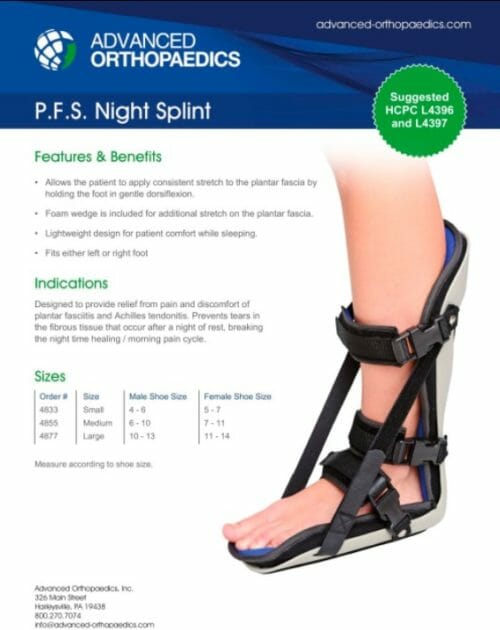
The Definitive Orthopedic Guide to Plantar Fasciitis Night Splints
Plantar Fasciitis is a prevalent and often debilitating condition characterized by sharp, stabbing pain in the heel, particularly with the first steps in the morning or after periods of rest. As expert orthopedic specialists, we understand the profound impact this condition can have on daily life, mobility, and overall well-being. While a multi-faceted approach is often required for effective management, the Plantar Fasciitis Night Splint stands out as a cornerstone of conservative treatment. This comprehensive guide delves into every aspect of this vital orthopedic device, from its intricate design and biomechanical principles to its clinical applications, maintenance, and profound impact on patient outcomes.
Comprehensive Introduction & Overview
Plantar Fasciitis involves inflammation of the plantar fascia, a thick band of tissue running along the bottom of the foot, connecting the heel bone to the toes. This crucial ligament supports the arch of the foot and acts as a shock absorber. Repetitive strain, improper footwear, increased activity, or biomechanical imbalances can lead to micro-tears and inflammation, resulting in characteristic heel pain.
The Plantar Fasciitis Night Splint is an orthopedic assisted device designed to provide a sustained, gentle stretch to the plantar fascia and calf muscles while the patient sleeps. Its primary objective is to prevent the plantar fascia from contracting and shortening overnight, which is a major contributor to the severe morning pain experienced by sufferers. By maintaining the foot in a dorsiflexed position (toes pointed upwards towards the shin), the splint addresses the root cause of nocturnal shortening, facilitating healing and significantly reducing morning stiffness and pain. This non-invasive, evidence-based intervention plays a critical role in the long-term recovery and pain management strategy for Plantar Fasciitis.
Deep-Dive into Technical Specifications & Biomechanical Mechanisms
Understanding the engineering and physiological impact of a night splint is crucial for appreciating its efficacy.
Design and Materials: Engineering for Sustained Relief
Plantar Fasciitis night splints come in various designs, each optimized for comfort, effectiveness, and patient compliance. Despite their differences, they share common goals: to maintain dorsiflexion and provide a gentle stretch.
-
Types of Night Splints:
- Posterior (Boot-Style) Night Splints: These are the most common and robust type. They typically consist of a rigid or semi-rigid plastic shell that encases the lower leg and foot, similar to a ski boot. Adjustable straps secure the foot and calf, allowing for precise control over the degree of dorsiflexion. Many models feature adjustable wedges or hinges to fine-tune the stretch angle.
- Dorsal Night Splints: These splints position the support along the top (dorsum) of the foot and shin, leaving the heel and sole relatively open. This design can be less bulky and may be preferred by individuals who find posterior splints too restrictive or warm. They achieve dorsiflexion by pulling the toes upwards via straps.
- Soft/Sock-Style Night Splints: These are less rigid, often resembling a specialized sock with a strap that runs from the toes up to the calf. The strap pulls the toes back towards the shin, providing a gentler stretch. While less aggressive in their stretch, they are often more comfortable and can be a good starting point for patients new to night splinting or those with milder symptoms.
- Adjustable Angle Splints: Many boot-style splints feature adjustable hinges or removable wedges that allow the user or clinician to incrementally increase the dorsiflexion angle (e.g., from 5 degrees to 15-20 degrees) as tolerance improves, customizing the stretch intensity.
-
Key Components and Material Science:
- Shell/Frame: Typically made from lightweight, durable, medical-grade plastics (e.g., polypropylene, ABS). These materials provide the necessary structural integrity to maintain the desired foot position. Some semi-rigid options use advanced polymers for flexibility where needed.
- Padding/Lining: Crucial for comfort and preventing pressure sores. Materials include open-cell foam, closed-cell foam, gel pads, and breathable, moisture-wicking fabrics (e.g., neoprene, bamboo blends, synthetic wicking materials). These materials are often hypoallergenic and designed to reduce heat buildup.
- Straps/Fasteners: High-quality Velcro® (hook-and-loop) straps are standard, offering easy adjustment and secure fastening. Some designs incorporate buckles for added security. The straps are typically made from durable nylon or polypropylene webbing.
- Non-slip Soles: Some boot-style splints include a textured or rubberized sole, allowing for limited, cautious ambulation (e.g., bathroom breaks) without removing the device, though prolonged walking is not recommended.
Biomechanics of Sustained Dorsiflexion: How It Works
The effectiveness of a Plantar Fasciitis night splint is rooted in its ability to counteract the natural physiological processes that exacerbate heel pain overnight.
- The Nocturnal Contracture Phenomenon: During sleep, the foot naturally assumes a plantarflexed (toes pointed downwards) position. In individuals with Plantar Fasciitis, this position allows the already inflamed plantar fascia to shorten and tighten. When they take their first steps in the morning, the sudden stretching of this contracted tissue causes micro-tears and intense pain, triggering an inflammatory response.
- Mechanism of Action – Sustained Dorsiflexion:
- Passive Stretch: The night splint holds the ankle in a gentle, sustained dorsiflexion, typically between 5 and 15 degrees. This position keeps the plantar fascia and the gastrocnemius-soleus complex (calf muscles) in a lengthened state throughout the night.
- Prevents Shortening: By preventing the nocturnal shortening of the plantar fascia, the splint eliminates the sudden, painful stretch that occurs upon weight-bearing in the morning.
- Promotes Healing: A sustained stretch helps to realign collagen fibers within the healing plantar fascia, encouraging proper tissue repair. It also reduces the repetitive micro-trauma that occurs with daily activities, allowing the tissue to rest and recover.
- Reduces Inflammation: By minimizing the mechanical stress on the plantar fascia, the splint contributes to a reduction in the inflammatory cascade, leading to decreased pain and swelling over time.
- Achilles Tendon Contribution: The dorsiflexion also stretches the Achilles tendon. A tight Achilles tendon can increase tension on the plantar fascia, so addressing this simultaneously is beneficial.
Extensive Clinical Indications & Usage Protocols
The Plantar Fasciitis night splint is a cornerstone of non-operative treatment, demonstrating significant clinical utility.
Who Benefits from a Plantar Fasciitis Night Splint?
-
Primary Indications:
- Chronic or Recurrent Heel Pain: Patients experiencing persistent heel pain, especially that is worse with the first steps in the morning or after periods of inactivity.
- Failure of Initial Conservative Treatments: When rest, ice, NSAIDs, supportive footwear, or basic stretching have not provided adequate relief.
- Tight Achilles Tendon/Calf Muscles: Individuals with limited ankle dorsiflexion due to tight posterior leg musculature.
- Adjunctive Therapy: Used in conjunction with other treatments like physical therapy, custom orthotics, corticosteroid injections, or shockwave therapy.
- Prevention of Recurrence: Can be used periodically for individuals prone to Plantar Fasciitis flare-ups.
-
Clinical Applications:
- Conservative Management: The primary application, aiming to resolve symptoms without surgical intervention.
- Post-Rehabilitation Support: To maintain gains achieved through physical therapy and prevent symptom recurrence.
- Athletic and Active Populations: Particularly beneficial for runners, dancers, and athletes who place high demands on their feet, where maintaining flexibility is critical.
Fitting and Usage Instructions: Maximizing Efficacy and Comfort
Proper fitting and consistent usage are paramount for the night splint's success.
-
Pre-Fitting Considerations:
- Professional Consultation: Always consult with an orthopedic specialist, physical therapist, or podiatrist to confirm the diagnosis and receive guidance on the appropriate type and fit of splint.
- Sizing: Follow manufacturer's sizing charts meticulously, typically based on shoe size or calf circumference. An ill-fitting splint can be ineffective or cause discomfort.
-
Step-by-Step Fitting Guide (General for Boot-Style Splint):
- Prepare the Splint: Ensure all straps are loosened and the padding is correctly positioned within the shell.
- Position the Foot: Sit comfortably. Slide your foot into the splint, ensuring your heel is firmly seated at the back. Your toes should be pointing upwards (dorsiflexed).
- Secure Calf Straps: Fasten the straps around your calf first, snug but not overly tight, allowing two fingers to slip underneath.
- Secure Foot/Ankle Straps: Fasten the straps across the top of your foot and ankle. Start with the strap closest to your ankle, then the one over your forefoot.
- Adjust for Stretch: Gently tighten the straps until you feel a comfortable, sustained stretch in your calf and along the bottom of your foot. It should not be painful, numb, or tingling. The degree of dorsiflexion may be adjustable via hinges or wedges; start with a minimal stretch and gradually increase as tolerated.
- Check for Pressure Points: Ensure no areas feel pinched or overly compressed. Adjust padding or strap tension as needed.
-
Initial Acclimation & Gradual Increase:
- Start Slowly: If you're new to night splints, wear it for shorter periods initially (e.g., 1-2 hours) before attempting to wear it for the entire night.
- Gradual Increase: Incrementally increase wear time over several nights as your body adapts to the sustained stretch.
- Consistency is Key: For optimal results, wear the splint consistently every night, as prescribed by your healthcare provider.
-
Duration of Use:
- Typically, night splints are worn for 4 to 12 weeks, or until symptoms have significantly subsided. Some individuals may benefit from intermittent use (e.g., a few nights a week) for maintenance or during periods of increased activity.
- Always follow your healthcare provider's recommendations regarding the duration of use.
-
Complementary Therapies: Night splints are most effective when integrated into a comprehensive treatment plan that may include:
- Daily stretching exercises (calf stretches, plantar fascia stretches).
- Ice therapy (rolling foot over a frozen water bottle).
- Supportive footwear and custom orthotics.
- Physical therapy for strengthening and flexibility.
- Activity modification.
Patient Outcome Improvements: A Path to Recovery
The consistent use of a Plantar Fasciitis night splint can lead to significant and measurable improvements in patient outcomes:
- Dramatic Reduction in Morning Pain: This is the most frequently reported and celebrated benefit, often experienced within weeks of consistent use.
- Improved Mobility and Function: Less stiffness and easier first steps allow patients to engage in daily activities with greater comfort.
- Accelerated Healing Process: By reducing repetitive micro-trauma and promoting proper tissue alignment, the splint facilitates the body's natural healing mechanisms.
- Reduced Reliance on Pain Medication: Many patients find they can decrease or eliminate their use of NSAIDs or other pain relievers.
- Enhanced Quality of Life: Freedom from debilitating heel pain allows individuals to return to exercise, work, and recreational activities, significantly improving their overall well-being.
- Prevention of Chronic Recurrence: For many, it's a vital tool in preventing the cyclical return of symptoms.
Maintenance & Sterilization Protocols: Ensuring Longevity and Hygiene
Proper care extends the life of your night splint and ensures optimal hygiene.
- Regular Cleaning:
- Removable Liners/Pads: Most splints have removable padding. Hand wash these components regularly with mild soap (e.g., baby shampoo or gentle detergent) and lukewarm water. Rinse thoroughly to remove all soap residue.
- Rigid Components: Wipe down the plastic shell and straps with a damp cloth using mild soap. For deeper cleaning, a solution of rubbing alcohol or a mild disinfectant spray can be used, ensuring to wipe it clean afterwards.
- Drying: Always air dry all components thoroughly before reassembling or storing. Avoid direct sunlight or high heat, which can degrade materials.
- Inspection for Wear and Tear:
- Straps and Fasteners: Regularly check Velcro® straps for loss of adhesion or fraying. Replace straps if they no longer provide secure fastening.
- Padding: Inspect padding for compression, tears, or excessive wear. Worn padding can lead to pressure points and discomfort.
- Shell/Frame: Look for cracks or structural damage in the rigid components. A compromised shell can reduce effectiveness and potentially cause injury.
- Storage:
- Store the splint in a clean, dry place at room temperature, away from direct sunlight, extreme heat, or cold.
- Ensure it's fully dry before storing to prevent mildew or odor.
- Sterilization (Clinical/Multi-patient Use):
- For clinical environments where splints might be used by multiple patients (e.g., trial fittings), strict disinfection protocols are essential. Follow manufacturer guidelines, which often involve medical-grade disinfectants compatible with the materials. For personal home use, thorough cleaning as described above is sufficient for hygiene.
Risks, Side Effects, or Contraindications
While generally safe and effective, it's important to be aware of potential issues.
-
Common Side Effects:
- Discomfort or Mild Pain: Especially during the initial adjustment period. This usually subsides as the foot adapts.
- Skin Irritation or Pressure Points: Can occur if the splint is too tight, improperly fitted, or if padding is inadequate.
- Numbness or Tingling: A critical sign that the splint is too tight, potentially compressing nerves or blood vessels. Immediately loosen straps or remove the splint if this occurs.
- Difficulty Sleeping: Some individuals may find it challenging to sleep initially due to the unfamiliar sensation or bulk of the splint.
- Calf Cramping: Can occur if the stretch is too aggressive, especially initially.
-
Serious Complications (Rare):
- Nerve Compression: If chronically worn too tightly, especially around the peroneal nerve near the fibular head, it can lead to nerve damage.
- Circulation Issues: Extremely rare but possible if blood flow is severely restricted.
-
Contraindications (When NOT to use a night splint):
- Open Wounds or Skin Lesions: Any open breaks in the skin on the foot or lower leg should heal before splint use to prevent infection or irritation.
- Severe Edema: Significant swelling in the foot or ankle can be exacerbated by compression from the splint.
- Acute Deep Vein Thrombosis (DVT): A blood clot in the leg; a splint could dislodge it.
- Peripheral Neuropathy with Loss of Sensation: Patients unable to feel pressure or pain may not detect adverse effects, leading to skin breakdown or nerve damage.
- Recent Fractures or Unstable Injuries: Any unstable bone injury in the lower leg or foot needs to be fully healed and stable.
- Severe Circulatory Compromise: Conditions like severe peripheral arterial disease where blood flow is already significantly impaired.
- Active Infection: Any local infection of the foot or ankle.
-
When to Consult a Doctor:
- Persistent or worsening pain despite proper use.
- Numbness, tingling, or weakness that doesn't resolve with adjustments.
- Significant skin irritation, blistering, or breakdown.
- Increased swelling or discoloration of the foot.
- Any signs of an allergic reaction to the splint materials.
Massive FAQ Section: Your Questions Answered by Experts
This section addresses common concerns and queries patients often have about Plantar Fasciitis night splints.
-
How long should I wear my night splint each night?
Ideally, you should wear your night splint for the entire duration of your sleep, typically 6-8 hours. If you find this challenging initially, start with shorter periods (e.g., 1-2 hours) and gradually increase the wear time each night as you adapt. Consistency is more important than initial duration. -
How long until I see results from using a night splint?
Many patients report a noticeable reduction in morning pain within 2-4 weeks of consistent nightly use. Significant improvement often occurs within 6-12 weeks. Complete resolution of symptoms can take several months, depending on the severity and chronicity of your condition. -
Can I walk in my plantar fasciitis night splint?
Most night splints are not designed for extensive walking. While some boot-style splints have non-slip soles for brief, cautious ambulation (e.g., a trip to the bathroom), prolonged weight-bearing or walking can damage the splint, compromise its effectiveness, and potentially cause injury. Always prioritize removing the splint for walking. -
Are there different types of night splints? Which one is best for me?
Yes, there are several types, including posterior (boot-style), dorsal, and soft (sock-style) splints. The "best" type depends on your comfort, the severity of your condition, and your healthcare provider's recommendation. Boot-style splints offer a more rigid and adjustable stretch, while sock-style splints are often more comfortable but provide a gentler stretch. Consult your orthopedic specialist to determine the most suitable option for your specific needs. -
My night splint is uncomfortable. What should I do?
Discomfort, especially initially, is common. Try loosening the straps slightly, ensuring padding is correctly positioned, and starting with a less aggressive dorsiflexion angle if adjustable. Ensure your heel is properly seated. If discomfort persists, causes numbness, tingling, or skin irritation, remove the splint and consult your healthcare provider. -
Can a night splint make my Plantar Fasciitis worse?
When used correctly and as prescribed, a night splint should not worsen Plantar Fasciitis. However, if worn too tightly, improperly fitted, or used against contraindications, it can cause secondary issues like skin irritation, nerve compression, or increased pain. Always follow fitting instructions and seek professional advice if symptoms worsen. -
Do I need a prescription for a night splint?
While many night splints are available over-the-counter, it is highly recommended to consult with a healthcare professional (orthopedic specialist, podiatrist, or physical therapist) before purchasing and using one. They can confirm your diagnosis, recommend the most appropriate type, ensure proper fit, and integrate it into a comprehensive treatment plan. -
How do I clean and maintain my night splint?
Regular cleaning is crucial. Most splints have removable liners or padding that can be hand-washed with mild soap and water, then air-dried thoroughly. The rigid components can be wiped down with a damp cloth. Inspect straps, padding, and the shell regularly for wear and tear. Store in a cool, dry place. -
Can I wear a night splint on both feet if I have bilateral Plantar Fasciitis?
Yes, if you experience Plantar Fasciitis in both feet, you can wear a night splint on each foot simultaneously. Ensure both are properly fitted and comfortable. It's often recommended to address both feet if symptoms are present to prevent compensatory issues. -
What if I have an allergic reaction to the splint's materials?
If you develop itching, redness, rash, or swelling that you suspect is an allergic reaction to the splint's materials (e.g., neoprene, plastics), discontinue use immediately and contact your healthcare provider. They may recommend an alternative splint made from different materials or suggest topical treatments. -
Can I use a night splint if I have Achilles tendinitis too?
In many cases, yes. The dorsiflexion provided by a night splint also gently stretches the Achilles tendon, which can be beneficial for Achilles tendinopathy. However, the exact angle and tension may need careful adjustment, and it's imperative to consult your orthopedic specialist to ensure it's appropriate for your specific Achilles condition. -
Is it normal for my foot to feel numb or tingly while wearing the splint?
No, numbness or tingling is not normal and indicates that the splint is too tight, potentially compressing nerves or restricting blood flow. Immediately loosen the straps or remove the splint. If these sensations persist after loosening, discontinue use and seek medical advice promptly. -
When should I stop using my night splint?
You should gradually discontinue using your night splint once your symptoms (especially morning pain) have significantly resolved and remained stable for several weeks. Your healthcare provider will guide you on the appropriate time to stop or transition to intermittent use for maintenance. Do not stop abruptly if symptoms are still present. -
What's the difference between a night splint and a walking boot for Plantar Fasciitis?
A night splint is specifically designed to be worn only during sleep to provide a sustained stretch. It's not for weight-bearing or walking. A walking boot (or CAM walker) is a more rigid, often larger boot designed for ambulation during the day, providing immobilization and support to reduce stress on the plantar fascia while walking. They serve different purposes in the treatment protocol.