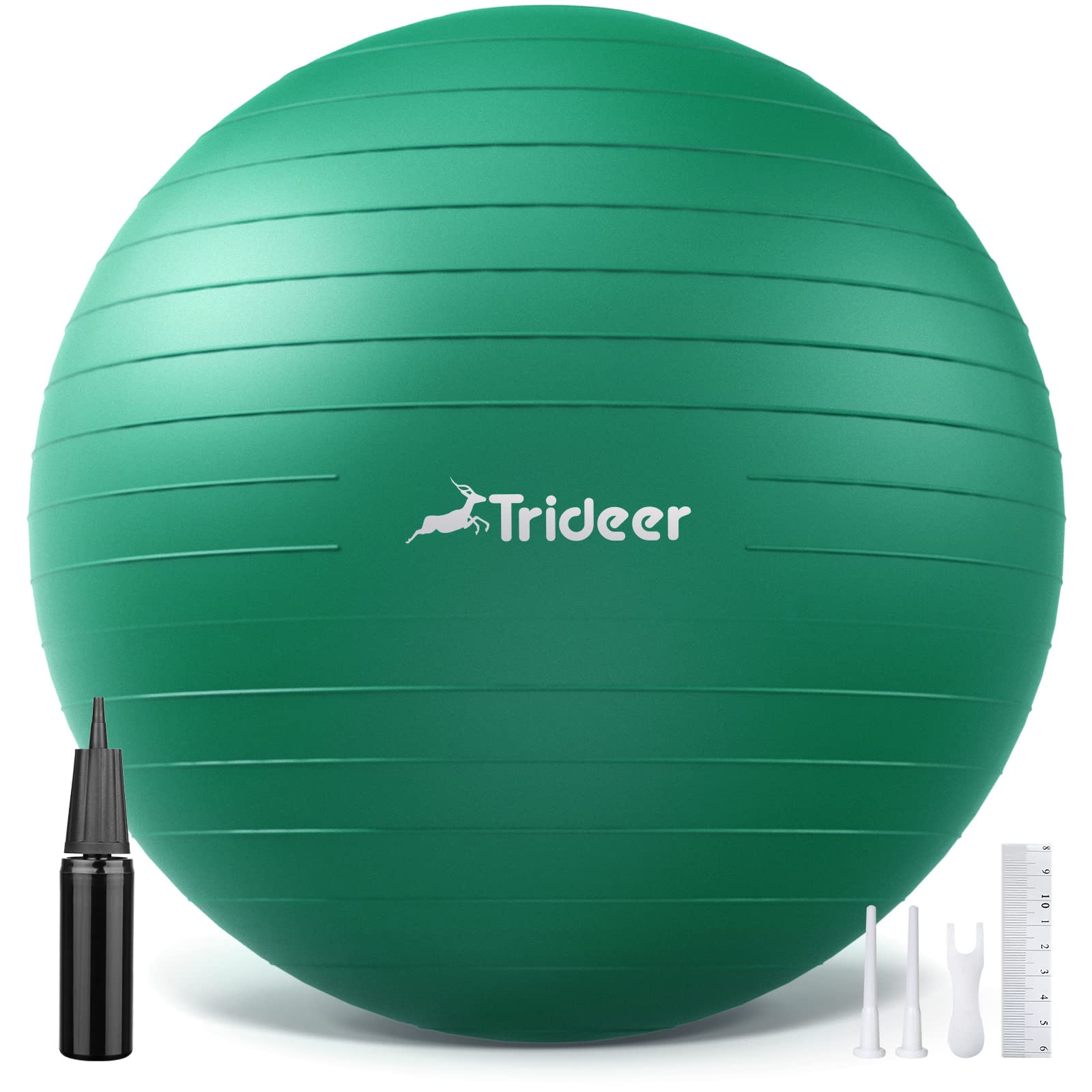
The Physio Ball (Swiss Ball): A Cornerstone of Orthopedic Rehabilitation and Core Stability
The Physio Ball, widely known as the Swiss Ball or Stability Ball, is far more than a simple inflatable sphere. It stands as a foundational tool in orthopedic rehabilitation, sports performance, and general fitness, lauded for its ability to challenge balance, engage deep core musculature, and facilitate functional movement. Originating in Switzerland in the 1960s, where it was first utilized in neuro-developmental treatment by Dr. Susanne Klein-Vogelbach, its application quickly expanded into physical therapy, particularly for spinal conditions, before becoming a global staple in gyms and clinics alike.
This comprehensive guide delves into the intricate world of the Physio Ball, offering an authoritative perspective from an orthopedic specialist. We will explore its design principles, the biomechanics underpinning its effectiveness, its extensive clinical and surgical applications, precise usage instructions, essential maintenance protocols, and the profound impact it has on patient outcomes.
Deep-Dive into Technical Specifications and Biomechanical Mechanisms
Understanding the science behind the Physio Ball is crucial for maximizing its therapeutic potential and ensuring patient safety. Its design is meticulously engineered to provide an unstable yet supportive surface, activating a cascade of proprioceptive and muscular responses.
Design and Materials
The modern Physio Ball is a product of advanced material science, prioritizing durability, safety, and performance.
- Material Composition: Primarily constructed from polyvinyl chloride (PVC), contemporary Physio Balls often incorporate advanced, phthalate-free, and latex-free compounds to cater to individuals with sensitivities. The material is chosen for its elasticity, resistance to punctures, and tactile feel.
- Anti-Burst Technology: A critical safety feature, anti-burst (or slow-deflate) technology is standard in high-quality Physio Balls. In the event of a puncture, this technology ensures that the ball deflates slowly rather than bursting suddenly, significantly reducing the risk of injury from a fall. This is achieved through a specific polymer blend that controls the rate of air release.
- Size Variance and Selection: Physio Balls are available in a range of diameters, typically from 45 cm to 85 cm, catering to different user heights.
- 45 cm: For individuals approximately 4'8" to 5'1" (142-155 cm).
- 55 cm: For individuals approximately 5'2" to 5'6" (157-168 cm).
- 65 cm: For individuals approximately 5'7" to 6'1" (170-185 cm).
- 75 cm: For individuals approximately 6'2" to 6'7" (188-201 cm).
- 85 cm: For individuals over 6'7" (201+ cm).
The correct size ensures that when seated on the ball with feet flat on the floor, hips and knees form a 90-degree angle, maintaining optimal spinal alignment.
- Surface Texture: While most Physio Balls feature a smooth surface, some models incorporate subtle ribbing or textured patterns to enhance grip and prevent slipping, particularly during dynamic exercises.
- Weight Capacity: High-grade Physio Balls are designed to withstand significant weight, often exceeding 300-500 lbs (136-227 kg), making them suitable for a wide range of users and exercise intensities.
Biomechanics and Mechanisms of Action
The Physio Ball's effectiveness stems from its inherent instability, which compels the body to engage in constant micro-adjustments to maintain equilibrium.
- Proprioceptive Enhancement: The unstable surface provides continuous sensory feedback to the central nervous system, challenging and refining proprioception – the body's awareness of its position in space. This is crucial for balance, coordination, and injury prevention.
- Core Musculature Activation: Unlike exercises on stable surfaces, performing movements on a Physio Ball necessitates the activation of deep stabilizing muscles, particularly the transversus abdominis, multifidus, and pelvic floor muscles. These muscles are vital for spinal stability and efficient movement patterns.
- Neuromuscular Re-education: The dynamic nature of Physio Ball exercises helps to re-educate neuromuscular pathways, improving muscle recruitment patterns and coordination, particularly beneficial after injury or surgery.
- Dynamic Stabilization: The body must actively stabilize the spine and joints against the shifting base of support. This dynamic stabilization improves joint proprioception and strengthens the muscles responsible for maintaining joint integrity.
- Spinal Alignment and Posture: When used as an active sitting tool or for specific exercises, the Physio Ball encourages a neutral spinal posture, reducing static loading on intervertebral discs and promoting better ergonomic habits.
- Kinetic Chain Integration: Exercises on the Physio Ball often involve multiple joints and muscle groups simultaneously, promoting integrated movement patterns that mimic real-life activities and sports.
Extensive Clinical Indications and Usage
The Physio Ball is an incredibly versatile tool with a broad spectrum of applications across orthopedic rehabilitation, sports medicine, and general health promotion.
Orthopedic Rehabilitation
The Physio Ball is a cornerstone in the rehabilitation of numerous musculoskeletal conditions, focusing on restoring function, strength, and stability.
- Low Back Pain (LBP) Management:
- Core Stabilization: Exercises like pelvic tilts, crunches, and bridge variations on the ball effectively target the deep abdominal and back extensors, crucial for supporting the lumbar spine.
- Spinal Mobility: Gentle rocking and rotational movements can aid in restoring pain-free range of motion.
- Postural Re-education: Active sitting on a Physio Ball encourages constant postural adjustments, reducing static load and promoting muscle endurance.
- Post-Surgical Recovery:
- ACL Reconstruction: Early-stage exercises include gentle wall squats to improve quadriceps strength and controlled single-leg balance to enhance proprioception and stability.
- Rotator Cuff Repair: Supported external and internal rotation exercises, as well as scapular stabilization drills, can be performed with reduced gravitational load, promoting controlled range of motion and strength without undue stress on the healing tissues.
- Spinal Fusion/Laminectomy: Gentle core activation exercises (e.g., subtle pelvic tilts) can aid in improving segmental control and building foundational stability once approved by the surgeon.
- Balance and Proprioception Training: Essential for conditions like ankle sprains, vestibular disorders, and fall prevention in elderly populations. Exercises range from simple seated balance to single-leg standing on the floor with upper body support on the ball.
- Hip and Knee Rehabilitation: Wall squats, hamstring curls, and glute bridges can be performed with the added challenge of instability, enhancing muscle activation around the hip and knee joints.
- Shoulder Girdle Stability: Plank variations with hands or forearms on the ball, or push-ups with feet on the ball, engage the shoulder stabilizers and core simultaneously.
Sports Performance Enhancement
Athletes utilize the Physio Ball to gain a competitive edge by improving core strength, power, and agility.
- Enhanced Core Strength: Vital for transferring power throughout the body, improving rotational movements, and preventing injuries in dynamic sports.
- Plyometric Training: Controlled jumps onto or over the ball, or dynamic push-ups, can enhance explosive power.
- Agility and Balance: Incorporating the ball into agility drills challenges neuromuscular control and improves rapid directional changes.
General Fitness and Wellness
Beyond rehabilitation and sports, the Physio Ball is a versatile tool for overall health.
- Strength Training: It can be integrated into traditional strength exercises (e.g., chest press, dumbbell rows) to add an unstable element, increasing muscle recruitment.
- Flexibility and Stretching: The ball provides support for deeper stretches, such as back extensions or hip flexor stretches.
- Ergonomic Seating: Used as an alternative office chair, it promotes active sitting, reducing sedentary risks and strengthening core muscles over time.
- Pregnancy Exercises: Gentle stretches, pelvic floor exercises, and supported positions can alleviate discomfort and prepare the body for childbirth (always with medical clearance).
Fitting and Usage Instructions
Proper fitting and usage are paramount for safety and efficacy.
- Choosing the Right Size: Refer to the size chart above. When seated on the ball, your hips should be slightly higher than your knees, with both forming approximately a 90-degree angle, and your feet flat on the floor.
- Inflation: Inflate the ball until it is firm but still has a slight give. Over-inflation can make it too rigid and potentially less safe; under-inflation reduces its effectiveness. Most balls come with a measuring tape to ensure correct diameter. Allow the ball to sit for 24 hours after initial inflation, then top off the air as the material stretches.
- Basic Posture (Seated):
- Sit tall with your spine in a neutral position.
- Engage your core gently.
- Keep your feet flat on the floor, hip-width apart.
- Avoid slouching or leaning heavily to one side.
- Starting Exercises (Beginner Examples):
- Pelvic Tilts: While seated, gently rock your pelvis forward and backward, engaging your core and lower back muscles.
- Gentle Bounce: Sit on the ball and perform small, controlled bounces to activate core muscles and improve balance.
- Wall Squat: Place the ball between your lower back and a wall, then perform squats, rolling the ball up and down your back. This provides support while challenging leg strength.
- Bridge: Lie on your back with your feet on the ball, knees bent. Lift your hips off the floor, engaging glutes and hamstrings, while stabilizing the ball.
- Progression: Start with static holds and basic movements, gradually progressing to dynamic exercises, increased repetitions, and more complex movements as strength and balance improve. Always prioritize proper form over speed or intensity.
Risks, Side Effects, and Contraindications
While highly beneficial, the Physio Ball is not without potential risks, and certain conditions may contraindicate its use.
Risks and Side Effects
- Falls and Injury: The primary risk associated with Physio Ball use is falling, particularly for individuals with poor balance, neurological conditions, or when attempting advanced exercises without supervision. This can lead to sprains, fractures, or head injuries.
- Improper Form: Incorrect execution of exercises can lead to musculoskeletal strain, particularly in the back or neck, negating therapeutic benefits and potentially causing injury.
- Muscle Soreness (DOMS): As with any exercise, delayed onset muscle soreness (DOMS) can occur, especially when starting new exercises or increasing intensity.
Contraindications
Certain conditions warrant caution or complete avoidance of Physio Ball use without explicit medical clearance.
- Acute Severe Pain: Especially in the spine or joints. Exercises on an unstable surface can exacerbate inflammation or injury.
- Unstable Fractures: Any recent or unstable fracture, particularly in the spine or lower extremities, is a contraindication due to the risk of further injury from falls or uncontrolled movement.
- Severe Osteoporosis: Individuals with severe osteoporosis are at increased risk of fracture from falls, making unsupported Physio Ball exercises potentially dangerous.
- Certain Neurological Conditions: Conditions significantly impairing balance, coordination, or motor control (e.g., severe ataxia, uncontrolled vertigo) may make Physio Ball use unsafe without intensive supervision.
- Post-Surgical Restrictions: Specific post-operative weight-bearing, range of motion, or activity restrictions must be strictly adhered to. Physio Ball use should only commence with a therapist's clearance and guidance.
- Severe Vertigo or Dizziness: The unstable surface can exacerbate symptoms and increase fall risk.
- High-Risk Pregnancy: In cases of complicated pregnancies, Physio Ball use should be discussed with an obstetrician.
Safety Precautions
- Start Slowly and Progress Gradually: Begin with simple, controlled movements and gradually increase complexity and intensity.
- Use a Spotter or Support: For beginners or those with balance issues, use the ball near a wall, sturdy furniture, or with a trained therapist providing assistance.
- Proper Inflation and Inspection: Ensure the ball is correctly inflated and regularly inspect it for any signs of wear, tears, or punctures.
- Listen to Your Body: Stop immediately if you experience sharp pain, dizziness, or discomfort.
- Professional Guidance: For individuals with medical conditions, always consult a physical therapist or physician before incorporating Physio Ball exercises into a routine.
Maintenance and Sterilization Protocols
Proper care extends the life of your Physio Ball and ensures hygienic use, especially in clinical settings.
- Cleaning: For personal use, wipe down the ball regularly with a damp cloth and mild soap (e.g., dish soap) or an antiseptic wipe. Rinse thoroughly to remove soap residue. Avoid harsh chemical cleaners, as they can degrade the PVC material.
- Clinical Sterilization: In a clinical environment, follow standard infection control protocols. Typically, a hospital-grade disinfectant wipe or spray (e.g., quaternary ammonium compounds) is used, followed by a wipe-down with clean water if necessary. Ensure the product is safe for PVC materials.
- Storage:
- Store the Physio Ball in a cool, dry place away from direct sunlight, extreme temperatures, and sharp objects.
- Avoid prolonged contact with painted surfaces, as the PVC can sometimes react with certain paints.
- If storing for an extended period, you may slightly deflate it to reduce stress on the material, but do not fully deflate unless necessary.
- Regular Inspection: Periodically check the ball for any signs of wear, cracks, punctures, or air leaks. Replace the ball if any damage is detected, especially if it compromises the anti-burst feature.
Massive FAQ Section
1. What is the difference between a Physio Ball and a Swiss Ball?
There is no functional difference. "Physio Ball" is a common term used in rehabilitation settings, while "Swiss Ball" refers to its origin in Switzerland. It's also known as a stability ball or exercise ball.
2. How do I choose the correct size Physio Ball?
When seated on the ball with your feet flat on the floor, your hips and knees should form approximately a 90-degree angle. As a general guide:
* 4'8" - 5'1" (142-155 cm): 45 cm ball
* 5'2" - 5'6" (157-168 cm): 55 cm ball
* 5'7" - 6'1" (170-185 cm): 65 cm ball
* 6'2" - 6'7" (188-201 cm): 75 cm ball
* Over 6'7" (201+ cm): 85 cm ball
3. Is a Physio Ball good for back pain?
Yes, a Physio Ball is highly effective for managing and preventing low back pain. It strengthens deep core muscles, improves spinal stability, enhances proprioception, and promotes better posture, all of which are crucial for back health. However, always consult a healthcare professional before starting exercises, especially if experiencing acute pain.
4. Can I use a Physio Ball if I'm pregnant?
Many pregnant individuals find Physio Ball exercises beneficial for gentle stretching, pelvic floor strengthening, and maintaining comfort. However, it's crucial to consult with your obstetrician or physical therapist before using it, especially if you have any pregnancy complications or specific medical conditions.
5. How do I inflate and deflate my Physio Ball?
Physio Balls typically come with a hand pump and a plug. Insert the pump nozzle into the ball's valve and pump until it reaches the recommended diameter. Do not over-inflate. Allow it to sit for 24 hours, then top off the air. To deflate, simply remove the plug and gently squeeze the air out.
6. What is "anti-burst" technology?
Anti-burst technology (or slow-deflate) is a safety feature in quality Physio Balls. If the ball is punctured, it will deflate slowly rather than bursting suddenly, reducing the risk of a fall and injury. This is achieved through a specific material composition.
7. How often should I use my Physio Ball?
For general fitness and core strengthening, 3-5 times a week for 15-30 minutes can be beneficial. In rehabilitation, usage frequency and duration will be guided by your physical therapist based on your specific condition and recovery stage.
8. Can I replace my office chair with a Physio Ball?
Yes, many people use a Physio Ball as an active seating alternative. It encourages constant micro-adjustments, engaging core muscles and improving posture. However, it's advisable to alternate between a regular chair and the Physio Ball, especially when first starting, to prevent muscle fatigue.
9. What are some basic exercises for beginners?
- Seated Pelvic Tilts: Gently rock your pelvis forward and backward while seated.
- Wall Squats: Place the ball between your lower back and a wall, then perform controlled squats.
- Bridge: Lie on your back with feet on the ball, lift hips off the floor.
- Gentle Bounces: Sit on the ball and perform small, controlled bounces to improve balance and activate core.
10. How do I clean and maintain my Physio Ball?
Wipe the ball down regularly with a damp cloth and mild soap, then rinse. Avoid harsh chemicals. Store it in a cool, dry place away from direct sunlight and sharp objects. Regularly inspect it for any signs of wear or damage.
11. Are there any conditions where I should NOT use a Physio Ball?
Yes, certain conditions contraindicate its use, including acute severe pain, unstable fractures, severe osteoporosis, certain neurological conditions affecting balance, or specific post-surgical restrictions. Always consult a healthcare professional before use if you have any medical conditions.
12. What's the best way to store a Physio Ball?
Store your Physio Ball away from direct sunlight, extreme temperatures, and sharp objects. If storing for a long period, you can slightly deflate it to reduce material stress, but it's not always necessary. Keep it clean and dry.