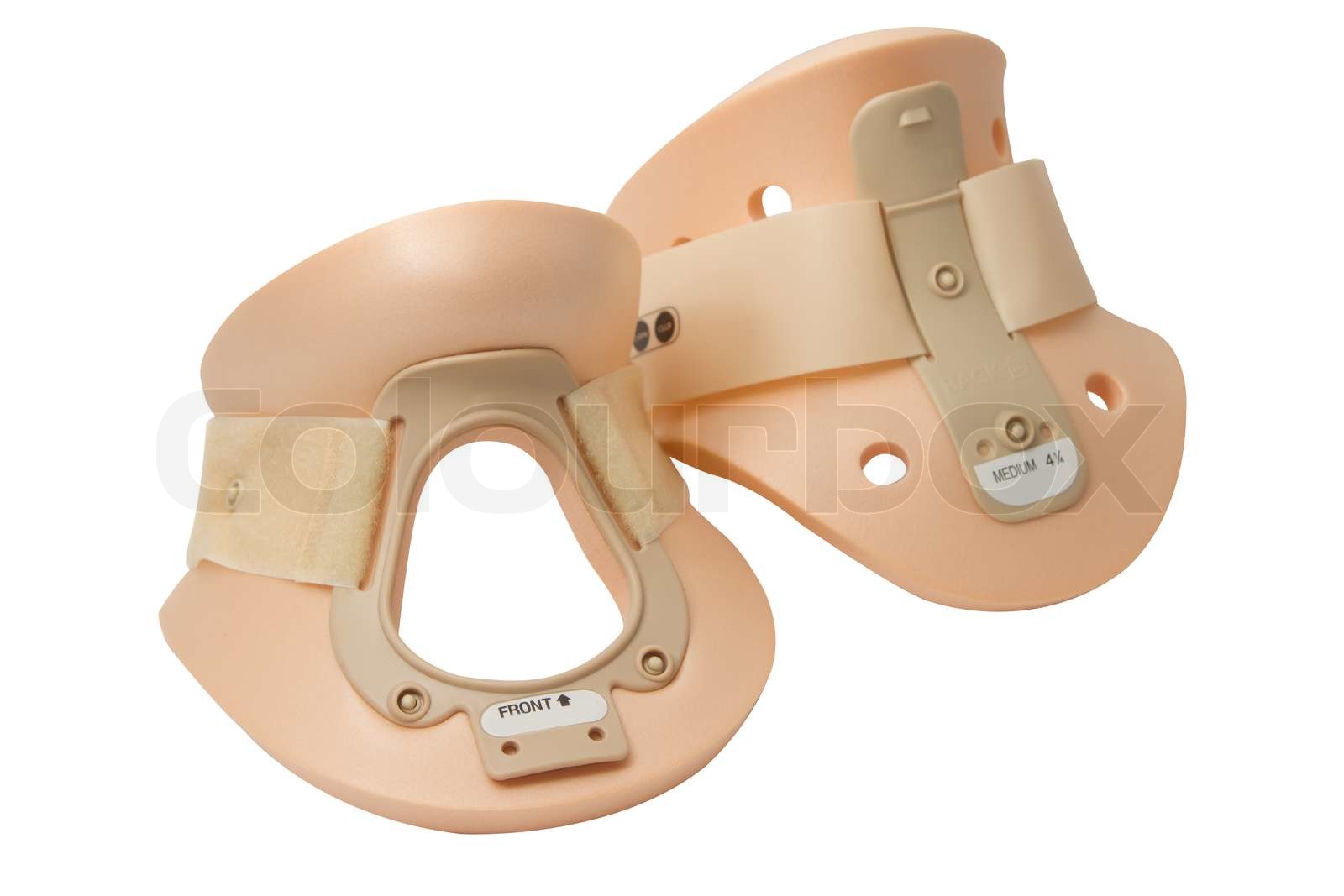
The Philadelphia Cervical Collar: An Orthopedic Essential
The Philadelphia Cervical Collar stands as a cornerstone in the non-invasive management of cervical spine injuries and conditions. As an orthopedic specialist, I can attest to its critical role in providing essential immobilization and support, safeguarding the delicate structures of the neck. This comprehensive guide delves into every aspect of the Philadelphia collar, from its intricate design and biomechanical principles to its extensive clinical applications, fitting protocols, maintenance, and the profound impact it has on patient outcomes. Our aim is to provide an authoritative resource for patients, caregivers, and healthcare professionals seeking to understand this vital orthopedic device.
Introduction to Cervical Immobilization
The cervical spine, comprising seven vertebrae, is a marvel of biomechanical engineering, offering incredible flexibility while housing the spinal cord. Injuries or conditions affecting this region can have devastating consequences. The primary goal of cervical immobilization is to limit motion, prevent further injury, reduce pain, and facilitate healing. While various types of cervical collars exist, the Philadelphia collar distinguishes itself through its rigid, two-piece design, offering a higher degree of immobilization compared to softer alternatives.
Design, Materials, and Biomechanical Principles
Understanding the technical specifications and the biomechanics behind the Philadelphia Cervical Collar is crucial to appreciating its efficacy.
Anatomical Design and Construction
The Philadelphia collar is meticulously engineered to conform to the contours of the neck and upper torso, ensuring optimal support and immobilization.
- Two-Piece Design: The collar consists of an anterior (front) piece and a posterior (back) piece.
- Anterior Piece: Features a contoured chin support and extends down to the sternum. It includes a large tracheal opening, critical for monitoring the airway, performing tracheostomies, or facilitating intubation in emergency settings.
- Posterior Piece: Supports the occiput (back of the head) and extends down over the upper back/scapulae.
- Materials:
- Rigid Polyethylene Plastic: The primary structural component, offering excellent rigidity and durability while being lightweight. This material is chosen for its ability to withstand forces and maintain the desired anatomical alignment.
- Foam Padding: Lined with a soft, hypoallergenic, closed-cell foam. This padding enhances patient comfort, prevents skin irritation, and is designed to be easily cleaned and air-dried, promoting hygiene.
- Velcro Straps: Multiple adjustable Velcro straps securely fasten the anterior and posterior pieces together, allowing for a customized and snug fit around the patient's neck and torso.
- Ventilation Holes: Strategically placed perforations in the plastic shell help to reduce heat buildup and moisture, minimizing the risk of skin breakdown and improving patient comfort during prolonged wear.
Biomechanics of Cervical Stabilization
The effectiveness of the Philadelphia collar stems from its ability to apply a controlled "three-point pressure system" to limit cervical spine motion.
-
Three-Point Pressure System:
- Chin Support: The anterior piece exerts upward pressure on the chin.
- Occipital Support: The posterior piece exerts upward pressure on the occiput.
- Sternal/Upper Back Support: The inferior aspects of both pieces press against the sternum and upper back.
This system works synergistically to create a rigid frame that restricts movement.
-
Restriction of Motion: The Philadelphia collar is highly effective in limiting:
- Flexion: Bending the head forward.
- Extension: Bending the head backward.
- Lateral Bending: Tilting the head side-to-side.
- Rotation: Turning the head left or right.
While it provides significant immobilization, it's important to note that no external device can achieve 100% immobilization of the cervical spine. However, the Philadelphia collar offers a substantial reduction in range of motion, significantly more than a soft cervical collar.
-
Spinal Alignment and Load Reduction: By maintaining the neck in a neutral or slightly extended position, the collar helps to maintain proper cervical alignment. While it doesn't significantly reduce axial load (compression forces), its primary function is to prevent harmful movements that could exacerbate an injury or impede healing.
Extensive Clinical Indications and Usage Protocols
The Philadelphia Cervical Collar is indicated for a wide array of clinical scenarios, ranging from acute trauma management to long-term post-surgical stabilization and conservative treatment.
Emergency and Pre-hospital Trauma Management
- Suspected Cervical Spine Injury (CSI): In any situation involving significant trauma, particularly to the head, neck, or torso, a Philadelphia collar is often applied at the scene by first responders to prevent potential secondary spinal cord injury during extrication and transport. This is a critical step in the "load and go" protocol.
- Prevention of Secondary Injury: Immobilizing the neck prevents inadvertent movement of potentially unstable vertebrae, which could compress the spinal cord or nerve roots.
- Facilitating Transport: Ensures the cervical spine remains in a neutral position during ambulance or air transport to a medical facility.
Post-Surgical Stabilization
Following cervical spine surgery, maintaining immobilization is paramount for optimal healing and fusion.
* Cervical Fusion Procedures:
* Anterior Cervical Discectomy and Fusion (ACDF): Post-ACDF, the collar helps maintain the graft/plate stability and promotes successful fusion.
* Posterior Cervical Fusion (PCF): Similarly, it protects the posterior instrumentation and fusion site.
* Laminectomy and Discectomy: Provides support and limits motion after decompression procedures.
* Fracture Fixation: Used after surgical stabilization of cervical fractures to ensure continued immobilization during the initial healing phase.
* Decompression Procedures: Helps to maintain alignment and reduce stress on the operated segments.
Conservative Management of Cervical Conditions
For certain non-surgical conditions, the Philadelphia collar offers effective conservative management.
* Stable Cervical Fractures: For non-displaced or minimally displaced stable fractures where surgery is not immediately indicated, the collar provides external fixation to allow bone healing.
* Severe Cervical Sprains/Strains (Whiplash): In cases of significant ligamentous or muscular injury, the collar can reduce pain by limiting motion and providing support, facilitating a period of rest for soft tissue healing. Its use here is typically for a limited duration to prevent muscle atrophy.
* Degenerative Disc Disease Exacerbations: During acute flare-ups of pain due to disc degeneration, the collar can provide temporary relief by unloading the cervical discs and restricting painful movements.
* Cervical Radiculopathy: In acute phases, it can help reduce nerve root irritation by maintaining a neutral position and minimizing compression.
* Torticollis (Severe Cases): For certain types of severe torticollis, it may be used temporarily to encourage a neutral head position and reduce muscle spasm.
* Rheumatoid Arthritis: In cases of cervical involvement, it can provide support and protection, especially if there's instability.
Neurological Applications
- Head Drop/Poor Head Control: In conditions like Amyotrophic Lateral Sclerosis (ALS), muscular dystrophy, or post-stroke, where patients struggle with head control, the Philadelphia collar can provide essential support, improving comfort and function.
Usage Guidelines and Fitting Instructions
Proper fitting is critical for both efficacy and patient comfort. Incorrect application can lead to complications or inadequate immobilization.
Pre-fitting Assessment:
- Patient Measurements: Measure neck circumference, chin-to-sternum distance, and occiput-to-shoulder distance to select the appropriate size (e.g., pediatric, small, medium, large).
- Patient Position: Ideally, the patient should be in a supine (lying on back) position with the cervical spine in a neutral alignment. If seated, ensure the head is held erect and centered.
Step-by-Step Application:
- Prepare the Collar: Ensure the foam liners are clean and properly attached to both the anterior and posterior plastic pieces.
- Position the Posterior Piece: Gently slide the posterior piece under the patient's neck, ensuring the occipital support cradles the back of the head and the lower edge rests comfortably on the upper back/shoulders. Maintain neutral alignment of the head throughout.
- Position the Anterior Piece: Bring the anterior piece up to the front of the neck. The chin should rest comfortably and securely in the chin cup, and the lower edge should sit firmly against the sternum.
- Secure the Straps: Bring the Velcro straps from the posterior piece forward and attach them securely to the anterior piece. Begin with the lower straps, then the upper straps.
- Adjust for Snugness: Tighten the straps until the collar is snug but not excessively tight. There should be no significant gaps, and the head should be unable to flex, extend, or rotate significantly.
- Check for Proper Fit:
- Neutral Alignment: The head should be in a neutral, slightly extended position, looking straight ahead.
- Tracheal Opening: Ensure the large opening is centered over the trachea, allowing for clear breathing and access.
- Chin and Occipital Support: Verify the chin is fully supported without excessive pressure, and the occiput is cradled.
- Skin Integrity: Check for any pressure points, excessive redness, or signs of skin irritation, especially around the jawline, occiput, and clavicles.
- Patient Comfort: While some initial discomfort is normal, severe pain or difficulty breathing indicates improper fit.
Proper Fit Checklist:
| Feature | Ideal Condition | Check For |
|---|---|---|
| Head Alignment | Neutral, slightly extended | Flexion, hyperextension, lateral tilt |
| Chin Support | Chin rests comfortably in cup, not "floating" or pushed back | Gaps, excessive pressure, chin slipping out |
| Occipital Support | Cradles back of head, firm against occiput | Gaps, head falling backward |
| Tracheal Opening | Centered, clear, allows breathing | Obstructed, off-center, rubbing |
| Strap Tension | Snug but not constrictive (one finger space possible) | Too loose (collar shifts), too tight (difficulty breathing, skin blanching) |
| Skin Integrity | No redness, irritation, or blanching | Redness, sores, indentations, discomfort |
Maintenance, Hygiene, and Sterilization Protocols
Maintaining the cleanliness and integrity of the Philadelphia collar is crucial for preventing skin complications and ensuring its longevity.
Daily Care and Hygiene
- Cleaning Foam Liners: The removable foam liners should be cleaned daily or as needed with mild soap (e.g., baby shampoo) and warm water. Gently hand wash, rinse thoroughly, and air dry completely before reattaching. Do NOT use harsh chemicals or machine wash.
- Wiping Plastic Shells: The rigid plastic components can be wiped down with a damp cloth and mild soap or an antiseptic wipe. Ensure all soap residue is removed.
- Frequency: Daily cleaning is recommended, especially if the patient sweats, has skin oils, or if there's any discharge. In warmer climates or with active patients, more frequent cleaning may be necessary.
- Inspection: Regularly inspect the collar for any signs of wear, cracks in the plastic, fraying of Velcro straps, or damage to the foam padding. Damaged components can compromise immobilization and lead to skin breakdown.
Skin Integrity Management
- Regular Skin Checks: Patients or caregivers should perform daily skin checks under the collar, particularly at pressure points (chin, occiput, clavicles, sternum). Look for redness, irritation, blisters, or open sores.
- Moisture Management: Keep the skin under the collar clean and dry. Use a clean, soft cloth to gently blot away moisture. Avoid applying lotions or powders excessively, as they can trap moisture.
- Padding Adjustment: If specific pressure points are noted, consult with a healthcare professional to see if additional padding (e.g., breathable cotton gauze) can be strategically placed, or if a collar adjustment/different size is needed.
- Shaving/Grooming: For male patients, shaving facial hair that comes into contact with the chin cup can help reduce irritation.
Sterilization
The Philadelphia Cervical Collar is typically designed for single-patient use to prevent cross-contamination. Therefore, sterilization protocols for multi-patient use are generally not applicable. If the device is intended for re-use in a clinical setting (rare for personal collars), specific institutional sterilization guidelines must be followed, which typically involve cold sterilization methods compatible with plastics and foams. Always refer to the manufacturer's instructions for specific cleaning and disinfection recommendations.
Potential Risks, Side Effects, and Contraindications
While highly beneficial, the use of a Philadelphia Cervical Collar is not without potential risks and side effects. Awareness of these is crucial for patient safety and effective management.
Common Side Effects
- Skin Irritation and Pressure Sores: The most common complication, especially with prolonged wear or improper fit. Pressure points can lead to redness, maceration, blisters, and ultimately pressure ulcers.
- Muscle Atrophy and Stiffness: Long-term immobilization can lead to weakening of cervical muscles, reduced range of motion, and joint stiffness. This necessitates a gradual weaning process and physical therapy once medically appropriate.
- Discomfort and Pain: Initial discomfort is common. Difficulty swallowing (dysphagia) or speaking can occur due to pressure.
- Increased Perspiration: The occlusive nature of the collar can trap heat and moisture, leading to increased sweating and potential skin issues.
- Psychological Impact: Some patients may experience feelings of claustrophobia, anxiety, or self-consciousness due to the collar's appearance and restrictive nature.
Serious Complications
- Increased Intracranial Pressure (ICP): In patients with head injuries or conditions that predispose to elevated ICP, the jugular compression caused by a tightly fitted cervical collar can potentially worsen ICP. Careful monitoring is required.
- Airway Obstruction: An improperly fitted collar, particularly one that is too tight or positioned incorrectly, can impinge on the airway, leading to respiratory distress. The large tracheal opening helps mitigate this, but vigilance is key.
- Neurological Compromise: If an unstable cervical injury is not adequately immobilized or if the collar shifts, further neurological damage could occur. This underscores the importance of correct application and continuous assessment.
Contraindications
- Unstable Cervical Spine Fractures Requiring Immediate Surgical Intervention: While used for stable fractures, highly unstable fractures or dislocations that necessitate immediate surgical reduction and fixation are primary contraindications for relying solely on external immobilization.
- Severe Respiratory Compromise: Patients with pre-existing severe respiratory issues where the collar might further impede breathing or compromise airway access (e.g., severe obstructive sleep apnea, critical respiratory failure) require careful consideration and may be contraindicated.
- Known Allergies: Patients with documented allergies to the materials used in the collar (polyethylene, foam) should explore alternative options.
- Patient Non-compliance/Agitation: Patients who are agitated, cognitively impaired, or unable to understand and comply with collar wear instructions may be at higher risk for complications, making the collar a relative contraindication. Alternative methods of immobilization or closer supervision may be required.
Patient Outcome Improvements and Quality of Life
Despite the challenges of wearing a cervical collar, its benefits in promoting healing and improving long-term outcomes are profound.
- Pain Management and Reduction: By immobilizing the injured or affected area, the collar significantly reduces movement-induced pain, allowing patients greater comfort and facilitating participation in other therapies.
- Prevention of Further Neurological Damage: This is perhaps the most critical outcome. In trauma cases, the collar's immediate application can prevent a stable injury from becoming unstable, thereby safeguarding the spinal cord and preventing irreversible neurological deficits.
- Promotion of Optimal Healing Environment: For fractures or post-surgical fusion, immobilization creates a stable environment necessary for bone and soft tissue healing, increasing the likelihood of successful fusion and recovery.
- Improved Functional Recovery: By allowing the initial healing phase to proceed safely, the collar indirectly supports a more robust and complete functional recovery, enabling patients to return to daily activities with greater confidence.
- Psychological Reassurance: For many patients, wearing the collar provides a sense of security and protection, reducing anxiety about accidental movements that could cause further harm.
- Facilitating Early Mobilization (Within Limits): By stabilizing the cervical spine, the collar can enable patients to sit up, stand, and participate in limited ambulation earlier than they otherwise might, contributing to overall well-being and preventing complications associated with prolonged bed rest.
Frequently Asked Questions (FAQ)
Q1: What is the Philadelphia Cervical Collar primarily used for?
The Philadelphia Cervical Collar is primarily used for rigid immobilization of the cervical spine following trauma, surgical procedures (like cervical fusion), or for the conservative management of stable cervical fractures, severe sprains, and certain degenerative conditions. Its main goal is to limit neck movement to prevent further injury and promote healing.
Q2: How is it different from a soft cervical collar?
The Philadelphia collar is a rigid, two-piece collar made of polyethylene plastic with foam padding, offering significantly greater immobilization (restricting flexion, extension, lateral bending, and rotation) compared to a soft cervical collar, which primarily provides warmth and proprioceptive feedback with minimal immobilization.
Q3: How long do I need to wear the Philadelphia collar?
The duration of wear is highly individualized and determined by your orthopedic specialist based on the specific injury or condition, the healing process, and your progress. It can range from a few weeks for severe sprains to several months post-surgery or for fracture healing. Never discontinue use without medical advice.
Q4: Can I sleep with the collar on?
Yes, you must sleep with the Philadelphia collar on unless specifically instructed otherwise by your doctor. Maintaining immobilization during sleep is crucial to prevent accidental movements that could compromise healing or cause re-injury. You may find it more comfortable to sleep on your back with a firm pillow or a cervical roll.
Q5: How do I clean my Philadelphia collar?
The removable foam liners should be hand-washed daily with mild soap and warm water, rinsed thoroughly, and air-dried completely before reattaching. The plastic shells can be wiped down with a damp cloth and mild soap or an antiseptic wipe. Ensure all components are dry before reapplication to prevent skin irritation.
Q6: What should I do if my skin gets irritated under the collar?
If you notice redness, itching, or sores, immediately check the fit of your collar and ensure it's clean and dry. Inform your healthcare provider. They may recommend adjustments, additional padding, or specific skin care products. Do not apply lotions or powders excessively without medical guidance.
Q7: Can I shower with the collar on?
Generally, it is not recommended to shower with the Philadelphia collar on, as it can be difficult to keep the foam liners dry, leading to skin issues. Your doctor or therapist will provide specific instructions. If showering is permitted, you may need to cover the collar with plastic to keep it dry, or have a clean, dry replacement collar ready for immediate application after showering.
Q8: How do I know if the collar is fitted correctly?
A correctly fitted Philadelphia collar will hold your head in a neutral, slightly extended position, looking straight ahead. Your chin should rest comfortably in the chin cup, and the occiput should be cradled. There should be no significant gaps, and the collar should feel snug but not uncomfortably tight or restrictive of breathing. Your healthcare provider will ensure the initial fit is correct.
Q9: Can I drive while wearing the Philadelphia collar?
No, driving is generally not permitted while wearing a Philadelphia cervical collar. The collar severely restricts your ability to turn your head, which is essential for safe driving, especially checking blind spots and maneuvering. This restriction poses a significant safety risk to yourself and others.
Q10: What activities should I avoid while wearing the collar?
You should avoid any activity that involves bending, twisting, or lifting, especially heavy objects. High-impact sports, running, jumping, and any activity that could lead to a fall or sudden jolt to the neck are strictly prohibited. Your doctor will provide specific activity restrictions based on your condition.
Q11: Is it normal to feel some discomfort initially?
Yes, it's normal to experience some initial discomfort, stiffness, or a feeling of restriction when you first start wearing the Philadelphia collar. This should gradually subside. However, persistent or severe pain, difficulty breathing, numbness, tingling, or increased weakness should be reported to your doctor immediately.
Q12: What if the collar feels too tight or too loose?
If the collar feels too tight, causing difficulty breathing, excessive pressure, or skin blanching, loosen the straps slightly and re-check the fit. If it feels too loose and your head can move significantly, tighten the straps. If you cannot achieve a comfortable and secure fit, or if the collar continues to cause problems, contact your healthcare provider for an adjustment or reassessment of sizing.