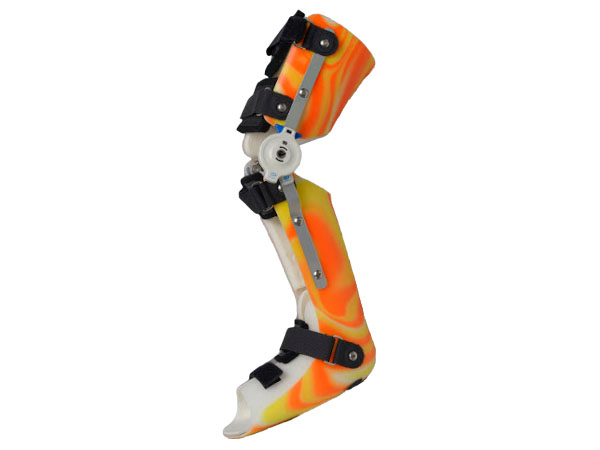
Understanding the Pediatric Knee Ankle Foot Orthosis (KAFO): A Comprehensive Guide
The Pediatric Knee Ankle Foot Orthosis (KAFO) is a critical assistive device designed to provide comprehensive support, stability, and alignment for children with various neuromuscular and orthopedic conditions. Unlike an Ankle Foot Orthosis (AFO) which primarily addresses foot and ankle issues, the KAFO extends its support up to and including the knee joint, offering a broader range of biomechanical control. This extensive guide delves into the intricate world of pediatric KAFOs, offering an authoritative perspective for parents, caregivers, and medical professionals alike.
Comprehensive Introduction & Overview
A Pediatric KAFO is a custom-fabricated orthosis that encompasses the foot, ankle, and knee, extending up to the thigh. Its primary purpose is to manage complex lower limb deformities, provide stability to unstable joints, prevent or correct contractures, assist with weakened musculature, and facilitate functional ambulation in children who might otherwise struggle with mobility.
Why KAFOs are Crucial for Pediatric Patients:
- Developmental Support: In growing children, KAFOs play a vital role in guiding bone growth and joint development into more optimal alignments, preventing the progression of deformities.
- Enhanced Mobility & Ambulation: For children with significant muscle weakness or paralysis, KAFOs can provide the necessary structural support to enable standing, walking, and participation in daily activities, fostering independence.
- Pain Reduction: By stabilizing joints and correcting alignment, KAFOs can significantly reduce pain associated with instability or abnormal biomechanics.
- Prevention of Secondary Complications: KAFOs help prevent secondary complications such as joint contractures, skin breakdown from abnormal pressure, and further musculoskeletal deterioration.
- Improved Quality of Life: Ultimately, a well-fitted KAFO can dramatically improve a child's ability to engage with their environment, participate in school, and enjoy recreational activities, contributing positively to their psychological and social development.
The design and application of a pediatric KAFO are highly individualized, taking into account the child's specific diagnosis, age, growth potential, activity level, and functional goals.
Deep-dive into Technical Specifications / Mechanisms
The effectiveness of a pediatric KAFO lies in its meticulous design, choice of materials, and sophisticated biomechanical principles.
Design & Materials
Pediatric KAFOs are complex devices composed of several key components, each serving a specific function.
Key Components:
- Foot Section/Foot Plate: Custom molded to the child's foot, providing a stable base and controlling foot position (e.g., preventing pronation/supination).
- Ankle Section: Can be articulated (allowing movement, often with stops to limit range) or fixed (immobilizing the ankle). Types include free motion, dorsiflexion assist, plantarflexion stop, and solid ankle.
- Uprights: Connect the foot/ankle section to the thigh section. Typically made of metal (aluminum, stainless steel) or carbon fiber, providing structural integrity.
- Knee Joint: The most critical component for knee control. Options include:
- Offset Joints: Designed to resist knee hyperextension.
- Free Motion Joints: Allow full flexion and extension.
- Locking Joints: Can be manually locked in extension for stability during standing and unlocked for sitting. Examples include drop locks, bail locks (Swiss locks), and stance control knee joints (SCKAFOs) which automatically lock in stance and unlock in swing.
- Thigh Section/Cuff: Custom molded to the child's thigh, providing proximal control and leverage for knee stabilization.
- Straps & Padding: Essential for securing the orthosis, distributing pressure, and ensuring comfort.
Materials Used:
| Component | Common Materials | Properties |
|---|---|---|
| Shells/Cuffs | Thermoplastics (Polypropylene, Polyethylene, Co-polymers), Carbon Fiber Composites | Lightweight, durable, moldable, varying rigidity/flexibility, high strength-to-weight ratio |
| Uprights | Aluminum, Stainless Steel, Carbon Fiber Composites | High strength, corrosion resistant, lightweight (carbon fiber) |
| Joints | Stainless Steel, Titanium, Aluminum | High strength, wear-resistant, lightweight (titanium/aluminum) |
| Padding | Plastazote, Pelite, Poron, Closed-cell foams | Hypoallergenic, shock absorption, pressure distribution, moisture-wicking |
| Straps | Leather, Nylon, Hook-and-loop fasteners (Velcro) | Durable, adjustable, secure closure |
Customization: The precise fit of a KAFO is paramount. Orthotists use advanced techniques like plaster casting, 3D scanning, and CAD/CAM technology to create a custom mold that perfectly matches the child's anatomy, ensuring optimal support and comfort while minimizing pressure points. Consideration for the child's growth is integrated, often through modular designs or planned revisions.
Biomechanics of Pediatric KAFOs
KAFOs exert specific forces on the lower limb to achieve desired biomechanical outcomes.
- Knee Control:
- Preventing Genu Recurvatum (Hyperextension): Achieved through a three-point pressure system, often with an anterior strap at the knee and posterior force from the thigh and calf sections, or by using offset knee joints.
- Mediolateral Stability: Provided by the rigid uprights and well-contoured thigh and calf shells, preventing excessive valgus (knock-knee) or varus (bow-leg) forces.
- Flexion/Extension Assistance: Locking knee joints provide stability in extension for standing and ambulation, while stance control joints offer more dynamic support.
- Ankle Control:
- Dorsiflexion/Plantarflexion: Fixed ankle designs immobilize the joint, while articulated designs can assist or limit movement, crucial for swing phase clearance and preventing foot drop.
- Inversion/Eversion: The foot plate and calf shell control mediolateral ankle stability, preventing excessive rolling in or out of the foot.
- Foot Control: The custom-molded foot plate provides arch support, corrects forefoot/rearfoot alignment, and distributes plantar pressures evenly.
- Kinetic Chain Impact: By stabilizing the knee and ankle, a KAFO can positively influence proximal joints like the hip and pelvis, improving overall trunk stability and reducing compensatory movements during gait.
- Weight Bearing & Gait Cycle: KAFOs enhance stability during the stance phase, allowing for improved weight transfer and balance. For children with significant weakness, they can enable upright standing and reciprocal walking patterns.
Mechanisms of Action:
- Support: Providing external skeletal support to weakened or unstable joints and muscles.
- Correction: Applying sustained, gentle forces to guide bone and soft tissue growth, correcting existing deformities or preventing their progression.
- Protection: Shielding vulnerable limbs or joints from excessive stress or injury, particularly post-surgery or in conditions like Osteogenesis Imperfecta.
- Assistance: Aiding in movement by providing leverage or mechanical advantage for muscles that are weak or paralyzed.
Extensive Clinical Indications & Usage
Pediatric KAFOs are prescribed for a wide array of conditions, both neurological and orthopedic, where control of the knee, ankle, and foot is essential.
Neurological Conditions:
- Cerebral Palsy (CP):
- Spasticity Management: Can help manage spasticity by maintaining stretched positions and providing stability.
- Gait Improvement: Address crouch gait, scissoring, and improve step length and symmetry.
- Contracture Prevention: Prevent knee and ankle contractures.
- Spina Bifida:
- Paralysis Support: Provide stability for children with varying levels of paralysis, enabling standing and ambulation.
- Joint Stability: Support unstable knees and ankles, common due to muscle imbalance.
- Muscular Dystrophy (e.g., Duchenne Muscular Dystrophy):
- Progressive Weakness: Support weakening muscles, prolonging independent ambulation and standing.
- Joint Protection: Protect joints from abnormal stresses as muscle weakness progresses.
- Spinal Cord Injury: For children with paraplegia, KAFOs can facilitate upright standing and swing-through or reciprocal gait patterns.
- Polio/Post-Polio Syndrome: Address residual muscle weakness and joint instability.
- Traumatic Brain Injury (TBI) / Stroke: Manage spasticity and weakness, assist in rehabilitation for gait retraining.
Orthopedic Conditions:
- Congenital Femoral Deficiency (CFD): Provide support for limb length discrepancy and often associated knee instability.
- Genu Recurvatum (Knee Hyperextension): KAFOs are highly effective in preventing excessive knee hyperextension, which can lead to pain and joint damage.
- Severe Valgus/Varus Deformities: Apply corrective forces to guide proper alignment of the knee and lower leg.
- Osteogenesis Imperfecta (Brittle Bone Disease): Offer external support and protection to prevent fractures, particularly during weight-bearing activities.
- Joint Instability/Ligamentous Laxity: Provide external stabilization for hypermobile joints or following ligamentous injuries.
- Developmental Dysplasia of the Hip (DDH): In some cases, KAFOs can be used in conjunction with other treatments to maintain proper hip alignment by influencing the kinetic chain.
Post-Surgical Applications:
- Post-tendon Release or Transfer: Protect healing tissues and maintain corrected positions.
- Post-osteotomy: Provide immobilization and support during bone healing and remodeling.
- Fracture Fixation: Act as an external cast, particularly for complex lower limb fractures requiring knee control.
- Controlled Rehabilitation: Allow for controlled range of motion and weight-bearing during the rehabilitation phase.
Fitting & Usage Instructions:
Proper fitting and consistent usage are paramount for the success of a pediatric KAFO.
- Initial Fitting:
- Always performed by a certified orthotist.
- Involves careful assessment of fit, alignment, and pressure points.
- The child's posture and gait will be observed with the KAFO on.
- Adjustments will be made to straps, padding, and joint settings.
- Donning & Doffing:
- Parents/caregivers will receive detailed instructions.
- Typically involves positioning the foot correctly in the foot section, securing ankle/calf straps, then positioning the knee and securing thigh straps.
- Ensure all straps are snug but not overly tight.
- Wear Schedule:
- Often initiated with a gradual break-in period (e.g., 1-2 hours initially, gradually increasing).
- Skin should be checked frequently for redness or irritation during the break-in period.
- The prescribed wear schedule (e.g., all day, specific activities, nighttime) must be strictly followed.
- Activity Considerations:
- Encourage participation in age-appropriate activities as much as possible, within the limits set by the orthotist/therapist.
- Adaptations may be needed for certain sports or recreational activities.
- Footwear:
- Children wearing KAFOs typically require specific footwear that can accommodate the orthosis.
- Shoes should have a wide toe box, deep heel counter, removable insoles, and often require a larger size.
- The orthotist will provide recommendations.
- Growth Adjustments:
- Regular follow-up appointments are crucial to assess fit and function as the child grows.
- Signs of outgrowing include excessive pressure, difficulty donning, or the orthosis no longer providing adequate support. KAFOs may need to be modified or replaced every 12-18 months, or sooner depending on growth spurts.
Maintenance, Sterilization & Longevity
Proper care extends the life of the KAFO and ensures optimal hygiene and function.
Daily Care:
- Cleaning Protocols:
- Pads: Removable pads should be cleaned regularly with mild soap and water, then air-dried thoroughly. Non-removable padding can be wiped down.
- Shells/Uprights: Wipe down plastic and metal components with a damp cloth and mild soap. Dry thoroughly.
- Avoid Harsh Chemicals: Do not use abrasive cleaners, solvents, or harsh detergents, as these can damage materials.
- Checking for Wear and Tear:
- Straps & Fasteners: Inspect hook-and-loop fasteners for loss of grip; check straps for fraying or damage.
- Joints & Rivets: Ensure all screws, rivets, and joint mechanisms are secure and functioning smoothly. Lubricate joints if recommended by the orthotist.
- Shells: Look for cracks, sharp edges, or areas of excessive wear.
- Skin Care: Always ensure the child's skin is clean and dry before donning the KAFO. Check for any redness, blisters, or skin irritation after removal. Report persistent skin issues to the orthotist immediately.
Sterilization:
While KAFOs are not typically "sterilized" in the medical sense for surgical environments, maintaining high levels of hygiene is critical. The focus is on preventing bacterial or fungal growth that could lead to skin infections. Regular cleaning as described above is the primary method of hygiene.
Longevity & Replacement:
- Expected Lifespan: A KAFO's lifespan varies significantly. For an adult, it might be 3-5 years. For a rapidly growing child, a KAFO may need to be replaced or significantly modified every 12-18 months due to growth.
- Factors Affecting Durability:
- Child's activity level and weight.
- Material quality and design.
- Adherence to maintenance protocols.
- Rate of growth.
- When to Seek Repair or Replacement:
- Evidence of significant growth (orthosis too small, causing pressure).
- Cracks or structural damage to the plastic shells or metal uprights.
- Malfunctioning knee or ankle joints (e.g., locking mechanism failing, excessive play).
- Straps or padding are worn out and no longer provide adequate support or comfort.
- The child reports new or increased discomfort or pain.
- The KAFO no longer achieves its intended biomechanical goals.
Risks, Side Effects, or Contraindications
While KAFOs are highly beneficial, potential risks and side effects must be managed.
- Skin Issues:
- Pressure Sores/Blisters: Most common, especially with improper fit or prolonged wear. Regular skin checks are essential.
- Chafing/Rashes: Can occur from friction or heat buildup. Good hygiene and proper padding help.
- Heat Rash: Due to reduced air circulation; wearing moisture-wicking clothing under the orthosis can help.
- Discomfort/Pain: An ill-fitting KAFO can cause localized pain, nerve impingement, or general discomfort. Prompt adjustment is necessary.
- Muscle Atrophy: Over-reliance on the orthosis without targeted physical therapy can lead to disuse atrophy of some muscles. This needs to be balanced with the benefits of stability and function.
- Psychological Impact: Children may experience self-consciousness, body image concerns, or social stigma. Support from parents, peers, and therapists is crucial.
- Gait Deviations: An improperly aligned or poorly functioning KAFO can introduce new compensatory gait patterns, potentially leading to issues in other joints.
- Falls: While designed to improve stability, initially, a child may need time to adapt, and falls can occur.
- Contraindications:
- Severe Skin Breakdown or Open Wounds: KAFOs should not be worn directly over compromised skin.
- Rapidly Changing Edema: Fluctuating swelling can make proper fit impossible and lead to skin issues.
- Certain Neurological Conditions: In rare cases, a KAFO might hinder rather than help, especially if it restricts necessary movement or exacerbates spasticity without adequate control.
- Severe Joint Contractures: If a joint cannot be passively corrected to a functional range, a KAFO may not be suitable without prior surgical intervention.
Massive FAQ Section
Q1: What is a Pediatric KAFO?
A Pediatric KAFO (Knee Ankle Foot Orthosis) is a custom-made brace that supports and stabilizes a child's knee, ankle, and foot. It's used to manage muscle weakness, joint instability, and deformities in the lower limb.
Q2: How is a KAFO different from an AFO?
An AFO (Ankle Foot Orthosis) only supports the foot and ankle, while a KAFO extends further up the leg to include the knee joint, providing comprehensive control over the entire lower limb.
Q3: How long will my child need to wear their KAFO?
The duration of KAFO wear varies greatly depending on the child's condition, age, and treatment goals. Some children may need it for a few months post-surgery, while others with chronic conditions might wear it for several years, or even indefinitely, with regular replacements due to growth.
Q4: How often should the KAFO be cleaned?
Removable pads should be cleaned daily or every few days, and the plastic/metal components wiped down regularly. Always follow your orthotist's specific instructions for cleaning and maintenance.
Q5: What signs indicate the KAFO needs adjustment or replacement?
Signs include new or increased skin redness/irritation, the child complaining of pain, difficulty putting the KAFO on, the KAFO appearing too small, visible damage (cracks, loose parts), or if it no longer provides the intended support or control.
Q6: Can my child play sports while wearing a KAFO?
Many children can participate in modified sports and activities while wearing their KAFO. The specific type of activity will depend on the child's condition, the KAFO's design, and the recommendations of the orthotist and physical therapist. Always prioritize safety.
Q7: Will the KAFO be uncomfortable for my child?
Initially, there may be an adjustment period, but a properly fitted KAFO should not cause significant pain. Minor pressure marks that disappear within 20-30 minutes are normal. Persistent redness, blisters, or pain indicate an improper fit and require immediate attention from the orthotist.
Q8: What kind of shoes work best with a KAFO?
Children typically need shoes with a wide and deep toe box, a deep heel counter, and often removable insoles to accommodate the KAFO. Your orthotist will provide specific recommendations, and it's often best to bring the KAFO to the shoe store.
Q9: How do KAFOs help with gait development?
KAFOs provide external stability, correct alignment, and can assist or restrict specific joint movements. This allows children with muscle weakness or instability to achieve a more efficient and safer gait pattern, promoting proper muscle recruitment and preventing compensatory movements.
Q10: Are there different types of KAFOs?
Yes, KAFOs come in various designs, including conventional (metal and leather), plastic (thermoplastic), and hybrid designs. The knee joints can be free-motion, locking (manual or automatic like stance control), or offset. The specific type chosen depends on the child's individual needs.
Q11: How do I know if my child needs a KAFO?
A KAFO is typically recommended by a pediatric orthopedic specialist, neurologist, or physiatrist if a child exhibits significant knee instability, severe lower limb weakness, pronounced gait deviations, or complex deformities that require control of the knee, ankle, and foot.
Q12: What is the process for getting a custom KAFO?
The process usually involves an initial assessment by an orthotist, casting or 3D scanning of the child's leg, fabrication of the KAFO, and then multiple fitting appointments to ensure proper fit, function, and comfort. Regular follow-up appointments are scheduled to monitor the child's growth and the KAFO's effectiveness.