Introduction & Overview: The Pavlik Harness Explained
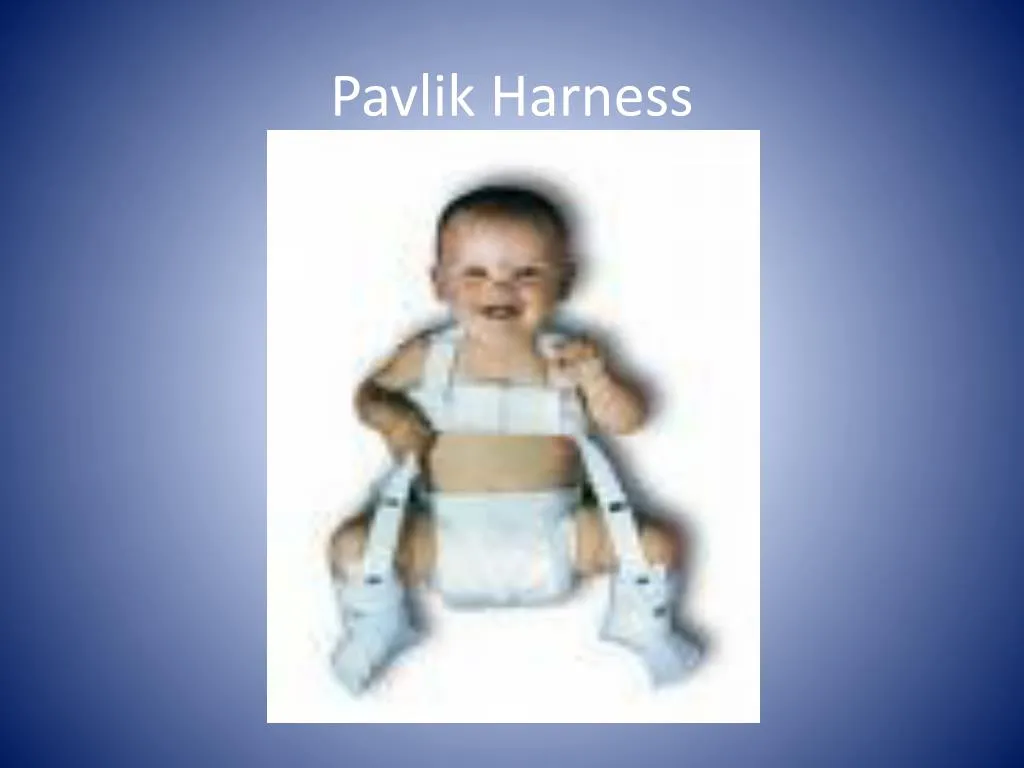
The Pavlik Harness stands as a cornerstone in the non-surgical treatment of Developmental Dysplasia of the Hip (DDH), a condition affecting the proper formation of the hip joint in infants. Named after its Czech inventor, Dr. Arnold Pavlik, this soft bracing device has been instrumental in promoting healthy hip development since its inception in the mid-20th century. For decades, it has been the preferred initial treatment for reducible DDH in newborns and young infants due to its high success rates and gentle, dynamic approach.
What is Developmental Dysplasia of the Hip (DDH)?
DDH encompasses a spectrum of conditions where the hip joint has not formed correctly. This can range from mild instability (dysplasia) to a completely dislocated hip. Early diagnosis and intervention are crucial to prevent long-term complications such as early-onset osteoarthritis, chronic pain, gait abnormalities, and the need for more invasive surgical procedures later in life.
Purpose of the Pavlik Harness
The primary goal of the Pavlik Harness is to gently position the infant's hips in a state of flexion (knees bent towards the chest) and abduction (legs spread apart), which encourages the femoral head (ball of the thigh bone) to sit securely within the acetabulum (socket of the pelvis). This optimal position promotes the natural development and deepening of the hip socket, stabilizing the joint and allowing it to mature correctly.
Historical Context and Significance
Before the Pavlik Harness, treatment options for DDH were often more rigid or required prolonged immobilization, sometimes leading to complications. Dr. Pavlik's innovative design introduced a dynamic bracing concept, allowing for controlled movement while maintaining the therapeutic position. This dynamic approach minimizes the risk of avascular necrosis (damage to the blood supply of the femoral head) and offers a more comfortable experience for the infant, making it a revolutionary advancement in pediatric orthopedics.
Deep-Dive into Technical Specifications & Mechanisms
The effectiveness of the Pavlik Harness lies in its simple yet ingenious design, carefully engineered to leverage the infant's natural movements for therapeutic benefit.
Design and Materials
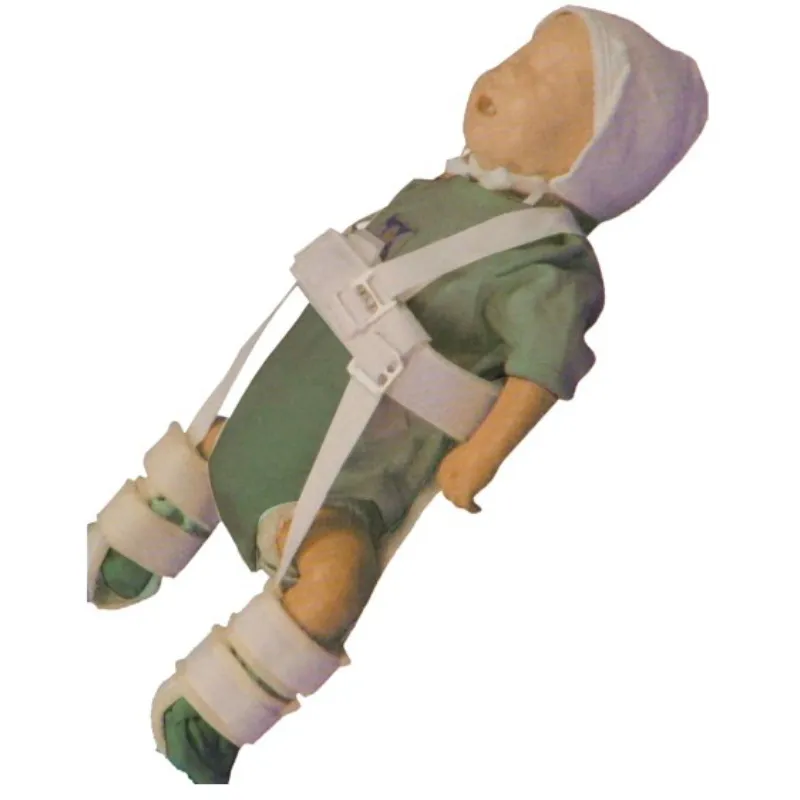
The Pavlik Harness is essentially a soft, flexible brace composed of several interconnected straps. Its design avoids rigid components, ensuring comfort and reducing the risk of pressure sores.
- Components:
- Chest Strap: Encircles the infant's chest, typically just below the armpits, serving as the anchor for the entire system.
- Shoulder Straps: Extend from the chest strap over the shoulders and down the back, preventing the chest strap from riding up.
- Foot Straps (Stirrups): These are the critical components that attach to the infant's feet/ankles. They are connected to the chest strap via anterior (front) and posterior (back) straps.
- Anterior Straps: Connect the foot stirrups to the chest strap, controlling the degree of hip flexion.
- Posterior Straps: Connect the foot stirrups to the chest strap, controlling the degree of hip abduction.
- Materials:
- Typically made from soft, breathable cotton or a cotton-blend fabric. This choice of material is crucial for minimizing skin irritation, allowing air circulation, and enhancing comfort for continuous wear.
- Hypoallergenic fabrics are often used to prevent allergic reactions.
- Adjustments are facilitated by buckles, D-rings, or Velcro closures, allowing for precise fitting and growth accommodation.
- Sizes: Pavlik harnesses are available in various sizes, ranging from preemie/newborn to larger infant sizes (up to approximately 6-9 months of age), ensuring a proper fit for different body types.
Biomechanics: How it Works
The Pavlik Harness operates on sound biomechanical principles, encouraging the femoral head to seat concentrically within the acetabulum without forcing the joint.
- Mechanism of Action: Flexion and Abduction
- Flexion: The anterior straps maintain the hips in a flexed position, typically between 90 to 100 degrees. This flexion relaxes the hip capsule and associated muscles, making it easier for the femoral head to reduce into the socket.
- Abduction: The posterior straps gently guide the hips into abduction, usually between 45 to 60 degrees. This position is considered the "safe zone" for hip reduction and stability, as it places the femoral head deepest into the acetabulum.
- The combination of flexion and abduction is often referred to as the "frog-leg" or "hands-up" position, mimicking the natural posture many infants adopt.
- Dynamic vs. Static Bracing:
- Unlike static casts or rigid braces, the Pavlik Harness is a dynamic device. It allows the infant to kick and move their legs within the confines of the straps. This controlled movement is vital as it helps to "massage" the femoral head into the socket and stimulates acetabular development.
- The harness prevents adduction (legs coming together) and extension (legs straightening), which are movements that can cause hip instability or dislocation.
- Role in Acetabular Development:
- By maintaining the femoral head concentrically reduced within the acetabulum, the Pavlik Harness acts as a template for the growing hip socket. The pressure exerted by the femoral head against the developing cartilage of the acetabulum stimulates its growth and deepening, correcting the dysplasia.
- Avoidance of Forced Abduction:
- A critical principle of the Pavlik Harness is to avoid forced or excessive abduction. Over-abduction (beyond 70 degrees) can stretch the blood vessels supplying the femoral head, increasing the risk of avascular necrosis. The harness is designed to allow the infant to find their natural range of comfortable abduction within the therapeutic limits.
Extensive Clinical Indications & Usage
The Pavlik Harness is a highly effective treatment, but its success relies on proper patient selection, meticulous fitting, and consistent usage.
Primary Indication: Developmental Dysplasia of the Hip (DDH)
The Pavlik Harness is indicated for the treatment of DDH in infants who meet specific criteria.
- Types of DDH Treated:
- Dysplastic Hips: Hips where the acetabulum is shallow but the femoral head is still within the socket.
- Subluxated Hips: Hips where the femoral head is partially displaced from the acetabulum.
- Reducible Dislocated Hips: Hips where the femoral head is completely dislocated but can be manually placed back into the socket (reducible) during examination.
- Age Range for Optimal Use:
- The Pavlik Harness is most effective in infants from birth up to approximately 6 months of age. In this age window, the hip joint is primarily cartilaginous and highly malleable, making it more responsive to dynamic bracing.
- Success rates decrease with increasing age, especially after 6-8 months, as the hip becomes more ossified and rigid.
- Role in Screening and Early Diagnosis:
- Routine newborn screenings (Ortolani and Barlow maneuvers) are crucial for early detection.
- Ultrasound imaging is the gold standard for diagnosing DDH in infants under 4-6 months, as the hip joint is not yet fully ossified and X-rays are less informative.
Clinical Application & Patient Selection
Careful assessment by an orthopedic specialist is paramount before initiating Pavlik Harness treatment.
- Criteria for Patient Selection:
- Diagnosis of DDH (dysplasia, subluxation, or reducible dislocation).
- Age typically under 6 months.
- Absence of contraindications.
- Parental commitment to adherence and follow-up.
- Contraindications for Use:
- Irreducible Hip Dislocation: If the femoral head cannot be manually reduced into the socket, the Pavlik Harness will not be effective and could potentially cause harm. These cases often require alternative treatments like closed reduction under anesthesia or open surgery.
- Age > 6-8 Months: While not an absolute contraindication, the success rate drops significantly due to increased hip rigidity.
- Neuromuscular Conditions: Conditions like myelomeningocele or arthrogryposis, which cause muscle imbalance or joint stiffness, may not respond well to the Pavlik Harness and require different approaches.
- Significant Leg Length Discrepancy or Other Skeletal Anomalies: May necessitate different treatment strategies.
- Severe Skin Conditions: In areas where the harness would contact the skin.
- Pre-treatment Imaging:
- Ultrasound: Essential for diagnosis and assessing reducibility in infants under 4-6 months. It helps visualize the cartilaginous structures and determine the degree of dysplasia.
- X-ray: Becomes more useful after 4-6 months when ossification centers appear, to confirm reduction and monitor acetabular development.
Fitting & Usage Instructions: A Step-by-Step Guide
Proper fitting is critical for both the efficacy of the treatment and the safety of the infant. This should always be performed by a trained medical professional.
Initial Fitting (by a Medical Professional):
- Positioning the Infant: The infant is typically placed supine (on their back) on an examination table.
- Chest Strap Placement: The chest strap is placed around the infant's mid-chest, just below the armpits, ensuring it is snug but not constricting breathing. It should allow two fingers to slip underneath.
- Shoulder Strap Adjustment: The shoulder straps are routed over the shoulders and fastened to the back of the chest strap. They should be adjusted to prevent the chest strap from riding up but not pull the infant's shoulders down tightly.
- Foot Strap and Stirrup Attachment: The foot stirrups are placed around the infant's feet/ankles, ensuring the heels are seated securely.
- Anterior Strap Adjustment (Flexion): The anterior straps are adjusted to achieve approximately 90-100 degrees of hip flexion. The knees should be bent towards the chest.
- Posterior Strap Adjustment (Abduction): The posterior straps are adjusted to achieve 45-60 degrees of hip abduction. The hips should be comfortably spread, but never forced into excessive abduction.
- "Free Movement" Principle: Once fitted, the infant should be able to move their legs freely within the limits of the harness, kicking and wiggling. The harness guides movement but does not rigidly immobilize.
- Final Check: The physician will perform a final check, including palpation of the hips, to ensure stability and proper positioning.
Home Usage & Parental Guidance:
- Wearing Schedule: Most infants wear the Pavlik Harness continuously (23 hours a day), only removing it for brief periods for bathing (if permitted by the doctor) or harness cleaning. Compliance is key to success.
- Diaper Changes: Diapers are worn underneath the harness. Parents are taught how to change diapers without removing the harness.
- Dressing: Loose-fitting clothing (e.g., onesies, sleep sacks) that accommodates the wide leg position is recommended. Avoid tight pants or sleepers that could restrict movement or compromise the harness position.
- Handling the Infant: Parents are instructed on how to hold, feed, and interact with the infant while in the harness, ensuring the hips remain in the correct position.
- Recognizing Proper Fit: Parents should regularly check that the straps are not twisted, too tight, or too loose. Skin under the straps should be inspected daily for redness or irritation.
- Importance of Adherence: Strict adherence to the wearing schedule and follow-up appointments is paramount for successful treatment.
Follow-up Schedule:
- Regular Clinical Checks: Infants typically require weekly or bi-weekly follow-up appointments initially to adjust the harness as the infant grows, monitor skin integrity, and assess hip stability.
- Imaging: Repeat ultrasound scans are performed to confirm hip reduction and monitor acetabular development. Once the hip is stable and well-formed, X-rays may be used for older infants.
- Duration of Treatment: Treatment duration varies but typically ranges from 6 to 12 weeks, or until the hip is stable and acetabular development is satisfactory. The harness is gradually weaned off as the hip stabilizes.
Maintenance & Sterilization Protocols
Proper maintenance ensures hygiene and extends the life of the harness.
- Cleaning Instructions:
- Hand Wash: The harness should be hand-washed in cool water using a mild, hypoallergenic soap (e.g., baby shampoo).
- Gentle Agitation: Gently agitate the harness in the soapy water, focusing on soiled areas. Avoid harsh scrubbing.
- Rinse Thoroughly: Rinse thoroughly with clean water to remove all soap residue.
- Air Dry: Lay flat or hang to air dry completely. Do NOT put in a dryer, as high heat can damage the fabric and straps.
- Frequency of Cleaning: Typically, the harness is cleaned once a week or as needed if soiled. Some doctors may permit brief removal for bathing and cleaning, while others prefer the harness to remain on continuously, requiring sponge bathing of the infant.
- Inspection for Wear and Tear: Regularly inspect all straps, buckles, and fabric for fraying, tears, or damage. Damaged components can compromise the harness's effectiveness and safety.
- Importance of Hygiene: Maintaining cleanliness prevents skin irritation, rashes, and bacterial growth under the straps.
- Replacement Guidelines: If the harness becomes severely damaged, stretched, or the infant outgrows it significantly between appointments, it must be replaced by a medical professional. Never attempt to modify the harness at home.
Patient Outcome Improvements
The Pavlik Harness boasts impressive success rates when used appropriately.
- High Success Rates: For reducible DDH diagnosed early (under 6 months), the Pavlik Harness has a success rate of 90-95% in achieving hip reduction and normal acetabular development.
- Prevention of Long-Term Complications: Successful treatment prevents the devastating long-term consequences of untreated DDH, including:
- Early-onset osteoarthritis.
- Chronic hip pain.
- Limping or gait abnormalities.
- Leg length discrepancy.
- The need for complex reconstructive surgeries in childhood or adulthood.
- Impact on Hip Joint Development: By guiding the hip into its optimal position, the harness facilitates the proper molding and deepening of the acetabulum, leading to a well-formed and stable hip joint.
- Comparison to Other Treatment Modalities: For its specific indications, the Pavlik Harness is less invasive, less costly, and generally associated with fewer complications than alternative treatments such as rigid bracing, spica casts, or surgical interventions.
Risks, Side Effects, or Contraindications
While highly effective and generally safe, potential risks and complications associated with Pavlik Harness use must be understood.
Potential Complications
- Skin Irritation/Chafing:
- Causes: Improper fit (too tight or too loose), moisture (sweat, urine), friction from straps, infrequent cleaning.
- Prevention: Daily skin checks, proper fitting, keeping skin clean and dry, wearing soft clothing underneath, regular harness cleaning.
- Management: Adjusting fit, applying barrier creams (under medical guidance), temporary removal if severe.
- Femoral Nerve Palsy:
- Rarity: Rare, but a serious complication.
- Cause: Excessive or forced hip flexion (>110-120 degrees), which can compress the femoral nerve.
- Signs: Weakness or absence of quadriceps muscle function (inability to extend the knee), lack of kicking reflex.
- Prevention: Meticulous fitting to avoid over-flexion.
- Management: Immediate harness adjustment or removal; usually resolves spontaneously.
- Avascular Necrosis (AVN) of the Femoral Head:
- Rarity: Very rare, but a devastating complication.
- Cause: Primarily associated with forced or excessive hip abduction (>70 degrees), which can compromise the blood supply to the femoral head.
- Mechanism: Stretching or compression of the circumflex femoral arteries.
- Prevention: Strict adherence to the "safe zone" of abduction (45-60 degrees) and avoiding forced abduction.
- Brachial Plexus Palsy:
- Rarity: Extremely rare.
- Cause: Improperly positioned or overly tight shoulder straps, compressing the brachial plexus nerves in the shoulder/neck region.
- Prevention: Correct shoulder strap adjustment.
- Treatment Failure:
- Reasons: Non-compliance with wearing schedule, irreducible hip dislocation (missed during initial assessment), late diagnosis (older infant), underlying neuromuscular conditions, improper fitting.
- Outcome: May necessitate alternative treatments like closed reduction with spica casting or surgical intervention.
- Other Potential Issues:
- Diaper rash: Can be exacerbated by moisture retention under the harness; requires diligent diaper changes and skin care.
- Difficulty with feeding/cuddling: Some parents find it challenging to comfortably hold or feed the infant initially due to the wide leg position.
- Developmental delays (gross motor): Often temporary and resolves once the harness is removed. Supervised tummy time (if permitted by physician) can help.
Contraindications
As mentioned previously, certain conditions preclude the use of the Pavlik Harness:
- Irreducible Hip Dislocation: The harness cannot reduce a hip that is already irreducible.
- Age Greater Than 6-8 Months: Success rates decline significantly, and other treatments are usually more appropriate.
- Neuromuscular Disorders: Conditions that affect muscle tone or joint stability (e.g., cerebral palsy, spina bifida) may not respond well to dynamic bracing.
- Significant Leg Length Discrepancy: May indicate a more complex underlying hip pathology.
- Severe Skin Conditions or Open Wounds: In areas where the harness would contact the skin, to prevent infection or irritation.
Massive FAQ Section
1. What is the Pavlik Harness used for?
The Pavlik Harness is primarily used to treat Developmental Dysplasia of the Hip (DDH) in infants, typically from birth up to 6 months of age. It gently positions the baby's hips in a flexed and abducted (frog-leg) position to encourage the femoral head to sit securely in the hip socket, promoting proper hip development.
2. How long does a baby typically wear the Pavlik Harness?
The duration varies depending on the severity of DDH and the individual baby's response. Most babies wear the harness continuously (23 hours a day) for 6 to 12 weeks. The orthopedic specialist will monitor progress with ultrasounds or X-rays and determine when the harness can be weaned or discontinued.
3. Can I take the Pavlik Harness off for bathing or diaper changes?
For diaper changes, the harness typically remains on, with the diaper worn underneath the straps. Regarding bathing, some doctors allow brief removal for a quick bath, while others prefer the harness to stay on continuously, recommending sponge baths. Always follow your orthopedic specialist's specific instructions.
4. How do I clean the Pavlik Harness?
The harness should be hand-washed in cool water with a mild, hypoallergenic soap. Gently agitate, rinse thoroughly, and then lay flat or hang to air dry completely. Do not machine wash or put in a dryer, as this can damage the fabric and straps. Cleaning frequency is usually once a week or as needed if soiled.
5. What should my baby wear under the Pavlik Harness?
It's recommended to dress your baby in soft, breathable clothing (like a cotton onesie or undershirt) that covers the skin under the straps. This helps prevent skin irritation and chafing. Avoid bulky clothing that could interfere with the harness fit or tight garments that restrict movement.
6. Is the Pavlik Harness uncomfortable for my baby?
Initially, some babies may fuss as they adjust to the new position, but most adapt quickly and do not experience significant pain. The harness is designed to be soft and allows for controlled movement, not rigid immobilization. If your baby seems genuinely distressed or in pain, contact your doctor immediately as the fit may need adjustment.
7. What are the signs that the Pavlik Harness might be too tight or too loose?
- Too Tight: Redness, chafing, or skin irritation under the straps; deep indentations from the straps; baby crying excessively or showing signs of pain; difficulty breathing (if chest strap is too tight).
- Too Loose: The harness shifts easily; the baby's legs can extend or adduct (come together) beyond the prescribed limits; the hip feels unstable during diaper changes.
- Always contact your orthopedic specialist if you suspect a fitting issue.
8. Can babies crawl or walk in a Pavlik Harness?
Babies typically wear the Pavlik Harness during the age when they are learning to roll, sit, and potentially crawl. They can often still achieve these milestones, though perhaps a little later or with modifications due to the wide leg position. Walking is usually not a concern, as the harness is typically removed before a baby begins to walk.
9. What happens if the Pavlik Harness doesn't work?
If the Pavlik Harness does not successfully reduce the hip or promote adequate development after a reasonable period (usually 3-4 weeks of consistent wear), or if the hip is irreducible, your doctor will discuss alternative treatments. These may include a closed reduction (manually repositioning the hip under anesthesia) followed by a spica cast, or in some cases, open surgery.
10. What are the long-term outcomes for babies treated with a Pavlik Harness?
For babies with reducible DDH treated early and successfully with the Pavlik Harness, the long-term outcomes are excellent. Most children go on to have normal hip function, preventing the need for future surgeries and reducing the risk of early-onset arthritis or other hip problems in adulthood. Regular follow-up into childhood is often recommended.
11. How often does my baby need to see the doctor while wearing the harness?
Initially, follow-up appointments are typically scheduled weekly or bi-weekly to ensure proper fit, check skin integrity, and monitor hip stability with ultrasound. As treatment progresses and the hip stabilizes, appointments may become less frequent. Your doctor will provide a specific schedule.
12. Are there any restrictions on how I can hold or carry my baby?
You should always maintain your baby's hips in the flexed and abducted position while holding or carrying them. Baby carriers or slings designed for hip-healthy positioning (with a wide base) can be used, but avoid narrow carriers that force the legs together. Your medical team will provide specific guidance on safe handling.
13. Can my baby sleep on their stomach with the harness on?
It is generally recommended that infants sleep on their backs to reduce the risk of SIDS, regardless of whether they are wearing a harness. Sleeping on the stomach with a Pavlik Harness is not typically recommended and could potentially compromise the hip position or be uncomfortable. Always follow safe sleep guidelines.
14. What if my baby develops a rash under the harness?
If you notice a rash, redness, or skin irritation, gently clean the area, ensure the skin is dry, and contact your orthopedic specialist immediately. Do not apply creams or powders without medical advice, as some products can worsen irritation or interfere with the harness material. The harness may need adjustment, cleaning, or a temporary break.
15. Is it painful for my baby?
The Pavlik Harness is not designed to be painful. It works by gently guiding the hips into a natural, comfortable position. If your baby is showing signs of pain, excessive crying, or discomfort that doesn't resolve quickly, it's crucial to contact your doctor. This could indicate an improper fit, a complication like nerve irritation, or another underlying issue.