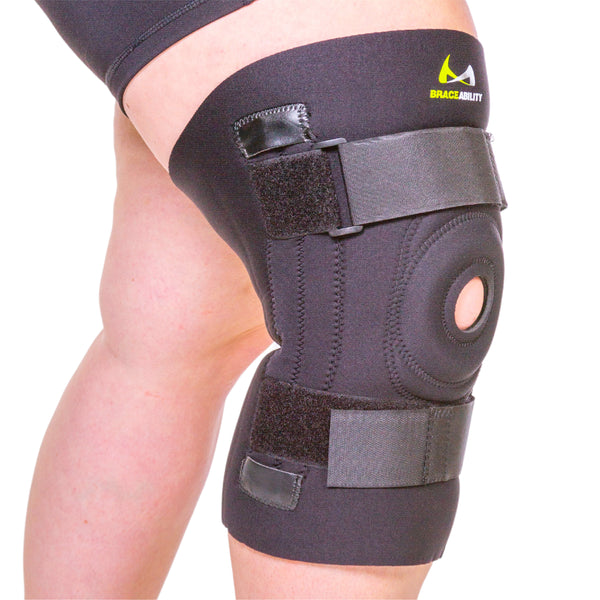
Understanding the Patellofemoral Tracking Brace (J-Bar): An Orthopedic Guide
The knee joint, a marvel of biomechanical engineering, is crucial for mobility and daily activities. However, it's also susceptible to various conditions, with patellofemoral pain syndrome (PFPS) and patellar maltracking being among the most common. These conditions often manifest as anterior knee pain, exacerbated by activities such as climbing stairs, running, or prolonged sitting. As an expert in orthopedic care, we understand the profound impact such pain can have on a patient's quality of life.
In the realm of conservative management, the Patellofemoral Tracking Brace, particularly the "J-Bar" design, stands out as a highly effective non-invasive solution. This comprehensive guide delves into every facet of the J-Bar brace, offering authoritative insights into its design, biomechanics, clinical applications, fitting, maintenance, and the significant improvements it offers in patient outcomes. Our aim is to provide both patients and healthcare professionals with an exhaustive resource to better understand and utilize this valuable orthopedic device.
What is a Patellofemoral Tracking Brace (J-Bar)?
A Patellofemoral Tracking Brace, commonly featuring a "J-Bar" design, is an orthopedic assistive device specifically engineered to address issues related to the patella (kneecap) and its interaction with the femur (thigh bone). The "J-Bar" refers to a distinct J-shaped buttress, typically located on the lateral (outer) side of the patella, designed to apply a corrective force and gently guide the patella into its optimal tracking groove within the trochlear notch of the femur. This controlled alignment helps alleviate pain, reduce stress on the articular cartilage, and improve overall knee function. It serves as a cornerstone in the conservative management of patellofemoral disorders, often used in conjunction with physical therapy.
Deep-Dive into Technical Specifications & Mechanisms
The efficacy of the J-Bar brace lies in its meticulous design and the sophisticated biomechanical principles it employs. Understanding these aspects is crucial for appreciating its therapeutic value.
Design and Materials
The construction of a J-Bar patellofemoral brace combines various materials and design elements to achieve optimal support, comfort, and durability.
Core Structure and Fabric Technologies
Most J-Bar braces are constructed from high-quality, breathable fabrics designed for prolonged wear. Common materials include:
* Neoprene: Offers excellent compression, therapeutic warmth, and support. However, newer designs often opt for more breathable alternatives to prevent skin irritation.
* Elastic Blends: Materials like Lycra or spandex blends provide flexibility and a snug fit, adapting to the knee's contours.
* Moisture-Wicking Fabrics (e.g., Coolmax, Airprene): These advanced textiles are engineered to draw sweat away from the skin, enhancing comfort and preventing chafing, especially during physical activity.
* Perforated Designs: Many braces incorporate perforations or mesh panels to improve airflow and reduce heat buildup.
The "J-Bar" Component
This is the defining feature of the brace:
* Material: The J-shaped buttress itself is typically made from a semi-rigid yet pliable material, such as:
* Molded Silicone: Offers excellent conformity, cushioning, and grip, preventing slippage.
* Closed-Cell Foam: Provides soft support and can be molded to the individual's anatomy.
* Thermoplastic: In some advanced designs, a rigid yet heat-moldable plastic is used for customized support.
* Placement: The "J" shape is strategically positioned on the lateral aspect of the patella, extending from the superior pole down to the inferior pole, with the curve wrapping slightly anteriorly to cradle the kneecap.
* Function: Its primary role is to create a medially directed force, counteracting lateral patellar deviation or tilt, thereby promoting proper tracking within the trochlear groove.
Strapping System
An effective strapping system ensures secure fit and adjustable compression:
* Hook-and-Loop Fasteners (Velcro®): Ubiquitous for their ease of use and adjustability, allowing patients to customize the tightness.
* Circumferential Straps: Encircling the thigh and calf, these straps anchor the brace in place.
* Figure-8 or C-Straps: These additional straps often cross over the patella or around the knee joint to provide targeted compression and enhance the corrective force of the J-bar.
* Anti-Migration Strips: Silicone or rubberized strips on the inside of the brace help prevent it from sliding down the leg during movement.
Patellar Opening
Most J-Bar braces feature an "open patella" design:
* Benefits: This central opening around the kneecap reduces direct pressure on the patella, enhances comfort, and allows for proper tracking without impingement. It also aids in proper brace alignment.
Biomechanics and Mechanism of Action
The J-Bar brace works by leveraging fundamental biomechanical principles to restore optimal patellofemoral kinematics.
Understanding Patellar Tracking
- Normal Tracking: In a healthy knee, the patella glides smoothly within the trochlear groove of the femur during flexion and extension.
- Abnormal Tracking (Maltracking): This occurs when the patella deviates from its normal path, often shifting laterally (outward) or tilting. This can be due to various factors including muscle imbalances (e.g., weak vastus medialis obliquus - VMO), ligamentous laxity, increased Q-angle, or anatomical variations in the trochlear groove. Maltracking leads to uneven pressure distribution on the articular cartilage, causing pain and degenerative changes (chondromalacia).
How the J-Bar Creates a Corrective Force
The J-Bar component is the core of the brace's corrective action:
1. Lateral Support: The J-shaped buttress cups the lateral side of the patella.
2. Medial Force Application: As the straps are tightened, the J-bar exerts a gentle but firm medially directed force on the patella. This force acts to counteract any tendency for lateral deviation or tilt.
3. Realignment: By consistently applying this corrective force, the brace encourages the patella to remain centered within the trochlear groove throughout the knee's range of motion.
Addressing Muscle Imbalance and Q-Angle
- Vastus Medialis Obliquus (VMO): A common contributor to patellar maltracking is weakness or delayed activation of the VMO, a part of the quadriceps muscle responsible for pulling the patella medially. While the brace doesn't strengthen the VMO directly, it can offload stress, reduce pain, and allow for more effective VMO strengthening exercises during physical therapy.
- Q-Angle: This angle, formed by lines from the anterior superior iliac spine to the center of the patella and from the center of the patella to the tibial tubercle, is an indicator of lateral pull on the patella. A higher Q-angle often predisposes individuals to patellar maltracking. The J-Bar brace mechanically compensates for this increased lateral vector.
Pain Reduction and Proprioception
- Reduced Articular Stress: By improving patellar alignment, the brace ensures more even distribution of pressure across the patellofemoral joint surfaces, reducing localized stress on damaged cartilage and alleviating pain.
- Decreased Inflammation: Stabilizing the patella can reduce friction and irritation within the joint, contributing to a decrease in inflammation and associated pain.
- Enhanced Proprioception: The compression and external support provided by the brace stimulate mechanoreceptors in the skin and underlying tissues. This increased sensory input enhances the brain's awareness of the knee's position and movement (proprioception), which can improve neuromuscular control and reduce the risk of re-injury.
Extensive Clinical Indications & Usage
The J-Bar Patellofemoral Tracking Brace is a versatile tool in orthopedic and sports medicine, primarily used for conservative management of various knee conditions.
Primary Indications
The brace is most effectively utilized for conditions characterized by patellar instability or maltracking:
- Patellofemoral Pain Syndrome (PFPS): Often referred to as "runner's knee" or "cyclist's knee," PFPS is the leading indication. The brace helps manage the anterior knee pain associated with poor patellar tracking.
- Patellar Maltracking/Subluxation: For individuals experiencing a tendency for the patella to deviate laterally or partially dislocate (subluxate), the J-Bar provides crucial stabilization.
- Chondromalacia Patellae (CMP): This condition involves the softening and breakdown of the cartilage on the underside of the patella. By improving tracking, the brace can reduce further irritation and pain, though it cannot reverse cartilage damage.
- Mild to Moderate Patellar Tendinopathy: While not a primary treatment, the brace can offer secondary support and compression, potentially reducing strain on the patellar tendon.
- Osteoarthritis (OA) of the Patellofemoral Joint: In cases where OA is localized to the patellofemoral compartment and exacerbated by maltracking, the brace can help manage pain and improve function.
- Post-operative Rehabilitation: After certain knee surgeries, such as lateral release or medial patellofemoral ligament (MPFL) reconstruction, a J-Bar brace may be prescribed by a surgeon to provide external support and protect the healing structures during the rehabilitation phase. This usage requires strict physician guidance.
Detailed Clinical Applications
The J-Bar brace integrates into various stages of patient care:
- Conservative Management: It is a cornerstone of non-surgical treatment plans for PFPS and patellar instability, often prescribed before considering more invasive interventions.
- Adjunct to Physical Therapy: The brace works synergistically with physical therapy. By reducing pain and improving tracking, it allows patients to more comfortably and effectively perform strengthening exercises (especially for the VMO), stretching, and neuromuscular re-education. It can facilitate a quicker return to functional activities.
- Activity Modification and Return to Sport: For athletes or active individuals, the brace can provide the necessary support and confidence to return to sports or high-impact activities by stabilizing the patella and preventing re-injury.
- Diagnostic Tool (Pre-operative): In some cases, a trial of a J-Bar brace may be used to assess if patellar realignment would provide symptomatic relief, helping to inform decisions about potential surgical interventions.
- Long-Term Management: For chronic conditions, the brace can be a long-term management tool, worn during aggravating activities to maintain comfort and function.
Fitting and Usage Instructions
Correct fitting and consistent usage are paramount for the brace's effectiveness and patient comfort.
Choosing the Right Size
- Measurement: Most manufacturers provide sizing charts. Typically, measurements are taken of the thigh circumference (e.g., 6 inches above the center of the patella) and/or calf circumference (e.g., 4 inches below the center of the patella).
- Professional Guidance: It is highly recommended to have a healthcare professional (physician, physical therapist, or certified orthotist) assist with initial sizing and fitting to ensure optimal results.
Application Steps
- Positioning: Sit or stand with your knee slightly bent (about 20-30 degrees of flexion).
- Align Brace: Slide the brace onto your leg. Ensure the patellar opening is centered directly over your kneecap. The J-Bar buttress should be positioned firmly against the outer (lateral) side of your patella.
- Secure Main Straps: Begin by securing the main circumferential straps, usually starting with the one above the knee, then below. Do not overtighten initially; aim for a snug but comfortable fit.
- Adjust J-Bar: Gently adjust the position of the J-bar buttress. It should apply a noticeable, yet comfortable, inward pressure on the patella. This is the critical step for proper tracking.
- Tighten Ancillary Straps: If your brace has additional straps (e.g., figure-8 straps, C-straps), secure these to further enhance the corrective force and overall stability.
- Check Comfort and Range of Motion: Stand up, walk a few steps, and gently bend and straighten your knee. The brace should feel supportive, not restrictive or painful. The patella should feel more stable. Adjust straps as needed.
Wearing Schedule
- Initial Wear: Start with short durations (e.g., 1-2 hours) to allow your leg to adjust.
- Gradual Increase: Gradually increase wear time, especially during activities that typically provoke your symptoms.
- Activity-Specific Use: Many patients wear the brace primarily during physical activity, exercise, or prolonged standing/walking. Some may benefit from wearing it for longer periods if prescribed by their doctor.
- Consistency: For optimal results, use the brace consistently as recommended by your healthcare provider.
Common Mistakes to Avoid
- Too Tight: Can cause discomfort, skin irritation, and potentially impede circulation.
- Too Loose: Will not provide adequate support or corrective force.
- Incorrect Placement: If the J-bar is not properly positioned on the lateral side of the patella, it will be ineffective or even exacerbate symptoms.
- Ignoring Discomfort: Persistent pain, numbness, or skin changes indicate improper fit or usage, requiring immediate adjustment or consultation.
Maintenance and Sterilization Protocols
Proper care extends the lifespan of your J-Bar brace and maintains its hygienic integrity.
- Cleaning:
- Hand Wash Only: Most J-Bar braces are not machine washable. Hand wash in cool water with a mild soap (e.g., dish soap or gentle laundry detergent).
- Rinse Thoroughly: Ensure all soap residue is rinsed away to prevent skin irritation.
- Avoid Harsh Chemicals: Do not use bleach, fabric softeners, or strong detergents, as these can degrade the materials.
- Drying:
- Air Dry: Lay the brace flat on a clean, dry surface or hang it to air dry.
- Avoid Heat: Do not put the brace in a dryer, on a radiator, or in direct sunlight, as high heat can damage elastic fibers, neoprene, and the J-bar component.
- Storage: Store the brace in a clean, dry place away from direct sunlight when not in use. Ensure all straps are unfastened to prevent material stretching.
- Inspection: Regularly inspect your brace for signs of wear and tear:
- Fraying: Of fabric or straps.
- Loss of Elasticity: Straps or main body becoming stretched out.
- Buttress Integrity: Ensure the J-bar component is still firm and properly shaped.
- Stitching: Check for loose or broken stitches.
- Replacement: A brace should be replaced when it no longer provides adequate support, the materials are significantly degraded, or if the J-bar component loses its corrective effectiveness. Typically, braces last 6-12 months with regular use and proper care, but this can vary.
Risks, Side Effects, or Contraindications
While generally safe and effective, like any medical device, the J-Bar Patellofemoral Tracking Brace has potential risks, side effects, and contraindications that users should be aware of.
Potential Side Effects
- Skin Irritation: Redness, chafing, itching, or blistering can occur, especially with prolonged wear, excessive tightness, or inadequate cleaning. Using a moisture-wicking sleeve underneath can sometimes help.
- Allergic Reaction: Rarely, individuals may develop an allergic reaction to materials such as neoprene, latex (if present), or adhesives.
- Increased Discomfort or Pain: If the brace is improperly fitted, too tight, or if the J-bar is not correctly positioned, it can exacerbate existing pain or create new discomfort.
- Over-reliance/Muscle Weakening: While the brace provides support, it should not replace active rehabilitation. If used without concurrent physical therapy to strengthen supporting musculature, there's a theoretical risk of muscles becoming overly reliant on external support and potentially weakening over time.
- Circulation Issues/Swelling: If the brace is applied too tightly, especially around the thigh or calf, it can impede blood flow, leading to swelling, numbness, or tingling in the lower leg.
- Heat Rash: In warm climates or during intense activity, some individuals may experience heat rash due to reduced breathability.
Contraindications
Certain conditions warrant caution or prohibit the use of a J-Bar brace:
- Severe Patellar Instability: For individuals with recurrent patellar dislocations that require surgical intervention, a J-Bar brace may not provide sufficient stability and could delay necessary treatment.
- Open Wounds or Active Skin Infections: The brace should not be worn over open cuts, abrasions, rashes, or active infections in the area it covers, as it can hinder healing and spread infection.
- Certain Vascular Conditions: Individuals with peripheral vascular disease or severe edema may find compression braces uncomfortable or contraindicated due to potential circulatory compromise.
- Known Allergies to Brace Materials: If a patient has a documented allergy to any component of the brace, an alternative material or brace design should be sought.
- Acute Fractures or Severe Trauma: In cases of acute knee fractures, the brace may not provide adequate immobilization and could complicate healing.
- Deep Vein Thrombosis (DVT): While not a direct cause, wearing a brace could potentially exacerbate symptoms or interfere with DVT management. Consult a physician immediately if DVT is suspected.
- Significant Swelling: If the knee is acutely swollen, a brace may be uncomfortable and could worsen swelling if applied too tightly. Address the underlying cause of swelling first.
Always consult with a healthcare professional before initiating brace use, especially if you have pre-existing medical conditions or experience any adverse effects.
Patient Outcome Improvements
The judicious use of a Patellofemoral Tracking Brace (J-Bar) can lead to a multitude of positive outcomes for patients suffering from patellofemoral disorders. These improvements often translate into enhanced quality of life and functional independence.
Key Outcome Improvements
- Significant Pain Reduction: This is the primary and most immediate benefit. By correcting patellar maltracking and reducing abnormal forces on the joint, the brace effectively alleviates anterior knee pain during daily activities and exercise.
- Improved Functional Capacity: Patients often report enhanced ability to perform activities that were previously painful or difficult, such as walking, climbing stairs, squatting, and participating in sports.
- Increased Confidence and Stability: The external support provided by the brace instills a sense of security, reducing the fear of instability or re-injury, particularly in individuals with a history of patellar subluxation.
- Reduced Swelling and Inflammation: The compression offered by the brace can help manage effusion (swelling) and reduce inflammatory responses within the joint.
- Enhanced Proprioception and Neuromuscular Control: The sensory input from the brace improves the body's awareness of knee position, which can lead to better muscle coordination and movement patterns.
- Facilitation of Rehabilitation: By reducing pain and improving mechanics, the brace allows patients to engage more effectively in physical therapy exercises, accelerating recovery and strengthening supporting musculature.
- Delay or Avoidance of Surgical Intervention: For many individuals, effective conservative management with a J-Bar brace, combined with physical therapy, can successfully manage symptoms and prevent the need for surgery.
- Return to Activity/Sport: Athletes and active individuals often find the J-Bar brace instrumental in their safe and timely return to their desired physical activities.
Summary of Patient Outcome Improvements
| Outcome Category | Specific Benefit | Impact on Patient |
|---|---|---|
| Pain Management | Reduction in anterior knee pain and discomfort. | Improved comfort during daily tasks and physical activity. |
| Functional Mobility | Enhanced ability to walk, climb stairs, squat, run, and perform daily activities. | Greater independence and participation in life. |
| Stability & Confidence | Decreased sensation of patellar instability; reduced fear of re-injury. | Increased self-assurance in movement, reduced anxiety. |
| Rehabilitation Aid | Allows for more comfortable and effective engagement in physical therapy exercises. | Faster recovery, stronger supporting muscles, better long-term outcomes. |
| Injury Prevention | Helps prevent further patellar subluxation or aggravation of existing conditions. | Reduced risk of recurring pain episodes and potential need for surgery. |
| Quality of Life | Overall improvement in general well-being and ability to enjoy an active lifestyle. | Significant positive impact on mental and physical health. |
Massive FAQ Section
Here are some frequently asked questions regarding the Patellofemoral Tracking Brace (J-Bar):
Q1: What is a J-Bar Patellofemoral Tracking Brace and what does it do?
A J-Bar Patellofemoral Tracking Brace is an orthopedic knee brace designed to treat conditions related to patellar (kneecap) maltracking or instability. It features a unique J-shaped buttress, typically positioned on the lateral (outer) side of the patella, which applies a gentle, corrective force to guide the kneecap into its proper alignment within the trochlear groove of the thigh bone (femur). Its primary goal is to reduce pain, improve stability, and enhance knee function.
Q2: How does the J-Bar brace work to relieve knee pain?
The J-Bar brace works by biomechanical correction. When the patella tracks improperly, it can cause uneven pressure on the cartilage, leading to pain and inflammation. The J-bar buttress pushes the patella medially, counteracting its tendency to shift laterally. This realignment ensures the patella glides smoothly, distributing pressure more evenly across the joint surfaces, thereby reducing stress, friction, and ultimately, pain.
Q3: Who can benefit from wearing a J-Bar brace?
Individuals suffering from conditions such as Patellofemoral Pain Syndrome (PFPS), patellar maltracking, patellar subluxation, chondromalacia patellae, or mild to moderate patellofemoral osteoarthritis can significantly benefit. It's often prescribed as part of a conservative treatment plan, especially when symptoms are exacerbated by physical activity. It can also be used post-operatively under medical guidance.
Q4: How do I choose the right size for my J-Bar brace?
Accurate sizing is crucial. Most manufacturers provide a sizing chart that requires specific measurements, typically the circumference of your thigh several inches above the kneecap and sometimes the calf. It's highly recommended to consult with a healthcare professional (e.g., a physical therapist, orthopedic doctor, or orthotist) for precise measurements and proper fitting to ensure maximum effectiveness and comfort.
Q5: Can I wear the J-Bar brace during sports or exercise?
Yes, many J-Bar braces are specifically designed to be worn during physical activity, including sports, running, and gym workouts. They provide support and stability, helping to prevent patellar maltracking and reduce pain during movement. However, always ensure the brace is properly fitted and comfortable, and consult your doctor or physical therapist regarding activity levels while wearing the brace.
Q6: How long should I wear my J-Bar brace each day?
The duration of wear varies depending on your condition, activity level, and your healthcare provider's recommendations. Some individuals wear it only during specific activities that provoke pain (e.g., exercise, long walks), while others may wear it for several hours a day for more consistent support. It's generally not recommended to wear it while sleeping unless specifically advised by a doctor.
Q7: Is it painful to wear a J-Bar brace?
When properly fitted, a J-Bar brace should not be painful. You should feel supportive compression and a gentle corrective force, but no sharp pain, numbness, tingling, or excessive tightness. If you experience discomfort, pain, or skin irritation, it's likely that the brace is either improperly fitted, too tight, or the J-bar is misaligned. Adjust the brace or consult your healthcare provider for assistance.
Q8: How do I clean and care for my J-Bar brace?
Most J-Bar braces require hand washing with mild soap and cool water. Rinse thoroughly to remove all soap residue and then air dry completely by laying it flat or hanging it away from direct heat or sunlight. Avoid using harsh detergents, bleach, fabric softeners, or machine washing/drying, as these can damage the materials and reduce the brace's effectiveness and lifespan. Regular cleaning helps maintain hygiene and extends the life of the brace.
Q9: Will wearing a J-Bar brace weaken my leg muscles?
No, wearing a J-Bar brace, especially when combined with a prescribed physical therapy program, should not weaken your leg muscles. The brace provides external support and improves biomechanics, which can reduce pain and allow you to perform strengthening exercises (such as for the vastus medialis obliquus - VMO) more effectively. It helps create an environment where muscles can be strengthened without being inhibited by pain or instability.
Q10: When should I not use a J-Bar brace?
You should avoid using a J-Bar brace if you have open wounds, active skin infections, severe patellar instability requiring surgical intervention, or known allergies to the brace materials. It's also generally not recommended for acute fractures or severe swelling around the knee. Always consult your healthcare provider to determine if a J-Bar brace is appropriate for your specific condition and to rule out any contraindications.
Q11: What's the difference between a J-Bar brace and other knee braces?
Unlike general compression sleeves or hinged knee braces (which primarily support ligaments or restrict range of motion), the J-Bar brace is specifically designed for patellofemoral issues. Its unique J-shaped buttress provides targeted lateral support and medial force to correct patellar tracking, making it distinct from braces that offer only overall compression or support for other knee instabilities (e.g., ACL or MCL injuries).
Q12: Can the J-Bar brace cure my patellofemoral pain?
The J-Bar brace is a highly effective management tool for patellofemoral pain and maltracking. While it can significantly reduce pain and improve function, it's important to understand that it's typically part of a broader treatment strategy that often includes physical therapy, activity modification, and sometimes medication. It addresses the symptoms and mechanical issues but doesn't necessarily "cure" the underlying causes without complementary interventions.