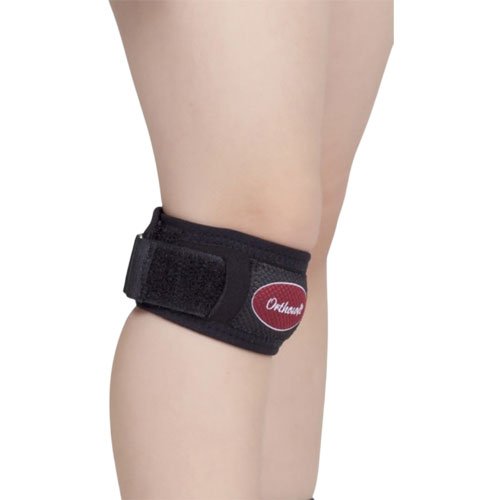
The Patellar Tendon Strap (Chopat Strap): Your Comprehensive Guide to Knee Pain Relief
As orthopedic specialists, we understand the debilitating impact of knee pain, particularly conditions affecting the patellar tendon. For countless athletes and active individuals, the Patellar Tendon Strap, often referred to as the "Chopat Strap," has become a cornerstone in conservative management strategies. This exhaustive guide delves into every facet of this essential orthopedic assisted device, providing authoritative insights into its design, biomechanics, clinical applications, and patient outcomes.
1. Comprehensive Introduction & Overview
The Patellar Tendon Strap, or Chopat Strap, is a simple yet highly effective orthopedic support designed to alleviate pain and discomfort associated with various patellar tendon conditions. It is specifically engineered to apply targeted pressure to the patellar tendon, just below the kneecap (patella). This strategic compression helps to redistribute forces, reduce tension on the tendon, and mitigate the symptoms of overuse injuries and inflammatory conditions.
Unlike a full knee brace, the Chopat Strap is minimalist, focusing its therapeutic action on a very specific anatomical area. It's widely recommended for conditions such as Patellar Tendinopathy (commonly known as "Jumper's Knee") and Osgood-Schlatter Disease, offering a non-invasive solution to help individuals maintain activity levels and facilitate recovery. Its role is crucial in a holistic treatment plan, complementing physical therapy, rest, and other medical interventions.
2. Deep-dive into Technical Specifications & Biomechanical Mechanisms
Understanding how the Chopat Strap works requires an appreciation of its design and the biomechanical principles it leverages.
Design & Materials
The fundamental design of a Patellar Tendon Strap is centered on simplicity and efficacy.
-
Core Components:
- Strap Body: Typically a band of durable, flexible material that encircles the knee just below the patella.
- Pressure Pad/Tubular Insert: The critical element, often a silicone tube, gel pad, or a firm foam insert, strategically placed on the inner surface of the strap to apply direct, focused pressure to the patellar tendon. The "Chopat" design often features a distinct tubular or anatomically contoured pad for optimal pressure distribution.
- Fasteners: Adjustable closures, most commonly hook-and-loop (Velcro®) systems, ensure a secure and customizable fit for various leg circumferences.
-
Material Science:
- Neoprene: A common choice for its excellent elasticity, compression properties, and heat retention, which can aid in blood flow and muscle relaxation.
- Nylon & Polyester Blends: Often used for the outer shell, providing durability, abrasion resistance, and sometimes moisture-wicking properties.
- Spandex/Lycra: Incorporated for enhanced stretch and flexibility, ensuring comfort during movement.
- Silicone/Gel: Frequently used for the pressure pad due to its shock-absorbing qualities, ability to conform to the anatomy, and non-slip grip.
- Breathable Fabrics: Some advanced designs incorporate perforated materials or mesh panels to improve ventilation and reduce skin irritation, especially during prolonged use or intense activity.
-
Adjustability: The strap's circumference is adjustable, allowing for a precise and comfortable fit that can be tightened or loosened as needed, accommodating swelling or changes in activity levels.
Biomechanics of Pain Relief
The therapeutic efficacy of the Patellar Tendon Strap is rooted in several key biomechanical principles:
- Targeted Compression: The primary mechanism involves applying localized pressure directly to the patellar tendon. This compression effectively alters the angle of pull of the quadriceps muscle on the patella and subsequently on the patellar tendon.
- Force Redistribution & Load Sharing: By creating an artificial insertion point below the patella, the strap helps to disperse the tensile forces that travel through the patellar tendon. This reduces the peak stress at the tendon's actual insertion points (inferior pole of the patella and tibial tuberosity), which are often the sites of inflammation and pain in conditions like Jumper's Knee and Osgood-Schlatter disease.
- Shortening the Lever Arm: Functionally, the strap shortens the effective lever arm of the patellar tendon. This reduces the strain on the tendon during activities that involve knee extension, such as jumping, running, and squatting.
- Proprioceptive Feedback: The presence of the strap provides constant sensory input to the brain, enhancing proprioception (the body's awareness of its position in space). This increased awareness can subtly influence muscle activation patterns around the knee, promoting more stable and controlled movements.
- Vibration Dampening: The compressive action and material properties of the strap can help dampen vibrations and micro-traumas that occur during high-impact activities, further protecting the irritated tendon.
3. Extensive Clinical Indications & Usage
The Chopat Strap is a versatile tool in orthopedic conservative management, indicated for a range of conditions.
Primary Clinical Indications
- Patellar Tendinopathy (Jumper's Knee): This is arguably the most common indication. Jumper's Knee is an overuse injury characterized by inflammation or degeneration of the patellar tendon, typically at its attachment to the inferior pole of the patella. It's prevalent in athletes involved in sports requiring repetitive jumping and quick changes in direction (e.g., basketball, volleyball, track and field). The strap helps reduce the strain on the tendon during these activities, facilitating healing and pain reduction.
- Osgood-Schlatter Disease: A common cause of knee pain in growing adolescents, Osgood-Schlatter involves inflammation of the patellar tendon at its insertion point on the tibial tuberosity. During growth spurts, the rapidly growing bones can pull on the patellar tendon, causing irritation. The Chopat Strap helps to reduce this pulling force, alleviating pain and allowing the adolescent to continue activities more comfortably.
- Patellofemoral Pain Syndrome (PFPS): While not a primary indication, some individuals with PFPS, particularly those with a significant patellar tendon component to their pain, may find relief. The strap can help to stabilize the patella and alter forces, though its efficacy here is less direct than for tendinopathy.
- General Overuse Knee Pain: For athletes or individuals experiencing general knee discomfort related to repetitive activities involving the patellar tendon, the strap can offer supportive relief and aid in preventing the escalation of minor aches into more significant injuries.
When to Use a Chopat Strap
The Chopat Strap is typically used:
- During physical activity: To minimize pain and protect the tendon during sports, exercise, or work that aggravates the condition.
- During rehabilitation: As an adjunct to physical therapy exercises, allowing for pain-free movement and strengthening.
- For symptomatic relief: To manage pain in daily activities, though continuous wear is generally not recommended without specific medical advice.
- As a preventative measure: For individuals with a history of patellar tendinopathy returning to high-impact sports.
Fitting & Usage Instructions
Proper fitting is paramount for the Chopat Strap's effectiveness and comfort.
- Placement: Locate the inferior pole of your patella (the bottom tip of your kneecap). The strap should be positioned just below this point, over the patellar tendon.
- Orientation: Ensure the pressure pad or tubular insert is centered directly over the patellar tendon.
- Application: Wrap the strap around your leg, ensuring it lies flat against the skin without twisting.
- Tightness: Fasten the strap snugly. It should be tight enough to apply firm, consistent pressure to the tendon, but not so tight that it restricts circulation, causes discomfort, or leaves deep indentations on the skin. You should be able to comfortably bend and straighten your knee.
- Testing: Perform a few knee bends, walks, or light jumps (if applicable) to ensure the strap stays in place and provides the desired support without slipping or causing irritation. Adjust as necessary.
Common Mistakes to Avoid:
- Too High/Low: Placing the strap too high (on the kneecap) or too low (on the shin bone) will render it ineffective.
- Too Loose: If too loose, it won't provide adequate compression and may slip.
- Too Tight: Can cause discomfort, skin irritation, nerve compression, or impede blood flow.
- Wearing Directly Over Open Wounds: Avoid direct contact with any broken skin.
- Ignoring Pain: The strap should reduce pain, not mask an underlying problem that requires further medical attention.
4. Maintenance & Care Protocols
Proper care extends the life of your Chopat Strap and ensures hygienic use.
Cleaning & Longevity
- Hand Washing: The preferred method.
- Fill a basin with lukewarm water.
- Add a small amount of mild soap (e.g., dish soap, gentle laundry detergent).
- Submerge the strap and gently agitate the water.
- Rub the strap gently to remove dirt and sweat.
- Rinse thoroughly under cool, running water until all soap residue is gone.
- Machine Washing (if manufacturer-approved):
- Always check the product label for specific instructions.
- Use a delicate cycle with cold water.
- Place the strap in a mesh laundry bag to prevent damage and entanglement.
- Use a mild detergent.
- Drying:
- Gently squeeze out excess water (do not wring).
- Lay flat or hang to air dry, away from direct sunlight or heat sources (e.g., radiators, dryers). High heat can degrade elastic materials and adhesives.
- Ensure the strap is completely dry before storing or reusing to prevent mildew and odors.
- Storage: Store in a clean, dry place, away from direct sunlight.
- When to Replace: Replace your strap if the materials show significant wear and tear, the hook-and-loop fasteners lose their grip, the elastic stretches out, or the pressure pad becomes damaged or loses its shape. A worn-out strap will not provide effective support.
5. Risks, Side Effects, or Contraindications
While generally safe and well-tolerated, awareness of potential issues is important.
Potential Issues
- Skin Irritation: Prolonged wear, excessive tightness, or inadequate cleaning can lead to chafing, redness, or skin irritation.
- Allergic Reactions: Rarely, individuals may react to materials like neoprene or latex (if present).
- Circulatory or Nerve Compression: If worn too tightly, the strap can impede blood flow or compress superficial nerves, leading to numbness, tingling, or swelling.
- Over-reliance/Masking Symptoms: Relying solely on the strap without addressing the root cause of pain (e.g., muscle imbalances, improper technique) can delay proper diagnosis and treatment of more serious conditions. It's a supportive tool, not a cure-all.
- Discomfort/Improper Fit: An ill-fitting strap can be uncomfortable, slip during activity, or fail to provide adequate support.
Contraindications
- Open Wounds or Skin Lesions: Do not apply the strap directly over broken skin, rashes, or infections.
- Severe Swelling or Acute Injury: In cases of significant acute trauma or severe swelling, consult a medical professional before applying any compressive device.
- Undiagnosed Severe Knee Pain: If the cause of knee pain is unknown, especially if accompanied by severe pain, instability, or inability to bear weight, seek immediate medical evaluation.
- Peripheral Artery Disease or Severe Circulatory Compromise: Individuals with compromised circulation in the lower limb should use compressive devices with extreme caution and under medical supervision.
6. Patient Outcome Improvements
The consistent and appropriate use of a Patellar Tendon Strap can lead to significant improvements in patient outcomes.
Expected Benefits
- Significant Pain Reduction: The most immediate and appreciated benefit, allowing patients to perform activities with less discomfort.
- Improved Functional Mobility: By reducing pain, the strap enables individuals to move more freely, participate in rehabilitation exercises, and perform daily tasks without inhibition.
- Enhanced Participation in Sports & Activities: Athletes can often return to their sport sooner and maintain performance levels by mitigating pain during activity.
- Faster Return to Activity: When integrated into a comprehensive treatment plan, the strap can accelerate the recovery process and facilitate a quicker return to desired activity levels.
- Reduced Reliance on Pain Medication: For many, the mechanical relief provided by the strap can decrease the need for over-the-counter or prescription pain relievers.
- Psychological Benefits: Experiencing reduced pain and improved function can boost confidence, reduce anxiety about movement, and foster a more positive outlook on recovery.
- Prevention of Worsening Conditions: By managing symptoms and reducing stress on the tendon, the strap can help prevent acute tendinopathy from progressing to chronic degeneration.
7. Frequently Asked Questions (FAQ)
Q1: What is the main purpose of a Patellar Tendon Strap (Chopat Strap)?
A1: The main purpose is to alleviate pain and discomfort in the patellar tendon by applying targeted compression just below the kneecap. This reduces strain on the tendon during activities, particularly useful for conditions like Jumper's Knee and Osgood-Schlatter Disease.
Q2: How does the Chopat Strap differ from other knee braces?
A2: Unlike full knee braces that provide broader support and stability to the entire knee joint, the Chopat Strap is a minimalist device specifically designed to target the patellar tendon. It focuses on localized compression and force redistribution, without restricting the overall range of motion of the knee.
Q3: Can I wear the Chopat Strap all day?
A3: Generally, it is recommended to wear the Chopat Strap primarily during activities that aggravate your knee pain (e.g., sports, exercise, prolonged standing or walking). While it can be worn for extended periods, continuous all-day wear is usually not necessary and might lead to skin irritation or over-reliance. Always follow your healthcare provider's specific advice.
Q4: Is it effective for Osgood-Schlatter disease?
A4: Yes, the Patellar Tendon Strap is highly effective for Osgood-Schlatter disease. By applying pressure to the patellar tendon, it helps to reduce the pulling forces on the tibial tuberosity, thereby alleviating pain and inflammation in growing adolescents.
Q5: How do I know if it's fitted correctly?
A5: A correctly fitted strap should be snug enough to apply firm pressure to the patellar tendon (just below the kneecap) but not so tight that it causes discomfort, restricts blood flow, or leaves deep marks. It should stay in place during movement and allow for full, comfortable knee flexion and extension.
Q6: Can I swim or shower with it on?
A6: Most Patellar Tendon Straps are not designed for prolonged water submersion. While some are made of water-resistant materials, consistent exposure to chlorinated or salt water can degrade the materials and fasteners over time. It's generally best to remove the strap before swimming or showering and clean it separately if needed.
Q7: When should I not use a Patellar Tendon Strap?
A7: Do not use the strap over open wounds, rashes, or severe skin irritations. Avoid use if you have severe swelling, acute knee trauma (without medical evaluation), or known circulatory issues in your leg. Always consult a healthcare professional if you have undiagnosed severe knee pain.
Q8: How long does it take to feel relief?
A8: Many individuals experience immediate pain relief upon proper application of the strap during activity. However, for long-term improvement and healing of conditions like tendinopathy, the strap is part of a broader treatment plan that may take weeks to months to yield significant, lasting results.
Q9: How do I clean my Chopat Strap?
A9: Hand washing with mild soap and lukewarm water is recommended. Gently rub the strap, rinse thoroughly, and then air dry completely away from direct heat or sunlight. Avoid machine washing unless explicitly stated by the manufacturer, and never use harsh detergents or bleach.
Q10: Can children use a Patellar Tendon Strap?
A10: Yes, Patellar Tendon Straps are commonly used in children and adolescents, particularly for Osgood-Schlatter disease. Ensure you choose an appropriately sized strap and fit it correctly to avoid discomfort or circulatory issues. Always supervise children using orthopedic devices.
Q11: Does using a Patellar Tendon Strap weaken my knee muscles?
A11: No, a Patellar Tendon Strap is not designed to weaken knee muscles. It provides external support to reduce strain on the tendon, allowing the muscles to function more comfortably. It's often used in conjunction with strengthening exercises as part of a physical therapy program, which actually helps strengthen the surrounding musculature.
Q12: Is the Patellar Tendon Strap a permanent solution for knee pain?
A12: While highly effective for managing symptoms, the Chopat Strap is typically not a permanent standalone solution. It is an assistive device that helps manage pain and facilitates recovery. A comprehensive approach involving rest, physical therapy, strengthening exercises, and addressing underlying biomechanical issues is usually required for long-term resolution of patellar tendon conditions.