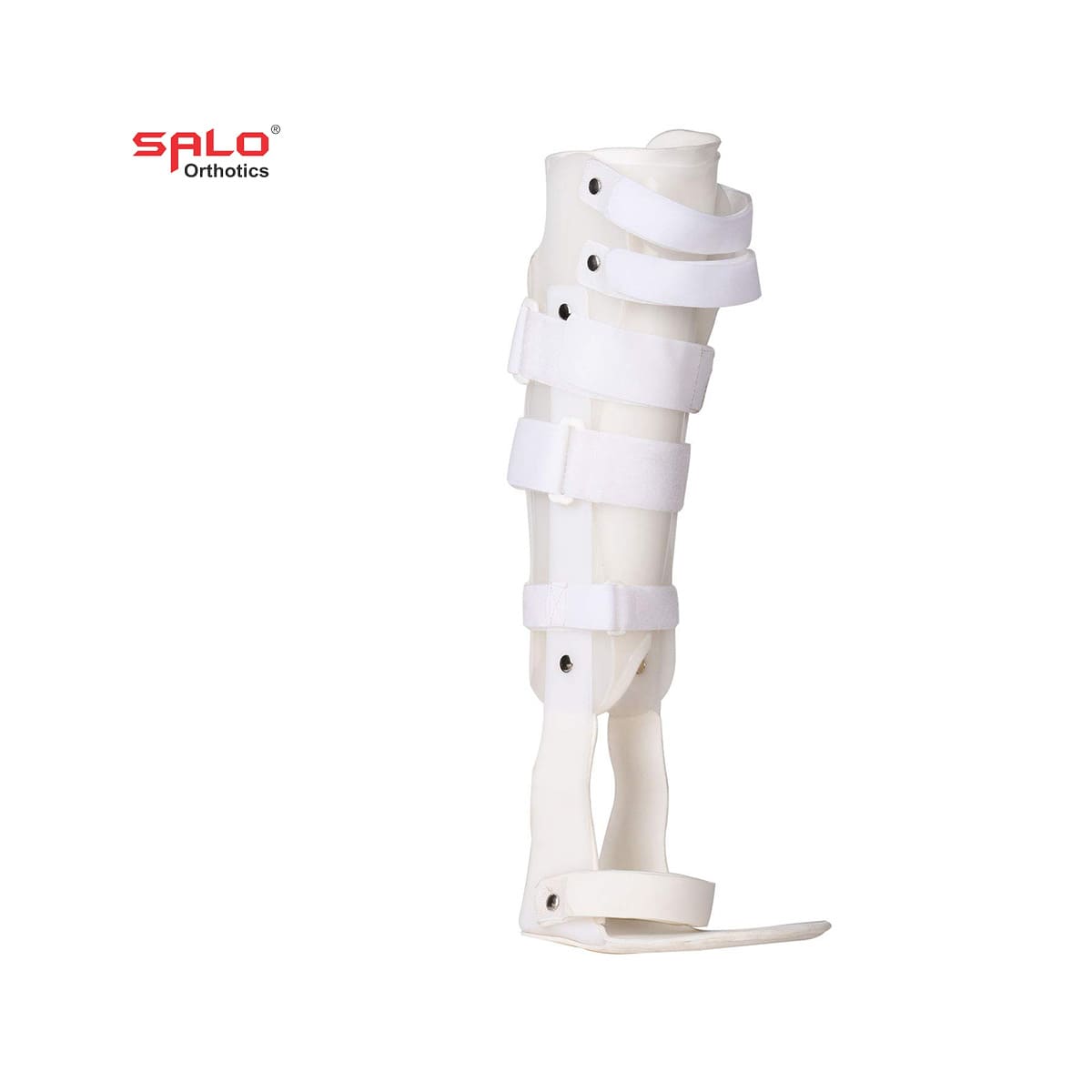
Comprehensive Introduction & Overview: Understanding the Patellar Tendon Bearing (PTB) Brace
The Patellar Tendon Bearing (PTB) brace is a sophisticated orthopedic assistive device engineered to facilitate controlled weight bearing and support for the lower extremity, particularly in cases of distal tibia, ankle, and foot injuries. Unlike traditional casts that enforce complete non-weight bearing, the PTB brace strategically redistributes axial loads, allowing a patient to bear weight through the patellar tendon and surrounding soft tissues of the knee, effectively bypassing the injured distal segment. This innovative approach promotes earlier mobility, reduces muscle atrophy, and can accelerate the healing process by providing a controlled biomechanical environment.
Historically, the management of lower leg fractures often involved prolonged periods of non-weight bearing, leading to significant muscle wasting, joint stiffness, and a protracted rehabilitation timeline. The introduction of the PTB brace marked a significant advancement, offering a dynamic solution that bridges the gap between rigid immobilization and full, unsupported weight bearing. It is a cornerstone in the rehabilitation of various lower limb pathologies, enabling patients to regain functional independence sooner while ensuring the protection of the healing bone or soft tissue.
Key Benefits of the PTB Brace:
* Early Mobilization: Allows for controlled weight bearing, promoting ambulation sooner than traditional casting methods.
* Reduced Muscle Atrophy: Sustained activity helps maintain muscle strength and joint range of motion.
* Accelerated Healing: Controlled stress on bone can stimulate osteogenesis (bone formation).
* Improved Psychological Well-being: Greater independence and mobility can positively impact patient morale.
* Versatility: Adaptable for various fracture types and stages of recovery.
* Customizable Fit: Often custom-molded for optimal patient comfort and biomechanical efficacy.
Deep-Dive into Technical Specifications & Biomechanical Mechanisms
The efficacy of the PTB brace lies in its intricate design and the precise application of biomechanical principles to offload stress from the distal lower leg.
Design and Materials
A PTB brace is typically a custom-fabricated or semi-custom device, meticulously designed to conform to the unique anatomy of the patient's limb.
Core Components:
* Shell (Socket):
* Material: Most commonly thermoplastic materials such as polypropylene, polyethylene, or co-polymers. These materials are lightweight, durable, and can be molded precisely to the limb's contours when heated. Carbon fiber composites may be used for enhanced strength and reduced bulk.
* Structure: A rigid, custom-molded shell encompassing the lower leg from just below the knee to above the ankle. Key features include:
* Patellar Tendon Bar: A precisely contoured anterior shelf designed to engage the patellar tendon, serving as the primary weight-bearing surface.
* Tibial Condyle Flares: Medial and lateral extensions that encompass the tibial condyles, providing secondary weight-bearing support and rotational stability.
* Fibular Head Relief: A critical sculpted area to prevent pressure on the common peroneal nerve, which wraps around the fibular head.
* Malleolar Reliefs: Cut-outs or sculpted depressions around the ankle bones (medial and lateral malleoli) to prevent pressure and skin breakdown.
* Distal Tibial Relief: The shell is designed to provide minimal to no contact with the distal tibia and ankle, ensuring the injured area is effectively offloaded.
* Liner:
* Material: Soft, cushioning materials such as closed-cell foam (e.g., Plastazote, Pelite), silicone, or felt. These liners provide comfort, absorb shear forces, and protect the skin from direct contact with the rigid shell.
* Function: Enhances fit, distributes pressure evenly, and prevents skin irritation or breakdown. Many liners are removable and washable for hygiene.
* Straps and Closures:
* Material: Durable webbing (e.g., nylon) with Velcro closures or buckle systems.
* Function: Secure the brace firmly to the limb, ensuring proper alignment and preventing migration during activity. Multiple straps are strategically placed to optimize compression and stability.
Biomechanics of Offloading
The fundamental principle behind the PTB brace is the proximal transfer of axial load. Instead of the body weight being transmitted directly through the foot and distal tibia to the ground, the brace redirects this force.
Mechanism of Load Transfer:
1. Patellar Tendon Bearing: As the patient bears weight, the ground reaction force is transmitted up through the brace. The anterior shelf of the brace engages the patellar tendon, distributing a significant portion of the axial load proximally to the knee joint. The patellar tendon, being a strong and well-vascularized structure, is well-suited to tolerate this pressure.
2. Tibial Condyle Support: The medial and lateral flares of the brace cup around the tibial condyles, providing additional load-bearing surfaces and enhancing mediolateral stability. This helps distribute pressure over a broader area, reducing peak pressures.
3. Pressure Relief: Crucially, the brace is designed with specific relief areas:
* Distal Tibia and Ankle: Minimal to no contact with the distal tibia, malleoli, and foot, effectively "suspending" the injured segment. This offloads the fracture site, allowing for healing without direct compressive forces.
* Fibular Head: Specific contouring to prevent compression of the common peroneal nerve, mitigating the risk of nerve damage or foot drop.
* Malleoli: Reliefs prevent pressure sores over bony prominences.
4. Gait Modification: The PTB brace encourages a more stable and controlled gait pattern. By shifting the weight-bearing axis, it reduces the forces acting on the injured distal limb, allowing for earlier ambulation and muscle activation. This controlled loading environment can stimulate bone healing through Wolff's Law, which states that bone adapts to the loads under which it is placed.
Extensive Clinical Indications & Usage
The PTB brace is a versatile tool in orthopedic and rehabilitation medicine, indicated for a variety of lower limb conditions where controlled weight bearing is beneficial.
Primary Clinical Applications
- Distal Tibia Fractures:
- Stable Fractures: Particularly useful for stable distal tibial shaft fractures, pilon fractures (after initial healing/ORIF), and non-union or delayed union cases.
- Benefits: Allows for early functional weight bearing, reducing the need for prolonged non-weight bearing casts, which can lead to stiffness and muscle atrophy.
- Ankle Fractures:
- Select Stable Fractures: In certain stable ankle fractures (e.g., Weber A or B type, or post-ORIF of more complex fractures once initial stability is achieved).
- Benefits: Supports the healing process while allowing partial weight bearing, promoting early range of motion.
- Charcot Arthropathy of the Foot and Ankle:
- Application: Used to offload the foot and ankle in patients with neuropathic osteoarthropathy, preventing further collapse and ulceration.
- Benefits: Provides crucial support and protection, allowing patients to remain ambulatory while protecting the compromised joints.
- Tibial Plateau Fractures:
- Select Stable Cases: In specific, stable tibial plateau fractures (often after initial surgical fixation) where controlled axial loading is deemed safe.
- Benefits: Facilitates early, protected weight bearing to encourage bone healing and maintain knee function.
- Post-Surgical Rehabilitation:
- Following ORIF (Open Reduction Internal Fixation): For fractures of the tibia, fibula, or ankle where internal fixation provides initial stability but gradual external support is beneficial during the healing phase.
- Benefits: Protects surgical repairs, manages swelling, and guides progressive weight bearing.
- Amputation Prosthetic Training:
- Preparatory Device: Can be used as a temporary or preparatory device for patients awaiting a definitive prosthesis, helping with limb shaping and early ambulation training.
Fitting and Usage Instructions
Proper fitting and patient education are paramount to the success of PTB brace treatment.
1. Professional Fitting (Orthotist's Role):
* Custom Molding: Most effective PTB braces are custom-fabricated by a certified orthotist. This involves taking a cast of the patient's limb, which is then used to create a precisely contoured plastic shell.
* Key Fit Points: The orthotist ensures optimal engagement of the patellar tendon, adequate relief over bony prominences (malleoli, fibular head), and a snug but comfortable fit that prevents pistoning (up-and-down movement) of the limb within the brace.
* Alignment: Proper alignment of the brace ensures that the biomechanical principles of offloading are correctly applied.
2. Donning and Doffing:
* Preparation: Ensure the limb is clean and dry. Wear a thin, seamless sock (e.g., cotton or synthetic blend) under the brace to protect the skin and absorb moisture.
* Application:
* Sit down and gently slide the foot into the brace.
* Ensure the heel is fully seated at the bottom of the brace.
* Align the patellar tendon with the anterior bar of the brace, ensuring the knee is slightly flexed and the patella is above the bar.
* Secure all straps, starting from the distal-most (ankle) strap and working proximally. Straps should be snug enough to prevent movement but not so tight as to cause discomfort, numbness, or restrict circulation.
* Removal: Release straps, starting proximally, and gently slide the foot out.
3. Weight Bearing Progression:
* Clinical Guidance: The amount and progression of weight bearing are strictly dictated by the treating physician and physical therapist, based on the specific injury, healing stage, and individual tolerance.
* Partial to Full: Patients typically begin with partial weight bearing (e.g., 25-50% body weight) using crutches or a walker, gradually progressing to full weight bearing as tolerated and approved.
4. Patient Education:
* Skin Checks: Patients must perform daily skin checks, especially over bony prominences and along the patellar tendon, for redness, irritation, blisters, or sores. Report any issues immediately.
* Activity Modifications: Avoid activities that put excessive stress on the brace or the healing limb. Follow all instructions regarding exercise, standing, and walking.
* Signs of Problems: Report any increased pain, swelling, numbness, tingling, brace loosening, cracking, or changes in fit to the medical team.
Maintenance, Sterilization Protocols, & Longevity
Proper care and maintenance are crucial for the longevity, hygiene, and effectiveness of a PTB brace.
Daily Care & Cleaning
- Outer Shell:
- Wipe down the rigid plastic shell daily with a damp cloth using mild soap and water.
- Rinse thoroughly to remove soap residue.
- Ensure the brace is completely dry before re-donning to prevent skin maceration.
- Liners:
- Removable Liners: Many PTB braces feature removable, washable liners. These should be removed daily or every few days and hand-washed with mild soap and water, then air-dried completely. Avoid machine washing or drying, which can damage the material.
- Non-Removable Liners: Spot clean with a damp cloth and mild soap. Allow to air dry thoroughly.
- Socks: Always wear a clean, seamless sock underneath the brace. Change socks daily.
Inspection Protocols
- Patient Inspection (Daily):
- Check for any cracks, deformities, or sharp edges on the plastic shell.
- Inspect straps for fraying, tearing, or loss of elasticity.
- Examine liners for excessive wear, compression, or breakdown.
- Ensure all components are securely attached.
- Professional Inspection (Regularly):
- Schedule regular follow-up appointments with the orthotist or physician for professional inspection of the brace's integrity and fit. Adjustments may be necessary as swelling subsides or the limb changes shape.
Longevity & Replacement
- Expected Lifespan: The lifespan of a PTB brace can vary, typically ranging from 6 months to 2 years, depending on the materials, patient's activity level, and proper maintenance.
- Factors Affecting Durability:
- Frequency and intensity of use.
- Patient weight and activity level.
- Environmental factors (e.g., exposure to extreme heat or cold).
- Adherence to cleaning and maintenance protocols.
- When to Replace: A brace should be replaced if it shows significant signs of wear and tear, such as large cracks, irreparable damage to straps, loss of structural integrity, or if the fit becomes inadequate due to changes in limb shape that cannot be adjusted. Continuing to use a compromised brace can jeopardize the healing process and potentially cause injury.
Risks, Side Effects, & Contraindications
While highly beneficial, the use of a PTB brace is not without potential risks and contraindications. Careful patient selection and diligent monitoring are essential.
Potential Risks and Side Effects
- Skin Irritation and Breakdown:
- Pressure Sores/Blisters: Most common at the patellar tendon, fibular head, malleoli, or any area of excessive pressure or friction. This often indicates an improper fit or inadequate padding.
- Redness/Erythema: Normal initial redness should subside quickly; persistent redness or warmth indicates a problem.
- Nerve Compression:
- Peroneal Nerve Palsy: The common peroneal nerve wraps around the fibular head. Improper relief in this area can lead to compression, causing numbness, tingling, or weakness in the foot (foot drop).
- Swelling:
- Distal Edema: Swelling below the brace can occur due to impaired venous return if the brace is too tight proximally or if the patient is too sedentary.
- Muscle Atrophy: While designed to minimize atrophy, prolonged use without adequate physical therapy can still lead to some muscle wasting, particularly in the calf and foot muscles.
- Gait Abnormalities/Balance Issues: The brace can alter natural gait mechanics, potentially leading to compensatory movements, back pain, or an increased risk of falls, especially initially.
- Improper Healing: If the brace is poorly fitted, not worn as prescribed, or if the initial injury is unstable, it can lead to delayed union, non-union, or malunion of the fracture.
- Allergic Reactions: Rare, but some patients may develop skin reactions to the brace materials or liners.
Contraindications
- Unstable Fractures Requiring Absolute Non-Weight Bearing: Fractures that are inherently unstable and cannot tolerate any axial loading, even controlled, are absolute contraindications.
- Open Wounds or Severe Skin Conditions: Active infections, large open wounds, severe dermatological conditions, or compromised skin integrity in areas of brace contact.
- Severe Peripheral Vascular Disease (PVD): Patients with severely compromised circulation may be at higher risk for skin breakdown and delayed healing under brace pressure.
- Significant Neurological Deficits: Individuals with profound sensory loss (e.g., severe neuropathy) may not be able to detect pressure points or skin irritation, increasing the risk of unmonitored skin breakdown.
- Allergies to Brace Materials: Known severe allergies to the plastics or foams used in the brace.
- Certain Fracture Patterns: Some complex or highly comminuted fractures, particularly those involving significant joint surface disruption, may not be suitable for early weight bearing with a PTB brace.
- Patient Non-Compliance: Patients unable or unwilling to adhere to wearing schedules, weight-bearing restrictions, and skin care protocols.
Patient Outcome Improvements & Quality of Life
The strategic application of the PTB brace significantly enhances patient outcomes and quality of life by addressing critical aspects of rehabilitation.
- Accelerated Fracture Healing: By allowing controlled, progressive weight bearing, the PTB brace applies beneficial mechanical stress to the healing bone. This mechanostimulation, in accordance with Wolff's Law, can promote callus formation and bone remodeling, potentially shortening the overall healing time compared to prolonged immobilization.
- Reduced Muscle Atrophy and Joint Stiffness: Unlike full non-weight-bearing casts, the PTB brace enables earlier movement and muscle activation. This helps mitigate the rapid muscle wasting and joint stiffness (especially of the knee and ankle) that commonly occur with prolonged immobilization, leading to a faster return to full strength and range of motion.
- Improved Psychological Well-being and Independence: The ability to bear weight and ambulate, even with assistive devices, dramatically improves a patient's sense of independence and reduces the psychological burden associated with severe injury. This early return to functional activities can combat feelings of helplessness and depression.
- Enhanced Functional Recovery: Patients using a PTB brace often achieve better functional outcomes, including improved gait mechanics, balance, and endurance, allowing them to return to daily activities, work, and recreational pursuits more quickly and effectively.
- Prevention of Complications: By facilitating earlier mobility, the brace helps reduce the risk of secondary complications associated with prolonged bed rest and immobilization, such as deep vein thrombosis (DVT), pulmonary embolism (PE), and pneumonia.
- Cost-Effectiveness: While the initial cost of a custom brace may be higher than a cast, the potential for reduced rehabilitation time, fewer complications, and a faster return to productivity can make it a more cost-effective solution in the long run.
Frequently Asked Questions (FAQ) about the Patellar Tendon Bearing (PTB) Brace
1. What is a PTB brace used for?
A Patellar Tendon Bearing (PTB) brace is primarily used to support and offload injuries of the distal lower leg, such as stable fractures of the distal tibia or ankle, Charcot arthropathy, or post-surgical rehabilitation. It allows patients to bear weight through the knee's patellar tendon, bypassing the injured area, promoting early mobility and healing.
2. How does the PTB brace work?
The PTB brace works by redistributing axial load. It is custom-molded to fit snugly around the calf, with a specific anterior shelf that engages the patellar tendon. When you stand or walk, the weight is transferred from the ground up through the brace, bypassing the injured distal leg and instead bearing weight on the strong patellar tendon and tibial condyles, effectively "suspending" the injured part.
3. Is the PTB brace comfortable?
While a PTB brace is a medical device, a properly fitted custom brace should be as comfortable as possible. It will feel snug and supportive. Discomfort, pain, or significant pressure points are signs of an improper fit and should be reported to your orthotist or doctor immediately.
4. How long do I need to wear a PTB brace?
The duration of wear varies significantly depending on the type and severity of your injury, your healing progress, and your doctor's recommendations. It can range from several weeks to several months. Your physician will guide your weaning process based on X-ray evidence of healing and clinical stability.
5. Can I walk normally with a PTB brace?
Initially, you may need crutches or a walker to assist with balance and to gradually introduce weight bearing. As healing progresses and you become accustomed to the brace, you will likely be able to walk with a more natural gait, though it may still feel different than walking without the brace.
6. How do I clean my PTB brace?
The rigid outer shell can be wiped down daily with a damp cloth and mild soap, then thoroughly air-dried. If your brace has removable liners, hand wash them with mild soap and water and air dry completely. Always wear a clean, seamless sock underneath the brace to protect your skin and absorb moisture.
7. What should I do if my brace causes pain or skin irritation?
Immediately loosen the brace if possible and inspect your skin. Any persistent redness, blistering, sores, increased pain, numbness, or tingling indicates a problem with the fit or function of the brace. Contact your orthotist or physician without delay for an assessment and adjustment.
8. Can I shower or swim with my PTB brace?
Generally, PTB braces are not designed to be submerged in water. Water can damage the liner, hardware, and prolong skin moisture, leading to irritation or infection. You will typically need to remove the brace for showering, or use a waterproof cover. Always consult your doctor or orthotist for specific instructions regarding water exposure.
9. Is a PTB brace custom-made?
Most effective PTB braces are custom-fabricated by a certified orthotist to ensure a precise fit for your unique anatomy. This custom molding is crucial for optimal load transfer, comfort, and prevention of complications. Some off-the-shelf options exist, but they may not offer the same level of precise fit and efficacy.
10. What are the alternatives to a PTB brace?
Alternatives depend on the injury but can include traditional non-weight-bearing casts, surgical fixation with prolonged non-weight bearing, walking boots (for less severe injuries or later stages of recovery), or other specialized orthoses. Your doctor will determine the most appropriate treatment based on your specific condition.
11. Will my insurance cover a PTB brace?
Coverage for orthopedic braces like the PTB brace typically depends on your insurance plan and the medical necessity as determined by your physician. It is essential to check with your insurance provider prior to obtaining the brace to understand your benefits, co-pays, and any pre-authorization requirements.
12. How often should I see my doctor or orthotist while wearing the brace?
Regular follow-up appointments are crucial. Your doctor will monitor your healing progress with X-rays and clinical examinations, while your orthotist will assess the brace's fit and make any necessary adjustments as swelling subsides or your limb changes shape. The frequency of visits will be determined by your medical team.