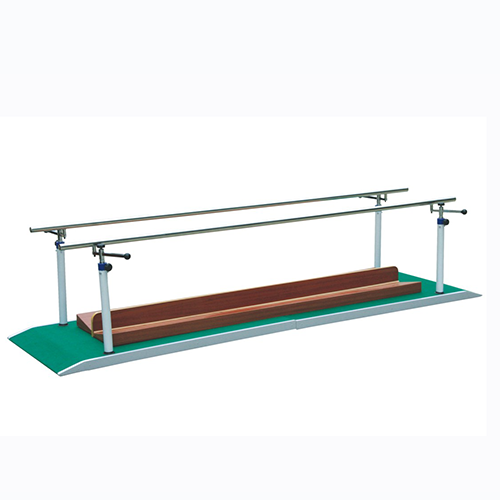
Parallel Bars (Gait Training): An Orthopedic Specialist's Comprehensive Guide
Gait training is a cornerstone of rehabilitation, empowering individuals to regain mobility, balance, and independence after injury, surgery, or neurological events. Among the essential tools in this process, parallel bars stand out as a foundational piece of equipment, offering unparalleled stability and a controlled environment for patients to re-learn the intricate art of walking. As expert medical SEO copywriters and orthopedic specialists, we delve into the comprehensive world of parallel bars, exploring their design, biomechanics, clinical applications, maintenance, and the profound impact they have on patient outcomes.
1. Comprehensive Introduction & Overview
Parallel bars are a pair of sturdy, horizontally mounted handrails, typically adjustable in height and width, designed to provide a secure and supportive environment for individuals undergoing gait rehabilitation. Their primary purpose is to facilitate the re-education of walking patterns, improve balance, increase lower extremity strength, and build confidence in ambulation.
Historically, basic forms of assistive devices for walking have existed for centuries. However, the modern parallel bar system, as we know it, evolved alongside advancements in physical therapy and orthopedic medicine in the 20th century. They offer a controlled, safe space where patients can practice weight-bearing, stepping, and balance exercises without the immediate fear of falling, making them indispensable in both orthopedic and neurological rehabilitation settings. Their inherent stability allows therapists to safely challenge patients, progressively advancing their functional mobility.
Key Benefits of Parallel Bar Training:
* Enhanced Safety: Provides a secure framework, reducing fall risk.
* Controlled Environment: Allows for focused, repetitive gait practice.
* Versatile Adjustability: Accommodates a wide range of patient heights and body types.
* Foundation for Progression: Builds confidence and strength necessary for less supported ambulation.
* Improved Biomechanics: Facilitates proper posture, weight shifting, and step symmetry.
2. Deep-Dive into Technical Specifications / Mechanisms
Understanding the engineering and biomechanical principles behind parallel bars is crucial for both therapists and patients.
2.1. Design & Materials
The construction of parallel bars prioritizes stability, durability, and adjustability.
- Materials:
- Frame: High-grade steel is most common, often powder-coated for corrosion resistance and aesthetics. Aluminum alloys are also used for lighter, sometimes portable, versions, though less common in clinical settings due to potential for reduced stability under heavy loads.
- Handrails: Typically made of stainless steel or heavy-duty aluminum, often coated with a non-slip, comfortable material such as rubber, PVC, or specialized polymers. This coating enhances grip, reduces pressure points, and provides a tactile sensory input.
- Adjustability:
- Height Adjustment: Essential for proper ergonomic setup. Mechanisms include:
- Manual Cranks: Hand-operated cranks allow for precise, incremental height changes.
- Spring-Loaded Pins: Quick and easy adjustments, typically with multiple pre-set holes.
- Hydraulic/Electric Systems: Less common but offer effortless, push-button height adjustments for high-volume clinics or specific patient populations.
- Width Adjustment: Some advanced systems allow the distance between the two bars to be adjusted. This is vital for accommodating varying body widths, facilitating different gait patterns (e.g., wider stance for initial balance training), and allowing for therapist access.
- Height Adjustment: Essential for proper ergonomic setup. Mechanisms include:
- Base & Stability:
- Floor-Mounted: The most stable configuration, where the upright supports are bolted directly to the floor. This provides maximum rigidity and weight capacity.
- Free-Standing: Equipped with wide, heavy bases, often with leveling feet, for stability without permanent installation. These are more versatile for facility layout changes.
- Platform Models: Some parallel bars are integrated into a raised platform, which can be beneficial for specific balance exercises or to accommodate patients who need to practice stepping up/down.
- Length Variations: Standard lengths range from 7 to 12 feet, allowing for several steps within the protected environment. Longer bars are beneficial for endurance training and more extensive gait practice.
- Safety Features: Locking mechanisms for height and width adjustments are critical. Weight capacity ratings are clearly marked and must be adhered to.
2.2. Biomechanics of Parallel Bar Training
Parallel bars are not merely a crutch; they are a dynamic tool that interacts with the body's biomechanics to facilitate motor learning and functional recovery.
- Support & Stability: The primary biomechanical advantage is the provision of external support. This reduces the need for intrinsic muscular stabilization, allowing patients to focus on limb movement and coordination without diverting significant cognitive resources to maintaining balance.
- Partial Body Weight Support: By leaning or gripping the bars, patients can offload a portion of their body weight, reducing stress on healing joints or weak muscles. This enables earlier weight-bearing and movement than might otherwise be safe or possible.
- Proprioceptive Feedback: The physical contact with the bars provides continuous proprioceptive input to the hands and upper extremities. This sensory information helps the brain better understand body position in space and contributes to improved balance and coordination.
- Facilitating Symmetrical Weight Bearing: Therapists can cue patients to distribute weight evenly between their lower limbs, addressing asymmetries common after unilateral injuries or neurological events. The bars provide a stable reference point for maintaining a central line of gravity.
- Enhancing Balance Reactions: While providing support, parallel bars also allow for controlled perturbations. Therapists can encourage patients to briefly release one hand or shift weight to challenge their balance reactions within a safe range.
- Gait Pattern Re-education: The stable environment allows for detailed analysis and modification of individual gait parameters:
- Step Length and Width: Therapists can guide patients to achieve appropriate step dimensions.
- Cadence: Controlled practice to improve walking speed.
- Stance Phase Control: Focus on single-limb support and proper weight transfer.
- Swing Phase Control: Practicing limb clearance and forward propulsion.
- Muscle Activation: Parallel bar training encourages activation of core stabilizing muscles, hip abductors/adductors, quadriceps, and hamstrings, all crucial for functional ambulation. The upper extremities also engage, providing a kinetic chain linkage that aids lower body movement.
3. Extensive Clinical Indications & Usage
Parallel bars are a versatile tool employed across a broad spectrum of rehabilitation scenarios, from acute post-surgical recovery to chronic neurological conditions.
3.1. Detailed Surgical Applications
- Post-Arthroplasty (Total Hip Arthroplasty - THA, Total Knee Arthroplasty - TKA):
- Early Weight-Bearing: Allows patients to safely initiate partial or full weight-bearing protocols as prescribed by the surgeon.
- Muscle Re-education: Focus on quadriceps and gluteal activation, essential for restoring functional gait.
- Balance Training: Critical for preventing falls during the early recovery phase.
- Gait Pattern Correction: Addressing antalgic gait or compensatory patterns.
- Spinal Surgeries (Laminectomy, Fusion, Discectomy):
- Core Stability & Posture: Patients learn to ambulate with proper spinal alignment, protecting the surgical site.
- Gradual Mobilization: Safe progression from bed mobility to standing and walking.
- Trunk Control: Re-establishing control over the trunk during gait.
- Lower Limb Fracture Recovery (e.g., Tibial Plateau, Femur, Ankle):
- Protected Weight-Bearing: Allows for controlled loading of the healing bone, crucial for callus formation and preventing re-injury.
- Progression of Weight-Bearing: Therapists can gradually increase the amount of weight a patient places on the affected limb.
- Strength & Endurance: Rebuilding muscle mass and stamina lost during immobilization.
- Lower Limb Amputation:
- Pre-Prosthetic Training: Developing residual limb strength, balance, and core stability.
- Prosthetic Gait Training: Learning to walk with a new prosthesis, focusing on weight transfer, balance, and coordination.
- Desensitization: Acclimating the limb to pressure and movement.
3.2. Non-Surgical/Clinical Applications
- Stroke Rehabilitation (CVA):
- Hemiparesis Management: Addressing weakness and spasticity on one side of the body.
- Coordination & Motor Control: Re-learning symmetrical movement patterns.
- Balance & Proprioception: Enhancing sensory input and reactive balance.
- Foot Drop Correction: Practicing heel-strike to toe-off gait pattern.
- Parkinson's Disease:
- Freezing of Gait (FOG): Providing external cues and a structured environment to overcome FOG episodes.
- Balance & Postural Instability: Improving static and dynamic balance.
- Bradykinesia: Encouraging larger, more fluid movements.
- Multiple Sclerosis (MS):
- Spasticity Management: Facilitating controlled movement to reduce spasticity.
- Endurance & Fatigue Management: Allowing for rest breaks and controlled exertion.
- Balance & Coordination: Addressing ataxia and dysmetria.
- Vestibular Disorders:
- Balance Retraining: Challenging the vestibular system in a safe environment.
- Gaze Stabilization: Practicing head movements during ambulation.
- Geriatric Rehabilitation:
- Fall Prevention: Improving balance, strength, and confidence in older adults.
- Deconditioning: Rebuilding general mobility and endurance after prolonged inactivity.
- Addressing Sarcopenia: Strengthening lower extremity muscles.
- Pediatric Rehabilitation:
- Developmental Delays: Facilitating standing and early walking skills.
- Cerebral Palsy (CP): Providing support for gait training, addressing spasticity and motor control issues.
- Spina Bifida: Assisting with ambulation using orthoses.
3.3. Fitting & Usage Instructions
Proper setup and technique are paramount for effective and safe parallel bar training.
- Patient Assessment:
- Prior to Use: A thorough assessment of the patient's strength, balance, cognitive status, pain levels, and any weight-bearing restrictions is crucial.
- Goals: Establish clear, measurable goals for the training session.
- Setup:
- Height Adjustment: The top of the handrails should be adjusted to the level of the patient's wrist crease when standing upright with arms relaxed at their sides. This typically results in 20-30 degrees of elbow flexion when gripping the bars, providing optimal leverage and reducing shoulder strain.
- Width Adjustment: The width should be comfortable, allowing for natural arm swing and preventing rubbing against the hips. A general rule is to allow enough space for the patient to walk without hitting the bars, typically slightly wider than the patient's hips.
- Safety Checks: Always ensure all locking pins and adjustment mechanisms are securely engaged before the patient enters the bars. Check the stability of the entire unit.
- Techniques & Progression:
- Standing Balance Exercises:
- Static standing: Eyes open/closed, narrow/wide base of support.
- Weight shifting: Anterior-posterior, medial-lateral.
- Single limb stance: Brief holds, gradually increasing duration.
- Stepping in Place: Practicing knee flexion and hip extension without forward progression.
- Forward Ambulation:
- 2-point gait: Hand-foot-hand-foot (one hand and opposite foot move simultaneously).
- 3-point gait: Assistive device (e.g., walker) moves, then affected leg, then unaffected leg. (Less common in parallel bars, more for walkers).
- 4-point gait: One hand, opposite foot, other hand, other foot.
- Swing-to gait: Both feet swing to meet the level of the hands.
- Swing-through gait: Both feet swing past the level of the hands.
- Backward Ambulation: Improves balance and posterior chain strength.
- Side-Stepping: Challenges frontal plane stability, crucial for functional tasks.
- Progression:
- Decreasing Reliance: Gradually reducing the amount of weight bearing through the hands.
- Increasing Speed/Distance: As confidence and strength improve.
- Adding Cognitive Tasks: Dual-task training (e.g., talking, counting) while walking.
- Introducing Obstacles: Stepping over small objects (under strict supervision).
- Transition to Less Supportive Devices: Progressing to a walker, crutches, or cane.
- Standing Balance Exercises:
- Therapist Role:
- Spotting: Always maintain a close proximity, especially behind and to the side of the patient, ready to intervene.
- Verbal Cues: Provide clear, concise instructions on posture, step length, and weight distribution.
- Manual Assistance: Guide limb movements or provide tactile cues as needed.
- Encouragement: Maintain a positive and supportive environment.
3.4. Maintenance & Sterilization Protocols
Proper maintenance and hygiene are critical for the longevity of the equipment and patient safety.
- Daily/Routine Maintenance:
- Cleaning: Wipe down handrails and frequently touched surfaces with hospital-grade disinfectant wipes after each patient use or at the end of the day.
- Visual Inspection: Quickly check for any obvious damage, loose parts, or signs of wear.
- Weekly/Monthly Maintenance:
- Locking Mechanisms: Inspect all height and width adjustment locks for proper function. Lubricate if necessary, following manufacturer guidelines.
- Bolts & Welds: Check all structural bolts for tightness and inspect welds for any cracks or signs of fatigue.
- Handrail Coatings: Examine rubberized or PVC coatings for tears, excessive wear, or peeling, which can compromise grip and hygiene.
- Base Stability: Ensure free-standing units are level and stable; check floor mounts for any loosening.
- Annual Maintenance:
- Professional Inspection: Consider an annual inspection by a certified technician to assess structural integrity, wear and tear on moving parts, and overall safety.
- Lubrication: Lubricate all moving parts (e.g., crank mechanisms) as per manufacturer specifications.
- Weight Capacity Check: Ensure the unit is still within its rated weight capacity, especially if showing signs of wear.
- Cleaning & Disinfection:
- Hospital-Grade Disinfectants: Use EPA-approved, hospital-grade disinfectants effective against a broad spectrum of pathogens.
- Manufacturer Guidelines: Always follow the specific cleaning and disinfection instructions provided by the parallel bar manufacturer.
- High-Touch Surfaces: Pay particular attention to handrails, adjustment handles, and any other parts that patients or therapists frequently touch.
- Aseptic Technique: For multi-patient use, ensure proper hand hygiene before and after handling the equipment.
3.5. Patient Outcome Improvements
The dedicated use of parallel bars in a structured rehabilitation program leads to significant and measurable improvements in patient outcomes.
- Enhanced Balance and Stability: Objective measures like the Berg Balance Scale, Functional Reach Test, and Timed Up and Go (TUG) test often show significant improvements. Patients report feeling more stable and confident.
- Improved Gait Symmetry and Efficiency: Observational gait analysis and instrumented gait labs can demonstrate more symmetrical step lengths, step widths, and improved temporal-spatial parameters. This leads to a more energy-efficient walking pattern.
- Increased Muscle Strength and Endurance: Repetitive, controlled movements against gravity build strength in the lower extremities and core. Increased walking distance and reduced perceived exertion indicate improved endurance.
- Reduced Fear of Falling (FOF): The secure environment of parallel bars directly addresses FOF, a common barrier to mobility. As confidence grows, FOF scales (e.g., Falls Efficacy Scale-International) show reduced scores.
- Accelerated Return to Functional Mobility: Patients often achieve independence in ambulation more quickly, translating to earlier discharge from inpatient facilities and faster return to daily activities.
- Psychological Benefits: Beyond physical improvements, parallel bar training fosters a sense of accomplishment, promotes independence, and boosts overall morale, contributing to a more positive rehabilitation experience.
- Objective Measures of Progress:
- Timed Up and Go (TUG) Test: Shorter times indicate improved mobility and balance.
- 10-Meter Walk Test: Increased speed reflects improved gait efficiency.
- Berg Balance Scale: Higher scores demonstrate better static and dynamic balance.
- Dynamic Gait Index: Assesses balance during complex walking tasks.
4. Risks, Side Effects, or Contraindications
While highly beneficial, parallel bar training is not without potential risks or situations where its use should be modified or avoided.
- Risks:
- Falls: Despite the inherent safety, falls can still occur if the patient's abilities are overestimated, if there is inadequate supervision, or if equipment failure occurs (rare but possible).
- Skin Irritation/Blisters: Prolonged or improper gripping of the handrails can lead to skin breakdown, especially if the patient has sensitive skin or poor circulation.
- Overuse Injuries: Excessive training without adequate rest or proper form can lead to muscle strains or joint pain.
- Equipment Malfunction: Loose locking pins, unstable bases, or damaged handrails can pose a hazard.
- Side Effects:
- Muscle Soreness: Common, especially in the initial stages of training, as muscles adapt to new demands.
- Fatigue: Rehabilitation can be physically demanding; patients may experience increased fatigue.
- Contraindications (Absolute or Relative):
- Severe Cognitive Impairment: Patients unable to understand or follow instructions are at high risk of injury.
- Uncontrolled Pain: Severe pain that limits participation or makes movement unsafe.
- Unstable Fractures: Any fracture that is not stable for weight-bearing or movement, as determined by the orthopedic surgeon.
- Severe Cardiovascular Instability: Uncontrolled hypertension, unstable angina, or recent myocardial infarction may preclude intense gait training.
- Weight Exceeding Capacity: Using the bars with a patient whose weight exceeds the manufacturer's specified limit is extremely dangerous.
- Lack of Adequate Supervision: Parallel bars should always be used under the direct supervision of a trained physical therapist or healthcare professional.
- Uncontrolled Vertigo/Dizziness: Severe balance disorders that make any upright activity unsafe.
5. Massive FAQ Section
Here are some frequently asked questions about parallel bars and gait training:
1. What are parallel bars primarily used for?
Parallel bars are primarily used in physical therapy for gait training, balance exercises, strengthening lower extremities, and re-educating proper walking patterns in a safe, controlled environment. They provide stable support, reducing the risk of falls during rehabilitation.
2. Who benefits most from parallel bar training?
A wide range of patients benefit, including those recovering from orthopedic surgeries (e.g., hip/knee replacement, spinal surgery), lower limb fractures, amputations, and neurological conditions like stroke, Parkinson's disease, or multiple sclerosis. Elderly individuals focusing on fall prevention and children with developmental delays also benefit.
3. How do parallel bars improve gait?
They improve gait by providing external support, allowing patients to offload partial body weight, focus on symmetrical weight bearing, and practice stepping patterns without fear. This enhances proprioception, strengthens relevant muscles, and helps correct abnormal gait mechanics.
4. Is parallel bar training safe?
Yes, parallel bar training is generally very safe when conducted under the supervision of a trained physical therapist. The stable structure minimizes fall risk, and therapists ensure proper setup and technique. However, like any exercise, risks exist if proper protocols are not followed.
5. How is the height adjusted for parallel bars?
The height of the handrails should be adjusted so they are at the level of the patient's wrist crease when standing upright with their arms relaxed at their sides. This ensures a slight bend (20-30 degrees) in the elbows when gripping, providing optimal support and comfort.
6. Can I use parallel bars at home?
While some smaller, portable parallel bar systems exist for home use, clinical-grade parallel bars are typically found in rehabilitation facilities due to their size, cost, and the need for professional supervision. Home exercise programs often involve alternative assistive devices or exercises prescribed by a therapist.
7. What's the difference between parallel bars and a walker?
Parallel bars offer a fixed, highly stable, two-sided support system within a confined space, ideal for initial gait re-education and maximal support. A walker is a portable, single-unit device that offers less support but allows for mobility outside a specific area, serving as a progression from parallel bars.
8. How long does a typical parallel bar session last?
A typical session can vary greatly depending on the patient's condition, endurance, and rehabilitation goals. It might range from 15-20 minutes for initial training to 30-45 minutes or more for advanced gait practice, often integrated into a broader physical therapy session.
9. How often should I use parallel bars?
The frequency is determined by your physical therapist based on your individual needs and recovery plan. It could be daily, several times a week, or as part of a structured therapy program. Consistency is key for optimal results.
10. What if I feel pain during parallel bar training?
You should immediately inform your physical therapist if you experience any pain during parallel bar training. They will assess the cause, adjust your technique, modify the exercise, or determine if further medical evaluation is needed. Pain is a signal that something may be wrong.
11. Are there different types of parallel bars?
Yes, there are various types, including floor-mounted for maximum stability, free-standing models for versatility, and some with adjustable width or integrated platforms. Materials also vary, typically steel or aluminum, with rubberized handrail coatings.
12. How do therapists progress training using parallel bars?
Therapists progress training by gradually reducing the amount of hand support, increasing walking distance and speed, introducing variations like backward or side-stepping, adding cognitive tasks, and eventually transitioning the patient to less supportive assistive devices like walkers or canes.
13. Do parallel bars help with balance?
Absolutely. Parallel bars are excellent for balance training. They provide a safe environment to practice static balance (standing still), dynamic balance (weight shifting, stepping), and reactive balance (responding to small perturbations), which significantly reduces the fear of falling and improves overall stability.
14. Can children use parallel bars?
Yes, parallel bars are frequently used in pediatric rehabilitation for children with developmental delays, cerebral palsy, or other conditions affecting their ability to stand and walk. Adjustable height and width make them suitable for a wide range of pediatric patients.