The Miami J Cervical Collar: An Expert's Comprehensive Guide to Advanced Cervical Spine Immobilization
As an expert in orthopedic care, understanding the nuances of spinal immobilization devices is paramount. Among the myriad options, the Miami J Cervical Collar stands out as a gold standard, renowned for its superior immobilization capabilities, patient comfort, and clinical versatility. This exhaustive guide delves into every aspect of the Miami J collar, providing an authoritative resource for healthcare professionals, patients, and caregivers alike.
1. Comprehensive Introduction & Overview
The Miami J Cervical Collar is a high-performance, rigid cervical orthosis designed to provide maximum restriction of cervical spine motion. Developed by Össur, it represents a significant advancement over traditional soft collars, offering a precise balance of support, comfort, and hygienic design. Its primary role is to stabilize the cervical spine following trauma, surgery, or in cases of degenerative conditions, thereby facilitating healing and preventing further injury.
Unlike many other cervical collars, the Miami J features a unique, patented Sorbatex™ padding that is designed to be antibacterial and hypoallergenic, enhancing patient compliance, especially during long-term wear. Its bi-valved design allows for easy application and removal, making it suitable for a wide range of clinical scenarios, from emergency spinal precautions to long-term post-operative management. The collar's adjustability and robust construction ensure a secure fit, crucial for effective immobilization and optimal patient outcomes.
2. Deep-Dive into Technical Specifications & Mechanisms
The efficacy of the Miami J cervical collar lies in its meticulously engineered design and material science.
2.1. Design & Materials
The Miami J collar is constructed from several key components that work synergistically to provide superior support:
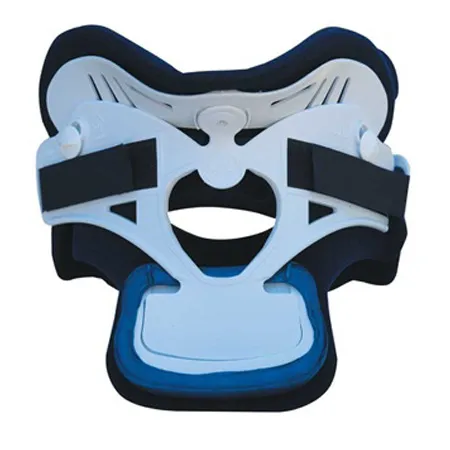
- Rigid Polyethylene Shell: The anterior and posterior shells are made from a high-quality, lightweight, yet rigid polyethylene plastic. This material is chosen for its excellent structural integrity, providing the necessary resistance to cervical motion. It is also radiolucent, allowing for X-ray, CT, and MRI imaging without significant artifact, which is critical for ongoing patient assessment.
- Sorbatex™ Padding: This patented, antibacterial, and hypoallergenic padding lines the interior of the rigid shells. Sorbatex™ is engineered to wick moisture away from the skin, reducing the risk of skin breakdown, maceration, and bacterial growth. Its breathable nature enhances comfort, especially during prolonged wear, and it is easily removable and washable for hygiene. The padding is strategically placed at pressure points (chin, occiput, sternum, clavicles) to distribute pressure evenly.
- Adjustable Straps: Multiple hook-and-loop straps secure the anterior and posterior sections of the collar, allowing for precise adjustment to the patient's anatomy. This ensures a snug, customized fit that maximizes immobilization while minimizing discomfort.
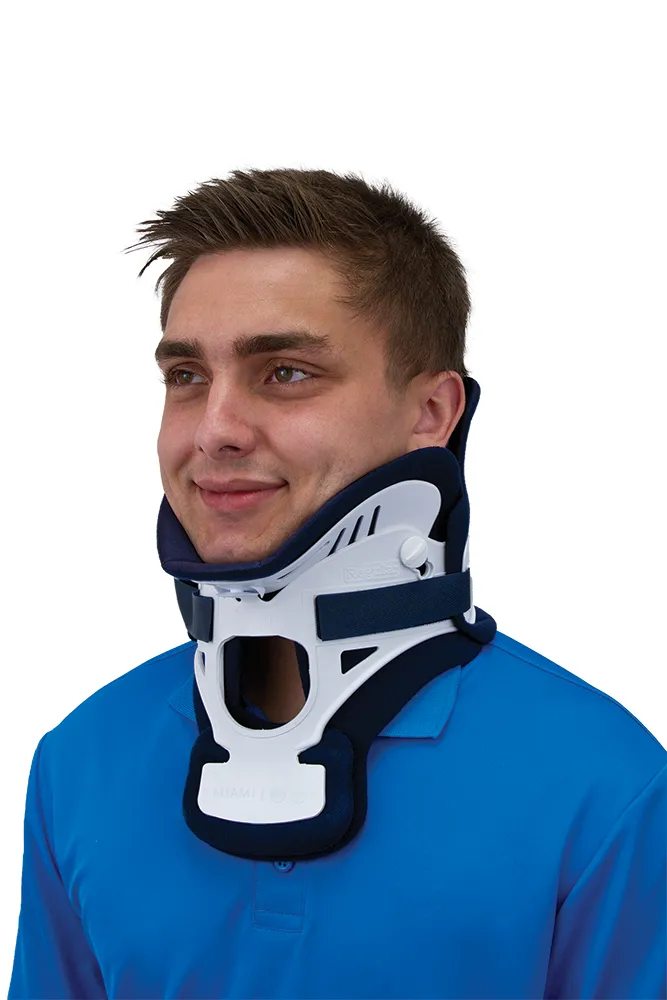
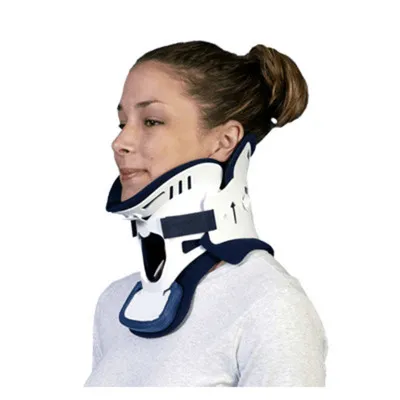
- Anatomical Contouring: The shells are pre-molded to conform to the natural curves of the neck and jawline, providing optimal support to the occiput, mandible, and sternal notch.
- Tracheostomy Opening: A large anterior opening facilitates tracheostomy access, airway management, and allows for visual inspection of the neck, which is vital in emergency and post-surgical settings.
2.2. Biomechanics of Immobilization
The Miami J collar employs a sophisticated biomechanical principle to achieve its superior immobilization: the three-point pressure system.
- Anterior Support: The anterior shell supports the mandible (chin) and the sternal area (chest).
- Posterior Support: The posterior shell supports the occiput (back of the head) and the upper thoracic spine.
- Lateral Support: The sides of the collar provide lateral stability, restricting side-to-side movement.
This system works to restrict all planes of cervical motion:
- Flexion: The sternal and mandibular supports prevent the head from moving forward.
- Extension: The occipital and upper thoracic supports prevent the head from moving backward.
- Lateral Bending: The rigid side walls and overall circumferential support limit side-to-side tilting.
- Rotation: The snug fit and high-profile design significantly reduce axial rotation of the cervical spine.
Studies consistently demonstrate that rigid cervical collars like the Miami J provide significantly greater immobilization of the cervical spine compared to soft collars, which primarily serve as kinesthetic reminders rather than true immobilizers. The Miami J's design ensures that the forces applied are distributed broadly, minimizing focal pressure points while maximizing stability.
3. Extensive Clinical Indications & Usage
The Miami J cervical collar is indicated for a broad spectrum of clinical conditions requiring moderate to severe immobilization of the cervical spine.
3.1. Detailed Surgical Applications
- Post-Cervical Fusion: Following anterior cervical discectomy and fusion (ACDF), posterior cervical fusion (PCF), or cervical corpectomy, the Miami J collar provides essential external stabilization to protect the surgical construct, promote bony fusion, and reduce stress on the healing tissues.
- Cervical Laminectomy/Laminoplasty: To support the spine and protect the surgical site during the initial healing phase.
- Cervical Decompression Procedures: After procedures aimed at relieving nerve root or spinal cord compression, the collar helps maintain alignment and prevent excessive motion.
- Stabilization of Unstable Fractures: In conjunction with surgical fixation, or as a primary treatment for certain stable fractures, to provide additional external support.
3.2. Detailed Clinical Applications (Non-Surgical)
- Stable Cervical Fractures: Management of certain stable cervical fractures, such as odontoid type I fractures, stable Jefferson fractures, or stable compression fractures of the vertebral bodies, where surgical intervention may not be immediately required.
- Severe Cervical Sprains/Strains (Whiplash): For severe cases of whiplash-associated disorders or other significant ligamentous injuries, where greater immobilization than a soft collar is needed to reduce pain and promote healing.
- Cervical Disc Herniation/Radiculopathy: To provide temporary relief from pain and nerve compression by limiting motion and potentially reducing pressure on nerve roots.
- Degenerative Disc Disease & Spondylosis: In acute exacerbations of chronic conditions to reduce pain and inflammation by immobilizing the affected segment.
- Rheumatoid Arthritis (Cervical Involvement): To stabilize the cervical spine in patients with atlantoaxial instability or other cervical manifestations of rheumatoid arthritis, especially during flare-ups.
- Post-Trauma Stabilization (Emergency Settings): Used as part of C-spine precautions in emergency departments and pre-hospital settings for patients with suspected cervical spine injury until definitive diagnosis can be made.
- Metastatic Disease or Osteoporosis: To provide support and reduce the risk of pathological fractures in patients with weakened cervical vertebrae.
3.3. Fitting & Usage Instructions
Proper fitting of the Miami J collar is paramount for its effectiveness and patient comfort. This process should ideally be performed by a trained healthcare professional.
Steps for Proper Fitting:
- Patient Assessment: Evaluate the patient's neck circumference, height, and specific anatomical considerations. Ensure skin integrity is intact.
- Size Selection: The Miami J collar comes in various sizes (e.g., Short, Regular, Tall, Stature, Stature Tall). Use a measuring guide (often provided by Össur) to measure the patient's neck height from the sternal notch to the chin and neck circumference.
- Application (Supine Position Preferred for Trauma):
- Posterior Section First: Gently slide the posterior section under the patient's neck, ensuring the occipital support is correctly positioned at the back of the head.
- Anterior Section Second: Place the anterior section under the chin, ensuring the chin cup cradles the mandible securely and the sternal pad rests on the chest.
- Secure Straps: Fasten the hook-and-loop straps, starting from the bottom straps and working upwards. Ensure they are snug but not overly tight, allowing for one finger to comfortably slide between the collar and the skin at all points.
- Alignment Check: Verify that the patient's head is in a neutral, slightly extended position, aligned with the torso. The chin should be comfortably supported without excessive pressure.
- Skin Integrity Check: Re-check for any pressure points, especially under the chin, at the occiput, and over the clavicles. Adjust as necessary.
- Patient Education: Instruct the patient on the purpose of the collar, how to wear it, signs of skin irritation, and basic hygiene practices. Emphasize that the collar should not be removed without medical clearance.
Table: Key Fitting Considerations
| Aspect | Description | Importance |
|---|---|---|
| Sizing | Correct measurement (sternal notch to chin, circumference) for appropriate collar height and width. | Too small = inadequate immobilization; Too large = pressure points, instability. |
| Chin Support | Chin must rest comfortably in the chin cup, not floating or sinking too far. | Prevents hyperextension/hyperflexion, distributes pressure. |
| Occipital Pad | Should cradle the back of the head without pushing it forward. | Prevents extension, supports head weight. |
| Sternal Pad | Should rest on the sternum without impinging on the clavicles or throat. | Provides anterior stability, prevents flexion. |
| Strap Tension | Snug enough to prevent movement, loose enough for 1-finger gap. | Too tight = skin breakdown, discomfort; Too loose = ineffective immobilization. |
| Neutral Alignment | Head should be maintained in a neutral, slightly extended position. | Optimal for healing and preventing further injury. |
4. Maintenance & Sterilization Protocols
Proper maintenance and hygiene are crucial for patient comfort, preventing skin complications, and extending the life of the Miami J collar.
4.1. Cleaning the Sorbatex™ Pads
- Frequency: Pads should be cleaned daily or every other day, depending on patient activity and perspiration.
- Method:
- Remove the Sorbatex™ pads from the rigid shells.
- Wash the pads by hand using mild soap (e.g., baby shampoo or gentle dish soap) and lukewarm water. Avoid harsh detergents or bleach.
- Rinse thoroughly to remove all soap residue.
- Gently squeeze out excess water with a clean towel. Do NOT wring.
- Air dry completely. Lay flat or hang in a well-ventilated area away from direct heat or sunlight. Ensure they are completely dry before reattaching.
- Replacement: Pads should be replaced if they show signs of wear, tear, significant discoloration, or if they lose their cushioning properties. Össur provides replacement pad sets.
4.2. Cleaning the Rigid Shells
- Frequency: Clean as needed, typically when pads are removed for washing.
- Method:
- Wipe down the inside and outside of the plastic shells with a damp cloth and mild soap.
- Rinse with a clean, damp cloth to remove soap residue.
- Dry thoroughly with a clean towel.
- Inspect the shells for cracks or damage.
4.3. General Hygiene for Long-Term Wear
- Skin Care: Instruct patients to inspect their skin daily for redness, irritation, or pressure sores. A caregiver may need to assist. Use a mirror if necessary.
- Moisture Management: Ensure the skin under the collar remains dry. Avoid applying lotions or creams under the collar unless specifically instructed by a physician, as these can trap moisture and soften the skin, increasing the risk of breakdown.
- Showering/Bathing: The Miami J collar is not designed to be submerged. Patients should be instructed on sponge bathing or careful showering to avoid wetting the collar. If the collar gets wet, it must be thoroughly dried immediately, including the pads and the skin underneath.
- Pad Rotation: If possible and if prescribed, having a second set of pads allows for continuous wear of the collar while one set is being cleaned and dried.
5. Risks, Side Effects, or Contraindications
While highly effective, the Miami J cervical collar is not without potential risks or side effects, and specific contraindications must be considered.
5.1. Potential Risks & Side Effects
- Skin Breakdown/Pressure Sores: The most common complication, especially at pressure points such as the chin, occiput, and clavicles. This risk is exacerbated by improper fit, inadequate hygiene, excessive sweating, or prolonged wear.
- Nerve Compression: Rarely, if fitted too tightly, it can cause compression of superficial nerves, leading to numbness or tingling.
- Discomfort & Pain: While designed for comfort, initial discomfort is common. Persistent or increasing pain warrants re-evaluation of fit.
- Muscle Atrophy & Stiffness: Prolonged immobilization can lead to weakening of cervical muscles and reduced range of motion once the collar is removed. Physical therapy is often necessary during the weaning process.
- Difficulty Eating/Swallowing (Dysphagia): The collar can restrict jaw movement and throat expansion, making eating and swallowing challenging.
- Psychological Impact: Patients may experience feelings of claustrophobia, anxiety, or self-consciousness due to the visible nature and restrictive feel of the collar.
- Poor Hygiene: Difficulty with showering and personal care can lead to poor hygiene if not managed correctly.
- Increased Intracranial Pressure (Rare): In susceptible individuals, very tight collars may theoretically impede venous return from the head, though this is rare with proper fitting.
5.2. Contraindications
- Unstable Fractures Requiring Greater Immobilization: Certain highly unstable fractures (e.g., specific odontoid type II/III, hangman's fractures, or complex dislocations) may require more rigid external fixation (e.g., halo vest) or immediate surgical intervention.
- Severe Skin Infections or Open Wounds: Direct application over active infections or large open wounds in the cervical region is contraindicated due to infection risk and impaired healing.
- Claustrophobia (Relative): Patients with severe claustrophobia may struggle with compliance. Psychological support and gradual acclimatization may be necessary.
- Inability to Maintain Hygiene: Patients or caregivers unable to perform adequate hygiene and skin care may be at higher risk for complications.
- Certain Airway Compromise Issues: While the large tracheostomy opening helps, specific airway compromise scenarios may necessitate alternative stabilization methods.
6. Patient Outcome Improvements
The judicious use of the Miami J cervical collar significantly contributes to improved patient outcomes across various clinical scenarios.
- Enhanced Spinal Stability: By effectively immobilizing the cervical spine, the collar prevents excessive motion that could exacerbate injuries or compromise surgical repairs. This stability is crucial for bone healing and ligamentous repair.
- Pain Reduction: Limiting movement of an injured or post-operative spine directly reduces pain by minimizing irritation of nerve roots, muscles, and surgical sites.
- Improved Healing Rates: For stable fractures and post-fusion patients, consistent immobilization creates an optimal environment for bone fusion and tissue repair, leading to higher rates of successful healing.
- Prevention of Further Neurological Injury: In trauma settings, the immediate application of a Miami J collar can prevent secondary neurological damage by stabilizing a potentially unstable spine.
- Early Mobilization Within Safe Limits: By providing external support, the collar allows patients to be more mobile (e.g., ambulation, sitting upright) earlier in their recovery process, which can prevent complications associated with prolonged bed rest, such as deep vein thrombosis and pneumonia.
- Psychological Reassurance: Patients often feel a sense of security and protection knowing their neck is stabilized, which can positively impact their overall recovery experience and compliance.
- Reduced Need for More Invasive External Fixation: For certain conditions, the Miami J collar can provide sufficient immobilization, potentially avoiding the need for more invasive devices like a halo vest.
7. Massive FAQ Section
Q1: What is the Miami J Cervical Collar primarily used for?
A1: The Miami J Cervical Collar is primarily used for moderate to severe immobilization of the cervical spine. This includes post-surgical stabilization (e.g., after cervical fusion), management of stable cervical fractures, severe whiplash injuries, degenerative disc disease, and initial stabilization following trauma to prevent further injury.
Q2: How is the Miami J collar different from a soft neck collar?
A2: The Miami J collar is a rigid orthosis designed for maximum restriction of cervical motion in all planes (flexion, extension, lateral bending, rotation). A soft neck collar, conversely, offers minimal immobilization and primarily serves as a kinesthetic reminder to limit movement, providing very little structural support. The Miami J is used for more serious conditions requiring significant spinal stability.
Q3: How long do I need to wear my Miami J collar?
A3: The duration of wear is highly individualized and determined by your treating physician based on your specific condition, the severity of your injury, and your healing progress. It can range from a few weeks for minor injuries to several months post-surgery or for fracture healing. Never remove or discontinue wearing the collar without explicit medical clearance.
Q4: Can I sleep in my Miami J collar?
A4: Yes, you are generally required to sleep in your Miami J collar to maintain continuous immobilization, especially during the critical healing phase. Your physician will provide specific instructions regarding sleeping positions. Using a supportive pillow that cradles your head and neck in a neutral position can enhance comfort.
Q5: How do I clean my Miami J collar?
A5: The removable Sorbatex™ pads should be hand-washed daily or every other day with mild soap and lukewarm water, then air-dried completely. The rigid plastic shells can be wiped down with a damp cloth and mild soap, then dried. Always ensure pads are completely dry before reattaching them to prevent skin irritation and bacterial growth.
Q6: What should I do if my collar feels uncomfortable or causes skin irritation?
A6: Initial discomfort is normal. However, persistent pain, numbness, tingling, or significant skin redness/breakdown warrants immediate attention. First, check if the collar feels too tight or too loose. If adjustments don't help, or if irritation persists, contact your healthcare provider immediately. Do not attempt to modify the collar yourself.
Q7: Is the Miami J collar MRI compatible?
A7: Yes, the materials used in the Miami J cervical collar are generally radiolucent and MRI compatible, meaning it can typically be worn during X-ray, CT scans, and MRI without causing significant image artifacts or safety concerns. Always inform the imaging technician that you are wearing the collar.
Q8: Can I shower or bathe with my Miami J collar on?
A8: It is generally not recommended to shower or submerge the Miami J collar. The pads can absorb water and become a breeding ground for bacteria, and prolonged wetness can irritate the skin. Patients are usually advised to take sponge baths or carefully shower without getting the collar wet. If the collar does get wet, it must be thoroughly dried immediately, including changing and drying the pads and the skin underneath.
Q9: What activities are restricted while wearing the Miami J collar?
A9: While wearing the Miami J collar, you should avoid any activities that could put stress on your neck or cause sudden movements. This typically includes heavy lifting, strenuous exercise, contact sports, driving (unless cleared by your doctor), and any activities that involve bending, twisting, or rotating your neck. Your physician will provide a specific list of permitted and restricted activities.
Q10: How do I know if my Miami J collar is fitted correctly?
A10: A correctly fitted Miami J collar will hold your head in a neutral, slightly extended position, preventing significant movement in all directions. The chin should rest comfortably in the chin cup, and the occipital and sternal pads should provide firm, even support without excessive pressure points. You should be able to slide one finger comfortably between the collar and your skin at all points. If it feels too loose, too tight, or causes pain, it may be incorrectly fitted and should be re-evaluated by a healthcare professional.
Q11: Can children use the Miami J collar?
A11: Yes, Össur manufactures pediatric versions of the Miami J collar (e.g., Miami J Pedi) specifically designed for children, accounting for their unique anatomical differences and growth considerations. These are used for similar indications as the adult versions, adjusted for pediatric patient needs.
Q12: What should I do if I develop a rash under my collar?
A12: A rash under the collar can indicate skin irritation, fungal infection, or allergic reaction. Immediately clean the collar and your skin thoroughly. Ensure the pads are dry and clean. If the rash persists, worsens, or is accompanied by pain, itching, or discharge, contact your doctor as soon as possible. Do not apply creams or powders without medical advice, as they can sometimes exacerbate the issue.