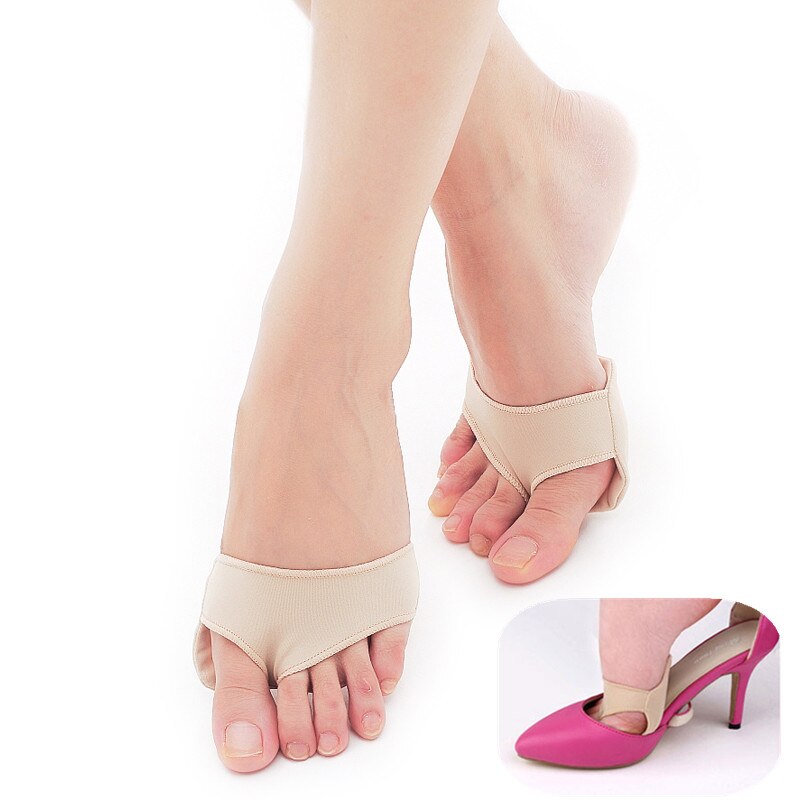
The Definitive Guide to Metatarsal Dome Pads: Alleviating Forefoot Pain and Enhancing Mobility
Comprehensive Introduction & Overview
Metatarsal dome pads represent a cornerstone in conservative management strategies for a myriad of forefoot conditions. As an expert in orthopedic care and medical SEO copywriting, I understand the critical role these seemingly simple devices play in restoring comfort, function, and quality of life for countless individuals. Often overlooked in their complexity, metatarsal dome pads are precisely engineered orthopedic assistive devices designed to redistribute pressure, support the metatarsal heads, and alleviate pain stemming from various pathologies affecting the ball of the foot.
The forefoot, particularly the metatarsal area, bears a significant portion of the body's weight during standing, walking, and running. When this intricate structure is compromised due to injury, overuse, biomechanical inefficiencies, or degenerative conditions, pain and dysfunction can become debilitating. Metatarsal dome pads work by subtly altering the biomechanics of the foot, lifting and separating the metatarsal heads, thereby reducing direct pressure on sensitive areas and promoting a more natural foot function. This comprehensive guide will delve into every aspect of metatarsal dome pads, from their intricate design and biomechanical principles to their extensive clinical applications, fitting protocols, maintenance, and the profound positive impact on patient outcomes.
Deep-Dive into Technical Specifications & Mechanisms
Understanding the technical aspects of metatarsal dome pads is crucial for appreciating their efficacy. Their design, materials, and the biomechanical principles they leverage are key to their success.
Design and Materials
Metatarsal dome pads come in a variety of designs, each optimized for specific needs and patient preferences. The choice of material significantly impacts comfort, durability, and effectiveness, while shape and size dictate the precision and extent of support.
-
Shapes and Sizes:
- Teardrop/Oval: The most common and versatile shape, designed to fit snugly behind the metatarsal heads, offering focused support to the transverse arch.
- Kidney-shaped: Provides a broader area of support, often preferred for more diffuse forefoot pain or when a wider offloading zone is required.
- Round/Circular: Less common, occasionally used for very localized pressure points, though generally less effective for overall metatarsal arch support.
- Sizes: Available in a spectrum from small to extra-large, corresponding to general foot size and the specific length required to span the metatarsal arch effectively. Proper sizing ensures the apex of the dome aligns correctly with the patient's anatomy.
-
Materials:
- Felt:
- Characteristics: Soft, breathable, highly conformable to foot contours, and offers good initial cushioning.
- Applications: Often utilized for temporary relief, initial clinical assessment due to its ease of trimming and shaping, or as a component in custom orthotics. It tends to compress and degrade faster than other materials, making it less durable for long-term daily use.
- Foam (e.g., Poron, EVA):
- Characteristics: Lightweight, excellent shock absorption properties, resilient, and maintains its shape well under sustained pressure. Available in various densities (soft to firm).
- Applications: Popular for everyday wear, athletic activities, and conditions requiring significant cushioning and energy return. Poron, a high-performance urethane, is particularly valued for its lasting cushioning without bottoming out.
- Silicone:
- Characteristics: Hypoallergenic, highly durable, exceptional at pressure redistribution, non-porous (easy to clean), and often comes with inherent adhesive properties.
- Applications: Ideal for long-term use, patients with sensitive skin, and conditions demanding precise, consistent pressure offloading. Can be self-adhesive or integrated into full-length insoles. Its viscoelastic properties mimic natural tissue, providing superior comfort.
- Gel:
- Characteristics: Similar to silicone in its soft, pliant nature, offering superior shock absorption and extreme comfort, particularly for highly sensitive areas.
- Applications: Often chosen for conditions requiring maximum cushioning or for individuals seeking a very soft interface. Can be combined with firmer materials for structural support.
- Adhesive vs. Non-Adhesive:
- Adhesive Pads: Designed to stick directly to the foot (less common for daily wear) or, more frequently, to the insole of a shoe. This ensures stable placement and prevents migration during activity.
- Non-Adhesive Pads: Typically integrated into custom or prefabricated full-length orthotics, or placed loosely in shoes (though less stable). They allow for minor positional adjustments but may require additional securing methods.
- Felt:
Biomechanics: The Mechanism of Action
The effectiveness of metatarsal dome pads lies in their ability to subtly yet significantly alter the biomechanics of the forefoot, aiming to restore physiological function.
- Metatarsal Arch Support: The primary mechanism is to elevate and support the transverse metatarsal arch. This arch, unlike the longitudinal arches, is often flattened or compromised (a "dropped metatarsal arch") in many forefoot pathologies, leading to excessive pressure on the metatarsal heads. By supporting it from below and behind, the dome pad helps to restore the natural, slightly domed curvature of the forefoot.
- Pressure Redistribution: In a healthy foot, weight is distributed across the heel, the lateral aspect of the foot, and the first and fifth metatarsal heads, with less direct pressure on the central metatarsal heads (2nd, 3rd, 4th). When the metatarsal heads are splayed or dropped, excessive pressure can concentrate on these central areas, leading to pain. The dome pad is strategically placed proximal (towards the heel) to the metatarsal heads, gently lifting them. This action achieves:
- Offloading: It reduces direct weight-bearing pressure on the painful metatarsal heads, transferring it to the less sensitive, more robust metatarsal shafts.
- Separation: By subtly lifting the central metatarsals, it can help to gently separate the metatarsal heads. This is critically important in conditions like Morton's neuroma, where nerve compression occurs between adjacent metatarsal heads.
- Improved Toe Alignment: By restoring the metatarsal arch and offloading the MTP joints, the dome pad can indirectly improve the alignment and function of the toes. This can alleviate symptoms associated with clawing, hammertoes, or mallet toes that often develop secondary to forefoot instability.
- Enhanced Propulsive Phase of Gait: With proper metatarsal support, the foot can transition more smoothly and efficiently through the gait cycle, particularly during the push-off phase. This reduces strain on the forefoot structures, improves overall walking and running efficiency, and mitigates compensatory biomechanical patterns.
Extensive Clinical Indications & Usage
Metatarsal dome pads are a versatile and invaluable tool in the orthopedic and podiatric arsenal, offering relief for a wide range of forefoot conditions.
Common Clinical Indications
- Metatarsalgia: This is a broad term for pain in the ball of the foot. Dome pads are highly effective at redistributing pressure and alleviating this widespread, often debilitating, discomfort.
- Morton's Neuroma: A painful condition characterized by a thickened nerve (neuroma) typically located between the third and fourth, or second and third, metatarsal heads. The dome pad's action of separating the metatarsal heads significantly reduces compression on the affected nerve, providing substantial pain relief.
- Capsulitis/Synovitis: Inflammation of the joint capsule or synovial lining of the metatarsophalangeal (MTP) joints. Dome pads offload these inflamed joints, allowing the inflammatory process to subside and promoting healing.
- Sesamoiditis: Inflammation of the sesamoid bones located beneath the big toe joint. While often requiring more specific offloading for the first MTP joint, a well-placed dome pad can indirectly help by supporting the transverse metatarsal arch and altering forefoot mechanics.
- Forefoot Calluses and Corns: These painful skin lesions often form in response to localized excessive pressure. By redistributing weight away from these pressure points, dome pads can help prevent the formation or recurrence of painful calluses and corns.
- Post-Surgical Rehabilitation: Following forefoot surgeries (e.g., bunionectomy, neuroma excision, hammertoe correction), dome pads can provide crucial support and pressure relief during the healing process, aiding in proper biomechanical recovery and preventing compensatory issues.
- Fat Pad Atrophy: With aging or certain medical conditions, the protective plantar fat pad under the metatarsal heads can thin, leading to increased pressure and pain. Dome pads effectively compensate for this loss of natural cushioning.
- Diabetic Foot Care: For patients with diabetes and peripheral neuropathy, meticulous pressure management is vital to prevent ulceration. Dome pads, when used judiciously and correctly under medical supervision, can be part of a preventative strategy, though careful, regular foot monitoring is absolutely essential.
Fitting & Usage Instructions
Proper placement is paramount for the effectiveness of a metatarsal dome pad. Incorrect placement can exacerbate pain or create new issues. It is often a process of careful trial and error.
- Identify Anatomical Landmarks:
- Metatarsal Heads: Gently palpate the sole of your foot, just proximal to your toes. You'll feel the prominent bony knuckles – these are your metatarsal heads.
- Transverse Arch: The dome pad is designed to support the transverse metatarsal arch, which runs across the ball of your foot.
- Initial Placement (Crucial Step):
- Place the dome pad on your insole or directly on your foot (if using a skin-adhesive type).
- The highest point of the dome should ideally be positioned directly behind the metatarsal heads, specifically behind the 2nd and 3rd metatarsal heads for general metatarsalgia, or slightly more lateral for Morton's neuroma between the 3rd and 4th metatarsals.
- Critical Rule: It should never be placed directly under the metatarsal heads, as this will increase pressure and pain.
- Test the Placement:
- Stand up and walk around. You should feel a gentle lift and support in the arch area, not direct pressure, rubbing, or increased pain under the ball of your foot or toes.
- If you feel increased pain, numbness, tingling, or discomfort, immediately remove the pad and adjust its position. Move it slightly forward, backward, or laterally by small increments (e.g., 1/8 to 1/4 inch).
- Often, a trial period of a few days with minor adjustments is necessary to find the "sweet spot" that provides optimal relief.
- Adherence: Once the optimal, comfortable, and pain-relieving position is found, firmly press the adhesive pad onto the insole. For non-adhesive pads, ensure they are securely placed within the shoe or orthotic and do not shift.
- Footwear Considerations: Dome pads work best in shoes with adequate toe box depth and a relatively firm, flat insole. Avoid overly tight shoes or shoes with a very soft, unsupportive footbed, which can negate the pad's benefits or cause compression.
- Gradual Introduction: Some individuals, especially those new to orthotic devices, may need to gradually increase the wearing time. Start with 1-2 hours a day and slowly extend the duration as your feet adapt.
Maintenance & Sterilization Protocols
The longevity and hygiene of metatarsal dome pads are directly linked to proper care.
- Adhesive Pads (Disposable or Semi-Disposable):
- Typically designed for single-patient use over a limited lifespan (weeks to months, depending on material, adhesive quality, and wear).
- Replace when the adhesive wears off, the material compresses significantly (losing its dome shape), or if hygiene becomes a concern due to prolonged use.
- No sterilization protocols are required for personal use; dispose of responsibly.
- Silicone/Gel Pads (Reusable):
- Cleaning: Wash these pads regularly with mild soap (e.g., hand soap) and lukewarm water. Gently rub the surface to remove dirt, skin oils, and debris. Rinse thoroughly under running water until all soap residue is gone.
- Drying: Air dry completely on a clean surface before re-inserting into shoes or reapplying to the skin. Avoid direct sunlight, high heat, or harsh chemicals, which can degrade the material over time.
- Adhesive Restoration (for some silicone pads): If a silicone pad's adhesive surface loses tackiness, washing it gently with soap and water can often restore some of its stickiness by removing accumulated oils and lint.
- Sterilization: For personal reusable devices, thorough washing as described is adequate. They are not typically designed for medical-grade sterilization (e.g., autoclaving) like surgical instruments. For clinical assessment tools used on multiple patients, standard cleaning with medical-grade disinfectant wipes is appropriate.
- Foam/Felt Pads:
- Generally, these materials are not washable without compromising their structure or adhesive.
- If they become soiled, heavily compressed, or lose their supportive shape, they should be replaced.
- Inspect regularly for signs of wear, compression, or material breakdown.
- General Advice:
- Regularly inspect all types of pads for signs of wear and tear. A compressed or degraded pad loses its therapeutic effectiveness.
- Replace pads as needed, typically every 3-6 months for daily wear, or sooner if discomfort returns or the pad's integrity is compromised.
- Store pads in a clean, dry, cool place when not in use.
Patient Outcome Improvements
The judicious and correct use of metatarsal dome pads can lead to significant and measurable improvements in patient outcomes across several domains:
- Pain Reduction: The most immediate and universally appreciated benefit is the substantial reduction or complete elimination of forefoot pain, allowing for greater comfort during daily activities, standing, and ambulation.
- Improved Mobility and Function: By alleviating pain and restoring more natural biomechanics, patients regain the ability to walk further, stand longer, and participate in physical activities they previously avoided due to discomfort. This directly enhances their overall mobility and functional capacity.
- Prevention of Progression: For progressive conditions like Morton's neuroma or capsulitis, consistent use of dome pads can help prevent the worsening of symptoms, reduce inflammation, and potentially delay or even avert the need for