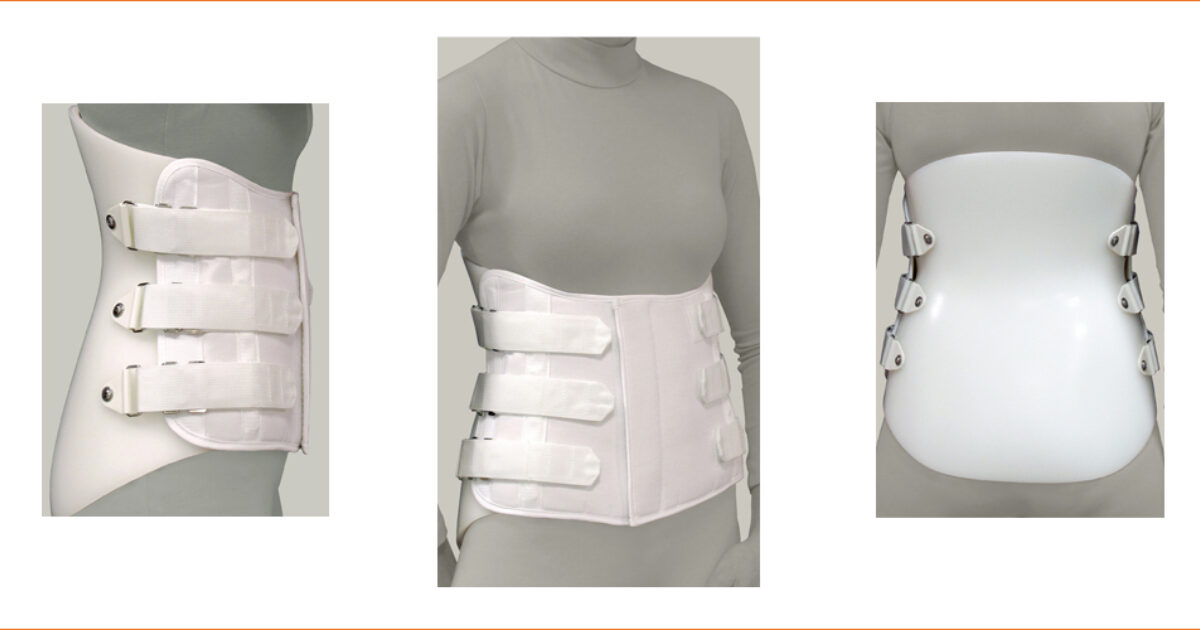
The Lumbosacral Orthosis (LSO) Corset: Your Comprehensive Guide to Spinal Support
The Lumbosacral Orthosis (LSO) Corset is a critically important medical device designed to provide support, stability, and pain relief for the lower back. Often prescribed by orthopedic specialists, physical therapists, and spine surgeons, this specialized brace plays a pivotal role in managing a wide array of lumbosacral conditions, from acute injuries to chronic pain and post-surgical recovery. Understanding the intricacies of its design, application, and proper usage is essential for maximizing its therapeutic benefits and ensuring optimal patient outcomes.
This comprehensive guide delves deep into the world of LSO Corsets, offering an authoritative perspective on its technical specifications, clinical applications, biomechanical principles, and practical aspects of care. Whether you are a patient seeking relief, a caregiver, or a healthcare professional, this resource aims to provide clarity and empower informed decision-making regarding this vital orthopedic device.
Deep-Dive into Technical Specifications & Mechanisms
An LSO Corset is engineered with precision to address the complex biomechanics of the lumbosacral spine. Its effectiveness stems from a sophisticated interplay of design, materials, and biomechanical principles.
Design and Materials
LSO Corsets come in various configurations, ranging from flexible to semi-rigid and rigid, each tailored to specific clinical needs. The choice of materials is crucial for both efficacy and patient comfort.
- Core Structure:
- Flexible Corsets: Typically made from elasticized fabrics (e.g., neoprene, elastic blends) with minimal or flexible stays. They offer compression and proprioceptive feedback but limited motion restriction.
- Semi-Rigid Corsets: Incorporate flexible fabrics with strategically placed rigid or semi-rigid plastic or metal stays/panels. These provide moderate support and restrict motion more effectively than flexible options.
- Rigid Corsets (True LSO Orthoses): Feature substantial rigid plastic panels (e.g., polypropylene, polyethylene) that are custom-molded or pre-fabricated to conform precisely to the patient's anatomy. These offer maximum immobilization and spinal control.
- Common Materials:
- Fabrics: Breathable, moisture-wicking materials like nylon, spandex, cotton blends, or specialized medical-grade elastic are used for the main body of the corset, ensuring comfort and reducing skin irritation.
- Rigid Components: High-density plastics such as polypropylene or polyethylene are commonly used for anterior, posterior, and lateral panels, providing structural integrity.
- Stays/Supports: Aluminum, steel, or fiberglass rods/stays are often integrated into the fabric or plastic panels to enhance rigidity and contouring.
- Closure Systems: Robust Velcro straps, buckles, and often innovative pulley systems (e.g., mechanical advantage pulley systems) are used for precise and effortless adjustment of compression and fit.
- Padding: Soft, breathable foam or fabric padding is used at pressure points to prevent skin breakdown and enhance comfort.
Biomechanics: How an LSO Corset Works
The therapeutic action of an LSO Corset is rooted in several key biomechanical principles that collectively contribute to spinal stabilization and pain reduction:
- Increased Intra-Abdominal Pressure (IAP): The circumferential compression applied by the LSO Corset increases pressure within the abdominal cavity. This elevated IAP acts as a hydraulic cylinder, providing an anterior support column that helps to unload stress on the lumbar vertebrae and intervertebral discs. This mechanism is particularly beneficial in reducing axial loading on the spine.
- Three-Point Pressure System: Rigid LSO designs often utilize a three-point pressure system to control specific spinal movements. For example, a posterior panel, an anterior panel, and lateral straps work in conjunction to limit flexion, extension, or lateral bending.
- Restriction of Motion: By encompassing the lower torso from the iliac crests to below the xiphoid process, an LSO Corset limits unwanted motion in the lumbosacral region. This includes restricting:
- Flexion: Bending forward.
- Extension: Bending backward.
- Lateral Bending: Bending sideways.
- Rotation: Twisting movements.
This immobilization allows injured tissues to heal, prevents further injury, and reduces mechanical stress on painful structures.
- Proprioceptive Feedback: The constant tactile input from the brace provides enhanced proprioception (awareness of body position). This feedback encourages patients to maintain proper posture and avoid movements that could exacerbate their condition, promoting safer movement patterns.
- Muscle Relaxation and Reduced Spasm: By providing external support, the LSO Corset can reduce the need for intrinsic back muscles to work overtime, leading to decreased muscle guarding and spasm, which are common sources of pain.
- Spinal Segment Targeting: While providing general lumbosacral support, the design of an LSO primarily targets the lumbar spine (L1-L5) and the sacrum (S1). Its inferior trim line typically sits just above the symphysis pubis and coccyx, while the superior trim line extends to the subxiphoid level, effectively encompassing the entire lumbar region.
Extensive Clinical Indications & Usage
The application of an LSO Corset is diverse, addressing a wide range of orthopedic and neurological conditions affecting the lower back.
Detailed Clinical Applications
- Degenerative Disc Disease (DDD) & Disc Herniation: Provides support, reduces painful motion, and helps unload compressed discs.
- Sciatica & Radiculopathy: Stabilizes the spine to reduce nerve root irritation caused by movement.
- Spondylolisthesis: Limits anterior slippage of one vertebra over another, providing stability and pain relief.
- Spinal Stenosis: Reduces lumbar extension, which can alleviate pressure on compressed neural structures.
- Lumbar Muscle Strains/Sprains: Offers support during acute phases, allowing muscles to rest and heal.
- Post-Surgical Stabilization: Crucial after spinal fusion, laminectomy, discectomy, or other lumbar surgeries to protect the surgical site, ensure proper healing, and prevent hardware failure.
- Vertebral Compression Fractures (Stable): Immobilizes the fractured vertebra to reduce pain and promote healing without significant displacement.
- Osteoporosis-Related Back Pain: Provides external support to reduce stress on osteoporotic vertebrae, minimizing pain and risk of further fractures.
- Chronic Lower Back Pain: Can be used as a temporary aid during flare-ups or for specific activities that exacerbate pain, though long-term dependence is generally discouraged without specific indications.
- Scoliosis (Adult Degenerative): May offer symptomatic relief by providing external support, though it does not correct the curve in adults.
Fitting and Usage Instructions
Proper fitting and consistent adherence to usage guidelines are paramount for the LSO Corset's effectiveness.
- Professional Fitting is Crucial: An orthopedic specialist, orthotist, or trained healthcare provider must custom-fit the LSO Corset. This ensures the correct size, contour, and type of brace for the individual's anatomy and condition.
- Donning (Putting On):
- Lie on your back on a firm surface, if possible, to ensure proper spinal alignment.
- Center the posterior panel on your lower back.
- Bring the anterior panel around and overlap the closures.
- Fasten the main closure straps, typically starting from the bottom, ensuring the brace is centered.
- Utilize the pulley system (if present) to achieve the prescribed level of compression. The brace should be snug but not uncomfortably tight, and it should not restrict breathing.
- Proper Placement:
- Superior Trim Line: Should sit just below the sternum/xiphoid process.
- Inferior Trim Line: Should rest comfortably above the hip bones (iliac crests) and pubic bone, encompassing the entire sacrum.
- The brace should not ride up when sitting or bending, nor should it dig into the groin or ribs.
- Wearing Schedule: Adhere strictly to your physician's prescribed wearing schedule. This may range from continuous wear (day and night, post-surgery) to intermittent wear during specific activities or for pain management.
- Activities While Wearing: Follow your doctor's recommendations regarding activities. While the brace provides support, it does not mean unrestricted activity. Avoid heavy lifting, twisting, or strenuous movements unless specifically cleared.
Maintenance and Sterilization Protocols
Maintaining the cleanliness and integrity of your LSO Corset is vital for hygiene, durability, and skin health.
- Regular Cleaning:
- Frequency: Clean regularly, especially if worn directly against the skin or during activities causing perspiration.
- Method: Most fabric components can be hand-washed with mild soap (e.g., baby shampoo, mild detergent) and lukewarm water. Avoid harsh chemicals, bleach, or fabric softeners, as these can degrade materials.
- Rinsing: Rinse thoroughly to remove all soap residue.
- Drying: Air dry completely by laying flat or hanging. Do NOT machine wash, tumble dry, or expose to direct heat (e.g., sunlight, radiator), as this can warp plastic components and damage elastic.
- Cleaning Rigid Panels: Wipe down rigid plastic panels with a damp cloth and mild soap, then air dry.
- Inspection: Regularly inspect the brace for signs of wear and tear, such as frayed straps, stretched elastic, cracked plastic, or worn Velcro. Report any damage to your healthcare provider or orthotist, as a compromised brace may lose its effectiveness.
- Storage: Store the brace in a clean, dry place away from direct sunlight or extreme temperatures when not in use.
Risks, Side Effects, or Contraindications
While highly beneficial, the use of an LSO Corset is not without potential risks or side effects, and certain conditions may contraindicate its use.
Potential Risks and Side Effects
- Skin Irritation and Breakdown: Prolonged pressure, friction, heat, and moisture can lead to redness, rashes, pressure sores, or skin breakdown, especially at bony prominences.
- Muscle Atrophy and Dependence: Over-reliance on the brace for extended periods without complementary physical therapy can lead to weakening of core and back muscles, potentially fostering dependence and exacerbating long-term pain.
- Discomfort and Pain: Improper fitting can cause localized pain, nerve compression, or exacerbate existing discomfort.
- Increased Intra-Abdominal Pressure (IAP): While beneficial for spinal unloading, significantly increased IAP can be problematic for individuals with certain conditions such as severe reflux, hiatal hernia, or some cardiac conditions.
- Respiratory Compromise: An overly tight brace, particularly in individuals with pre-existing respiratory issues, can restrict chest expansion and lead to breathing difficulties.
- Digestive Issues: In rare cases, extreme compression can contribute to feelings of bloating or indigestion.
- Psychological Dependence: Some patients may develop a psychological reliance on the brace, hindering their progress in strengthening their own core musculature.
Contraindications
- Unstable Spinal Fractures: In cases of highly unstable fractures where significant spinal motion could cause neurological damage, an LSO Corset may be insufficient. More rigid or custom-designed orthoses (e.g., TLSO) or surgical intervention may be required.
- Certain Abdominal Conditions: Conditions exacerbated by increased intra-abdominal pressure, such as severe uncontrolled hypertension, certain types of hernias, or recent abdominal surgery, may contraindicate LSO use.
- Severe Respiratory Compromise: Patients with severe chronic obstructive pulmonary disease (COPD) or other conditions limiting lung capacity may find an LSO restrictive.
- Poor Skin Integrity: Open wounds, severe skin infections, or significant dermatological conditions in the area where the brace would sit are contraindications until resolved.
- Allergy to Materials: Rare, but an allergy to the brace materials would necessitate an alternative.
Always discuss your full medical history and any concerns with your healthcare provider before using an LSO Corset.
Frequently Asked Questions (FAQ)
1. What is an LSO Corset?
An LSO Corset, or Lumbosacral Orthosis Corset, is a medical back brace designed to provide support, stabilize the lower back (lumbar and sacral regions), and limit spinal motion to reduce pain and facilitate healing from various injuries or conditions.
2. How does an LSO Corset work?
It works by increasing intra-abdominal pressure, creating a three-point pressure system, and physically restricting movements like bending and twisting. This reduces stress on the spine, supports injured tissues, and provides proprioceptive feedback for better posture.
3. Who needs an LSO Corset?
Individuals with conditions such as degenerative disc disease, sciatica, spondylolisthesis, spinal stenosis, lumbar strains, stable compression fractures, or those recovering from lumbar spine surgery often benefit from an LSO Corset.
4. How long should I wear my LSO Corset?
The duration of wear is highly individualized and determined by your physician. It can range from a few weeks for acute injuries to several months post-surgery, or intermittently for chronic pain management. Always follow your doctor's specific instructions.
5. Can I sleep with my LSO Corset on?
In certain post-surgical or acute injury cases, your doctor may recommend sleeping with the LSO Corset. However, for most conditions, it's typically removed at night. Always consult your healthcare provider for specific guidance.
6. How do I clean my LSO Corset?
Most LSO Corsets can be hand-washed with mild soap and lukewarm water. Avoid harsh detergents, bleach, or machine washing. Rinse thoroughly and air dry completely, away from direct heat or sunlight, to prevent material damage.
7. What are the potential side effects of wearing an LSO Corset?
Potential side effects include skin irritation, pressure sores, muscle weakness if overused, discomfort, and in rare cases, increased intra-abdominal pressure that may affect certain medical conditions. Proper fitting and adherence to instructions minimize these risks.
8. Can I exercise while wearing my LSO Corset?
Light, prescribed exercises or physical therapy may be performed while wearing the brace, especially if it's designed for motion restriction during activity. However, strenuous exercise, heavy lifting, or twisting movements are generally discouraged. Always follow your physical therapist's and doctor's advice.
9. Is an LSO Corset covered by insurance?
Many insurance plans, including Medicare and private health insurance, often cover LSO Corsets when deemed medically necessary and prescribed by a physician. Coverage can vary widely, so it's essential to check with your specific insurance provider.
10. How is an LSO Corset different from a regular back brace?
An LSO Corset is a specific type of orthopedic brace designed for the lumbosacral region, offering targeted support and often significant motion restriction. "Regular back brace" is a broader term that can include less restrictive, off-the-shelf supports for general back pain, which may not provide the same level of immobilization or therapeutic benefit as a prescribed LSO.
11. How do I know if my LSO Corset is fitted correctly?
A correctly fitted LSO Corset should be snug but not painful, centered on your back, and extend from just below your sternum to above your hip bones. It should limit unwanted spinal motion without restricting breathing or causing excessive pressure points. A professional fitting is essential to ensure proper fit.
12. Will an LSO Corset weaken my back muscles?
If worn for prolonged periods without concurrent physical therapy or as directed by a physician, an LSO Corset can potentially lead to some muscle weakness or dependence. It's crucial to balance brace usage with exercises designed to strengthen your core and back muscles to prevent atrophy and promote long-term spinal health.