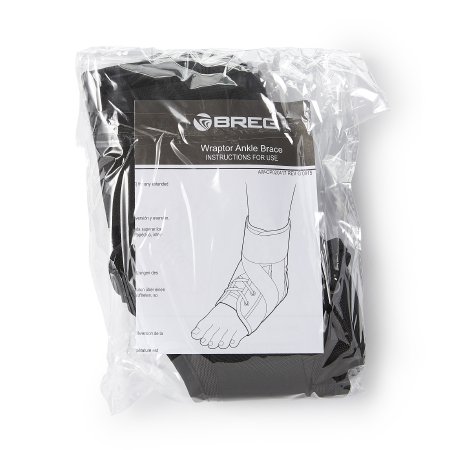
The Definitive Guide to the Lace-Up Ankle Brace (ASO Style)
Comprehensive Introduction & Overview
The ankle joint, a complex articulation of bones, ligaments, and tendons, is highly susceptible to injury, particularly sprains. For decades, clinicians and athletes alike have sought effective solutions for preventing, treating, and rehabilitating ankle injuries. Among the myriad of available orthopedic supports, the Lace-Up Ankle Brace, particularly the ASO (Ankle Stabilizing Orthosis) style, has emerged as a gold standard. Renowned for its unique blend of customizable support, durability, and a low-profile design, it offers a crucial interface between protective immobilization and functional mobility.
An ASO-style lace-up ankle brace is a non-rigid, external support device meticulously engineered to mimic the stabilizing effects of athletic taping while offering superior comfort, reusability, and consistent support. Its design integrates a traditional lace-up closure with supplementary figure-8 strapping, creating a robust yet flexible architecture that champions both prophylactic use and post-injury rehabilitation. This guide will delve deep into the intricacies of this indispensable orthopedic device, exploring its design, clinical applications, biomechanical advantages, and the transformative impact it has on patient outcomes.
Deep-Dive into Technical Specifications & Mechanisms
The efficacy of the lace-up ankle brace lies in its sophisticated design and the biomechanical principles it leverages. Understanding these elements is paramount for both healthcare providers and patients.
Design and Materials
The typical ASO-style lace-up ankle brace is a marvel of ergonomic and material science, crafted to deliver maximum support with minimal bulk.
- Lace-Up Closure System: This is the foundational element, allowing for highly customizable compression and snugness around the ankle. The ability to individually adjust the tension across the foot and ankle ensures a personalized fit, accommodating various foot anatomies and swelling levels.
- Figure-8 Strapping System: This critical feature replicates the inversion/eversion control provided by traditional athletic taping. Non-stretch, stirrup straps wrap from the sides of the brace, crossing under the arch of the foot, and then securing around the ankle, effectively limiting excessive lateral and medial movement without significantly hindering plantarflexion and dorsiflexion.
- Durable, Breathable Fabrics: High-quality braces are typically constructed from ballistic nylon, neoprene, or advanced synthetic blends. These materials are chosen for their:
- Durability: Withstanding repetitive stress and prolonged use.
- Breathability: Minimizing heat and moisture buildup, enhancing patient comfort.
- Lightweight Nature: Ensuring the brace doesn't add undue bulk or weight, allowing it to fit comfortably within athletic footwear.
- Medial/Lateral Stays (Optional/Integrated): Some advanced designs incorporate semi-rigid or flexible stays along the medial and lateral aspects of the ankle. These often contribute additional support against inversion and eversion without the rigidity of a fully hinged brace. They are typically integrated into the fabric or are removable.
- Low-Profile Design: A hallmark of the ASO style is its ability to integrate seamlessly into most athletic and casual shoes, making it a practical choice for daily wear and sports activities.
Biomechanics of Ankle Stabilization
The lace-up ankle brace functions by providing both mechanical stabilization and proprioceptive feedback.
- Mechanical Restriction: The combination of the lace-up system and figure-8 straps physically limits excessive ranges of motion, particularly inversion (foot turning inward) and eversion (foot turning outward), which are the primary mechanisms of ankle sprains. While restricting these injurious movements, the design intelligently permits controlled plantarflexion (pointing toes down) and dorsiflexion (pointing toes up), crucial for walking, running, and jumping.
- Proprioception Enhancement: The constant compression and tactile feedback from the brace stimulate mechanoreceptors in the skin and underlying tissues. This enhanced proprioceptive input improves the brain's awareness of the ankle's position in space, leading to quicker and more accurate neuromuscular responses to destabilizing forces. This "neuromuscular training" aspect is vital for preventing re-injury.
- Shear Force Reduction: By providing external stability, the brace reduces the internal shear forces on the ankle ligaments and capsules, allowing injured tissues to heal in a protected environment and preventing undue strain during activity.
- Comparison to Athletic Taping: While athletic taping offers immediate support, its effectiveness diminishes rapidly due to stretching and loosening. Lace-up braces, in contrast, maintain consistent support, are easily adjustable, reusable, and offer a more hygienic solution over extended periods.
Mechanism of Action Summary
| Feature | Mechanism of Action | Benefit |
|---|---|---|
| Lace-Up Closure | Customizable circumferential compression; individualized fit. | Precise support, edema control, comfort. |
| Figure-8 Straps | Mechanical limitation of inversion/eversion; simulates ligamentous support. | Prevents sprains, protects healing ligaments. |
| Proprioceptive Input | Tactile feedback to mechanoreceptors. | Enhanced joint position awareness, improved neuromuscular control. |
| Durable Fabrics | Structural integrity, resistance to stretching. | Consistent, long-lasting support. |
| Low-Profile Design | Minimal bulk, fits inside footwear. | Practical for daily use, sports, patient compliance. |
Extensive Clinical Indications & Usage
The versatility and effectiveness of the lace-up ankle brace make it an indispensable tool across a broad spectrum of orthopedic and sports medicine applications.
Primary Indications
- Acute Ankle Sprains (Grade I, II, III): Following the initial acute phase (RICE protocol), the brace provides crucial support during the sub-acute and rehabilitation phases, protecting healing ligaments while allowing controlled movement.
- Chronic Ankle Instability (CAI): For individuals who experience recurrent ankle sprains or a persistent feeling of "giving way," the brace offers mechanical stability and proprioceptive feedback to break the cycle of instability.
- Prophylactic Use in Athletes: Athletes in high-risk sports (e.g., basketball, soccer, volleyball, trail running) often use these braces to prevent initial or recurrent ankle injuries, acting as an external protective shield.
- Post-Operative Support: After surgical interventions such as ankle ligament repair, tendon reconstruction, or fracture stabilization (following cast removal), the brace facilitates a safe transition from rigid immobilization to functional rehabilitation.
- Osteoarthritis of the Ankle: In mild to moderate cases, the brace can provide supportive compression, reduce pain by limiting excessive motion, and improve functional stability.
- Tendonitis (Achilles, Peroneal): By stabilizing the ankle joint and reducing strain on the affected tendons, the brace can aid in the healing process and pain management.
Detailed Surgical or Clinical Applications
The lace-up ankle brace plays a pivotal role in the continuum of care for various orthopedic conditions:
- Post-Arthroscopy: After diagnostic or therapeutic ankle arthroscopy, the brace provides gentle compression to manage swelling and offers basic support as the patient begins weight-bearing and early range of motion exercises.
- Following ORIF (Open Reduction Internal Fixation) of Malleolar Fractures: Once initial rigid immobilization (cast or boot) is no longer required and sufficient bone healing has occurred, transitioning to a lace-up brace allows for increased mobility and protection during the crucial early stages of rehabilitation, preventing reinjury during activities of daily living and supervised exercise.
- Ligament Reconstruction: For patients undergoing surgical reconstruction of ankle ligaments (e.g., Broström procedure), the brace acts as a protective barrier, safeguarding the newly repaired or reconstructed ligaments from undue stress and excessive motion during the progressive rehabilitation phases. It helps ensure the graft or repair heals under optimal conditions.
- Rehabilitation Phases: Throughout the structured rehabilitation process, the brace can be adapted. Initially, it provides maximal support; as strength and stability improve, its use might be tapered or reserved for higher-impact activities, facilitating a gradual, safe return to full function.
Fitting and Usage Instructions
Proper fitting and consistent usage are critical for the brace's effectiveness and patient comfort.
- Preparation: Always wear a clean, moisture-wicking sock underneath the brace to prevent skin irritation and absorb sweat.
- Donning the Brace:
- Open all laces and straps completely.
- Slide your foot into the brace as you would a shoe. Ensure your heel is seated firmly at the back of the brace.
- Lacing:
- Begin lacing from the bottom (toes) upwards, ensuring each eyelet is tightened snugly but not uncomfortably tight. The goal is firm, even compression without restricting circulation or causing discomfort.
- Tie a secure knot at the top.
- Applying Figure-8 Straps:
- Starting with the strap on the outside (lateral) of your foot, pull it across the top of your foot, under the arch, and up the inside (medial) of your ankle. Secure it to the corresponding velcro patch on the upper part of the brace.
- Repeat with the strap on the inside (medial) of your foot, pulling it across the top, under the arch, and up the outside (lateral) of your ankle. Secure it.
- These straps should feel supportive, mimicking the protective "lock" of athletic tape, limiting inversion/eversion.
- Final Check: Stand up and walk a few steps. The brace should feel supportive and comfortable, allowing for normal walking without pinching, rubbing, or excessive pressure. Your toes should not feel numb or tingly, indicating compromised circulation.
- When to Wear: As prescribed by your healthcare provider. This may include during all weight-bearing activities, specific sports, or for a set duration during recovery.
- Duration of Wear: Varies based on injury severity, healing progress, and activity level. It can range from weeks post-injury to long-term prophylactic use.
Patient Outcome Improvements
The consistent and appropriate use of lace-up ankle braces significantly contributes to superior patient outcomes:
- Reduced Pain: By stabilizing the joint and limiting painful movements, the brace effectively reduces discomfort associated with acute injuries and chronic instability.
- Improved Stability and Confidence: Patients report a greater sense of security and confidence in their ankle, enabling them to engage in daily activities and sports with less apprehension.
- Faster Return to Activity/Sport: The controlled protection offered by the brace facilitates earlier, safer engagement in rehabilitation exercises and a quicker, more confident return to pre-injury activity levels.
- Prevention of Re-injury: For individuals with a history of ankle sprains, prophylactic bracing significantly lowers the risk of recurrent injuries, preserving long-term ankle health.
- Enhanced Proprioception: Improved joint awareness helps retrain the body's natural protective mechanisms, reducing future injury risk even when not wearing the brace.
- Reduced Swelling: The circumferential compression provided by the lace-up system aids in managing and reducing post-injury edema.
Risks, Side Effects, or Contraindications
While highly beneficial, it's crucial to be aware of potential risks, side effects, and situations where a lace-up ankle brace might not be appropriate.
Risks and Side Effects
- Skin Irritation, Chafing, or Blistering: Most commonly caused by improper fit (too loose or too tight), prolonged wear without proper hygiene, or material sensitivity. Ensuring a snug, even fit and wearing a clean sock can mitigate this.
- Increased Swelling (Tourniquet Effect): If the brace is laced too tightly, it can impede venous and lymphatic return, potentially increasing swelling distally (in the foot and toes). This can also lead to numbness or tingling.
- Muscle Atrophy/Dependence: Over-reliance on the brace without concurrent strengthening and balance exercises can, in theory, lead to a reduction in intrinsic ankle muscle strength. A well-structured rehabilitation program should always accompany brace use. Psychological dependence can also occur.
- Decreased Range of Motion (ROM): While designed to allow functional ROM, an improperly fitted or excessively tight brace can restrict necessary ankle movements, potentially hindering rehabilitation goals.
- Allergic Reactions: Rare, but some individuals may experience skin reactions to specific brace materials (e.g., neoprene, certain adhesives).
Contraindications
It is imperative that a healthcare professional assesses the injury or condition before recommending a lace-up ankle brace. Some situations where it may be contraindicated include:
- Severe Open Wounds or Skin Infections: The brace should not be applied over active infections or unhealed open wounds, as it can exacerbate the condition or impede healing.
- Unstable Fractures Requiring Rigid Immobilization: For acute, unstable fractures (e.g., displaced malleolar fractures), a lace-up brace provides insufficient immobilization. A cast, walking boot, or surgical fixation is typically required. The brace may be used later in the recovery process.
- Peripheral Vascular Disease (PVD) with Compromised Circulation: Any device that applies significant compression must be used with extreme caution in patients with compromised blood flow to the lower extremities, as it could worsen ischemia.
- Severe Nerve Impingement: If the brace aggravates nerve symptoms (e.g., increased numbness, tingling, weakness), its use should be discontinued.
- Acute Compartment Syndrome: A medical emergency where increased pressure within a muscle compartment compromises circulation. A brace would be absolutely contraindicated.
- Uncorrected Severe Deformities: In some cases of severe ankle deformity, a standard lace-up brace may not fit correctly or provide adequate support, necessitating custom orthotics or alternative bracing solutions.
Massive FAQ Section
Q1: What is an ASO-style ankle brace?
An ASO-style ankle brace is a non-rigid, external orthopedic support device that combines a traditional lace-up closure with supplementary figure-8 straps. It's designed to provide mechanical stability, proprioceptive feedback, and compression to the ankle joint, mimicking the support of athletic taping but with greater durability, reusability, and adjustability.
Q2: How does a lace-up ankle brace differ from athletic tape?
While both provide support, lace-up braces offer consistent, adjustable support over time, whereas athletic tape stretches and loses effectiveness quickly. Braces are reusable, more hygienic, and easier to apply and remove, making them a more practical long-term solution for rehabilitation and prophylactic use.
Q3: Can I wear my lace-up ankle brace over a sock?
Yes, it is highly recommended to wear a clean, moisture-wicking sock underneath your lace-up ankle brace. This helps prevent skin irritation, chafing, and absorbs sweat, enhancing comfort and hygiene.
Q4: How do I clean and maintain my lace-up ankle brace?
To maintain hygiene and extend the life of your brace:
* Hand wash: Use mild soap (e.g., dish soap or gentle detergent) and cold water.
* Rinse thoroughly: Ensure all soap residue is removed.
* Air dry: Lay flat or hang to air dry completely. Do NOT use a machine dryer, as high heat can damage the materials and elastic components.
* Do NOT bleach, iron, or dry clean.
* Inspect regularly: Check for signs of wear and tear, frayed laces, or compromised straps. Replace the brace if its supportive function is diminished.
Q5: How long should I wear my ankle brace?
The duration of wear depends on your specific injury, rehabilitation phase, and activity level, as prescribed by your healthcare professional. For acute sprains, it might be worn for several weeks during recovery. For chronic instability or prophylactic use in sports, it might be worn whenever engaging in high-risk activities. Always follow your doctor's or physical therapist's recommendations.
Q6: Is the lace-up ankle brace suitable for all sports?
Yes, the low-profile design of ASO-style lace-up braces makes them suitable for most sports, particularly those involving lateral movements, jumping, and quick changes in direction (e.g., basketball, soccer, volleyball, tennis, football). They fit comfortably inside most athletic footwear without hindering performance.
Q7: Will wearing an ankle brace weaken my ankle muscles?
When used as part of a comprehensive rehabilitation program that includes strengthening and balance exercises, a lace-up ankle brace will not weaken your ankle. Its purpose is to provide external support while your internal muscles are recovering or being trained. Over-reliance without exercise, however, could theoretically lead to muscle disuse.
Q8: How tight should I lace my ankle brace?
Lace your brace snugly, ensuring firm, even compression around your ankle. It should feel supportive and secure, but not uncomfortably tight, restrictive, or cause any numbness, tingling, or increased swelling in your foot or toes. You should be able to comfortably wiggle your toes.
Q9: When should I not use a lace-up ankle brace?
You should avoid using a lace-up ankle brace if you have severe open wounds, active skin infections, unstable fractures requiring rigid immobilization (like a cast), severe circulatory problems in your lower leg, or if its use causes increased pain or nerve symptoms. Always consult a healthcare professional before use.
Q10: Can children use ASO-style ankle braces?
Yes, many manufacturers offer pediatric sizes for ASO-style braces. They are often recommended for young athletes to prevent injuries or for children recovering from ankle sprains, provided they are properly fitted by a healthcare professional.
Q11: What's the difference between a lace-up and a rigid stirrup brace?
A lace-up brace (like ASO style) provides semi-rigid to flexible support, allowing more functional range of motion, and relies on its lacing and strapping system for compression and stability. A rigid stirrup brace (often with hinges or solid plastic shells) offers more rigid immobilization, typically used for more severe injuries or immediate post-operative protection where motion needs to be strictly limited.
Q12: Does a lace-up ankle brace help with chronic ankle instability?
Absolutely. Lace-up ankle braces are a primary non-surgical intervention for chronic ankle instability. They provide essential mechanical support to prevent recurrent sprains and enhance proprioceptive feedback, helping to retrain the ankle's natural stabilizers and improve overall confidence during activity.
Q13: Are lace-up ankle braces covered by insurance?
Coverage for orthopedic braces can vary significantly depending on your insurance provider and specific policy. It's best to check directly with your insurance company and obtain a prescription from your doctor, as this often increases the likelihood of coverage.