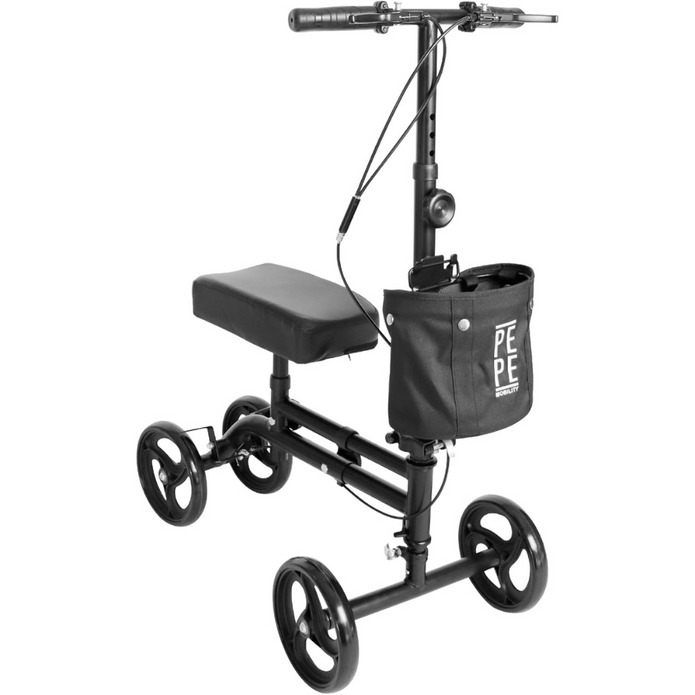
The Knee Scooter (Knee Walker): An Essential Orthopedic Mobility Aid
As an orthopedic specialist and medical SEO copywriter, I understand the critical need for effective, safe, and comfortable mobility solutions during recovery from lower limb injuries or surgeries. The knee scooter, often referred to as a knee walker, has emerged as a superior alternative to traditional crutches, offering enhanced independence and reducing the physical strain associated with non-weight-bearing protocols. This comprehensive guide delves into every aspect of the knee scooter, from its intricate design and biomechanical advantages to its extensive clinical applications, proper usage, and maintenance.
Comprehensive Introduction & Overview
A knee scooter is a four-wheeled (or sometimes three-wheeled) mobility device designed to support the injured lower leg in a bent, non-weight-bearing position while allowing the user to propel themselves using their uninjured leg. It provides a stable, comfortable, and efficient means of navigating various environments, significantly improving the quality of life for patients undergoing recovery.
The primary goal of a knee scooter is to facilitate mobility for individuals who cannot bear weight on their foot or ankle due to injury, surgery, or chronic conditions. Unlike crutches, which demand significant upper body strength and coordination, and often lead to secondary injuries like wrist pain or axillary nerve damage, knee scooters distribute weight more evenly and allow for a more natural, upright posture. This translates into greater patient compliance with non-weight-bearing instructions, reduced fatigue, and a safer recovery process.
Deep-Dive into Technical Specifications & Mechanisms
The efficacy and safety of a knee scooter are rooted in its thoughtful design and robust construction. Understanding these technical aspects is crucial for both practitioners recommending the device and patients utilizing it.
Design and Materials
Knee scooters are engineered for stability, durability, and user comfort, incorporating several key components:
- Frame: Typically constructed from lightweight yet strong materials such as steel or aluminum. Aluminum frames offer superior portability, while steel frames often provide enhanced durability and higher weight capacities.
- Wheels: Most models feature four wheels for maximum stability, though some three-wheeled versions exist for increased maneuverability in tight spaces.
- Wheel Material: Solid rubber wheels are common for indoor use, offering good traction and durability. Pneumatic (air-filled) tires are superior for outdoor use, providing better shock absorption over uneven terrain.
- Wheel Size: Larger wheels (e.g., 8-10 inches) generally perform better outdoors and over small obstacles.
- Steering Mechanism:
- Tiller-Style Steering: Similar to a bicycle, allowing for precise control and wide turning radii.
- Pivot Steering: Offers tighter turning capabilities, ideal for navigating confined indoor spaces.
- Braking System:
- Hand Brakes: Lever-style brakes, often with a parking brake feature to lock the wheels when stationary, ensuring safety during transfers or rest.
- Disc Brakes: Found on higher-end models, offering superior stopping power and control.
- Knee Pad: The central component for support.
- Material: Contoured, padded foam or gel for comfort and pressure distribution.
- Adjustability: Height-adjustable to accommodate various user heights and ensure proper hip alignment. Some pads also pivot or are designed for left/right leg specific use.
- Handlebars: Height-adjustable, often with ergonomic grips to reduce hand fatigue and provide comfortable steering.
- Accessories: Many models include a detachable basket for personal items, a cup holder, or reflectors for visibility.
Biomechanics of Knee Scooter Usage
The biomechanical advantages of a knee scooter are significant, particularly when compared to crutches:
- Weight Distribution: The injured limb's weight is fully supported by the knee pad and transferred through the robust frame to the stable wheel base. This ensures complete non-weight bearing on the foot/ankle, which is critical for healing.
- Gait Mechanics: Propulsion is achieved by the uninjured leg, mimicking a natural walking motion. This maintains muscle engagement in the healthy limb and promotes a more symmetrical gait pattern than the lurching motion often seen with crutches.
- Posture: Users maintain an upright posture, which reduces strain on the back, hips, and shoulders. This contrasts sharply with the often stooped or asymmetrical posture adopted when using crutches, which can lead to secondary musculoskeletal issues.
- Reduced Joint Stress: By eliminating the need for upper limb weight bearing, knee scooters protect the wrists, elbows, and shoulders from the repetitive stress and potential nerve compression associated with crutch use. This is particularly beneficial for patients with pre-existing upper body conditions or limited upper body strength.
- Energy Expenditure: Studies suggest that using a knee scooter requires less energy expenditure than crutches, contributing to reduced fatigue and improved endurance during recovery.
Extensive Clinical Indications & Usage
The knee scooter is a versatile device indicated for a wide range of orthopedic conditions requiring non-weight bearing on the lower extremity.
Detailed Surgical Applications
Knee scooters are invaluable post-operatively, facilitating mobility while protecting surgical repairs.
- Foot & Ankle Surgery:
- Bunionectomies and Hammertoe Repairs: Essential for protecting delicate forefoot corrections.
- Achilles Tendon Repair: Allows for controlled non-weight bearing during the critical initial healing phases.
- Ankle Fusions (Arthrodesis) and Reconstructions: Crucial for ensuring complete immobilization and fusion.
- Fracture Fixation: Post-surgical management of metatarsal, calcaneal, talus, or distal tibia/fibula fractures where the foot/ankle must remain non-weight bearing.
- Ligament Repairs: Post-operative care for severe ankle sprain repairs.
- Lower Leg Trauma: While less common for direct tibial/fibular shaft fractures (which often require knee immobilization), it can be used for distal fractures affecting the ankle joint, provided the knee can be bent.
- Diabetic Foot Ulcer Management: Post-debridement or reconstruction of diabetic foot ulcers, where offloading is paramount to prevent recurrence and promote healing.
Non-Surgical Applications
Beyond surgery, knee scooters offer significant benefits for conservative management of various conditions:
- Acute Injuries:
- Severe Ankle Sprains/Strains: Especially Grade II or III sprains requiring prolonged non-weight bearing.
- Stress Fractures: Of the foot or ankle, allowing activity without compromising bone healing.
- Acute Gout Flares: Providing relief from painful weight bearing on an inflamed joint.
- Plantar Fasciitis/Tendinitis: In severe, refractory cases where complete offloading is temporarily necessary.
- Chronic Conditions:
- Charcot Foot: For offloading during acute phases to prevent collapse or ulceration.
- Osteomyelitis: During treatment where localized non-weight bearing is required.
- Post-Cast/Boot Removal: A transitional device to aid mobility before full weight bearing is permitted or comfortable.
- Amputee Rehabilitation: For individuals with partial foot amputations who require temporary offloading.
Fitting and Usage Instructions
Proper fitting and usage are paramount for safety and effectiveness.
- Assembly: Follow manufacturer instructions carefully. Most knee scooters are designed for straightforward assembly.
- Handlebar Height Adjustment:
- Stand upright with the injured leg bent and resting on the knee pad.
- Adjust the handlebars so they are at wrist level when your arms are relaxed at your sides. This allows for comfortable steering without stooping or reaching.
- Knee Pad Height Adjustment:
- Place the injured leg's knee onto the center of the knee pad, ensuring your hip is level with the hip of your uninjured leg.
- Your knee should be bent at approximately a 90-degree angle. Adjust the pad height so your hips are even, preventing compensatory leaning.
- Proper Stance:
- Place the knee of your injured leg firmly onto the knee pad, ensuring your shin and foot are elevated and completely off the ground.
- Use your uninjured leg to propel yourself forward, taking small, controlled steps.
- Steering and Braking:
- Practice steering in an open area to get a feel for the device's turning radius.
- Familiarize yourself with the hand brakes. Always engage the parking brake when standing still, transferring, or resting to prevent accidental rolling.
- Navigating Obstacles:
- Doorways: Approach straight on, use the handlebars to guide through.
- Ramps: Move slowly and use brakes for control, especially when descending.
- Uneven Surfaces/Rugs: Exercise extreme caution. It's often safer to lift the scooter over small rugs or avoid highly uneven terrain.
- Stairs: Knee scooters are NOT designed for stairs. Use alternative methods like scooting on your buttocks or having assistance.
- Weight Capacity: Always adhere to the manufacturer's specified weight limit to ensure stability and prevent structural failure.
Patient Outcome Improvements
The adoption of knee scooters has consistently shown positive impacts on patient recovery and overall well-being:
- Enhanced Mobility and Independence: Patients can perform daily tasks more easily, leading to greater autonomy and reduced reliance on caregivers.
- Reduced Pain and Discomfort: Alleviates the strain on the upper body and minimizes the discomfort often associated with crutches.
- Prevention of Secondary Injuries: Significantly reduces the risk of falls, wrist pain, shoulder strain, and nerve damage common with crutch use.
- Improved Psychological Well-being: Patients report less frustration, higher morale, and a greater sense of control over their recovery process.
- Faster Return to Daily Activities: The ease of use allows for a quicker reintegration into work, school, and social activities.
- Better Compliance: Patients are more likely to adhere to strict non-weight-bearing protocols due to the comfort and convenience of the device.
Maintenance & Sterilization Protocols
Proper maintenance ensures the longevity and safe operation of a knee scooter, especially critical in clinical settings or for rental services.
- Regular Cleaning:
- Frame: Wipe down with a damp cloth and mild detergent.
- Knee Pad: Clean with a disinfectant wipe or a cloth dampened with a mild, non-abrasive cleaner. For multi-patient use, hospital-grade disinfectants (e.g., quaternary ammonium compounds) should be used according to manufacturer guidelines for surface disinfection. Ensure the pad is thoroughly dried before next use.
- Handles: Clean with disinfectant wipes, paying attention to high-touch areas.
- Wheel Inspection:
- Regularly check wheels for wear and tear, debris, or damage. Remove any tangled hair or lint.
- For pneumatic tires, check tire pressure periodically and inflate as needed.
- Brake System Check:
- Test brakes before each use to ensure they engage smoothly and effectively.
- Check brake cables for fraying or looseness. Adjust tension if necessary (refer to manufacturer manual).
- Ensure the parking brake holds the scooter firmly in place.
- Fastener Tightening: Periodically check all bolts, screws, and quick-release mechanisms to ensure they are secure. Loose fasteners can compromise stability.
- Storage: Store the knee scooter in a clean, dry place away from extreme temperatures. Many models fold for compact storage.
- Professional Servicing: For rental fleets or prolonged use, consider periodic professional servicing to inspect critical components and perform necessary adjustments or repairs.
Risks, Side Effects, or Contraindications
While highly beneficial, knee scooters are not without potential risks or contraindications. Patient education is vital.
Risks and Side Effects
- Falls: The primary risk, especially on uneven surfaces, stairs (which should be avoided entirely), loose rugs, or when navigating tight spaces without proper control. Impaired balance or cognitive function can increase this risk.
- Collisions: Accidental bumping into furniture, doorways, or people, particularly in crowded environments.
- Skin Irritation/Pressure Sores: Prolonged use without proper positioning or padding can lead to skin breakdown on the knee or shin. Regular repositioning and checking skin integrity are important.
- Overuse Injuries: While reducing upper body strain, the uninjured leg and hip may experience increased fatigue or strain from propulsion.
- Numbness/Tingling: Improper knee pad height or angle can put pressure on nerves in the knee area, leading to temporary numbness or tingling.
Contraindications
- Inability to Bear Weight on Uninjured Leg: The device relies on the healthy limb for propulsion.
- Significant Balance Impairment: Patients with severe neurological conditions or inner ear issues that compromise balance may be at a higher risk of falls.
- Cognitive Impairment: Individuals who cannot understand or safely operate the device should not use it independently.
- Stairs as Primary Access: Knee scooters are not designed for stair negotiation. Alternative mobility solutions or assistance are required.
- Significant Upper Body Weakness: While less demanding than crutches, some upper body strength is needed for steering, braking, and maintaining balance.
- Weight Exceeding Device Capacity: Using a scooter beyond its specified weight limit can lead to instability and structural failure.
- Open Wounds or Active Infections on the Knee: The knee pad could exacerbate these conditions or spread infection.
Massive FAQ Section
Here are frequently asked questions about knee scooters, answered by an orthopedic specialist:
1. What is a knee scooter used for?
A knee scooter is used to provide mobility for individuals who cannot bear weight on their foot or ankle due to injury (e.g., fractures, severe sprains), surgery (e.g., bunionectomy, Achilles repair), or chronic conditions. It serves as an alternative to crutches, offering greater stability and comfort.
2. How is a knee scooter different from crutches?
Knee scooters offer several advantages over crutches, including superior stability, reduced strain on the upper body (wrists, shoulders, armpits), improved posture, and often greater independence. They allow for a more natural gait and reduce the risk of secondary injuries associated with crutch use.
3. Can I use a knee scooter on stairs?
No, knee scooters are explicitly not designed for use on stairs. Attempting to navigate stairs with a knee scooter is extremely dangerous and can lead to severe falls. For stairs, patients should use alternative methods such as scooting on their buttocks or relying on assistance.
4. How do I choose the right knee scooter for me?
Consider your environment (indoor vs. outdoor), duration of use, body weight, and specific injury. Look for features like adjustable handlebar and knee pad height, a stable braking system, appropriate wheel size (larger for outdoors), and overall durability. Consulting with your orthopedic specialist or physical therapist is recommended.
5. What is the correct way to set up my knee scooter?
Stand with your injured leg on the knee pad. Adjust the knee pad height so your hip is level with your uninjured hip and your knee is bent at roughly 90 degrees. Adjust the handlebars to wrist level when your arms are relaxed at your sides. Ensure all locking mechanisms are secure.
6. Is a knee scooter covered by insurance?
Coverage for knee scooters (often categorized as Durable Medical Equipment, DME) varies widely by insurance provider and policy. It's essential to check with your insurance company directly, obtain a prescription from your physician, and understand any co-pays or deductibles.
7. How long can I use a knee scooter?
The duration of knee scooter use depends entirely on your specific injury or surgical recovery protocol. Your orthopedic surgeon or physical therapist will provide guidance on when you can transition to partial weight-bearing or full weight-bearing activities. Some patients use them for weeks to several months.
8. Can I go outside with my knee scooter?
Yes, many knee scooters are suitable for outdoor use, especially those with larger, pneumatic (air-filled) tires. However, exercise extreme caution on uneven surfaces, gravel, grass, or inclines/declines. Always prioritize safety and avoid highly challenging terrain.
9. What are the common mistakes to avoid when using a knee scooter?
Common mistakes include: not adjusting the height correctly (leading to poor posture or instability), attempting to go down stairs, riding too fast, not engaging the parking brake when stationary, and trying to navigate over large obstacles or very uneven terrain.
10. How do I maintain my knee scooter?
Regular maintenance includes wiping down the frame and knee pad with a damp cloth or disinfectant, checking the wheels for debris and wear, testing the brakes for proper function, and ensuring all fasteners are tight. Refer to your owner's manual for specific instructions.
11. Are there different types of knee scooters?
Yes, there are various types including standard four-wheeled models, all-terrain models with larger pneumatic tires, steerable models (most common), and non-steerable models (less common). Some are also foldable for easier transport.
12. What if I experience knee pain while using the scooter?
If you experience knee pain on the scooter, first check if the knee pad height and position are correct. Ensure your knee is centered and well-padded. If pain persists, it could indicate improper fitting, prolonged use without breaks, or an underlying issue. Consult your physician or physical therapist for evaluation.