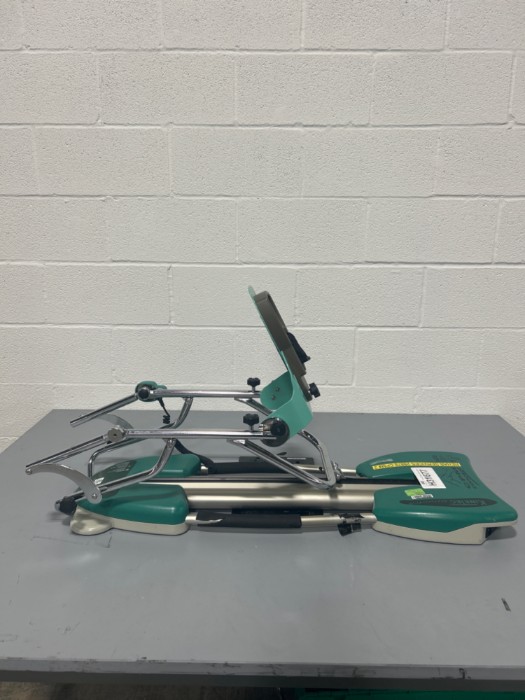
Knee CPM (Continuous Passive Motion) Machine: An Expert Guide to Post-Surgical Recovery
The journey to regaining full function after knee surgery can be challenging, often marked by pain, stiffness, and a prolonged rehabilitation period. In the realm of orthopedic rehabilitation, the Knee Continuous Passive Motion (CPM) machine stands as a cornerstone technology, designed to significantly improve patient outcomes by providing controlled, gentle movement to the knee joint without active muscle engagement. This comprehensive guide, penned by an expert Medical SEO Copywriter and Orthopedic Specialist, delves into every facet of the Knee CPM machine, from its intricate design to its profound impact on patient recovery.
Comprehensive Introduction & Overview
A Knee CPM machine is an electromechanical device used post-operatively to move the knee joint through a prescribed range of motion (ROM) for an extended period. The primary goal of CPM therapy is to prevent joint stiffness, reduce pain and swelling, and promote the healing of articular cartilage and soft tissues. By continuously and passively moving the joint, the CPM machine mimics natural physiological motion, facilitating the circulation of synovial fluid, which is crucial for cartilage nutrition and waste removal. This non-weight-bearing, controlled movement helps to prevent the formation of adhesions and scar tissue, which can severely limit joint mobility and prolong recovery.
Introduced in the late 1970s by Dr. Robert Salter, CPM therapy has evolved significantly, becoming a standard component of post-operative care for a wide array of knee surgeries. Its underlying principle is simple yet powerful: gentle, consistent motion is vital for joint health and recovery, especially when active movement is painful or contraindicated.
Deep-Dive into Technical Specifications & Mechanisms
Understanding the engineering and biomechanics behind the Knee CPM machine is key to appreciating its efficacy.
Design and Materials
Modern Knee CPM machines are engineered for both efficacy and patient comfort, incorporating advanced materials and user-friendly designs.
- Frame Construction:
- Materials: Typically constructed from lightweight yet durable aluminum alloys or robust steel, ensuring stability and longevity. Some advanced models may incorporate carbon fiber for reduced weight without compromising strength.
- Adjustability: Highly adjustable frame components accommodate a wide range of patient leg lengths and anatomical variations, ensuring proper alignment of the machine's axis of rotation with the patient's knee joint.
- Motor and Drive System:
- Precision Motor: Features a quiet, high-torque DC motor that provides smooth, consistent motion.
- Variable Speed Control: Allows clinicians to precisely set the speed of flexion and extension, ranging from very slow (e.g., 30 degrees per minute) to moderate (e.g., 120 degrees per minute), tailoring therapy to individual patient tolerance and surgical protocols.
- Safety Clutches/Force Limits: Integrated safety mechanisms prevent excessive force from being applied to the joint, protecting the patient in case of muscle spasm or obstruction.
- Padding and Straps:
- Comfort Padding: High-density foam padding, often covered with breathable, hypoallergenic, and antimicrobial fabric, ensures patient comfort during extended use. Padding is typically removable and washable for hygiene.
- Secure Straps: Adjustable hook-and-loop straps secure the patient's thigh and lower leg to the machine carriage, preventing slippage and maintaining proper alignment throughout the motion cycle.
- Control Interface:
- Digital Control Panel: Intuitive digital displays allow for precise programming of range of motion (e.g., -5 degrees extension to 120 degrees flexion), speed, and therapy duration.
- Patient Hand Control: Often includes a remote hand control with emergency stop buttons and simple start/stop functions, empowering the patient with a degree of control and safety.
- Programmable Features: Advanced models offer features like warm-up cycles, progressive ROM increases, and pause functions at terminal flexion/extension to enhance therapeutic effect.
- Portability: Many contemporary designs prioritize portability, featuring lightweight construction and integrated wheels for easy transport between hospital rooms or for home use.
Biomechanics of Continuous Passive Motion
The effectiveness of CPM therapy is rooted in its intricate biomechanical effects on the knee joint and surrounding tissues.
- Synovial Fluid Circulation: Passive motion acts as a pump, enhancing the circulation of synovial fluid within the joint. This is vital for delivering nutrients to avascular articular cartilage and menisci, and for removing metabolic waste products. Improved fluid dynamics also help reduce joint swelling.
- Cartilage Nutrition and Healing: By facilitating nutrient exchange, CPM promotes the metabolic activity of chondrocytes (cartilage cells). It has been shown to encourage organized collagen fiber alignment and potentially stimulate proteoglycan synthesis, both critical for cartilage repair and regeneration, particularly after microfracture or chondroplasty procedures.
- Prevention of Adhesions and Scar Tissue: Early, gentle motion prevents the haphazard deposition of collagen fibers that leads to dense, restrictive scar tissue (arthrofibrosis). CPM helps to orient collagen fibers along lines of stress, resulting in more pliable and functional scar tissue.
- Reduction of Edema and Pain: The pumping action of CPM aids in venous and lymphatic drainage, reducing post-operative swelling (edema). This reduction in pressure and inflammation often translates to decreased pain, allowing for earlier and more comfortable rehabilitation.
- Maintaining Joint Lubrication: Continuous motion helps maintain the lubricating properties of synovial fluid, reducing friction within the joint and protecting articular surfaces.
- Proprioceptive Input: While passive, the consistent movement provides proprioceptive input to the central nervous system, helping to re-educate the joint's sensory receptors without active muscle engagement.
Extensive Clinical Indications & Usage
The Knee CPM machine is a versatile tool in orthopedic rehabilitation, indicated for a broad spectrum of conditions and surgical interventions.
Detailed Surgical or Clinical Applications
CPM therapy is widely prescribed following numerous knee procedures:
- Total Knee Arthroplasty (TKA): A primary indication, CPM helps improve post-operative range of motion, reduce pain, and decrease the incidence of arthrofibrosis.
- Anterior Cruciate Ligament (ACL) Reconstruction: Facilitates early, controlled motion to prevent stiffness and promote graft healing while protecting the repair.
- Posterior Cruciate Ligament (PCL) Reconstruction: Similar to ACL, it aids in controlled motion and healing.
- Meniscus Repair: Protects the delicate meniscal repair while encouraging early ROM and reducing swelling.
- Articular Cartilage Repair Procedures:
- Microfracture: CPM is crucial for "chondralization" by ensuring continuous loading and unloading, which helps in the formation of fibrocartilage.
- Autologous Chondrocyte Implantation (ACI) / Osteochondral Autograft Transfer System (OATS): Provides a controlled environment for cartilage graft integration and maturation.
- Patellofemoral Realignments: Helps restore normal patellar tracking and prevents adhesions.
- Tibial Plateau Fractures (post-fixation): Once stable, CPM can initiate early ROM to prevent stiffness and aid in cartilage healing.
- Synovectomy: Reduces post-operative inflammation and prevents adhesions after removal of inflamed synovial tissue.
- Release of Arthrofibrosis: Used to maintain and improve ROM after surgical release of scar tissue.
- Severe Knee Stiffness/Contractures: Can be used non-surgically to gradually increase ROM.
- Burn Contractures Affecting the Knee: Helps to stretch and remodel scar tissue, improving joint flexibility.
Fitting and Usage Instructions
Proper setup and usage are paramount for maximizing the benefits of CPM therapy and ensuring patient safety.
- Patient Positioning: The patient is typically positioned supine (lying on their back) in a comfortable bed or treatment table. The machine should be placed alongside the affected leg.
- Machine Alignment:
- The CPM machine's axis of rotation must be carefully aligned with the patient's anatomical knee joint axis. This prevents shear forces and ensures physiological motion.
- Adjust the machine's length to match the patient's thigh and lower leg segments.
- Securing the Limb:
- Place the patient's heel in the designated heel cup.
- Secure the thigh and lower leg to the machine's carriage using the provided straps. Ensure straps are snug but not overly tight to avoid pressure points or circulatory compromise.
- Padding should be correctly positioned to maximize comfort and prevent skin irritation.
- Programming Parameters:
- Range of Motion (ROM): Set the initial ROM according to the surgeon's protocol (e.g., 0-30 degrees flexion). This is gradually increased daily as tolerated, often by 5-10 degrees per day, aiming for the target ROM (e.g., 0-90 or 0-120 degrees).
- Speed: Typically set to a slow, comfortable speed (e.g., 1-2 cycles per minute) to allow tissues to adapt without causing pain.
- Duration: Therapy sessions can range from 2-8 hours per day, often broken into multiple sessions, or continuous overnight use, depending on the protocol.
- Pause Times: Some protocols may include brief pauses at terminal flexion or extension to provide a gentle stretch.
- Monitoring and Patient Education:
- Continuously monitor the patient for comfort, pain levels, and any signs of skin irritation or nerve compression.
- Educate the patient on the purpose of the CPM, how to operate the remote control (especially the emergency stop), and what to expect during therapy. Encourage communication regarding discomfort.
- Instruct the patient to report any unusual pain, numbness, tingling, or skin changes immediately.
Maintenance and Sterilization Protocols
Maintaining the hygiene and functionality of CPM machines is critical, especially in a clinical setting.
- Routine Cleaning:
- Surfaces of the machine should be wiped down with hospital-grade disinfectant wipes or solutions between each patient use.
- Focus on areas of direct patient contact.
- Padding Management:
- Padded liners are typically designed for single-patient use or are removable and washable. Follow manufacturer guidelines for cleaning or replacement.
- Ensure padding is dry before reassembly to prevent microbial growth.
- Mechanical Inspection:
- Regularly check for signs of wear and tear on straps, cables, and moving parts.
- Ensure all safety mechanisms (e.g., emergency stop) are functional.
- Inspect power cords for damage.
- Calibration and Servicing:
- Periodic calibration by qualified biomedical technicians ensures the accuracy of ROM and speed settings.
- Adhere to manufacturer-recommended preventative maintenance schedules for motor inspection, lubrication, and general servicing.
- Storage: Store machines in a clean, dry environment, away from extreme temperatures and direct sunlight, following manufacturer guidelines.
Patient Outcome Improvements
The consistent application of CPM therapy has been shown to yield significant improvements in patient recovery metrics:
- Accelerated Recovery: Patients often achieve functional milestones faster than those relying solely on active physical therapy.
- Reduced Post-Operative Pain and Swelling: The pumping action reduces edema and inflammation, leading to less pain and a decreased reliance on analgesics.
- Prevention of Arthrofibrosis: By preventing the formation of dense scar tissue, CPM significantly reduces the risk of long-term joint stiffness.
- Improved Range of Motion (ROM): Consistent, controlled movement helps patients achieve and maintain a greater range of motion earlier in their rehabilitation.
- Decreased Hospital Stay: Faster recovery and reduced complications can contribute to shorter inpatient stays.
- Enhanced Cartilage Healing and Regeneration: Particularly beneficial for chondral defects, CPM provides a biomechanical environment conducive to cartilage repair.
- Faster Return to Functional Activities: Improved ROM and reduced pain facilitate an earlier return to daily activities, work, and sports.
- Reduced Need for Manipulation Under Anesthesia (MUA): By preventing stiffness, CPM can often negate the need for a secondary surgical procedure to break up scar tissue.
Risks, Side Effects, or Contraindications
While highly beneficial, CPM therapy is not without potential risks or situations where it should be avoided.
Risks and Side Effects
- Skin Irritation/Pressure Sores: Prolonged use or improper strapping can lead to skin breakdown, especially over bony prominences.
- Nerve Compression: Incorrect positioning or overly tight straps can compress superficial nerves, leading to numbness or tingling.
- Increased Pain: If the ROM is advanced too quickly or if the patient's pain tolerance is exceeded, CPM can exacerbate discomfort.
- Mechanical Failure: Equipment malfunction, though rare with proper maintenance, can occur.
- Infection: Poor hygiene or inadequate cleaning protocols can increase the risk of infection, particularly if there are open wounds.
- Deep Vein Thrombosis (DVT): While CPM generally promotes circulation, prolonged immobility in certain positions could theoretically contribute to DVT risk, although the motion itself is often considered protective. Prophylaxis is usually given in post-op settings.
Contraindications
Certain conditions or surgical scenarios preclude the use of CPM therapy:
- Unstable Fractures: If the fracture site is not adequately stabilized internally or externally, CPM could displace fragments or impede healing.
- Active Joint Infection: Movement could potentially spread the infection.
- Deep Vein Thrombosis (DVT) or Risk of Embolism: In patients with confirmed DVT or a very high risk of embolism, movement could dislodge a clot. Careful assessment and appropriate DVT prophylaxis are essential.
- Uncontrolled Pain: If the patient cannot tolerate the motion even at minimal settings, CPM should be discontinued or adjusted.
- Impaired Sensation: Patients with significant sensory deficits may not be able to report pain or discomfort, increasing the risk of injury.
- Certain Skin Grafts or Wounds: Specific types of skin grafts or large, fragile wounds around the knee might be compromised by continuous movement.
- Specific Surgical Protocols: Some highly specialized or experimental surgical procedures may have specific restrictions on early passive motion. Always follow the surgeon's explicit instructions.
Massive FAQ Section
Here are answers to frequently asked questions about Knee CPM machines:
Q1: What is a Knee CPM machine and why is it used after surgery?
A1: A Knee CPM (Continuous Passive Motion) machine is a device that gently and continuously moves your knee joint through a prescribed range of motion without you having to use your muscles. It's used after surgery to prevent stiffness, reduce swelling and pain, promote cartilage healing, and improve overall joint mobility by preventing the formation of scar tissue.
Q2: How long do I need to use the CPM machine each day, and for how many weeks?
A2: The duration of CPM use varies greatly depending on your surgeon's protocol, the type of surgery, and your individual progress. Typically, patients may use it for 2-8 hours a day, sometimes in multiple sessions, or even continuously overnight. The total duration can range from a few days to several weeks (e.g., 3-6 weeks) post-surgery. Always follow your doctor's specific instructions.
Q3: Does using a CPM machine hurt?
A3: CPM therapy should generally not be painful. The motion is designed to be gentle and controlled. You might feel a stretching sensation or mild discomfort as your range of motion increases, but sharp or increasing pain should be reported to your healthcare provider immediately. The settings can be adjusted to your comfort level.
Q4: Can I adjust the settings on the CPM machine myself?
A4: While some CPM machines have patient-friendly controls like an emergency stop button, the primary settings (range of motion, speed, duration) should typically be adjusted by your physical therapist or healthcare provider. They will gradually increase your range of motion based on your progress and tolerance, following your surgeon's orders.
Q5: What are the main benefits of using a Knee CPM machine?
A5: The key benefits include:
* Reduced post-operative pain and swelling.
* Prevention of joint stiffness and scar tissue formation (arthrofibrosis).
* Improved and maintained range of motion.
* Enhanced healing of articular cartilage and soft tissues.
* Accelerated recovery and return to functional activities.
* Decreased risk of complications like DVT.
Q6: Is the CPM machine covered by insurance?
A6: Coverage for CPM machines varies widely among insurance providers and plans. It often depends on the specific surgical procedure and medical necessity as determined by your physician. It's crucial to check with your insurance company and your healthcare provider's billing department before starting therapy to understand your coverage and potential out-of-pocket costs.
Q7: Can I sleep with the CPM machine on?
A7: In some cases, and according to specific surgeon protocols, patients may be instructed to use the CPM machine overnight. This continuous, prolonged motion can be particularly beneficial for certain cartilage repair procedures. However, this should only be done if explicitly recommended by your healthcare team, ensuring proper positioning and monitoring for comfort and safety.
Q8: How do I clean and maintain my CPM machine at home?
A8: For home use, you should regularly wipe down the machine's surfaces with a mild disinfectant solution or wipes. The padded liners are often removable and washable; follow the manufacturer's instructions for cleaning or replacement. Always ensure the machine is unplugged before cleaning. Report any mechanical issues or damage to the rental company or your healthcare provider.
Q9: What should I do if the machine stops working or I experience unusual symptoms?
A9: If the machine stops working, first check the power connection. If it doesn't resume, contact the rental company or your healthcare provider immediately. If you experience any unusual pain, numbness, tingling, skin irritation, or other concerning symptoms while using the machine, stop therapy immediately and contact your healthcare team.
Q10: Are there alternatives to a CPM machine for knee rehabilitation?
A10: Yes, alternatives and complementary therapies exist. These include active and passive range of motion exercises performed by a physical therapist or independently, manual therapy techniques, aquatic therapy, and various modalities to manage pain and swelling. The decision to use a CPM machine is based on the specific surgical procedure and the surgeon's preference, often in conjunction with other rehabilitation strategies.
Q11: When should I NOT use a Knee CPM machine?
A11: You should NOT use a Knee CPM machine if you have:
* An unstable fracture around the knee.
* An active infection in the joint.
* A diagnosed Deep Vein Thrombosis (DVT) or a high risk of embolism.
* Uncontrolled pain that worsens with motion.
* Certain types of skin grafts or fragile wounds that could be compromised by movement.
* Any other condition specifically contraindicated by your surgeon. Always consult your healthcare provider.
Q12: How does CPM therapy specifically help with cartilage healing?
A12: CPM therapy aids cartilage healing by several mechanisms:
* Nutrient Delivery: It enhances the circulation of synovial fluid, which is vital for delivering nutrients to the avascular articular cartilage.
* Waste Removal: It facilitates the removal of metabolic waste products from the joint.
* Collagen Organization: It encourages the proper alignment of collagen fibers during the healing process, leading to stronger, more functional repair tissue.
* Chondrocyte Stimulation: The gentle mechanical loading and unloading can stimulate chondrocytes (cartilage cells) to produce essential matrix components like proteoglycans.