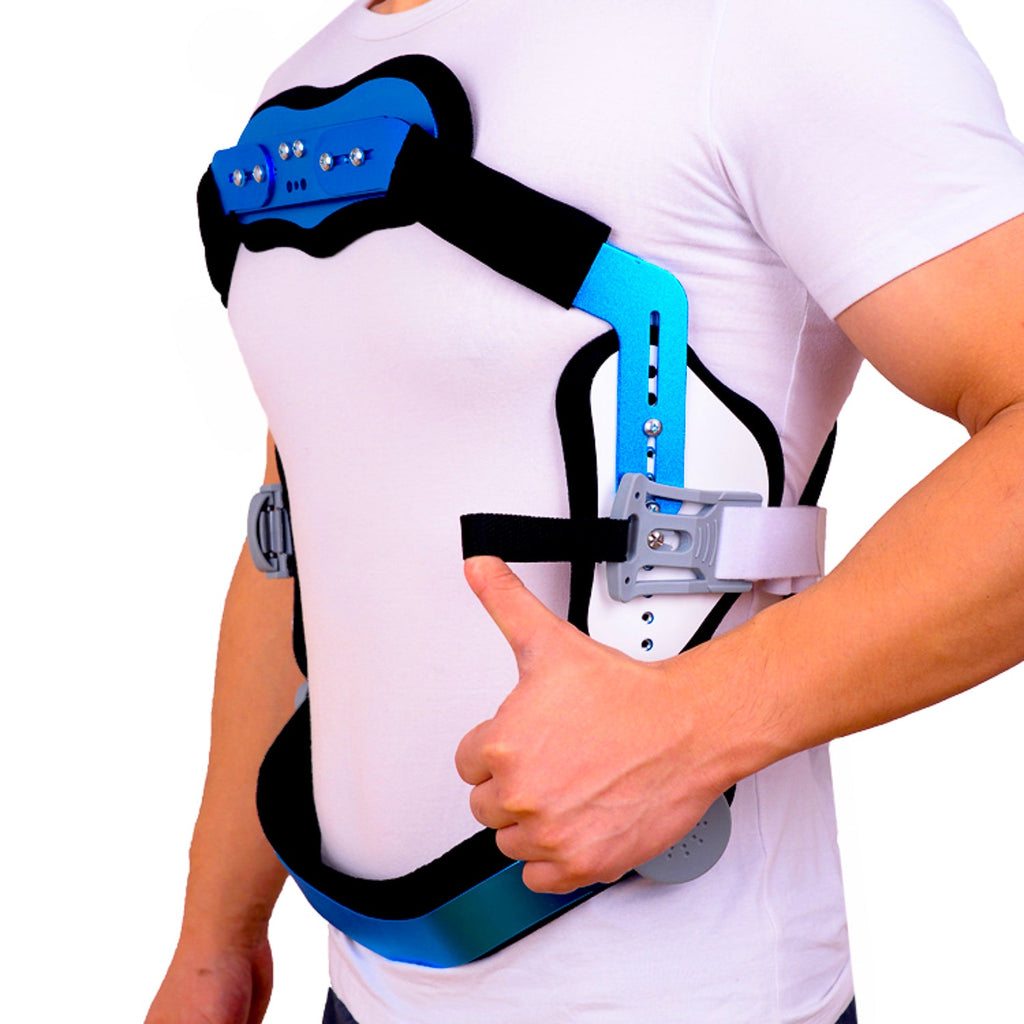
The Jewett Hyperextension Brace: A Comprehensive Orthopedic Guide
1. Comprehensive Introduction & Overview
The Jewett Hyperextension Brace is a cornerstone orthopedic device designed for the conservative management and post-operative stabilization of specific spinal conditions, primarily fractures of the thoracic and lumbar spine. Named after its inventor, F. Jewett, this brace has been a standard in spinal orthotics for decades, offering a non-invasive approach to support healing and prevent further injury.
At its core, the Jewett brace operates on a three-point pressure system, strategically applying pressure to the sternum (breastbone) and the pubic area anteriorly, while counteracting this with a single posterior pad over the mid-thoracic spine. This unique biomechanical design actively encourages spinal hyperextension, effectively preventing unwanted flexion (bending forward) and rotation, which are movements detrimental to a healing spine, particularly in the thoracolumbar region.
The primary purpose of the Jewett brace is to immobilize the injured segment of the spine, promoting a stable environment for bone healing, reducing pain, and preventing the progression of deformity. It is particularly effective for stable compression fractures, burst fractures, and certain post-surgical scenarios where controlled spinal alignment is crucial. Patients benefiting from this device often include those recovering from osteoporotic fractures, traumatic injuries, or specific spinal surgeries. This comprehensive guide will delve into the intricate details of the Jewett brace, from its design principles and biomechanics to its clinical applications, fitting protocols, maintenance, and the profound impact it has on patient outcomes.
2. Deep-dive into Technical Specifications & Mechanisms
Design and Materials
The Jewett Hyperextension Brace is engineered for both efficacy and patient comfort, utilizing a combination of robust and skin-friendly materials. Its design centers around the crucial three-point pressure system.
- Frame Construction:
- Material: The rigid frame is typically constructed from lightweight yet durable materials such as aluminum alloys, high-grade plastics (e.g., polyethylene, polypropylene), or advanced carbon fiber composites. These materials ensure structural integrity and resistance to deformation while minimizing overall weight for patient comfort.
- Shape: The anterior frame is often a single, rigid bar or a hinged structure that runs vertically along the patient's torso. This bar connects the sternal and suprapubic pads.
- Pads:
- Sternal Pad: Positioned over the sternum, just below the clavicles. It applies upward and backward pressure.
- Suprapubic Pad: Located just above the pubic bone. It applies upward and backward pressure.
- Posterior Pad: Situated over the mid-thoracic to upper lumbar spine (typically T10-L2 region). This pad provides the counter-force, pushing forward.
- Padding Material: All pads are lined with soft, breathable, and often hypoallergenic materials such as closed-cell foam, silicone, or specialized fabric composites. These materials are designed to distribute pressure evenly, reduce friction, prevent skin irritation, and allow for easy cleaning.
- Adjustability Features:
- Straps and Buckles: Lateral straps, typically made of strong nylon or similar synthetic fabric, connect the anterior frame to the posterior pad. These straps are adjustable via buckles or hook-and-loop fasteners, allowing for precise tensioning and a secure fit.
- Height and Width Adjustments: Many modern Jewett braces feature telescoping anterior bars or adjustable lateral components, allowing orthopedic professionals to customize the brace's height and width to perfectly fit the patient's torso dimensions. This ensures optimal placement of the pressure pads.
- Pad Positioning: The sternal and suprapubic pads can often be adjusted vertically along the anterior frame, and the posterior pad may have some vertical and rotational adjustment capabilities.
Biomechanics: The Three-Point Pressure System
The effectiveness of the Jewett brace lies in its meticulously engineered biomechanical principle: the three-point pressure system.
- Pressure Point 1 (Sternal Pad): Applies an upward and posterior force to the sternum.
- Pressure Point 2 (Suprapubic Pad): Applies an upward and posterior force to the pubic symphysis/lower abdomen.
-
Pressure Point 3 (Posterior Pad): Applies a single, anteriorly directed counter-force to the mid-thoracic/upper lumbar spine (typically between T10 and L2).
-
Mechanism of Action: The combined upward and posterior forces from the sternal and suprapubic pads, coupled with the anterior force from the posterior pad, create a net extension moment on the thoracolumbar spine. This moment actively forces the spine into a position of hyperextension, effectively preventing undesirable spinal flexion.
- Limiting Range of Motion: By maintaining this hyperextended posture, the brace significantly limits the range of motion, particularly flexion, rotation, and lateral bending, in the affected spinal segment. This immobilization is critical for protecting the healing fracture site.
- De-loading Anterior Vertebral Bodies: For compression fractures, particularly wedge fractures where the anterior portion of the vertebral body has collapsed, the hyperextension action helps to de-load the anterior column of the spine, transferring stress to the posterior elements. This promotes healing and prevents further anterior wedging.
- Spinal Alignment: The brace helps to maintain proper sagittal alignment of the spine, preventing kyphotic deformity that can result from vertebral compression.
3. Extensive Clinical Indications & Usage
The Jewett Hyperextension Brace is a versatile orthopedic device with specific indications for its use, primarily focused on stabilizing the thoracolumbar spine.
Detailed Surgical or Clinical Applications
The Jewett brace is most commonly prescribed for the following conditions:
- Stable Vertebral Compression Fractures (VCFs):
- Osteoporotic Fractures: Often seen in elderly patients, the Jewett brace helps stabilize single or multiple stable VCFs, reducing pain and preventing further collapse.
- Traumatic Wedge Fractures: For stable fractures (e.g., those resulting from falls or minor trauma) of the thoracic (T10-T12) and lumbar (L1-L2) spine where there is no significant neurological deficit or spinal instability requiring surgery. It helps maintain the reduction and prevent anterior wedging.
- Stable Burst Fractures: In carefully selected cases, where the posterior vertebral wall remains intact and there is no significant canal compromise or neurological involvement.
- Post-Surgical Stabilization:
- Following certain spinal fusion procedures in the thoracolumbar region to provide external support and protect the fusion site during initial healing.
- After laminectomy or other decompression surgeries where temporary external support is deemed beneficial to prevent excessive movement.
- Degenerative Disc Disease (DDI): In rare and specific cases, a Jewett brace might be used for temporary pain management or to limit motion in patients with severe DDD who are not candidates for surgery or as an adjunct to other conservative treatments.
- Spondylolisthesis: For certain types of stable spondylolisthesis (forward slippage of one vertebra over another), particularly low-grade slips, where conservative management aims to limit further slippage and reduce pain.
- Management of Kyphosis: In select cases of adolescent or adult kyphosis, particularly Scheuermann's disease, a Jewett brace may be used to prevent progression or encourage correction of the spinal curvature, especially during growth spurts.
Fitting and Usage Instructions
Proper fitting and consistent usage are paramount for the effectiveness and safety of the Jewett brace.
- Professional Fitting is Mandatory: The initial fitting of a Jewett brace must be performed by a qualified orthopedic specialist, orthotist, or trained medical professional. Incorrect fitting can lead to skin breakdown, ineffective immobilization, or even exacerbate the injury.
- Donning the Brace:
- Positioning: The patient typically lies supine (on their back) on a firm surface for initial application, especially if movement is restricted. For subsequent donning, they may sit or stand if cleared by their physician.
- Placement: The posterior pad is centered over the patient's mid-thoracic to upper lumbar spine, ensuring it aligns with the intended area of immobilization.
- Anterior Frame: The anterior frame is then carefully positioned, ensuring the sternal pad rests comfortably over the sternum and the suprapubic pad is above the pubic bone, without impinging on the groin or breasts.
- Securing Straps: The lateral straps are then tightened evenly, often starting from the bottom, ensuring a snug but not overly restrictive fit. The brace should feel secure and prevent forward bending.
- Doffing the Brace:
- Loosen the lateral straps.
- Carefully remove the anterior frame, then the posterior pad.
- Always follow specific instructions from your healthcare provider regarding technique, especially if log-rolling is required.
- Patient Education:
- Expected Sensation: Patients should be informed that the brace will feel restrictive and may cause some initial discomfort. It should, however, alleviate pain by providing support.
- Skin Checks: Daily skin checks are crucial, especially over bony prominences (sternum, pubic bone, spine, ribs) to identify any signs of redness, irritation, or pressure sores.
- Duration of Wear: The physician will prescribe the exact duration of wear, which can range from several weeks to several months, often 23 hours a day, only removed for hygiene.
- Activity Restrictions: Patients must adhere to activity restrictions, avoiding lifting, twisting, bending, and strenuous activities, even while wearing the brace.
- Sleeping with the Brace: In most cases, patients are advised to sleep in their Jewett brace to maintain spinal alignment throughout the night. Sleeping positions (supine with pillows under knees, or side-lying with a pillow between legs) may be recommended.
Patient Outcome Improvements
The correct and consistent use of a Jewett Hyperextension Brace significantly contributes to positive patient outcomes:
- Pain Reduction: By immobilizing the injured segment and reducing unwanted movement, the brace effectively alleviates pain associated with spinal fractures and other conditions.
- Prevention of Further Injury/Deformity: The primary benefit is preventing further collapse of fractured vertebrae, progression of spinal deformity (like kyphosis), and protecting the spinal cord from instability.
- Improved Healing Rates: A stable environment provided by the brace is conducive to optimal bone healing, promoting callus formation and consolidation.
- Enhanced Mobility Post-Healing: By protecting the spine during the acute phase, the brace facilitates a smoother transition to rehabilitation, allowing patients to regain mobility and function more effectively once the brace is removed.
- Reduced Need for Invasive Procedures: For stable fractures, conservative management with a Jewett brace can often preclude the need for surgical intervention, minimizing associated risks and recovery times.
- Psychological Benefits: Patients often report feeling more secure and confident in their movements while wearing the brace, knowing their spine is supported, which can aid in adherence to treatment.
4. Risks, Side Effects, or Contraindications
While highly effective, the Jewett Hyperextension Brace is not without potential risks, side effects, or contraindications.
Risks and Side Effects
- Skin Irritation and Pressure Sores: This is the most common complication. Prolonged pressure, friction, or moisture can lead to redness, blistering, skin breakdown, and even ulceration, especially over the sternum, pubic bone, and posterior spine. Regular skin checks and proper hygiene are crucial.
- Discomfort and Pain: The brace is designed to be restrictive, and patients may experience general discomfort, muscle soreness from altered posture, or localized pain if the brace is ill-fitting or too tight.
- Muscle Atrophy and Weakness: Prolonged immobilization can lead to disuse atrophy of the trunk muscles, particularly the core stabilizers. This necessitates a structured rehabilitation program after brace removal.
- Breathing Difficulties: If the brace is fitted too tightly, particularly around the chest or abdomen, it can restrict diaphragmatic movement and lead to shallow breathing or discomfort.
- Digestive Issues: Pressure on the abdomen from the suprapubic pad can sometimes cause or exacerbate gastrointestinal discomfort, such as indigestion or constipation.
- Psychological Impact: The restrictive nature of the brace can lead to feelings of frustration, dependence, or social isolation. Patients may struggle with body image or limitations on daily activities.
- Nerve Impingement: Although rare with proper fitting, incorrect placement or excessive tightening could potentially impinge on peripheral nerves.
Contraindications
The Jewett brace is not suitable for all spinal conditions. Specific contraindications include:
- Unstable Spinal Fractures: Fractures that are inherently unstable, involve significant displacement, or show evidence of spinal cord compression (e.g., highly unstable burst fractures, fracture-dislocations). These typically require surgical stabilization.
- Fractures Above T6/T7: The Jewett brace is primarily designed for the thoracolumbar junction (T10-L2). Fractures higher in the thoracic spine or cervical spine require different types of braces (e.g., cervical collars, cervicothoracic orthoses).
- Severe Skin Breakdown or Active Infections: Any pre-existing severe skin conditions, open wounds, or infections in the areas where the brace pads make contact are absolute contraindications until resolved.
- Inability to Tolerate the Brace: Patients with severe respiratory compromise, cognitive impairment that prevents adherence to wearing instructions, or extreme claustrophobia may not be able to tolerate the brace.
- Certain Types of Burst Fractures: If there is significant retropulsion of bone fragments into the spinal canal or significant posterior ligamentous complex injury, a Jewett brace may not provide adequate stability.
- Severe Osteoporosis with Multiple Vertebral Fractures: In cases of severe, progressive osteoporotic collapse, the brace may not be sufficient, and other interventions might be considered.
5. Massive FAQ Section
Q1: How long will I need to wear my Jewett brace?
A1: The duration of wear is highly individualized and determined by your orthopedic specialist. It typically ranges from 8 to 12 weeks, but can be shorter or longer depending on the type and severity of your spinal injury, your healing progress, and your specific medical condition. Your doctor will monitor your healing with imaging studies.
Q2: Can I shower or bathe with my Jewett brace on?
A2: No, you should not shower or bathe with your Jewett brace on unless specifically instructed otherwise by your doctor. The brace should be removed for showering to allow for proper skin hygiene and to prevent the pads from getting wet, which can lead to skin irritation or damage to the brace materials. Always have assistance if needed for safe removal and reapplication.
Q3: How do I clean my Jewett brace?
A3: To clean your brace, wipe down the rigid frame with a damp cloth and mild soap (e.g., dish soap or antibacterial soap). The padded liners are often removable and can be hand-washed with mild soap and water, then air-dried thoroughly. Never use harsh chemicals, abrasive cleaners, or machine wash/dry the pads, as this can damage the materials. Ensure all components are completely dry before reapplication.
Q4: Can I sleep in my Jewett brace?
A4: Yes, in most cases, you are required to sleep in your Jewett brace. This is crucial for maintaining spinal alignment and stability throughout the night, preventing unwanted movements that could compromise healing. Your doctor or physical therapist may suggest specific sleeping positions for comfort, such as lying on your back with pillows under your knees or on your side with a pillow between your legs.
Q5: What activities can I do while wearing the Jewett brace?
A5: While wearing the brace, you should generally avoid any activities that involve bending, twisting, heavy lifting, or strenuous exertion. Walking on flat surfaces is usually permitted, but you should avoid stairs, uneven terrain, or prolonged standing/sitting without breaks. Always follow your doctor's specific activity restrictions, which will be tailored to your injury and recovery phase.
Q6: What should I do if my brace causes skin irritation or pressure sores?
A6: If you notice redness, tenderness, blistering, or any signs of skin breakdown, immediately contact your healthcare provider or orthotist. Do not attempt to adjust the brace yourself. They may need to adjust the brace fit, recommend specific skin care products, or modify the padding. Daily skin checks are vital to catch issues early.
Q7: Is it normal to feel discomfort when wearing the Jewett brace?
A7: Some initial discomfort or a feeling of restriction is normal as you adjust to wearing the brace. However, the brace should primarily provide support and pain relief, not cause severe pain. If you experience sharp pain, numbness, tingling, or significant breathing difficulties, contact your doctor immediately as the brace may be too tight or improperly fitted.
Q8: How often should I have my brace checked by a professional?
A8: Your brace should be initially fitted by a professional, and follow-up appointments are usually scheduled to check the fit and make any necessary adjustments as swelling decreases or your body changes. Your doctor will advise on the frequency of these checks, typically every few weeks during the initial phase of wear.
Q9: Can I drive while wearing a Jewett brace?
A9: Generally, driving is not recommended while wearing a Jewett brace. The brace significantly restricts your ability to twist, turn, and brake suddenly, which can impair your ability to safely operate a vehicle. Always consult your doctor for specific guidance on driving restrictions.
Q10: What's the difference between a Jewett brace and a TLSO?
A10: Both are thoracolumbar orthoses, but they differ in design and mechanism. A Jewett brace primarily works on a three-point hyperextension principle, preventing flexion. A Thoracolumbar Sacral Orthosis (TLSO) is typically a more encompassing, rigid body jacket that provides circumferential support and more comprehensive immobilization of the entire thoracolumbar region, limiting flexion, extension, lateral bending, and rotation. The choice depends on the specific injury and required level of immobilization.
Q11: When can I stop wearing my Jewett brace?
A11: You should only stop wearing your Jewett brace when explicitly cleared by your orthopedic specialist. This decision is based on clinical examination and often confirmed by follow-up X-rays or other imaging studies that show adequate bone healing and spinal stability. Premature removal can jeopardize your recovery.
Q12: Are there any exercises I can do while wearing the Jewett brace?
A12: While wearing the brace, strenuous exercises are typically avoided. However, your physical therapist may recommend gentle exercises for your extremities (arms, legs, ankles, feet) to maintain circulation and muscle tone. Core strengthening exercises are usually initiated after the brace is removed and under professional guidance, to rebuild trunk stability.