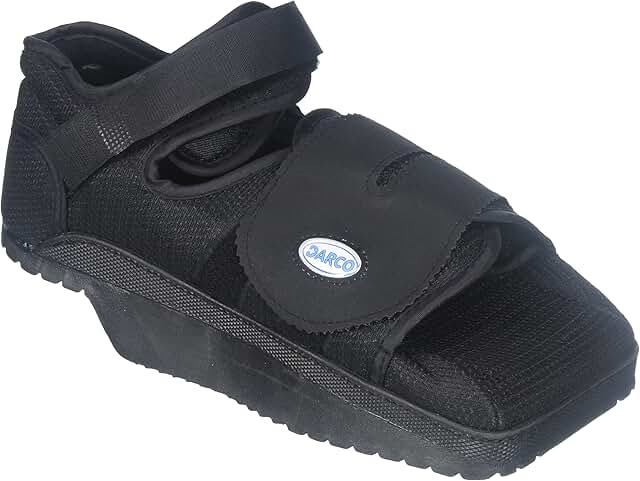
The Definitive Guide to Heel Offloading Shoes: Advanced Orthopedic Care
The heel offloading shoe is a critical orthopedic device designed to redistribute pressure away from the heel, a common site for pressure ulcers, diabetic foot complications, and post-surgical recovery. As expert medical SEO copywriters and orthopedic specialists, we understand the profound impact these specialized shoes have on patient outcomes, significantly accelerating healing and preventing further complications. This comprehensive guide delves into every aspect of heel offloading shoes, from their intricate design and biomechanical principles to their extensive clinical applications and crucial maintenance protocols.
1. Introduction & Overview: Understanding the Heel Offloading Shoe
A heel offloading shoe, also known as a heel relief shoe or post-op shoe with heel relief, is a specialized orthopedic footwear engineered to protect and facilitate the healing of the posterior aspect of the foot. Its primary function is to eliminate or significantly reduce pressure on the heel, which is vital for patients suffering from conditions exacerbated by direct weight-bearing or friction.
Why is Heel Offloading Crucial?
The heel is particularly vulnerable due to its anatomical prominence and the significant forces it endures during ambulation and even while resting. For individuals with compromised circulation, neuropathy, or those recovering from surgery, sustained pressure can lead to:
* Pressure Ulcers: Also known as bed sores, these develop from prolonged pressure on the skin, often over bony prominences.
* Diabetic Foot Ulcers (DFUs): Neuropathy can mask pain, leading to unnoticed injury and ulceration, particularly on the heel.
* Delayed Wound Healing: Constant pressure impedes blood flow, oxygen delivery, and nutrient supply to the wound site.
* Post-Surgical Complications: Protecting surgical sites on the heel or Achilles tendon is paramount for successful recovery.
The heel offloading shoe addresses these challenges by employing innovative designs that shift weight to the midfoot and forefoot, effectively "floating" the heel and allowing it to heal undisturbed.
2. Deep-Dive into Technical Specifications & Mechanisms
The efficacy of a heel offloading shoe lies in its meticulously engineered design and the biomechanical principles it leverages.
2.1 Design & Materials
Modern heel offloading shoes incorporate several key design elements and material choices to maximize patient comfort, stability, and therapeutic effectiveness.
Key Design Features:
| Feature | Description | Benefit |
|---|---|---|
| Rocker Bottom Sole | A curved sole that facilitates a smooth, rolling gait, reducing stress on the foot and ankle during ambulsion. | Promotes a natural stride, minimizes heel strike impact, and evenly distributes pressure during walking. |
| Open Heel Design | A cut-out or suspended heel area, ensuring zero contact with the ground or shoe base. | Direct and complete offloading of the heel, crucial for ulcer healing and preventing pressure. |
| Adjustable Straps | Multiple hook-and-loop (Velcro) straps across the forefoot, midfoot, and ankle. | Allows for customizable fit, accommodates bandages, swelling, and ensures secure immobilization without excessive compression. |
| Wide Forefoot | A broad toe box and forefoot area. | Prevents toe compression, accommodates swelling, and provides ample room for dressings. |
| High Ankle Collar | Extends higher up the ankle. | Provides enhanced stability and support, particularly important for patients with gait instability or post-surgical recovery. |
| Removable Insole | Often multi-density or customizable insoles. | Allows for cleaning, replacement, and custom modifications (e.g., adding metatarsal pads) to further redistribute pressure. |
Material Selection:
- Uppers: Typically made from breathable, lightweight, and durable materials like nylon mesh, synthetic leather, or soft fabric to prevent skin irritation and promote air circulation.
- Soles: Durable, non-slip rubber or EVA foam for traction and shock absorption. The rocker sole often incorporates harder materials for longevity.
- Linings: Soft, moisture-wicking fabrics to enhance comfort and reduce friction.
- Straps: High-quality hook-and-loop fasteners for secure and adjustable closure.
2.2 Biomechanics of Offloading
The primary biomechanical goal is to alter the natural gait cycle and weight distribution to eliminate pressure on the heel.
- Pressure Redistribution: By shifting the weight-bearing axis anteriorly, the shoe ensures that the forces typically absorbed by the heel are instead distributed across the midfoot and forefoot. This is often achieved through a combination of the rocker sole and a raised forefoot platform.
- Reduced Shear Forces: Shear forces, which occur when skin and underlying tissue slide in opposite directions, are a major contributor to pressure ulcer formation. The stable, secure fit of the offloading shoe minimizes these forces by preventing the foot from sliding within the shoe.
- Altered Gait Mechanics: The rocker bottom sole encourages a smooth, rolling step, reducing the impact of heel strike and promoting a more controlled "push-off" from the forefoot. This effectively bypasses the traditional heel-to-toe progression that would otherwise stress the heel.
- Immobilization and Protection: While not a primary cast, the shoe provides a degree of immobilization, which can be beneficial for certain post-surgical conditions or acute injuries, further protecting the healing area from external trauma.
3. Extensive Clinical Indications & Usage
Heel offloading shoes are indispensable in a wide array of orthopedic, podiatric, and wound care settings.
3.1 Surgical Applications
These shoes are frequently prescribed post-operatively to protect surgical sites and facilitate recovery.
- Post-Achilles Tendon Repair/Reconstruction: To prevent tension on the repaired tendon, often with a wedge insert to keep the foot in slight plantarflexion.
- Calcaneal Fracture Management: Following surgical fixation or for non-operative management, to protect the heel bone during the initial non-weight-bearing phase and during controlled progressive weight-bearing.
- Posterior Ankle Surgery: Any procedure involving the posterior aspect of the ankle or heel, requiring protection from pressure.
- Heel Spur Excision: Though less common, in cases where a large heel spur is surgically removed, offloading can aid in recovery.
- Skin Grafts or Flap Surgery on the Heel: Essential for protecting the delicate graft site from pressure and shear forces, ensuring integration.
3.2 Clinical Applications (Non-Surgical)
The most common use for heel offloading shoes is in the management of chronic conditions and acute injuries.
- Diabetic Foot Ulcers (DFUs): Particularly critical for ulcers located on the heel, where pressure relief is paramount for wound closure and preventing infection.
- Pressure Ulcers/Bed Sores: For individuals with limited mobility, neuropathy, or compromised skin integrity, preventing and treating heel pressure ulcers is a primary indication.
- Severe Plantar Fasciitis: In recalcitrant cases where conventional treatments fail, offloading can provide relief by reducing tension on the plantar fascia, though less common as a primary intervention.
- Severe Achilles Tendonitis/Tendinopathy: To reduce strain on the inflamed tendon, especially during ambulation.
- Retrocalcaneal Bursitis: To alleviate pressure on the inflamed bursa located behind the heel bone.
- Charcot Foot (Early Stages): To protect the foot from further injury during the acute inflammatory phase, though often a total contact cast is preferred for full immobilization.
- Post-Stroke or Neurological Conditions: Patients with foot drop or altered gait patterns may develop pressure points; offloading shoes can help manage these.
- General Heel Pain Relief: For conditions causing severe heel pain that necessitate a period of non-weight bearing or reduced pressure.
3.3 Fitting & Usage Instructions
Correct fitting and consistent usage are paramount for the effectiveness of a heel offloading shoe.
1. Professional Fitting:
* Always consult with a physician, podiatrist, or certified orthotist for proper sizing and fitting.
* Measurements typically include foot length and width, and consideration for any swelling or dressings.
2. Sizing Considerations:
* The shoe should accommodate the entire foot comfortably, without pinching or excessive movement.
* Ensure the open heel design truly suspends the heel, with no contact with the ground or the shoe's base.
* Allow for adequate space for bandages or dressings without compressing the wound.
3. Donning and Doffing:
* Open all straps.
* Carefully slide the foot into the shoe, ensuring the heel is properly suspended in the open area.
* Secure the straps, starting from the ankle, then midfoot, then forefoot. The straps should be snug but not overly tight, allowing for circulation.
* Ensure the foot is centered and stable within the shoe.
4. Weight-Bearing Instructions:
* Follow your healthcare provider's specific instructions regarding weight-bearing. This could range from non-weight bearing (using crutches or a walker), partial weight-bearing, to full weight-bearing as tolerated.
* The rocker bottom sole is designed to facilitate a safe gait, but caution is advised, especially on uneven surfaces.
5. Wearing Schedule:
* Often, the shoe is worn continuously during waking hours, and sometimes during sleep if directed by a physician, especially for acute wound healing.
* Regular removal for skin checks and hygiene is crucial.
6. Patient Education:
* Daily Skin Checks: Patients, or their caregivers, must inspect the skin around the shoe, especially the toes and other pressure points, for redness, irritation, or new blisters.
* Signs of Complications: Report any new pain, increased swelling, numbness, tingling, or signs of infection (redness, warmth, pus) immediately.
* Foot Care: Continue daily foot hygiene, especially for diabetic patients.
3.4 Patient Outcome Improvements
The consistent and correct use of heel offloading shoes leads to significant improvements in patient outcomes:
- Accelerated Wound Healing: Direct relief of pressure promotes better blood flow, oxygenation, and nutrient delivery to the wound bed, significantly speeding up healing rates.
- Reduced Pain Levels: By eliminating pressure on sensitive or injured areas, patients experience a substantial reduction in pain, improving comfort and quality of life.
- Prevention of New Ulcer Formation: For high-risk patients, these shoes are a proactive measure to prevent the development of new pressure ulcers or diabetic foot complications.
- Improved Mobility and Quality of Life: Compared to being confined to a bed or wheelchair, the ability to ambulate with reduced pain and protected healing areas significantly enhances patient independence.
- Reduced Risk of Infection and Amputation: Faster wound healing and protection from external trauma minimize the risk of infection, which is a leading cause of lower limb amputation in diabetic patients.
4. Maintenance & Hygiene Protocols
Proper maintenance ensures the longevity and hygienic use of the heel offloading shoe.
- Cleaning:
- Regularly wipe down the exterior surfaces with a damp cloth and mild soap.
- Avoid harsh chemicals or abrasive cleaners, which can damage materials.
- For removable insoles, wash according to manufacturer instructions (often hand wash with mild soap and air dry).
- Drying:
- Always air dry the shoe completely after cleaning. Do not use direct heat sources like hair dryers, which can deform materials.
- Inspection:
- Periodically check for signs of wear and tear, especially on the sole, straps, and internal lining.
- Ensure the hook-and-loop fasteners are still strong and secure.
- Look for any sharp edges or exposed components that could irritate the skin.
- Insole Care:
- If the insole shows significant compression or wear, replace it as per manufacturer recommendations to maintain optimal pressure relief.
- Sterilization:
- Heel offloading shoes are typically single-patient use devices and are not designed for sterilization between patients. For multi-patient use in clinical settings (e.g., physical therapy), specific disinfection protocols for non-critical devices would apply, but this is less common for personal offloading shoes. Focus on personal hygiene and cleanliness.
- Storage:
- Store in a clean, dry place away from direct sunlight or extreme temperatures when not in use.
5. Risks, Side Effects, or Contraindications
While highly beneficial, the use of heel offloading shoes is not without potential risks or contraindications.
5.1 Risks & Side Effects
- Skin Irritation/Blistering: If the shoe is ill-fitting, too tight, or if straps rub, it can cause skin irritation, redness, or new blisters, especially in patients with neuropathy.
- Increased Pressure in Other Areas: Shifting pressure from the heel may inadvertently increase pressure on the forefoot or midfoot, potentially leading to new problems if not properly managed.
- Gait Abnormalities & Falls: The rocker bottom sole and altered foot mechanics can affect balance, especially in elderly or frail patients, increasing the risk of falls.
- Muscle Atrophy: Prolonged non-weight bearing or reduced activity can lead to muscle weakness and stiffness.
- Patient Non-Compliance: Discomfort, perceived awkwardness, or lack of understanding can lead to patients not wearing the shoe as prescribed, hindering healing.
- Edema: Straps that are too tight can restrict circulation, exacerbating swelling.
5.2 Contraindications
- Severe Unstable Fractures: Conditions requiring rigid immobilization (e.g., complex ankle or foot fractures) may necessitate a cast or walking boot for greater stability.
- Active, Uncontrolled Infection: While offloading helps healing, an active, spreading infection requiring urgent debridement or surgical intervention may be a priority before shoe application.
- Critical Limb Ischemia (CLI): In patients with severe peripheral arterial disease and critical limb ischemia, any pressure, even gentle, needs careful monitoring, and wound care must prioritize revascularization.
- Conditions Requiring Absolute Non-Weight Bearing: If a patient is absolutely forbidden from any weight-bearing (e.g., certain spinal injuries), crutches or a wheelchair are the primary mobility aids.
- Allergies to Materials: Though rare, an allergy to a component material could be a contraindication.
6. Frequently Asked Questions (FAQ)
Q1: What is a heel offloading shoe primarily used for?
A1: It's primarily used to remove pressure from the heel, facilitating the healing of conditions like diabetic foot ulcers, pressure sores, and post-surgical wounds on or around the heel. It also helps prevent these issues in high-risk individuals.
Q2: How does a heel offloading shoe work to relieve pressure?
A2: It works by using a specialized design, often with an open heel cut-out or a suspended heel platform, and a rocker-bottom sole. This design redistributes weight to the midfoot and forefoot, effectively "floating" the heel and preventing it from contacting the ground or the shoe's base.
Q3: Can I walk normally in a heel offloading shoe?
A3: While you can walk, your gait will be altered. The rocker bottom sole facilitates a rolling motion, but it's not a "normal" stride. It's designed to protect your heel, and you should follow your doctor's instructions regarding weight-bearing and ambulation. Using a cane or crutches for stability is often recommended.
Q4: How do I choose the right size for my heel offloading shoe?
A4: Proper sizing is crucial. It's best to be professionally fitted by a physician, podiatrist, or orthotist. They will measure your foot, account for any swelling or dressings, and ensure the heel is completely offloaded without creating new pressure points.
Q5: How long do I need to wear the heel offloading shoe?
A5: The duration of wear varies widely depending on the condition being treated and the rate of healing. It could range from a few weeks post-surgery to several months for chronic ulcers. Always follow your healthcare provider's specific recommendations.
Q6: Can I sleep with my heel offloading shoe on?
A6: In some cases, especially for severe heel ulcers or immediate post-operative protection, your doctor might recommend wearing it at night. However, for many conditions, it's typically removed for sleep. Always consult your healthcare provider for personalized advice.
Q7: How do I clean and maintain my heel offloading shoe?
A7: You should regularly wipe the exterior with a damp cloth and mild soap, then air dry completely. Removable insoles can often be hand-washed. Inspect the shoe periodically for wear and tear, especially on the straps and sole, and replace if necessary.
Q8: Is the heel offloading shoe covered by insurance?
A8: Many insurance plans, including Medicare and private insurers, cover orthopedic devices like heel offloading shoes when deemed medically necessary and prescribed by a physician. Coverage can vary, so it's advisable to check with your specific insurance provider.
Q9: What's the difference between a heel offloading shoe and a standard walking boot?
A9: A standard walking boot (CAM walker) provides general immobilization and support for the entire foot and ankle. A heel offloading shoe, while offering some stability, has the specific design feature of completely suspending or relieving pressure from the heel, making it ideal for conditions directly affecting that area.
Q10: What should I do if my heel offloading shoe causes pain or discomfort?
A10: If you experience new pain, increased discomfort, skin irritation, redness, or blistering, remove the shoe and immediately contact your healthcare provider. The shoe may need adjustment, or there could be an underlying issue requiring medical attention.
Q11: Can I wear a regular shoe on my other foot while using an offloading shoe?
A11: It's generally recommended to wear a shoe with a similar sole height on the other foot to help maintain balanced gait and reduce strain on your back, hips, and knees. An orthopedic shoe or a shoe with a thick, stable sole is often a good choice.
Q12: Are there any alternatives to a heel offloading shoe?
A12: Depending on the condition, alternatives might include total contact casts (often for diabetic foot ulcers), specialized pressure-relief boots or splints for bedridden patients, custom orthotics, or in some cases, crutches or wheelchairs for complete non-weight bearing. The best alternative depends on the specific clinical need.
This comprehensive guide underscores the vital role of heel offloading shoes in modern orthopedic and wound care. By understanding their design, application, and proper usage, patients and caregivers can maximize their therapeutic benefits and achieve superior healing outcomes.