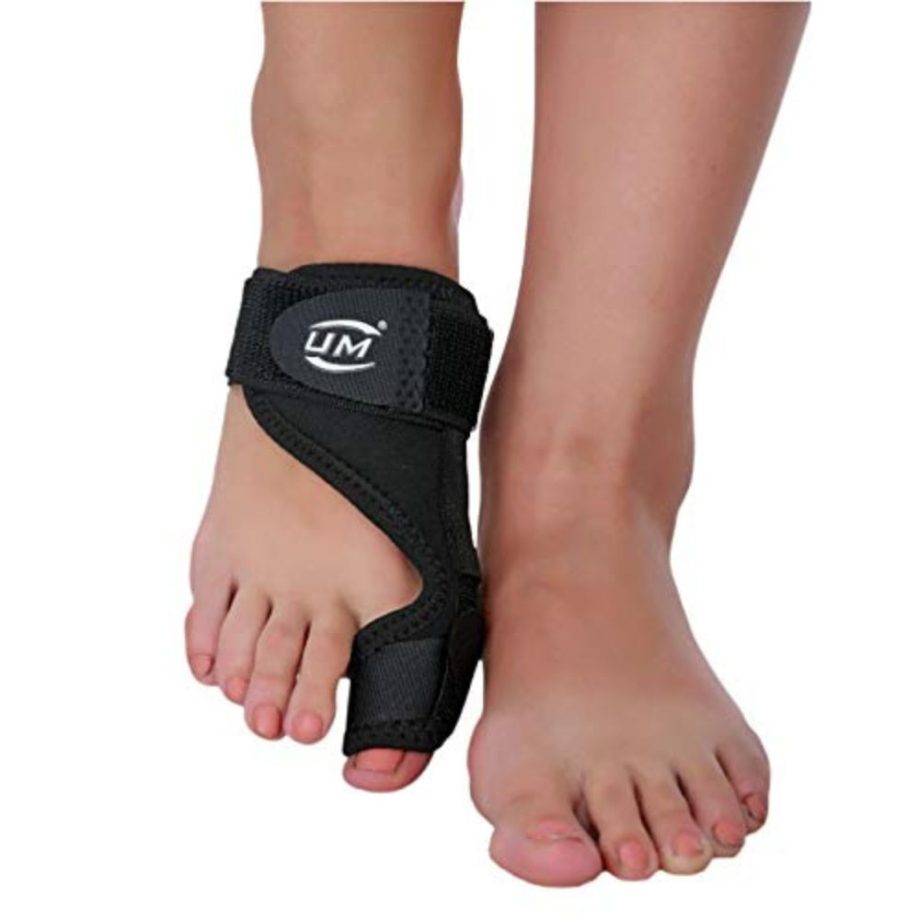
Comprehensive Introduction & Overview: Understanding the Hallux Valgus Night Splint
Hallux valgus, commonly known as a bunion, is a progressive foot deformity characterized by a lateral deviation of the great toe (hallux) and a medial prominence of the first metatarsal head. This misalignment can lead to significant pain, inflammation, difficulty wearing shoes, and functional limitations. While surgical intervention remains the definitive treatment for advanced bunions, conservative management plays a crucial role in alleviating symptoms, slowing progression, and maintaining post-operative correction. Among the most effective non-invasive tools in an orthopedic specialist's arsenal is the Hallux Valgus Night Splint.
A night-time hallux valgus splint is an orthopedic assisted device specifically designed to apply a gentle, sustained corrective force to the great toe and forefoot while the patient is at rest, typically during sleep. Unlike day-time correctors that aim for symptomatic relief within footwear, night splints focus on long-duration tissue remodeling and joint repositioning. Their primary purpose is to counteract the deforming forces that contribute to bunion progression, thereby reducing pain, improving alignment, and preventing further deviation of the great toe. This comprehensive guide will delve into the intricate details of these devices, from their biomechanical principles to their clinical applications and patient care protocols.
Deep-dive into Technical Specifications & Mechanisms
Design and Materials of Advanced Hallux Valgus Splints
Modern hallux valgus night splints are engineered with precision, incorporating a blend of durable, lightweight materials and ergonomic design principles to maximize efficacy and patient comfort.
-
Core Components:
- Main Body/Shell: Typically constructed from rigid or semi-rigid thermoplastic materials such as polypropylene, polyethylene, or advanced composite plastics. This shell is anatomically contoured to cradle the midfoot and forefoot, providing the foundational support for correction. Some designs feature a more minimalist frame, focusing solely on the great toe and metatarsal head.
- Adjustable Straps/Fasteners: Essential for securing the foot within the splint and applying corrective tension. These are usually made from soft, breathable, and hypoallergenic fabrics like neoprene, nylon, or cotton blends, often backed with Velcro for easy adjustment. Padded areas prevent pressure sores and enhance comfort.
- Internal Padding: Strategically placed foam (e.g., EVA foam, memory foam) or gel inserts provide cushioning at key pressure points, particularly around the first metatarsal head and the dorsal aspect of the foot. This padding minimizes skin irritation and ensures even pressure distribution.
- Toe Abduction Strap/Cuff: This specialized strap or cuff encircles the great toe, connecting to the main body of the splint. It is the primary mechanism for applying the lateral corrective force, pulling the hallux away from the second toe.
- Hinged Mechanisms (in select models): Some advanced designs incorporate a low-profile hinge at the metatarsophalangeal (MTP) joint. This allows for limited, controlled dorsiflexion and plantarflexion of the great toe while maintaining frontal and transverse plane correction, reducing the rigid feel and potentially enhancing comfort during micro-movements in sleep.
- Integrated Toe Separator: Less common in night splints, but some designs include a soft silicone or foam separator to maintain space between the great toe and second toe, further aiding alignment.
-
Key Design Principles:
- Anatomical Contouring: Ensures a snug, customized fit that respects the foot's natural curves and bony prominences.
- Lightweight Durability: Materials are chosen for their strength-to-weight ratio, making the splint robust enough for long-term use yet comfortable enough to wear during sleep.
- Progressive Adjustability: Allows for gradual increases in corrective force, enabling the patient to acclimate and the tissues to remodel without excessive discomfort.
- Breathability and Hygiene: Materials are often designed to be breathable to prevent perspiration build-up, which can lead to skin maceration or irritation.
Biomechanics of Hallux Valgus Correction
The effectiveness of a hallux valgus night splint lies in its ability to apply sustained biomechanical forces that counteract the pathological changes associated with bunion deformity.
- Mechanism of Action: Low-Load, Long-Duration Stretch: The fundamental principle is to apply a gentle, continuous tensile force to the soft tissues surrounding the first MTP joint. This prolonged, low-intensity stretch is crucial for promoting plastic deformation and remodeling of collagen fibers within the joint capsule, ligaments, and tendons.
- Abduction of the Great Toe: The primary corrective force is exerted by the toe abduction strap, which pulls the hallux laterally, away from the midline of the body and the second toe. This directly addresses the valgus deviation, aiming to restore a more neutral alignment of the great toe relative to the first metatarsal.
- Adduction of the First Metatarsal (Indirect Effect): While the splint directly acts on the toe, the forces can indirectly influence the first metatarsal. By holding the hallux in a corrected position, it can encourage a reduction in the intermetatarsal angle (the angle between the first and second metatarsals), which is often increased in hallux valgus.
- Soft Tissue Remodeling:
- Stretching of Contracted Structures: The splint gently stretches the tightened lateral soft tissues, including the adductor hallucis tendon and the lateral joint capsule, which contribute to the pulling of the toe into valgus.
- Relaxation of Stretched Structures: Concurrently, it allows the overstretched medial joint capsule and other medial soft tissues to shorten and regain some tension, stabilizing the joint.
- Re-alignment of the MTP Joint: By correcting the angular deformity, the splint helps to re-center the sesamoid bones beneath the first metatarsal head and improve the congruity of the MTP joint surfaces. This can reduce abnormal pressure and friction within the joint, which are significant contributors to pain and degenerative changes.
- Stress Redistribution: Correcting the alignment helps redistribute weight-bearing forces more evenly across the forefoot, reducing the localized pressure on the prominent medial aspect of the bunion, which is often inflamed and painful.
Extensive Clinical Indications & Usage
Primary Clinical Applications
Hallux valgus night splints serve multiple vital roles in the comprehensive management of bunion deformity, both conservatively and post-surgically.
-
Conservative Management of Mild to Moderate Hallux Valgus:
- Pain Relief: By reducing abnormal pressure and inflammation at the MTP joint, splints can significantly alleviate pain, especially nocturnal discomfort.
- Slowing Progression of Deformity: For patients with flexible bunions, particularly adolescents or those in early stages, consistent splint use can help prevent further deviation and worsening of the deformity.
- Preventing Further Deviation: It provides a mechanical barrier against the deforming forces that pull the toe into valgus, especially during sleep when muscle tone is relaxed.
- Patient Education and Compliance: It encourages patients to be actively involved in their treatment and understand the importance of sustained correction.
- Adjunctive Therapy: Often used in conjunction with other non-surgical strategies such as appropriate wide-toe-box footwear, custom orthotics, and targeted physical therapy exercises to strengthen foot intrinsic muscles.
-
Post-Operative Support & Recurrence Prevention:
- Maintaining Surgical Correction: This is a critical application. Following bunion surgery (e.g., osteotomy, fusion, soft tissue balancing procedures), the splint helps to maintain the surgically corrected alignment of the great toe and first metatarsal during the crucial healing phase. It prevents soft tissue contracture or scar tissue formation from pulling the toe back into a valgus position.
- Preventing Relapse: By stabilizing the joint and allowing the soft tissues (ligaments, capsule, tendons) to heal and remodel in the new, corrected position, the splint significantly reduces the risk of bunion recurrence, which can be a common complication.
- Gradual Mobilization: Some hinged night splints can even facilitate controlled early range of motion while maintaining alignment, aiding in post-operative rehabilitation protocols.
- Duration: Post-operative use typically spans several weeks to several months, depending on the surgical procedure and the surgeon's protocol.
Fitting and Usage Instructions
Proper fitting and consistent usage are paramount for the efficacy and comfort of a hallux valgus night splint.
- Initial Consultation and Prescription: Always obtain a prescription and fitting guidance from an orthopedic specialist, podiatrist, or certified orthotist. They will assess your specific deformity, recommend the appropriate splint type, and provide initial fitting.
- Step-by-Step Fitting Guide:
- Preparation: Ensure your foot is clean and dry. If recommended, a thin cotton sock can be worn for added comfort and hygiene.
- Position the Foot: Place your foot into the splint's main body, ensuring your heel is firmly seated against the posterior aspect of the splint and the first metatarsal head aligns with any designated pressure relief areas.
- Secure the Forefoot Strap: Fasten the strap across the top of your forefoot, just proximal to your toes. This strap stabilizes the foot within the splint. It should be snug but not uncomfortably tight or constricting.
- Apply the Toe Strap: Loop the smaller strap or cuff around your great toe. This is the corrective strap.
- Adjust Corrective Tension: Gently pull the toe strap to apply an outward (lateral) pull on your great toe, moving it away from the second toe. The goal is a gentle, comfortable stretch, not pain. You should feel a mild corrective force.
- Comfort Check: After adjustment, wiggle your toes and check for any localized pressure points, numbness, tingling, or blanching of the skin, which indicate excessive tightness. The splint should feel supportive and corrective, not painful or restrictive of circulation.
- Wearing Schedule and Acclimatization:
- Gradual Introduction: Begin by wearing the splint for 1-2 hours during the evening while relaxing. Gradually increase the wearing time over several nights, working up to full night-time wear.
- Consistency is Key: For optimal results, consistent nightly use is crucial. Intermittent use will yield minimal benefits.
- Listen to Your Body: If discomfort or pain arises, loosen the straps, re-adjust, or take a break. Consult your specialist if discomfort persists.
Maintenance and Sterilization Protocols
Proper care and cleaning extend the life of your splint and maintain hygiene, preventing skin issues.
- Daily Care:
- After each use, wipe down the splint's hard surfaces with a damp cloth and mild soap (e.g., antibacterial hand soap).
- Ensure all components are completely dry before storage or re-wearing to prevent moisture build-up and bacterial growth.
- Periodic Deep Cleaning (Weekly/Bi-weekly):
- If straps or padding are removable, hand wash them with a mild detergent in lukewarm water.
- Rinse thoroughly to remove all soap residue.
- Air dry completely. Avoid machine washing or drying, as this can damage materials or alter the splint's shape.
- For non-removable padding, gently scrub with a soft brush and mild soap solution, then wipe clean with a damp cloth.
- Inspection:
- Regularly inspect the splint for any signs of wear and tear, such as cracks in the plastic, frayed straps, or flattened padding.
- If any damage is noted, consult your orthopedic specialist. A damaged splint may lose its efficacy or cause injury.
- Storage: Store the splint in a clean, dry place away from direct sunlight or extreme temperatures, which can degrade materials.
- Hygiene: Maintaining good foot hygiene (washing feet daily, keeping them dry) in conjunction with splint cleaning helps prevent skin maceration, fungal infections, and odor build-up.
Risks, Side Effects, or Contraindications
While generally safe and effective, hallux valgus night splints are not without potential risks, side effects, or contraindications.
Potential Risks and Side Effects
- Skin Irritation and Pressure Sores: The most common side effect, often due to improper fit, excessive tightness, or prolonged wear on sensitive skin. Redness, blistering, or even skin breakdown can occur.
- Discomfort or Pain: Especially during the initial adaptation phase or if the splint is overtightened. Persistent pain indicates an issue with fit or application.
- Numbness or Tingling: A serious symptom indicating potential nerve compression. If experienced, the splint should be immediately loosened or removed, and a specialist consulted.
- Swelling (Edema): Can occur if the splint restricts venous or lymphatic return. Requires adjustment or removal.
- Allergic Reaction: Rare, but some individuals may have a sensitivity to materials used in the splint (e.g., latex in some elastic components).
- Limited Efficacy: For severe, rigid hallux valgus deformities, night splints may offer only symptomatic relief and may not achieve significant structural correction, potentially delaying necessary surgical intervention.
- Non-Compliance: The benefits are directly tied to consistent use. Patients who struggle with compliance may not achieve desired outcomes.
Contraindications
- Severe or Rigid Hallux Valgus Deformity: In cases where the MTP joint is severely arthritic or fused, or the deformity is rigid and non-reducible, a night splint will likely be ineffective and may cause discomfort. Surgery is often the only viable option.
- Acute Inflammation or Infection: Any active infection, cellulitis, or severe acute inflammation around the foot or great toe area precludes splint use until the condition resolves.
- Open Wounds or Skin Lesions: The presence of open sores, ulcers, blisters, or lacerations in the area where the splint would be applied is a contraindication due to the risk of infection and delayed healing.
- Severe Peripheral Neuropathy: Patients with significantly impaired sensation (e.g., severe diabetic neuropathy) may not perceive pressure points or discomfort, leading to undetected skin breakdown.
- Compromised Vascular Circulation: Individuals with severe peripheral arterial disease or other conditions leading to poor circulation in the foot should use splints with extreme caution, as pressure could further compromise blood flow and lead to tissue ischemia.
- Unstable Fractures or Dislocations: Any acute, unstable fracture or dislocation in the foot or ankle region makes splint application inappropriate until the primary injury is stabilized.
- Cognitive Impairment: Patients who cannot understand or consistently follow fitting and usage instructions may not be suitable candidates due to the risk of improper use and complications.
Massive FAQ Section
Frequently Asked Questions about Hallux Valgus Night Splints
1. How long do I need to wear the Hallux Valgus Night Splint to see results?
The duration of wear varies significantly based on your condition. For conservative management of mild to moderate bunions, consistent use for several months (3-6 months or longer) is often recommended to achieve noticeable pain reduction and slow progression. Post-operatively, it's typically worn for several weeks to months, as prescribed by your surgeon, to maintain correction during the healing phase. Structural changes are gradual, so patience and consistency are key.
2. Can I walk with the night splint on?
Generally, no. Hallux valgus night splints are specifically designed for non-weight-bearing activities, primarily during sleep or rest. Walking in most night splints can damage the device, compromise its corrective function, and potentially lead to injury or skin irritation due to abnormal pressure. Some hinged designs allow for very limited, controlled movement, but they are not intended for ambulation.
3. Will the splint completely cure my bunion?
For established bunion deformities, a night splint is primarily a conservative tool to manage symptoms, slow progression, and maintain alignment. It can significantly reduce pain and prevent worsening, but it typically cannot "cure" or fully reverse a significant structural deformity. For complete correction, especially in severe or rigid cases, surgical intervention is usually required. It's often used as an adjunct to surgery, not a replacement.
4. What should I do if the splint causes pain or discomfort?
If you experience pain, numbness, or tingling, immediately loosen the straps or remove the splint. Re-evaluate the fit, ensuring no straps are too tight and the foot is properly positioned. If discomfort persists after adjustment, discontinue use and consult your orthopedic specialist or podiatrist. It's crucial not to overtighten the splint in an attempt to achieve faster correction, as this can cause harm.
5. Can I wear socks with the night splint?
Yes, wearing a thin, clean cotton sock with your night splint is often recommended. A sock can improve comfort, reduce friction against the skin, absorb perspiration, and enhance overall hygiene. Ensure the sock is not too thick, as it could interfere with the splint's fit and corrective action.
6. Is one night splint design better than another?
The "best" night splint depends on your specific bunion deformity, the stage of progression, and whether it's for conservative or post-operative use. There are various designs (rigid, hinged, minimalist). Your orthopedic specialist will assess your foot and recommend the most appropriate type for your individual needs. What works well for one patient may not be ideal for another.
7. When should I expect to see improvements from wearing the splint?
Many patients report a reduction in pain and discomfort within a few weeks of consistent use, especially nocturnal pain. Visible improvements in toe alignment, however, take much longer – often several months of dedicated nightly wear – as soft tissue remodeling is a slow biological process. Post-operatively, the immediate "result" is maintaining the surgeon's correction.
8. Can children or adolescents use these splints?
Yes, night splints are often prescribed for children and adolescents with flexible hallux valgus deformities. In younger patients whose bones are still growing and soft tissues are more pliable, these splints can be particularly effective in preventing the progression of the bunion and potentially avoiding surgery in the future. Pediatric orthopedic guidance is essential.
9. What's the difference between a night splint and a day splint or bunion corrector?
Night splints are typically more rigid and designed for sustained, non-weight-bearing correction during rest or sleep. They apply a constant, gentle force to remodel tissues. Day splints or bunion correctors are usually more flexible, worn inside shoes, and primarily aim to provide symptomatic relief, reduce friction, and offer temporary alignment during weight-bearing activities. They generally offer less significant long-term structural correction compared to night splints.
10. Do I still need surgery if I wear a night splint regularly?
For many patients with mild to moderate bunions, consistent night splint use can effectively manage symptoms and delay or, in some cases, even prevent the need for surgery. However, for severe, painful, or rigid deformities, surgery may still be the most appropriate long-term solution. Your orthopedic specialist will guide you on the best course of action based on the severity and progression of your bunion.
11. How tight should I make the splint?
The splint should be snug enough to apply a gentle, noticeable corrective pull on your great toe, but never so tight that it causes pain, numbness, tingling, or restricts circulation. You should feel a stretch, not a squeeze. It's better to start with a looser setting and gradually increase the tension over several nights as your foot adapts.
12. Can I wear the splint on both feet if I have bunions on both?
Yes, if you have bilateral hallux valgus and your orthopedic specialist has prescribed splints for both feet, you can wear them simultaneously. Ensure you follow the fitting and usage instructions for each foot independently.