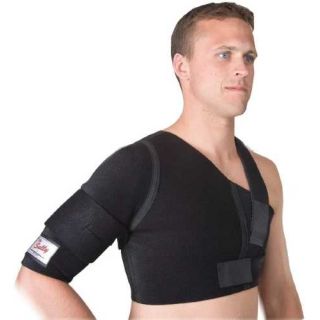
The Functional Shoulder Stabilizer Brace (Sulley Brace): An Expert Medical SEO Guide
1. Comprehensive Introduction & Overview
The shoulder joint, a marvel of human engineering, offers an unparalleled range of motion, but this mobility often comes at the cost of stability. For individuals grappling with shoulder instability, whether due to injury, surgery, or chronic conditions, finding an effective solution for support and protection is paramount. Enter the Functional Shoulder Stabilizer Brace, commonly known as the Sulley Brace.
The Sulley Brace is a specialized orthopedic assisted device meticulously engineered to provide dynamic stabilization to the glenohumeral joint (shoulder joint). Unlike a simple sling that immobilizes the arm, the Sulley Brace is designed to limit undesirable, injury-provoking movements (such as excessive abduction and external rotation) while still allowing controlled, functional motion. Its primary objective is to safeguard the shoulder from re-injury, reduce pain, and instill confidence, particularly during activities that might otherwise challenge the joint's integrity.
Developed with a deep understanding of shoulder biomechanics, the Sulley Brace has become a cornerstone in both conservative management and post-operative rehabilitation protocols for a variety of shoulder pathologies. It represents a sophisticated blend of material science, ergonomic design, and clinical efficacy, aiming to bridge the gap between complete immobilization and unrestricted, potentially harmful movement.
This comprehensive guide will delve into the intricate details of the Sulley Brace, providing an authoritative resource for patients, caregivers, and medical professionals alike. We will explore its design principles, clinical applications, proper usage, maintenance, underlying biomechanics, and the significant patient outcome improvements it facilitates.
2. Deep-Dive into Technical Specifications & Mechanisms
Understanding the efficacy of the Sulley Brace requires an appreciation of its sophisticated design and the biomechanical principles it leverages.
2.1. Design Philosophy & Biomechanics
The core philosophy behind the Sulley Brace is to provide targeted stabilization without sacrificing essential functional movement. It achieves this through a multi-component system that works in concert to control specific ranges of motion.
- Targeted Restriction: The brace is specifically designed to limit excessive glenohumeral abduction (lifting the arm away from the body) and external rotation (rotating the arm outwards), which are common positions of instability and dislocation for the shoulder.
- Proprioceptive Feedback: Beyond mechanical restriction, the brace provides continuous proprioceptive input to the wearer. The constant pressure and awareness of the brace on the skin and underlying tissues enhance the body's awareness of joint position, encouraging safer movement patterns and engaging stabilizing muscles more effectively.
- Dynamic Support: Unlike rigid casts, the Sulley Brace offers dynamic support. It allows for controlled, limited motion, which is crucial for preventing stiffness, promoting blood flow, and facilitating muscle activation during rehabilitation.
2.2. Materials & Construction
The choice of materials in the Sulley Brace is critical for its effectiveness, comfort, and durability.
- Primary Fabrics:
- Neoprene: Often used for its excellent compression, insulation, and flexibility. It provides warmth to the joint, which can aid in pain relief, and conforms well to the body's contours.
- Nylon/Spandex Blends: These materials offer breathability, moisture-wicking properties, and elasticity, ensuring a snug yet comfortable fit while minimizing skin irritation, especially during prolonged wear or physical activity.
- Composite Materials: Some components may incorporate lightweight, rigid or semi-rigid materials (e.g., plastics, carbon fiber derivatives) to provide specific structural support or anchor points for strapping systems.
- Strapping Systems:
- Non-stretch Webbing: Used for primary stabilization straps to ensure consistent and reliable restriction of movement.
- Hook-and-Loop Fasteners (Velcro®): Essential for adjustability, allowing for precise fitting and easy donning/doffing.
- Buckles & D-Rings: High-quality, durable buckles and D-rings are used for secure fastening and guiding straps, ensuring they remain in place even during active use.
- Padding: Strategically placed padding (e.g., open-cell foam, gel inserts) is integrated into areas that bear more pressure, such as the axilla (armpit) and over bony prominences, to enhance comfort and prevent skin breakdown.
- Stitching: Reinforced, flat-lock stitching is typically employed to prevent chafing and ensure the longevity of the brace under repeated stress.
2.3. Key Features Summary
| Feature | Description | Benefit |
|---|---|---|
| Anatomical Fit | Contoured design to match the natural curves of the shoulder and arm. | Maximizes comfort, minimizes bulk, ensures effective stabilization. |
| Adjustable Strapping | Multiple straps (chest, bicep/humeral, forearm cuff) with hook-and-loop closures. | Allows for precise, customized fit for various body types; easy to don and doff. |
| Abduction/ER Control | Integrated straps or panels specifically designed to limit excessive abduction and external rotation. | Prevents re-injury in common dislocation positions; protects surgical repairs. |
| Low-Profile Design | Designed to be relatively unobtrusive under clothing. | Enhances patient compliance; allows for use in various social and professional settings. |
| Moisture-Wicking | Materials that draw sweat away from the skin. | Improves hygiene and comfort, reduces risk of skin irritation during prolonged wear or activity. |
| Durable Construction | High-quality, reinforced materials and stitching. | Ensures longevity and sustained performance throughout the rehabilitation period. |
3. Extensive Clinical Indications & Usage
The Sulley Brace is a versatile tool in orthopedic care, indicated for a wide array of shoulder conditions, both post-surgical and for conservative management.
3.1. Primary Clinical Indications
- Post-Operative Stabilization:
- Following Bankart repair for anterior labral tears.
- After SLAP (Superior Labrum Anterior Posterior) lesion repair.
- Post-capsular shift or plication procedures for multi-directional instability.
- After rotator cuff repair (in specific cases where controlled motion is desired over full immobilization).
- Following fracture fixation around the shoulder where controlled motion is part of the rehabilitation.
- Recurrent Shoulder Instability:
- Chronic anterior glenohumeral instability (recurrent dislocations/subluxations).
- Posterior glenohumeral instability (less common but also benefits).
- Multi-directional instability (MDI) where generalized ligamentous laxity is present.
- Conservative Management:
- Acute shoulder subluxations or dislocations (after reduction) to prevent recurrence.
- Patients deemed high-risk for future instability episodes (e.g., athletes returning to sport).
- As an adjunct to physical therapy to provide support during exercises or activities.
- Return to Sport:
- Athletes participating in contact sports or activities requiring overhead movements (e.g., football, rugby, basketball, swimming, throwing sports) after a shoulder injury or surgery.
- Provides psychological confidence and physical protection against re-injury during high-demand activities.
- Rotator Cuff Tendinopathy/Impingement:
- In select cases, to limit painful ranges of motion and provide support, allowing inflamed tissues to rest and heal.
- Acromioclavicular (AC) Joint Sprains:
- While not its primary role, some designs can offer secondary support and compression to the AC joint, particularly in conjunction with other treatments.
3.2. Detailed Surgical & Clinical Applications
3.2.1. Post-Surgical Rehabilitation
The period immediately following shoulder surgery is critical for healing and preventing re-injury. The Sulley Brace plays a vital role by:
- Protecting Repairs: It mechanically limits movements that could stress or disrupt surgical repairs (e.g., labral reattachment, capsular tightening), allowing tissues to heal in an optimal, protected environment.
- Controlled Motion: Unlike slings that completely immobilize, the Sulley Brace allows for a controlled range of motion prescribed by the surgeon or physical therapist. This controlled movement is crucial for preventing joint stiffness, promoting cartilage health, and facilitating early muscle activation without compromising the repair.
- Reducing Re-dislocation Risk: For instability surgeries, the brace significantly reduces the risk of re-dislocation or subluxation during vulnerable early healing phases, particularly during sleep or unexpected movements.
3.2.2. Conservative Management of Instability
For patients opting for non-surgical treatment or awaiting surgery, the Sulley Brace offers:
- Prevention of Further Episodes: By limiting extreme ranges of motion, it physically prevents the arm from entering positions prone to dislocation or subluxation, thereby reducing the frequency of such events.
- Pain Management: Stabilization reduces unwanted movement, which can significantly decrease pain associated with unstable shoulders.
- Improved Confidence: Patients often develop apprehension (fear of re-dislocation). The brace provides a sense of security, allowing them to engage in daily activities and rehabilitation exercises with greater confidence.
3.3. Fitting & Usage Instructions
Proper fitting and consistent usage are paramount for the effectiveness of the Sulley Brace. While general guidelines are provided, professional fitting by a healthcare provider (physician, physical therapist, orthotist) is strongly recommended.
3.3.1. General Fitting Steps
- Preparation: Ensure the skin is clean and dry. Wear a thin, moisture-wicking shirt under the brace if desired for comfort and hygiene.
- Positioning: The brace typically involves a chest strap/sleeve and an arm cuff/sleeve.
- Chest Component: Position the main body of the brace around the torso, ensuring the shoulder cup aligns with the affected shoulder. Fasten the chest strap securely but comfortably, allowing for normal breathing.
- Arm Component: Slide the affected arm into the arm cuff/sleeve, ensuring it sits comfortably around the biceps or upper arm.
- Connecting Straps: Attach the straps that connect the arm cuff to the chest component. These are often the key stabilization straps.
- Adjusting Limitation Straps: The brace will have specific straps designed to limit abduction and external rotation. These need to be adjusted carefully.
- Abduction Control: A strap often runs from the arm cuff across the chest to a secure point, limiting how high the arm can be raised.
- External Rotation Control: A strap typically runs from the posterior aspect of the arm cuff to an anterior point on the chest component, preventing excessive outward rotation.
- Final Checks:
- Comfort: The brace should feel snug and supportive, but not constrictive or painful. Check for any pinching, rubbing, or excessive pressure points, especially in the armpit.
- Functionality: Perform prescribed movements (e.g., gentle flexion, internal rotation) to ensure the brace allows the desired range of motion while effectively limiting the undesired movements.
- Skin Integrity: Inspect the skin regularly for redness, irritation, or pressure sores, especially in the initial days of wear.
3.3.2. Usage Guidelines
- Wear Schedule: Adhere strictly to your physician's or therapist's prescribed wear schedule. This may vary from continuous wear (day and night) to specific periods during activity or rehabilitation exercises.
- Activity Level: Understand what activities are permissible while wearing the brace. The brace is designed to support, but it does not make the shoulder invincible.
- Hygiene: Maintain good personal hygiene. Clean the skin under the brace regularly.
- Listen to Your Body: If you experience increased pain, numbness, tingling, or severe discomfort, loosen the brace or remove it and contact your healthcare provider immediately.
3.4. Patient Outcome Improvements
The consistent and correct use of the Sulley Brace can lead to significant improvements in patient outcomes:
- Reduced Pain: By stabilizing the joint and preventing painful movements, the brace can substantially alleviate shoulder pain.
- Increased Confidence: The physical and psychological support provided by the brace helps patients overcome apprehension, encouraging them to participate more actively in rehabilitation and daily life.
- Decreased Risk of Re-injury: This is perhaps the most critical outcome, especially for patients with recurrent instability or those post-surgery. The brace acts as a protective shield, minimizing the chances of another dislocation or damage to healing tissues.
- Improved Functional Capacity: With enhanced stability and reduced pain, patients can often perform a wider range of activities with greater ease and less fear.
- Faster Return to Activity/Sport: By providing crucial protection, the brace can facilitate an earlier, safer return to sports and other demanding physical activities.
- Enhanced Proprioception: The constant tactile feedback from the brace can help retrain the body's awareness of joint position, contributing to long-term stability even after the brace is discontinued.
4. Risks, Side Effects, or Contraindications
While the Sulley Brace is generally safe and effective, it's essential to be aware of potential risks, side effects, and situations where its use might be contraindicated.
4.1. Potential Risks & Side Effects
- Skin Irritation/Breakdown: Prolonged contact with skin, especially in areas of friction or pressure, can lead to redness, chafing, rashes, or even pressure sores. This risk is higher in warm, humid environments or if the brace is not cleaned regularly.
- Discomfort/Pain: An improperly fitted brace can cause discomfort, pinching, or localized pain. If straps are too tight, it can restrict circulation or compress nerves.
- Restricted Range of Motion (Unintended): While intended to limit specific movements, an ill-fitting brace might inadvertently restrict beneficial ranges of motion or cause stiffness in other joints if the patient compensates.
- Muscle Atrophy: If the brace is worn for too long without appropriate physical therapy or if it completely immobilizes muscles, there's a theoretical risk of disuse atrophy. The Sulley Brace's design aims to avoid this by allowing controlled motion.
- Nerve Compression: Although rare, improper placement or excessive tightening of straps, particularly around the axilla or brachial plexus, could lead to nerve compression symptoms (numbness, tingling, weakness).
- Allergic Reaction: While materials are generally hypoallergenic, some individuals might experience an allergic reaction to specific fabrics or components.
4.2. Contraindications
- Open Wounds or Active Infections: The brace should not be applied directly over open wounds, surgical incisions that are not fully closed, or areas with active skin infections, as this can impede healing and increase infection risk.
- Severe Skin Conditions: Conditions like severe eczema, psoriasis, or dermatitis in the area where the brace is applied may be exacerbated by the brace.
- Severe Vascular Compromise: Patients with significant circulatory issues in the arm or shoulder should use the brace with extreme caution, as it could further compromise blood flow.
- Certain Neurological Conditions: Conditions affecting sensation (e.g., peripheral neuropathy) might make it difficult for a patient to detect signs of nerve compression or skin irritation.
- Unstable Fractures Requiring Rigid Immobilization: If a fracture requires complete and rigid immobilization (e.g., a displaced humeral head fracture), a Sulley Brace, which allows some motion, would be inappropriate.
4.3. Precautions
- Professional Fitting: Always ensure the brace is fitted by a qualified healthcare professional.
- Regular Skin Checks: Patients should regularly inspect their skin under the brace for any signs of irritation, redness, or pressure sores.
- Follow Instructions: Adhere strictly to the physician's instructions regarding wear time, activity levels, and cleaning protocols.
- Monitor Symptoms: Report any new or worsening pain, numbness, tingling, swelling, or skin changes to your healthcare provider immediately.
- Hygiene: Keep the brace and the skin underneath clean and dry to minimize the risk of skin issues.
5. Massive FAQ Section
Q1: What is a Functional Shoulder Stabilizer Brace (Sulley Brace)?
A1: The Sulley Brace is an orthopedic device designed to provide dynamic stabilization to the shoulder joint. It limits excessive or injury-provoking movements like abduction (lifting the arm out) and external rotation (rotating the arm outwards) while still allowing controlled, functional motion. It's used to prevent re-injury, reduce pain, and support healing after shoulder injuries or surgery.
Q2: How is the Sulley Brace different from a regular sling?
A2: A regular sling primarily immobilizes the arm to support its weight and prevent movement. The Sulley Brace, on the other hand, is a functional brace. It stabilizes the shoulder by restricting specific dangerous movements while still permitting a controlled range of motion. This active stabilization is crucial for rehabilitation and preventing stiffness, unlike the passive support of a sling.
Q3: What conditions is the Sulley Brace typically used for?
A3: It's commonly used for recurrent shoulder instability (dislocations or subluxations), post-operative stabilization after surgeries like Bankart repair or SLAP repair, conservative management of shoulder injuries, and for athletes returning to sport after a shoulder injury to prevent re-injury.
Q4: How long do I need to wear my Sulley Brace?
A4: The duration of wear is highly individualized and determined by your orthopedic surgeon or physical therapist. It depends on the specific injury, surgical procedure, and your progress in rehabilitation. It could range from a few weeks post-surgery to several months, or even intermittently for activities in cases of chronic instability or return to sport. Always follow your healthcare provider's instructions.
Q5: Can I sleep with my Sulley Brace on?
A5: In many post-operative or acute injury scenarios, your doctor may recommend wearing the brace while sleeping to protect the shoulder from inadvertent movements. However, this varies, so always confirm with your healthcare provider. If recommended, ensure the brace is comfortable and not causing any circulatory or nerve issues.
Q6: How do I clean and maintain my Sulley Brace?
A6: Most Sulley Braces are designed for easy maintenance. Typically, they should be hand-washed in cold water with mild soap, then air-dried completely away from direct heat or sunlight. Do not machine wash, bleach, iron, or tumble dry, as this can damage the materials. Regularly inspect the brace for wear and tear, especially the straps and fasteners.
Q7: Is the Sulley Brace comfortable to wear?
A7: When properly fitted, the Sulley Brace is designed for comfort, using breathable, moisture-wicking, and padded materials. However, it's a supportive device, so a sensation of gentle compression and restriction is normal. Any severe pain, pinching, numbness, or tingling indicates an improper fit or an issue that requires immediate attention from your healthcare provider.
Q8: Can I play sports or exercise while wearing my Sulley Brace?
A8: Yes, many patients, especially athletes, use the Sulley Brace specifically for returning to sports or intense exercise. It provides crucial protection against re-injury during high-demand activities. However, you must get explicit clearance and guidance from your surgeon or physical therapist on which activities are safe and how to properly adjust the brace for such use.
Q9: Will wearing the Sulley Brace weaken my shoulder muscles?
A9: No, not if used as prescribed. Unlike full immobilization, the Sulley Brace allows for controlled motion and is often used in conjunction with physical therapy. Its purpose is to support and protect the shoulder, not to replace muscle function. Your physical therapist will guide you through exercises to strengthen your shoulder muscles while using or after discontinuing the brace.
Q10: What should I do if my Sulley Brace causes skin irritation?
A10: If you experience skin irritation, redness, or chafing:
1. Loosen the brace slightly if it feels too tight.
2. Ensure the skin underneath is clean and dry before donning the brace.
3. Wear a thin, moisture-wicking undershirt beneath the brace.
4. Clean the brace regularly as per instructions.
5. If irritation persists or worsens, remove the brace and contact your healthcare provider immediately. Do not apply creams or lotions under the brace without consulting your doctor.
Q11: Is professional fitting necessary for the Sulley Brace?
A11: Absolutely. Professional fitting by a qualified healthcare provider (such as an orthopedic surgeon, physical therapist, or orthotist) is highly recommended. They ensure the brace is correctly sized, positioned, and adjusted to provide optimal support, comfort, and therapeutic benefit while minimizing risks like skin irritation or nerve compression.
Q12: Where can I purchase a Sulley Brace?
A12: Sulley Braces are specialized medical devices. They are typically prescribed by an orthopedic specialist and can be obtained through medical supply distributors, authorized orthopedic brace providers, or directly from clinics and hospitals that stock them. It's crucial to ensure you get the correct size and model as recommended by your healthcare provider.