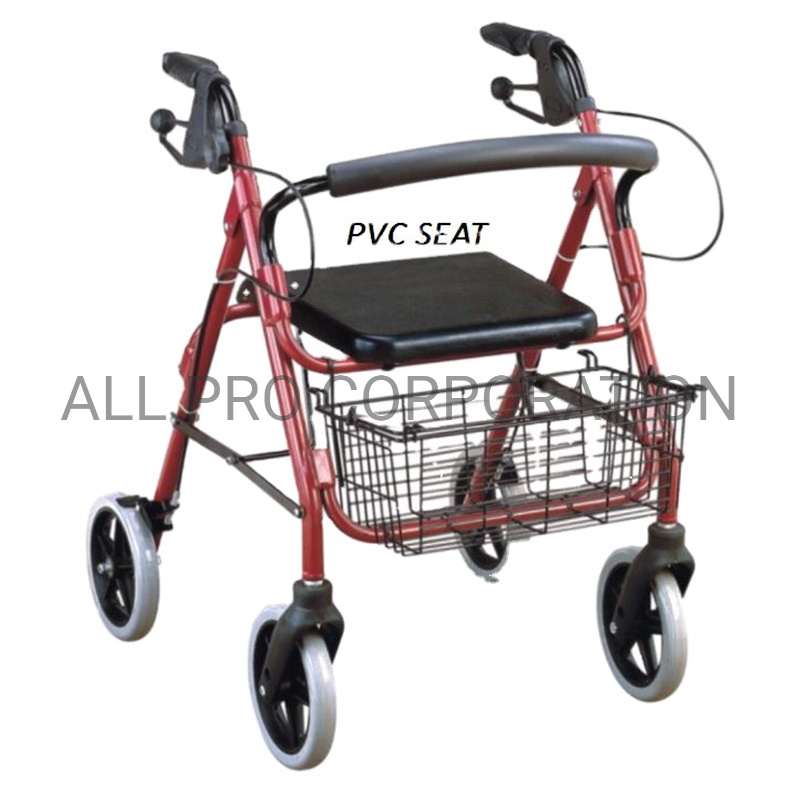
The Front-Wheeled Walker (Rollator): An Expert Orthopedic Guide to Enhanced Mobility
1. Comprehensive Introduction & Overview
In the realm of orthopedic rehabilitation and assistive technology, the front-wheeled walker, commonly known as a rollator, stands as a cornerstone for enhancing patient mobility, stability, and independence. Unlike traditional standard walkers that require lifting and placing with each step, rollators feature wheels, typically two or four, allowing for a more fluid and continuous gait pattern. This design innovation significantly reduces the energy expenditure associated with ambulation, making it an invaluable tool for individuals experiencing a wide range of mobility challenges.
As orthopedic specialists, we recognize the critical role rollators play in post-surgical recovery, managing chronic conditions, and supporting age-related decline. They provide a stable base of support, improve balance, and often include a seat for resting, contributing profoundly to a patient's quality of life and ability to participate in daily activities. This comprehensive guide will delve into the intricate aspects of rollators, from their technical specifications and biomechanical principles to their extensive clinical applications, fitting, maintenance, and the significant patient outcome improvements they facilitate.
2. Deep-Dive into Technical Specifications & Mechanisms
Understanding the technical nuances of rollators is paramount for clinicians and patients alike to ensure optimal selection and usage.
2.1. Design and Materials
Rollators are engineered with a variety of materials and features to cater to diverse patient needs, body types, and environments.
- Frame Materials:
- Aluminum: Most common, offering a lightweight yet sturdy frame. Ideal for ease of transport and maneuverability.
- Steel: Heavier and more robust, often used for bariatric models, providing increased weight capacity and durability.
- Carbon Fiber: Premium option, extremely lightweight and strong, but at a higher cost. Excellent for those seeking maximum portability without compromising stability.
- Wheels:
- Size: Typically range from 6-inch to 10-inch diameters.
- 6-inch wheels: Smaller, more maneuverable indoors, but can struggle with uneven outdoor terrain.
- 8-inch wheels: A versatile mid-range option, suitable for both indoor and moderate outdoor use.
- 10-inch wheels and larger: Excel on rougher outdoor surfaces, providing superior shock absorption and easier navigation over obstacles.
- Material:
- Solid PVC/Rubber: Durable, puncture-proof, low maintenance.
- Pneumatic (air-filled) Tires: Offer superior shock absorption and a smoother ride, especially outdoors, but require maintenance (tire pressure, potential punctures).
- Swivel vs. Fixed: Front wheels are almost universally swivel for enhanced maneuverability, while rear wheels are typically fixed or can be locked for stability.
- Size: Typically range from 6-inch to 10-inch diameters.
- Braking Systems:
- Loop-Lock Brakes: The most common type, operated by squeezing a lever (like a bicycle brake) to slow down, and pushing the lever down to lock the wheels for sitting or standing.
- Push-Down Brakes: Less common, requiring downward pressure on the handles to engage the brakes.
- Cable Routing: Internal cable routing offers a cleaner look and reduces snagging, while external cables are easier to inspect and repair.
- Seat and Backrest:
- Seat Material: Padded vinyl, mesh, or plastic. Padded seats offer more comfort, while mesh is breathable.
- Backrest: Often a padded strap or bar that provides lumbar support when seated. Some models feature reversible backrests for forward-facing seating.
- Storage: Baskets or pouches, typically located under the seat or attached to the front, for carrying personal items.
- Handles:
- Ergonomic Design: Contoured grips reduce hand strain.
- Adjustable Height: Crucial for proper fitting, ensuring the user maintains an upright posture with a slight elbow bend.
- Grip Material: Rubber or foam for comfort and secure hold.
- Folding Mechanism: Most rollators feature a folding design (side-to-side or front-to-back) for compact storage and easy transport in vehicles.
- Weight Capacity: Varies significantly, from standard models (up to 300 lbs) to bariatric versions (up to 500+ lbs).
2.2. Biomechanics of Rollator Use
The design of a rollator directly influences the user's biomechanics, leading to improved gait and reduced physical strain.
- Gait Support: Rollators provide a continuous moving support base, which allows for a more natural walking pattern compared to standard walkers that interrupt the gait cycle.
- Reduced Weight-Bearing: By leaning on the handles, users can offload a portion of their body weight from their lower limbs, significantly reducing stress on painful joints (e.g., osteoarthritic knees or hips) or healing surgical sites.
- Improved Balance and Stability: The wide base of support and the ability to lean into the frame dramatically enhance postural stability, reducing the risk of falls, especially for individuals with compromised balance.
- Promotes Upright Posture: Proper handle height adjustment encourages an erect trunk position, counteracting the stooped posture often adopted by individuals with pain or fear of falling, which can lead to secondary back and neck issues.
- Energy Conservation: The rolling motion requires less muscular effort than lifting and advancing a standard walker, thereby conserving energy. This is particularly beneficial for patients with cardiovascular, respiratory, or chronic fatigue conditions.
- Impact on Stride Length and Cadence: Rollators can help normalize stride length and cadence by providing consistent support, allowing for more consistent and confident steps.
- Load Distribution: The evenly distributed support across the four wheels (for 4-wheel rollators) minimizes localized pressure points on the upper limbs, unlike canes or single-point walkers.
3. Extensive Clinical Indications & Usage
Rollators are prescribed across a broad spectrum of clinical scenarios, both surgical and non-surgical, to optimize patient outcomes.
3.1. Detailed Surgical Applications
Rollators are frequently a cornerstone of post-operative rehabilitation, providing crucial support during the initial recovery phases.
- Post-Total Hip Arthroplasty (THA): Provides stability and allows for controlled weight-bearing, crucial for muscle strengthening and preventing dislocation precautions.
- Post-Total Knee Arthroplasty (TKA): Facilitates early ambulation with reduced load on the healing knee joint, promoting range of motion and preventing stiffness.
- Spinal Surgeries (Laminectomy, Fusion): Supports an upright posture, minimizes twisting and bending of the spine, and provides stability during gait training.
- Ankle/Foot Surgeries (Fracture Repair, Bunionectomy): Allows for partial or protected weight-bearing while maintaining mobility, reducing strain on the surgical site.
- Lower Limb Amputations: Essential for early gait training with a prosthetic limb, offering a wide base of support and confidence.
- Fracture Management (Non-surgical or Post-surgical): Provides support during the healing phase, allowing for gradual weight-bearing as advised by the orthopedic surgeon.
3.2. Non-Surgical/Clinical Applications
Beyond surgical recovery, rollators address a myriad of chronic conditions and functional deficits.
- Osteoarthritis (Hip, Knee): Reduces pain by offloading weight from arthritic joints, enabling longer periods of ambulation and exercise.
- Rheumatoid Arthritis: Provides joint protection and support, especially during periods of flare-ups or joint instability.
- Neurological Conditions:
- Parkinson's Disease: Helps to overcome gait initiation difficulties (freezing), improves stride length, and provides stability against postural instability.
- Stroke Recovery: Assists with hemiparesis, providing a stable platform for balance and gait retraining.
- Multiple Sclerosis: Conserves energy, manages fatigue, and provides support for balance deficits.
- Peripheral Neuropathy: Compensates for sensory loss in the feet, providing tactile feedback and reducing the risk of falls.
- Balance Disorders/Vertigo: Offers a constant point of reference and physical support, significantly reducing the fear of falling and improving confidence.
- General Deconditioning & Sarcopenia: Encourages physical activity and prevents further muscle wasting by making ambulation safer and less strenuous.
- Chronic Pain Syndromes: Facilitates mobility for individuals whose pain significantly limits walking, allowing them to remain active.
- Frailty in Elderly: Provides a critical tool for maintaining independence, reducing fall risk, and enabling participation in social activities.
- Respiratory Conditions (e.g., COPD): Energy conservation is vital; rollators reduce the effort required for walking, allowing individuals to maintain activity levels without excessive dyspnea.
3.3. Fitting & Usage Instructions
Proper fitting and usage are paramount for safety and effectiveness.
- Fitting Instructions:
- Stand Upright: The user should stand as upright as possible between the rollator's handles.
- Arm Position: Let arms hang naturally at the sides.
- Handle Height Adjustment: Adjust the handle height so that the top of the hand grips aligns with the crease on the inside of the wrist.
- Elbow Bend: When gripping the handles, there should be a slight bend (approximately 15-30 degrees) at the elbow. This ensures proper posture and prevents excessive strain on the shoulders and back.
- Seat Height (if applicable): The seat should allow the user to sit with feet flat on the floor and knees at a comfortable 90-degree angle.
- Usage Instructions:
- Grip: Maintain a firm but relaxed grip on both handles.
- Walking Pattern: Push the rollator slightly ahead, then step forward, keeping the body within the frame of the rollator. Avoid walking too far behind, which can compromise stability.
- Braking:
- Slowing Down: Gently squeeze the brake levers.
- Locking for Rest/Sitting: Push the brake levers down until they lock into place. Always ensure brakes are locked before sitting or standing.
- Navigating Obstacles:
- Curbs/Thresholds: Approach slowly. If small, lift the front wheels slightly over. For larger obstacles, use a ramp or seek assistance. Never attempt to "jump" a rollator over significant obstacles.
- Doorways: Maneuver carefully, ensuring the rollator fits without snagging.
- Turning: Use wide, deliberate turns. Avoid sharp, quick turns that could destabilize the rollator.
- Sitting and Standing Safely:
- Sitting: Back up to the seat until the back of the legs touch the rollator frame. Lock the brakes. Reach back for the seat and slowly lower down.
- Standing: Ensure brakes are locked. Push up from the seat and handles simultaneously. Once stable, unlock the brakes.
- Weight Distribution: Keep weight centered within the rollator's base of support. Leaning too heavily to one side can cause instability.
- Indoor vs. Outdoor Use: Consider wheel size and tire type. Larger, pneumatic wheels are better for outdoor terrain, while smaller solid wheels suffice indoors.
3.4. Maintenance & Sterilization Protocols
Regular maintenance and, in clinical settings, proper sterilization are vital for safety, longevity, and infection control.
- Maintenance Protocols:
- Daily/Weekly Inspection:
- Wheels: Check for wear, cracks, looseness, and ensure they spin freely. Clean off any debris (hair, lint) that can impede rotation.
- Brakes: Test brake effectiveness. Ensure levers engage smoothly and lock securely. Check brake cables for fraying or damage.
- Frame Integrity: Inspect all welds, screws, and bolts for tightness and signs of damage or corrosion.
- Handles: Check grip material for tears or slippage. Ensure height adjustment mechanisms lock securely.
- Seat/Backrest: Inspect for tears, rips, or excessive wear.
- Cleaning:
- Frame: Wipe down with a damp cloth and mild soap. Avoid abrasive cleaners.
- Seat/Handles: Use a disinfectant wipe or solution, especially for high-touch surfaces.
- Lubrication: Periodically apply a silicone-based lubricant to wheel axles and folding mechanisms if they become stiff (refer to manufacturer guidelines).
- Tire Pressure: For pneumatic tires, check and maintain recommended tire pressure regularly.
- Daily/Weekly Inspection:
- Sterilization Protocols (for multi-patient use in clinical settings):
- Cleaning First: Always clean visible dirt and grime before disinfection.
- Disinfectant Wipes/Solutions: Use hospital-grade, EPA-approved disinfectant wipes or solutions.
- High-Touch Surfaces: Pay particular attention to handles, brake levers, seat, and backrest.
- Manufacturer Guidelines: Always follow the rollator manufacturer's cleaning recommendations and the healthcare facility's infection control policies.
- Drying: Allow surfaces to air dry completely after disinfection.
- Terminal Cleaning: For rollators used by patients with highly contagious infections, a more rigorous terminal cleaning and disinfection protocol may be required.
3.5. Patient Outcome Improvements
The judicious use of rollators translates into significant improvements in patient well-being and functional capacity.
- Enhanced Mobility and Independence: The primary benefit, allowing individuals to move more freely within their environment, both indoors and outdoors.
- Reduced Risk of Falls: The stable base of support and braking system significantly mitigates the risk of falls, which are a major concern for orthopedic patients and the elderly.
- Improved Quality of Life: Greater mobility directly correlates with increased participation in social activities, hobbies, and daily routines, leading to a higher quality of life.
- Increased Participation in Daily Activities: Empowers individuals to perform activities of daily living (ADLs) such as cooking, shopping, and personal care with greater ease and safety.
- Faster Rehabilitation Post-Surgery: Early and safe ambulation facilitated by rollators accelerates the rehabilitation process, promoting muscle recovery and functional restoration.
- Psychological Benefits:
- Increased Confidence: Reduces the fear of falling, fostering greater self-assurance in movement.
- Reduced Anxiety/Depression: Greater independence and activity can alleviate feelings of isolation and improve mood.
- Sense of Control: Restores a sense of control over one's mobility and life.
- Pain Management: By offloading weight and promoting better posture, rollators can indirectly contribute to pain reduction in musculoskeletal conditions.
4. Risks, Side Effects, or Contraindications
While highly beneficial, rollator use is not without potential risks or contraindications.
- Risks:
- Improper Fitting: Incorrect handle height can lead to poor posture (stooping or hyperextension), resulting in back pain, neck strain, or shoulder discomfort.
- Misuse of Brakes: Forgetting to lock brakes when sitting or standing, or accidentally locking them while walking, can lead to falls.
- Tripping Hazards: Rollator wheels can get caught on uneven surfaces, thick carpets, door thresholds, or loose brake cables.
- Over-Reliance: Excessive reliance on the rollator without concurrent strengthening exercises can lead to muscle deconditioning, particularly in the core and lower limbs.
- Entrapment: In narrow spaces, the rollator may become wedged, making it difficult for the user to maneuver or exit.
- Loss of Control: On steep inclines or declines, users may lose control if brakes are not properly managed.
- Side Effects: Generally minimal when used correctly, but prolonged use with poor posture can exacerbate existing musculoskeletal issues.
- Contraindications (Relative):
- Severe Cognitive Impairment: Individuals with significant cognitive deficits may be unable to safely operate a rollator, manage its brakes, or navigate their environment, increasing fall risk.
- Significant Upper Body Weakness: Insufficient hand grip strength or upper limb weakness may prevent safe operation of brakes or adequate weight-bearing through the handles.
- Severe Balance Disorders: In some extreme cases of vestibular or cerebellar dysfunction, a rollator may not provide sufficient stability, and other assistive devices (e.g., platform walkers, gait trainers) or direct human assistance may be required.
- Very Narrow Doorways/Spaces: Environments with consistently tight clearances may render a standard rollator impractical or unsafe.
- Visual Impairment: While not an absolute contraindication, severe visual impairment may necessitate additional training or alternative mobility aids to ensure safe navigation.
5. Frequently Asked Questions (FAQ)
Q1: What is the main difference between a rollator and a standard walker?
A1: A rollator has wheels (typically 3 or 4) and brakes, allowing for continuous movement and often includes a seat. A standard walker is a frame that must be lifted and placed with each step, providing maximum stability but requiring more energy and interrupting gait.
Q2: How do I choose the right size rollator for myself or a patient?
A2: The most crucial aspect is handle height. When standing upright with arms relaxed at your sides, the top of the handgrips should align with the crease of your wrist. This ensures a slight elbow bend (15-30 degrees) when gripping, promoting good posture. Consider the user's weight for capacity and their environment for wheel size.
Q3: Can I use my rollator outdoors?
A3: Yes, many rollators are designed for outdoor use. For rougher terrain, larger wheels (8-10 inches or more) and pneumatic tires are highly recommended for better shock absorption and easier navigation over obstacles.
Q4: How often should I check my rollator's brakes and other components?
A4: Brakes should be checked daily before use. A thorough inspection of wheels, frame integrity, screws, and bolts should be performed weekly or monthly, depending on frequency of use and environmental conditions.
Q5: Is a rollator covered by insurance (e.g., Medicare)?
A5: Yes, in many cases, rollators are considered Durable Medical Equipment (DME) and may be covered by Medicare Part B or private insurance if deemed medically necessary by a physician. A prescription and documentation of medical need are typically required.
Q6: What's the best way to clean my rollator?
A6: For general cleaning, wipe down the frame with a damp cloth and mild soap. For high-touch areas like handles and the seat, use disinfectant wipes or a mild disinfectant solution, especially in clinical settings. Always refer to the manufacturer's cleaning guidelines.
Q7: Can a rollator help prevent falls?
A7: Absolutely. By providing a stable base of support, improving balance, and encouraging an upright posture, rollators significantly reduce the risk of falls, especially for individuals with balance impairments or lower limb weakness.
Q8: What are the benefits of a rollator with larger wheels?
A8: Larger wheels (8-10 inches or more) provide a smoother ride over uneven surfaces, absorb shock better, and make it easier to navigate over small obstacles like cracks, thresholds, and outdoor terrain. They are generally preferred for outdoor use.
Q9: How do I fold my rollator for transport or storage?
A9: Most rollators have a simple folding mechanism. Typically, you'll either pull a strap on the seat upwards (for side-to-side folding) or release a latch and push the sides together (for front-to-back folding). Always consult your specific model's user manual for detailed instructions.
Q10: When should I consider upgrading or replacing my rollator?
A10: You should consider replacement if the frame shows signs of significant damage (cracks, bending), if brakes are no longer reliable despite maintenance, if wheels are severely worn, or if your mobility needs have changed significantly (e.g., requiring a heavier duty model or a lighter, more portable one).
Q11: Is it safe to sit on the rollator's seat while moving or being pushed?
A11: No, it is generally NOT safe to sit on a rollator's seat while it is in motion or being pushed by another person. Rollators are designed as walking aids, and the seat is intended for stationary rest only. Sitting while moving can lead to instability, tipping, and serious falls.
Q12: What are some common accessories for rollators?
A12: Common accessories include cup holders, oxygen tank holders, cane holders, larger storage bags, tray attachments, and specific lighting for nighttime visibility. These can further customize the rollator to individual needs.