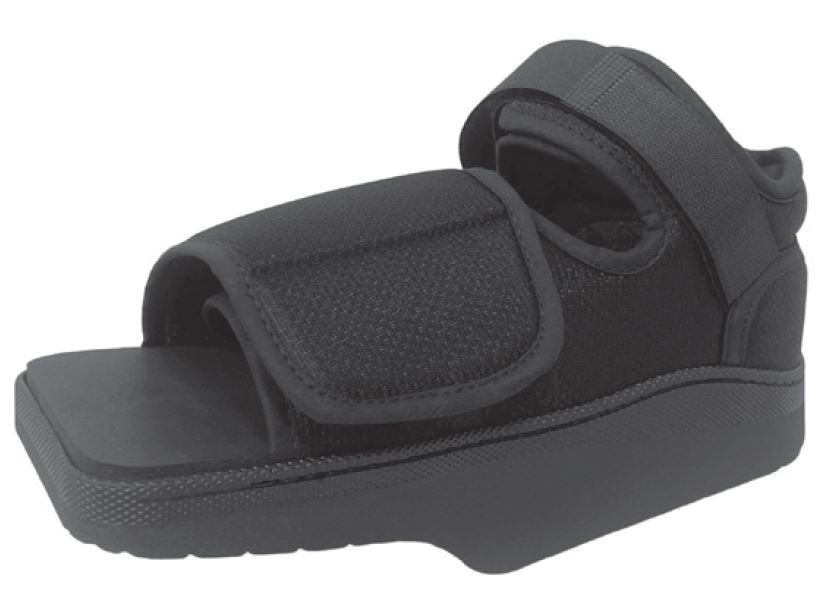
The Forefoot Offloading Shoe (Wedge Shoe): An Expert Guide to Advanced Orthopedic Recovery
The forefoot offloading shoe, often referred to as a "wedge shoe," is a critical orthopedic assistive device designed to facilitate healing and reduce pain by strategically redistributing pressure away from the delicate forefoot area. As expert medical SEO copywriters and orthopedic specialists, we understand the profound impact such devices have on patient recovery, mobility, and overall quality of life. This comprehensive guide will delve into every aspect of the forefoot offloading shoe, from its intricate design and biomechanical principles to its extensive clinical applications, fitting instructions, maintenance protocols, and the remarkable patient outcomes it helps achieve.
1. Comprehensive Introduction & Overview
The forefoot offloading shoe is a specialized piece of orthopedic footwear engineered to protect the forefoot and toes, particularly after surgery, trauma, or in the presence of specific medical conditions. Its defining characteristic is a unique wedge-shaped sole that shifts the body's weight posteriorly, away from the metatarsal heads and digits, towards the midfoot and heel. This deliberate weight redistribution is paramount for reducing stress on injured or recovering tissues, promoting optimal healing, and significantly mitigating pain.
Historically, managing forefoot pathology has presented challenges, often requiring complete non-weight bearing, which severely limits patient mobility and independence. The development of the forefoot offloading shoe represents a significant advancement, allowing for protected ambulation while ensuring the forefoot remains in a low-pressure environment. It is an indispensable tool in both post-operative rehabilitation and conservative management strategies for a wide array of foot and ankle conditions.
2. Deep-Dive into Technical Specifications & Mechanisms
The efficacy of a forefoot offloading shoe lies in its sophisticated design and the biomechanical principles it leverages. Understanding these elements is key to appreciating its therapeutic value.
Design and Materials
Forefoot offloading shoes are meticulously designed with several key features:
- Wedge Sole Configuration: The most distinctive feature is the reverse-inclined or negative-heel sole. This design ensures that the forefoot is elevated and unburdened, directing ground reaction forces primarily to the midfoot and heel. The angle of the wedge is critical, typically ranging from 10 to 15 degrees, to achieve effective offloading without compromising stability excessively.
- Rigid, Flat Sole: Beneath the wedge, the sole is often rigid and flat, preventing any flexion or extension movements in the forefoot during gait. This immobility is crucial for protecting surgical sites or fragile tissues from shear forces and excessive motion.
- Adjustable Straps/Closures: Most designs incorporate multiple hook-and-loop (Velcro) straps across the ankle and midfoot. These allow for a highly customizable and secure fit, accommodating various foot shapes, swelling, and dressings without creating pressure points.
- Open-Toe Design: Many forefoot offloading shoes feature an open-toe box. This design is particularly beneficial for post-operative patients as it prevents pressure on the toes, accommodates bulky dressings, and allows for easy inspection of the surgical site. Some models offer a closed-toe option for added protection or colder climates.
- Breathable Upper Materials: The upper part of the shoe is typically constructed from lightweight, breathable materials like mesh, canvas, or synthetic fabrics. This promotes air circulation, reduces heat buildup, and enhances patient comfort, minimizing the risk of skin maceration.
- Padded Liners and Insoles: Internal padding and often a removable, soft insole provide cushioning and shock absorption, further enhancing comfort and protecting the foot from undue pressure.
- Anti-Slip Tread: The outsole is equipped with a non-skid tread pattern to provide secure traction and reduce the risk of slips and falls, a critical safety feature given the altered gait mechanics.
- Ambidextrous Design: Many models are designed to be ambidextrous, meaning they can be worn on either the left or right foot, simplifying inventory for clinics and ensuring immediate availability for patients.
Biomechanics of Forefoot Offloading
The primary biomechanical objective of the wedge shoe is to alter the natural gait cycle to reduce forefoot loading.
- Center of Pressure Shift: By elevating the forefoot and creating a posterior incline, the shoe effectively shifts the body's center of pressure backward, away from the metatarsal heads and toes. During the stance phase of gait, the initial ground contact and subsequent weight transfer occur predominantly through the heel and midfoot, bypassing the forefoot.
- Reduced Plantar Pressure: Studies using pressure mapping have consistently demonstrated a significant reduction in plantar pressures beneath the metatarsal heads and toes when wearing an offloading shoe compared to conventional footwear. This reduction is critical for promoting wound healing and protecting surgical repairs.
- Altered Gait Cycle: The rigid, flat sole prevents the natural toe-off phase of gait. Patients are encouraged to adopt a "rocker-bottom" like motion or a flat-footed gait, avoiding the powerful push-off that typically stresses the forefoot. This leads to a shorter stride length and a slower walking speed, further minimizing stress.
- Joint Protection: By immobilizing the forefoot and digits, the shoe protects surgical fusions, osteotomies, and fracture sites from disruptive forces, allowing for undisturbed callus formation and soft tissue repair.
- Accommodation of Swelling: The open design and adjustable straps readily accommodate post-operative swelling and bulky dressings, which often cannot fit into standard footwear, thus ensuring continuous protection and comfort.
3. Extensive Clinical Indications & Usage
The forefoot offloading shoe is a versatile tool with a broad spectrum of applications in orthopedic and podiatric medicine, both surgically and non-surgically.
Detailed Surgical Applications
- Bunionectomy (Hallux Valgus Correction): Following bunion surgery, the forefoot offloading shoe is essential. It protects the osteotomy site (bone cut) and soft tissue repairs, preventing weight-bearing on the healing first metatarsal head and promoting proper alignment during ambulation.
- Hammer Toe/Mallet Toe Repair: After corrective surgery for digital deformities, the shoe protects the newly straightened toes and any internal fixation (pins), preventing stress on the healing joints and soft tissues.
- Metatarsal Osteotomies: Procedures like Weil osteotomies, performed to shorten metatarsals or correct metatarsalgia, require precise offloading to ensure bone healing and prevent recurrence of pain or deformity.
- Forefoot Trauma: For fractures of the metatarsals or phalanges, dislocations, or severe sprains, the offloading shoe provides immobilization and protection, allowing the bones and ligaments to heal without excessive stress.
- Digital Amputations: Post-amputation of a toe, the shoe protects the wound site, facilitates healing, and allows for controlled weight-bearing while the residual limb recovers.
- Plantar Plate Repairs: Repairs of the plantar plate, a critical ligamentous structure beneath the metatarsophalangeal joints, necessitate strict offloading to prevent re-rupture and ensure successful healing.
- Neuroma Excision: After surgical removal of a painful neuroma, the offloading shoe helps protect the surgical site and reduce pressure on the healing nerve stump.
Extensive Clinical Applications (Non-Surgical)
- Diabetic Foot Ulcers (Forefoot): For patients with diabetes, forefoot ulcers are a common and serious complication. The offloading shoe is critical for reducing pressure on these ulcers, allowing them to heal, and preventing infection and further tissue breakdown.
- Metatarsalgia: Chronic pain in the ball of the foot (metatarsalgia) can be significantly alleviated by offloading the affected metatarsal heads, allowing inflamed tissues to rest and recover.
- Sesamoiditis: Inflammation of the sesamoid bones beneath the great toe joint benefits from reduced pressure and protection provided by the wedge shoe.
- Gout Flares in the Forefoot: Acute attacks of gout causing severe inflammation and pain in the forefoot can be managed with the offloading shoe to minimize irritation and facilitate comfort during walking.
- Acute Forefoot Injuries: Non-operative management of severe bruising, sprains, or inflammatory conditions in the forefoot can benefit from the protective and offloading qualities of the shoe.
- Neuropathic Arthropathy (Charcot Foot): In early stages or for protective purposes in patients with Charcot foot affecting the forefoot, the offloading shoe can help stabilize the foot and prevent further collapse, though more aggressive immobilization may be needed for acute phases.
Patient Outcome Improvements
The consistent and correct use of a forefoot offloading shoe leads to several tangible improvements in patient outcomes:
- Reduced Pain: By eliminating pressure on sensitive or healing areas, patients experience a significant reduction in pain, leading to improved comfort and better adherence to recovery protocols.
- Accelerated Wound Healing & Surgical Recovery: The protected environment fosters optimal conditions for tissue repair, leading to faster healing of wounds and quicker recovery from surgical procedures.
- Prevention of Re-injury or Complications: Offloading prevents premature stress on healing structures, thereby reducing the risk of re-injury, surgical failure, or the development of chronic issues.
- Improved Mobility During Recovery: Unlike complete non-weight bearing, the offloading shoe allows for protected ambulation, maintaining a degree of mobility and independence for the patient, which is crucial for psychological well-being and functional recovery.
- Enhanced Patient Compliance: The combination of pain reduction and improved mobility makes patients more likely to adhere to their prescribed treatment plan, leading to better overall results.
Fitting and Usage Instructions
Proper fitting and consistent usage are paramount for the effectiveness of the forefoot offloading shoe.
- Sizing: Always refer to the manufacturer's sizing chart. Measure the patient's foot length from the heel to the longest toe. The shoe should be snug but not tight, accommodating any bandages or swelling. Ensure adequate width.
- Secure Strapping: Fasten all hook-and-loop straps firmly. The ankle strap should be secure to prevent heel slippage, and the midfoot straps should hold the foot comfortably in place without causing constriction or pressure points.
- Wearing Duration: Wear the shoe as prescribed by your orthopedic specialist. This typically involves continuous wear during all weight-bearing activities, and sometimes even at rest, for several weeks or months.
- Weight-Bearing Instructions: Follow your doctor's specific instructions regarding partial or full weight-bearing. Even with the shoe, excessive pushing off the forefoot should be avoided.
- Gait Modification: Walk with a flat-footed or heel-to-midfoot gait. Take shorter steps and avoid any forceful push-off from the forefoot. Use crutches or a walker if recommended for added stability.
- Foot Inspection: Regularly inspect your foot for any signs of skin irritation, redness, or pressure sores, especially if you have neuropathy.
4. Maintenance & Sterilization Protocols
Maintaining the hygiene and integrity of the forefoot offloading shoe is crucial for patient safety and device longevity.
- Cleaning:
- Wipe down the exterior surfaces with a damp cloth and mild soap (e.g., dish soap) as needed.
- For the interior, especially if there's sweat or minor discharge, the insole may be removable and washable according to manufacturer guidelines. If not, a gentle wipe with an antiseptic wipe can be used.
- Air dry thoroughly before re-wearing. Do not machine wash or tumble dry, as this can damage the materials and structural integrity.
- Inspection:
- Regularly inspect the shoe for signs of wear and tear, such as frayed straps, compromised sole integrity, or excessive compression of cushioning.
- Ensure the anti-slip tread is intact and not worn smooth, which could increase the risk of falls.
- Check for any sharp edges or exposed components that could irritate the skin.
- Personal Use: Forefoot offloading shoes are typically single-patient use devices. They are not designed for clinical sterilization between different patients. For personal use, regular cleaning as described above is sufficient.
- Storage: Store the shoe in a clean, dry place away from direct sunlight or extreme temperatures when not in use.
5. Risks, Side Effects, or Contraindications
While highly beneficial, the use of a forefoot offloading shoe is not without potential considerations.
Risks and Side Effects
- Compensatory Gait Changes: The altered gait required by the shoe can sometimes lead to compensatory stress on other joints, such as the ankle, knee, hip, or lower back. This is why proper gait training and monitoring are important.
- Skin Irritation/Pressure Sores: If the shoe is ill-fitting, too tight, or if straps are improperly secured, it can cause skin irritation, blisters, or even pressure ulcers, particularly in patients with fragile skin or neuropathy.
- Increased Pressure on Heel/Midfoot: While offloading the forefoot, the device inherently increases pressure on the heel and midfoot. While generally well-tolerated, this must be monitored, especially in patients prone to heel ulcers or with specific midfoot pathologies.
- Risk of Falls: The altered foot height and gait can increase the risk of trips and falls, especially on uneven surfaces or stairs. Patients should be advised to walk cautiously and use assistive devices (crutches, walker) if necessary.
- Uneven Leg Length: If only one offloading shoe is worn, it creates a temporary functional leg length discrepancy. This can be mitigated by wearing a shoe lift or an equivalent height shoe on the contralateral foot, if tolerated, to maintain pelvic alignment.
- Delayed Healing (if misused): If the shoe is not worn as prescribed, or if patients attempt to push off the forefoot, it can negate the offloading effect and delay healing.
Contraindications
- Severe Ankle Instability: Patients with severe ankle instability may find the rigid sole and altered gait of the offloading shoe challenging to manage, potentially increasing the risk of falls or further injury.
- Hindfoot/Midfoot Fractures or Ulcers: Conditions requiring offloading of the heel or midfoot are generally contraindicated for a forefoot offloading shoe, as it shifts pressure precisely to these areas. Different orthopedic devices would be more appropriate.
- Non-Compliance: If a patient is unwilling or unable to consistently wear the shoe as prescribed, its effectiveness will be severely compromised.
- Compromised Circulation: While often used for diabetic foot ulcers, extreme care must be taken in patients with severely compromised circulation, where any new pressure point could lead to further tissue breakdown. Regular monitoring is essential.
6. Massive FAQ Section
Here are some frequently asked questions about the forefoot offloading shoe:
Q1: What is a forefoot offloading shoe?
A forefoot offloading shoe, or wedge shoe, is specialized orthopedic footwear designed with a unique wedge sole to shift weight away from the front of the foot, protecting healing areas and reducing pain.
Q2: How does a wedge shoe work?
It works by elevating the forefoot and directing ground reaction forces to the midfoot and heel, significantly reducing pressure on the metatarsal heads and toes during walking.
Q3: When should I wear a forefoot offloading shoe?
You should wear it as prescribed by your doctor, typically after forefoot surgery (like bunionectomy, hammer toe repair), for diabetic foot ulcers, metatarsalgia, or other forefoot injuries.
Q4: Can I wear it on both feet?
Yes, if your medical condition requires offloading on both feet, you can wear two. However, it's more common to wear it on one foot, with instructions for the other foot (e.g., a height-matching shoe).
Q5: How long do I need to wear it?
The duration varies depending on your specific condition and healing progress, ranging from a few weeks to several months. Always follow your orthopedic specialist's instructions.
Q6: Is it comfortable?
While not like a regular shoe, forefoot offloading shoes are designed with padding and adjustable straps to maximize comfort during the healing process, accommodating swelling and dressings.
Q7: How do I clean my wedge shoe?
Wipe down the exterior with a damp cloth and mild soap. Removable insoles may be hand-washed. Always air dry thoroughly. Do not machine wash.
Q8: Can I drive while wearing it?
It is generally not recommended to drive while wearing a forefoot offloading shoe, especially if it's on your right foot. The shoe can interfere with pedal control and reaction time, posing a safety risk.
Q9: What's the difference between this and a regular post-op shoe?
While all forefoot offloading shoes are post-op shoes, not all post-op shoes are forefoot offloading. A standard post-op shoe provides protection and stability, but a forefoot offloading shoe specifically incorporates the wedge design to redistribute pressure away from the forefoot.
Q10: Will it help with my bunion pain?
Yes, it is commonly used after bunion surgery to protect the surgical site and reduce pressure, which significantly aids in pain reduction and proper healing. It is not typically used for pre-surgical bunion pain unless specifically advised for offloading.
Q11: Can I wear my own socks with it?
Yes, you should wear clean socks with your forefoot offloading shoe. This helps with hygiene, comfort, and can wick away moisture.
Q12: What if it feels too tight or loose?
If it feels too tight, loosen the straps. If too loose, tighten them. If you cannot achieve a comfortable and secure fit, or if you experience pain or skin irritation, contact your doctor or physical therapist for adjustment or resizing.
Q13: Are there different sizes?
Yes, forefoot offloading shoes come in a range of sizes, usually based on standard shoe sizing, to ensure an appropriate and effective fit for various foot dimensions.