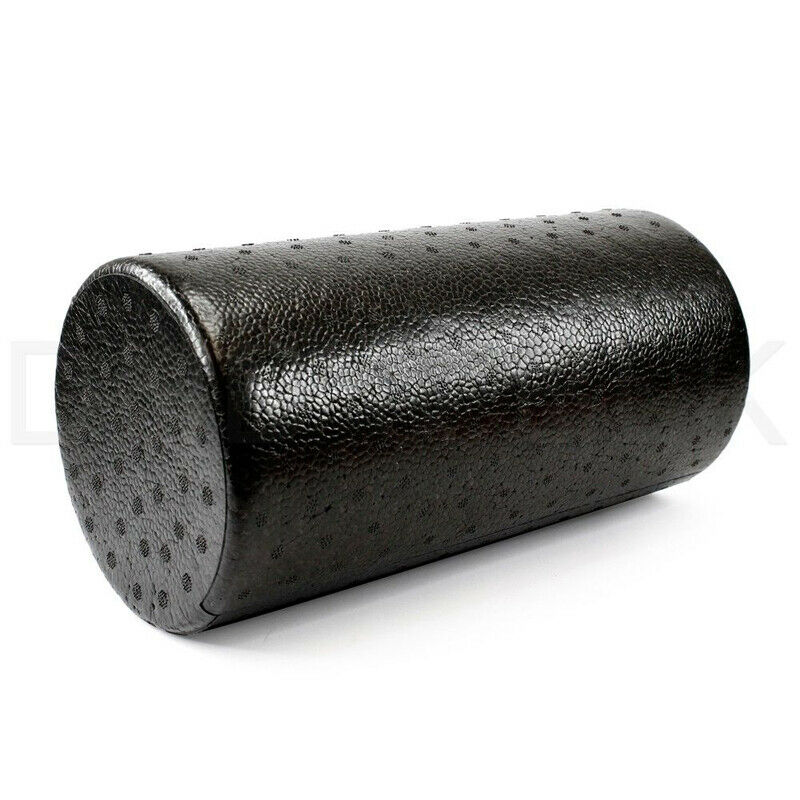
The High-Density Foam Roller: An Orthopedic Specialist's Guide to Myofascial Release
1. Comprehensive Introduction & Overview
The high-density foam roller has emerged as an indispensable tool in both clinical orthopedic practice and personal wellness regimens. Far beyond a simple exercise accessory, this robust cylindrical device is a cornerstone for self-myofascial release (SMR), a technique designed to alleviate muscle tightness, reduce soreness, and improve overall tissue health. As orthopedic specialists, we recognize its profound impact on patient outcomes, from enhancing rehabilitation protocols to preventing injuries and optimizing athletic performance.
Unlike its lower-density counterparts, the high-density foam roller is engineered to withstand significant pressure, providing a deeper, more targeted massage to the myofascial tissues. This allows for effective manipulation of connective tissue, addressing adhesions, trigger points, and general muscle stiffness that often impede proper movement and contribute to pain. This guide will delve into the technical intricacies, clinical applications, biomechanical principles, and practical instructions for leveraging the full therapeutic potential of the high-density foam roller.
2. Deep-dive into Technical Specifications & Biomechanical Mechanisms
Understanding the science behind the high-density foam roller is crucial for maximizing its therapeutic benefits. Its design and material composition are specifically chosen to deliver sustained, effective pressure for deep tissue work.
2.1. Design and Materials
The efficacy of a high-density foam roller is largely determined by its construction and the materials used:
- Shape and Size: Most high-density foam rollers are cylindrical, varying in length (typically 12 to 36 inches) and diameter (usually 5 to 6 inches). Longer rollers are ideal for broader areas like the back, while shorter ones offer portability and precision for smaller muscle groups.
- Core Material: Some high-density rollers feature a solid foam core, while others incorporate a hollow PVC (Polyvinyl Chloride) pipe interior, providing superior rigidity and preventing compression over time.
- Surface Texture:
- Smooth Surface: Provides even pressure distribution, ideal for general myofascial release and less intense applications. This is often preferred for beginners or sensitive areas.
- Textured Surface (Knobs, Ridges): Designed to mimic a therapist's fingers or thumbs, these textures offer more targeted pressure, excellent for breaking up stubborn knots and trigger points. They provide a more intense experience and are often favored by experienced users or for specific problem areas.
- High-Density Foam Types:
- EPP (Expanded Polypropylene): This is a popular choice for high-density rollers. EPP foam is lightweight, extremely durable, resistant to breaking down, and offers a very firm, consistent pressure. It's known for its excellent shape retention and ability to withstand heavy use without deforming.
- EVA (Ethylene-Vinyl Acetate): EVA foam is a closed-cell foam, meaning it's non-absorbent and easy to clean. It offers a slightly softer but still very firm feel compared to EPP, providing good resilience and impact absorption. High-density EVA rollers are robust and maintain their shape well.
- Cross-linked Polyethylene (XLPE): Another closed-cell foam option, XLPE offers exceptional firmness and durability, making it suitable for professional and heavy-duty use.
2.2. Biomechanical Principles and Mechanisms of Action
The therapeutic effects of high-density foam rolling are rooted in several key biomechanical and physiological responses:
- Self-Myofascial Release (SMR): The primary mechanism. Myofascia refers to the dense, tough connective tissue that surrounds and protects muscles and bones. Overuse, trauma, or inactivity can cause these fascial tissues to become restricted, forming adhesions or "knots" (trigger points) that limit movement and cause pain. SMR applies sustained pressure to these areas, helping to release tension and restore elasticity to the fascia.
- Autogenic Inhibition: When sustained pressure is applied to a muscle, it stimulates the Golgi tendon organs (GTOs) located in the muscle-tendon junction. The GTOs respond by signaling the muscle to relax, a reflex known as autogenic inhibition. This allows for greater muscle lengthening and reduced tension.
- Thixotropy of Fascia: Fascia exhibits thixotropic properties, meaning its viscosity changes in response to mechanical stress. Applying pressure and movement to fascia can transform it from a more gel-like, stiff state to a more fluid, pliable state, improving its ability to glide and stretch.
- Improved Blood Flow and Circulation: The compression and decompression cycles created by rolling act like a pump, enhancing local blood circulation. This increased blood flow delivers vital oxygen and nutrients to the tissues while facilitating the removal of metabolic waste products, aiding in recovery and reducing inflammation.
- Nerve Desensitization: Chronic muscle tightness and trigger points can hypersensitize local nerves, contributing to pain. Foam rolling can help desensitize these areas by reducing mechanical compression on nerves and altering nociceptive (pain) input.
- Increased Range of Motion (ROM): By releasing fascial restrictions and reducing muscle hypertonicity, foam rolling effectively increases the flexibility and extensibility of muscles and surrounding soft tissues, leading to a greater range of motion at the joints.
3. Extensive Clinical Indications & Usage
The high-density foam roller is a versatile tool with broad applications across orthopedic rehabilitation, injury prevention, and performance enhancement.
3.1. General Orthopedic Applications
- Pre-Operative Conditioning: Used to improve tissue pliability and reduce pre-existing muscle imbalances, potentially aiding in a smoother post-operative recovery.
- Post-Operative Rehabilitation: Under clinical guidance, foam rolling can be carefully introduced to reduce scar tissue formation, improve local circulation, and gradually restore muscle function and flexibility, particularly after procedures involving soft tissue.
- Injury Prevention: Regular use helps maintain optimal muscle length, reduces fascial restrictions, and corrects minor imbalances before they escalate into significant injuries.
- Chronic Pain Management: Effective for alleviating chronic musculoskeletal pain stemming from muscle tightness, trigger points, and fascial restrictions, such as those associated with postural syndromes or repetitive strain injuries.
- Performance Enhancement: Athletes use foam rollers to improve flexibility, reduce delayed onset muscle soreness (DOMS), and enhance recovery, leading to better performance and reduced risk of injury during training and competition.
3.2. Specific Conditions & Usage Protocols
A high-density foam roller can target numerous specific orthopedic conditions. Always ensure proper technique and consult with a healthcare professional, especially when dealing with existing injuries.
| Condition/Area | Target Muscle Groups | Usage Protocol