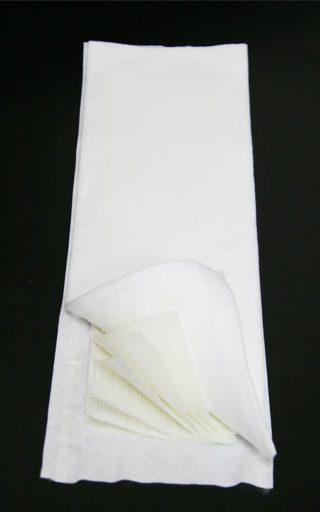
Fiberglass Casting Tape: The Modern Standard in Orthopedic Immobilization
1. Comprehensive Introduction & Overview
In the realm of orthopedic care, effective immobilization is paramount for optimal healing and recovery following fractures, sprains, or surgical interventions. For decades, plaster of Paris casts served as the cornerstone of this immobilization. However, advancements in material science have paved the way for superior alternatives, with Fiberglass Casting Tape emerging as the gold standard.
Fiberglass casting tape is a synthetic orthopedic casting material known for its exceptional strength, lightweight nature, and patient-friendly features. It represents a significant leap forward from traditional plaster, offering clinicians a versatile and efficient tool for stabilizing injured limbs and promoting an environment conducive to healing. This comprehensive guide delves into every aspect of fiberglass casting tape, from its intricate design and biomechanical principles to its detailed clinical applications, usage protocols, and profound impact on patient outcomes. As expert Medical SEO Copywriters and Orthopedic Specialists, we aim to provide an exhaustive resource for healthcare professionals and curious patients alike.
2. Deep-dive into Technical Specifications / Mechanisms
2.1. Design and Materials
Fiberglass casting tape is a sophisticated composite material engineered for robust orthopedic support. Its construction is meticulously designed to maximize strength, minimize weight, and facilitate a rapid, secure application.
- Fiberglass Substrate: The core of the tape consists of a knitted fiberglass fabric. This specific weaving pattern provides excellent conformability, allowing the tape to be easily molded to the contours of the body while maintaining structural integrity. Fiberglass strands are inherently strong, resistant to stretching, and provide the necessary tensile strength for immobilization.
- Resin Impregnation: The fiberglass fabric is uniformly impregnated with a specialized, water-activated polyurethane resin. This resin is chemically formulated to remain inert until exposed to moisture.
- Water Activation: Upon contact with water, the polyurethane resin undergoes a chemical polymerization reaction. This reaction is exothermic (releases heat) and causes the resin to transform from a pliable, tacky state into a rigid, durable polymer matrix.
- Liner Materials: While not part of the casting tape itself, accompanying materials like stockinette and cast padding (often made of polypropylene, polyester, or cotton blends) are crucial. These liners provide a protective barrier between the cast and the skin, preventing irritation, absorbing moisture, and distributing pressure evenly.
- Physical Properties:
- High Strength-to-Weight Ratio: Fiberglass casts are significantly lighter than plaster casts while offering superior strength and rigidity.
- Porosity: The woven structure of fiberglass, combined with the resin, allows for a degree of porosity. This can aid in ventilation, reducing skin maceration and improving patient comfort, although it varies by product.
- Radiolucency: A critical advantage, fiberglass is radiolucent, meaning it allows X-rays to pass through with minimal artifact. This enables clinicians to monitor fracture alignment and healing progress without needing to remove the cast, saving time and reducing patient discomfort.
- Waterproof Capabilities: While the fiberglass tape itself is waterproof once cured, the entire cast is only waterproof if specific waterproof padding is used underneath. Without waterproof padding, water can penetrate to the skin, leading to maceration and infection.
- Available Sizes: Fiberglass casting tapes come in various widths (e.g., 2-inch, 3-inch, 4-inch, 5-inch) and lengths to accommodate different body parts and patient sizes.
2.2. Mechanism of Action and Biomechanics
The therapeutic efficacy of fiberglass casting tape lies in its unique mechanism of action and its ability to apply sound biomechanical principles.
- Water-Activated Polymerization: The moment the resin-impregnated tape is dipped in water, a rapid chemical reaction begins. The water acts as a catalyst, initiating the cross-linking of polyurethane molecules. This process quickly transforms the soft, pliable tape into a rigid structure.
- Exothermic Reaction: The polymerization process is exothermic, generating a small amount of heat. While generally mild and transient, clinicians must be aware of this, especially in sensitive patients or during rapid, multi-layer application, to prevent thermal discomfort or burns.
- Rapid Setting and Curing: Fiberglass tapes typically have a working time of 3-5 minutes and reach functional strength within 20-30 minutes, with full weight-bearing strength achieved within 24 hours. This rapid setting time is a significant advantage in clinical settings.
- Immobilization and Stability: Once cured, the fiberglass cast forms a stiff, unyielding shell around the injured limb. This shell provides external stabilization, preventing unwanted movement at the fracture site or injured joint. By rigidly immobilizing the area, it:
- Prevents Micro-motion: Micro-motion at a fracture site can disrupt callus formation and delay healing. The cast eliminates this, promoting primary bone healing.
- Reduces Pain: Immobilization significantly reduces pain by preventing movement of bone fragments or injured soft tissues.
- Supports Anatomical Alignment: The cast maintains the reduction (repositioning) of fractured bones, ensuring they heal in the correct anatomical position.
- Distributes Load: The rigid shell distributes external forces and body weight over a larger surface area, protecting the injured site from direct stress.
- Biomechanical Principles: The molded shape of the cast leverages the natural contours of the limb to provide a three-point fixation system, effectively counteracting deforming forces and maintaining stability. The rigidity of the cured fiberglass ensures that these biomechanical forces are consistently applied throughout the healing period.
3. Extensive Clinical Indications & Usage
Fiberglass casting tape is a versatile tool with a broad range of clinical applications in orthopedics. Its superior properties make it suitable for various types of injuries and post-operative care.
3.1. Clinical Indications
- Fracture Immobilization: This is the primary indication. Fiberglass casts are used for:
- Closed Fractures: Stabilizing non-displaced or reduced displaced fractures of long bones (e.g., tibia, fibula, radius, ulna), small bones (e.g., metacarpals, metatarsals, phalanges), and certain joint fractures.
- Stress Fractures: Providing support and offloading the affected bone to facilitate healing.
- Post-Reduction Immobilization: Maintaining the correct alignment after manual or surgical reduction of a fracture.
- Post-Operative Immobilization: Following surgical procedures, fiberglass casts are used to:
- Protect Surgical Repairs: Immobilize joints or limbs after ligament repairs (e.g., ACL reconstruction), tendon repairs (e.g., Achilles tendon repair), or complex soft tissue reconstructions.
- Maintain Alignment: Keep bones and joints in a specific position to allow soft tissue and bone healing without undue stress.
- Correction of Deformities: In some cases, serial casting with fiberglass tape can be used to gradually correct congenital or acquired deformities, especially in pediatric orthopedics (e.g., clubfoot management).
- Severe Sprains and Strains: For grade II or III sprains (e.g., ankle sprains), where significant ligamentous injury requires more rigid support than a brace.
- Tendonitis and Other Inflammatory Conditions: In cases of severe, recalcitrant tendonitis where complete rest and immobilization are necessary.
3.2. Detailed Fitting and Usage Instructions
Proper application of fiberglass casting tape is crucial for patient comfort, effective immobilization, and prevention of complications. This process requires skill, attention to detail, and adherence to aseptic techniques where appropriate.
Table: Step-by-Step Fiberglass Cast Application
| Step | Description |
| Patient Preparation | Ensure the skin is clean, dry, and free from any open lesions or wounds. Document any skin conditions. Explain the procedure to the patient.