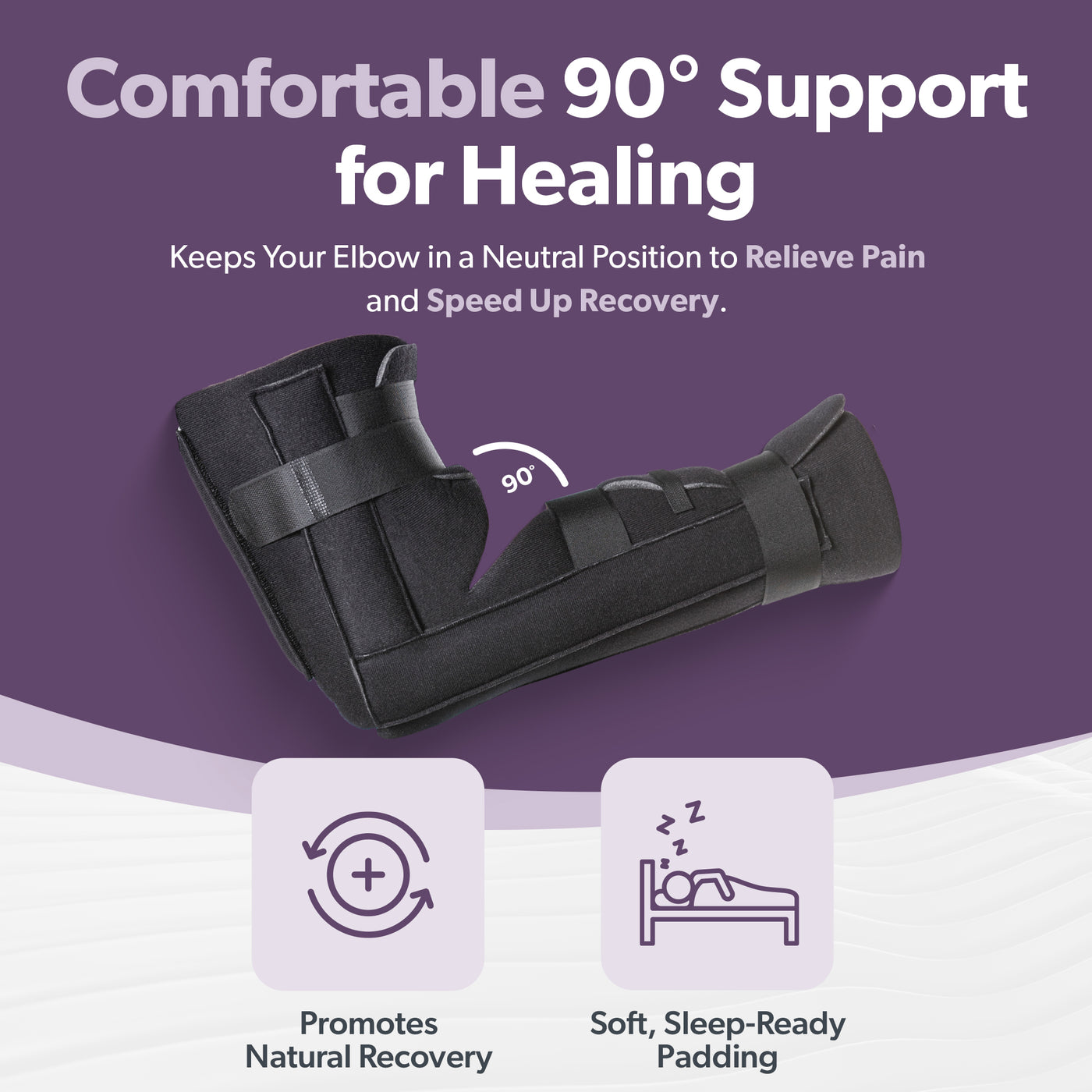
The Essential Guide to Elbow Immobilizers (Post-Op Splints)
1. Comprehensive Introduction & Overview
The elbow joint, a complex articulation of the humerus, radius, and ulna, is crucial for daily activities, facilitating movements from lifting to fine motor tasks. When this intricate joint sustains injury or undergoes surgical intervention, its recovery hinges on precise stabilization and controlled rehabilitation. This is where the Elbow Immobilizer (Post-Op Splint) becomes an indispensable tool in orthopedic recovery.
An elbow immobilizer, often referred to as a post-operative splint or brace, is a specialized medical device designed to support, protect, and control the movement of the elbow joint following injury or surgery. Its primary purpose is to create an optimal healing environment by limiting unwanted motion, thereby preventing re-injury, reducing pain and swelling, and guiding the joint through a carefully prescribed range of motion (ROM) as healing progresses.
This authoritative guide is crafted for patients, caregivers, and healthcare professionals seeking an exhaustive understanding of these critical devices. We will delve into the technical intricacies of their design, explore their diverse clinical applications, provide detailed instructions for fitting and maintenance, unravel the biomechanical principles governing their efficacy, and highlight the profound impact they have on patient outcomes. Adherence to a prescribed bracing protocol is paramount for successful recovery, and this guide aims to empower you with the knowledge to navigate this crucial phase of rehabilitation confidently.
2. Deep-Dive into Technical Specifications & Mechanisms
The efficacy of an elbow immobilizer lies in its sophisticated design and the advanced materials used in its construction, all engineered to meticulously manage joint kinematics.
2.1. Design and Materials
Post-operative elbow splints are typically dynamic or static-progressive devices, with hinged designs being most common for controlled rehabilitation.
-
Frame Structure:
- Materials: Lightweight yet rigid aluminum alloys (e.g., aircraft-grade aluminum) or advanced composite plastics (e.g., carbon fiber composites). These materials provide structural integrity without excessive bulk.
- Design: Often features telescopic bars that allow for adjustable length, accommodating various arm sizes and ensuring the hinge aligns perfectly with the anatomical elbow joint.
-
Hinge Mechanism:
- Type: Polycentric hinges are standard, mimicking the natural rolling and gliding motion of the elbow joint. This prevents pistoning of the brace on the arm during flexion/extension.
- Range of Motion (ROM) Settings: Crucial for controlled rehabilitation, these hinges feature precision dials or pins that allow healthcare providers to set specific flexion and extension stop limits. This graduated adjustment prevents excessive stress on healing tissues while progressively increasing joint mobility.
- Lock-out Feature: Allows the brace to be locked at a specific angle (e.g., full extension) for complete immobilization when required, particularly in early post-operative phases.
- Quick-Release Buttons/Levers: Facilitate easy adjustment or removal by medical personnel.
-
Cuffs/Shells:
- Materials: Rigid, anatomically contoured thermoplastic shells (e.g., polypropylene, polyethylene) for the forearm and bicep. These provide circumferential support and stability.
- Adjustability: Often feature malleable components or adjustable straps to conform to individual limb contours, ensuring a secure and comfortable fit.
-
Padding and Liners:
- Materials: High-density foam, breathable neoprene, or moisture-wicking fabrics (e.g., Lycra, CoolMax) are used for padding. These materials are selected for their cushioning properties, skin compatibility, and ability to manage moisture and heat, preventing skin irritation and breakdown.
- Features: Often removable and washable for hygiene. Anti-microbial treatments may be incorporated.
-
Strapping System:
- Materials: Durable, non-stretch nylon or polyester straps with hook-and-loop (Velcro) closures.
- Design: Multiple straps (typically 4-6) are strategically placed above and below the elbow joint to secure the brace firmly to the limb, preventing migration and ensuring consistent support. D-rings or buckle systems aid in secure fastening.
2.2. Biomechanics of Immobilization and Controlled Motion
The biomechanical principles underlying elbow immobilizers are fundamental to their therapeutic action:
-
Stabilization and Protection:
- By encasing the forearm and upper arm and bridging the elbow joint, the brace mechanically restricts unwanted torsional, varus, or valgus stresses that could disrupt surgical repairs or fracture healing.
- It acts as an external skeleton, protecting the fragile healing tissues from accidental bumps or movements.
-
Load Distribution:
- The rigid cuffs distribute forces evenly across a larger surface area of the limb, reducing pressure points that could lead to skin breakdown or nerve compression.
-
Controlled Articular Motion (CAM):
- The hinged mechanism allows for precise, physician-prescribed ROM. This is critical for:
- Preventing Adhesions and Contractures: Early, controlled motion can stimulate synovial fluid production, nourish cartilage, and prevent the formation of restrictive scar tissue.
- Promoting Tissue Healing: Gradual loading and motion within physiological limits can stimulate cellular activity, collagen alignment, and blood flow, which are vital for tendon, ligament, and bone repair.
- Maintaining Muscle Tone: While immobilization can lead to atrophy, controlled ROM allows for some muscle activation, mitigating severe strength loss.
- The hinged mechanism allows for precise, physician-prescribed ROM. This is critical for:
-
Proprioceptive Feedback:
- The physical presence of the brace provides sensory feedback to the patient, reminding them of the injured state of their elbow and encouraging cautious movement.
3. Extensive Clinical Indications & Usage
Elbow immobilizers are critical in the post-operative management of a wide array of orthopedic conditions affecting the elbow.
3.1. Detailed Surgical Applications
| Surgical Procedure | Primary Indication for Brace | Typical Bracing Protocol (General) The Elbow Immobilizer (Post-Op Splint) is a cornerstone in orthopedic rehabilitation, providing crucial support and controlled motion for optimal healing. This guide offers comprehensive insights into its design, application, and benefits.
3.1. Detailed Surgical Applications
Elbow immobilizers are indispensable following various surgical interventions to protect repairs and guide recovery.
- Ulnar Collateral Ligament (UCL) Reconstruction (Tommy John Surgery): Post-operative immobilization is vital to protect the newly reconstructed ligament, gradually increasing ROM to promote healing and prevent stiffness.
- Brace Protocol: Often locked at 30-60 degrees flexion initially, with gradual progression of extension and flexion over 6-8 weeks.
- Distal Biceps Tendon Repair: The brace prevents excessive extension and supination, which can stress the repaired tendon insertion.
- Brace Protocol: Typically immobilized in 90 degrees flexion and neutral forearm rotation, with controlled flexion/extension introduced after 2-4 weeks.
- Triceps Tendon Repair: Prevents forced flexion, protecting the repaired triceps tendon.
- Brace Protocol: Immobilized in extension (0-30 degrees flexion) initially, with gradual flexion progression.
- Elbow Fractures (Olecranon, Radial Head, Distal Humerus) - Post-Open Reduction Internal Fixation (ORIF): Provides stability to the surgically repaired bone fragments, allowing for controlled, early motion to prevent stiffness while the fracture heals.
- Brace Protocol: Varies widely based on fracture stability and fixation. May involve initial complete immobilization followed by controlled ROM.
- Elbow Ligament Repairs/Reconstructions (Lateral Collateral Ligament - LCL, Medial Collateral Ligament - MCL): Protects the repaired ligaments from specific varus or valgus stresses.
- Brace Protocol: Specific ROM limits are set to avoid stressing the repaired ligament. For LCL, often limits extension and pronation; for MCL, limits extension and supination.
- Elbow Arthroplasty (Total Elbow Replacement): Supports the prosthetic joint, prevents dislocation, and controls early motion.
- Brace Protocol: Often locked in extension or a specific flexion angle for initial protection, with controlled ROM introduced early to prevent adhesions.
- Capsular Releases/Arthrolysis: After surgery to release stiff joint capsules, the brace helps maintain the newly gained ROM and prevents recurrence of contractures.
- Brace Protocol: Aggressive, controlled ROM often starts immediately or very soon after surgery to maintain surgical gains.
- Ulnar Nerve Transposition: While not directly for joint stability, an elbow brace can protect the surgical site and prevent excessive elbow flexion, which can stretch the transposed nerve in the early healing phase.
- Brace Protocol: Often limits flexion to prevent tension on the nerve.
3.2. Non-Surgical Applications (Briefly)
While the primary focus is post-operative, elbow immobilizers can also be used for:
- Severe Elbow Sprains/Strains: To provide rest and support for ligamentous or muscular injuries.
- Elbow Dislocations (after reduction): To protect the joint from re-dislocation while surrounding soft tissues heal.
3.3. Fitting & Usage Instructions
Proper fitting is paramount for brace effectiveness and patient comfort. It should ideally be performed by a healthcare professional.
- Pre-fitting Considerations:
- Patient Assessment: Evaluate arm circumference, length, and any swelling or skin integrity issues.
- Surgical Protocol: Confirm the specific ROM limits and wearing schedule prescribed by the surgeon.
- Step-by-Step Fitting Guide:
- Patient Positioning: Have the patient sit comfortably with their arm supported in the desired initial position (e.g., 90 degrees flexion).
- Brace Preparation: Ensure all straps are unfastened and padding is correctly positioned within the cuffs.
- Align Hinge: Carefully place the brace on the arm, ensuring the center of the brace's hinge aligns precisely with the anatomical axis of the elbow joint (lateral epicondyle).
- Adjust Length: If telescopic, adjust the length of the proximal and distal bars so the cuffs sit comfortably on the forearm and bicep, without impinging on the wrist or shoulder.
- Position Cuffs: Ensure the rigid cuffs are snug but not tight against the limb, providing even support.
- Secure Straps: Begin fastening straps, typically starting from the most proximal (closest to the shoulder) and working distally. Ensure each strap is secure but allows for adequate circulation (two fingers should fit under a tightened strap). Avoid overtightening.
- Set ROM Limits: Adjust the flexion and extension stop pins/dials on the hinge mechanism according to the surgeon's specific prescription. Double-check settings.
- Final Check: Ask the patient about comfort, check for any pressure points, skin blanching, numbness, or tingling. Instruct the patient on how to check their circulation (capillary refill).
- Patient Education:
- Wearing Schedule: Emphasize strict adherence to the prescribed duration (e.g., 24/7, except for hygiene, or specific hours).
- Hygiene: Instruct on how to perform skin hygiene around and under the brace.
- Signs of Concern: Educate on symptoms requiring immediate attention: increased pain, swelling, numbness, tingling, skin discoloration, blistering, or brace malfunction.
- Activity Restrictions: Clearly outline movements and activities to avoid while wearing the brace.
- DO NOT Adjust ROM: Stress that ROM settings should only be changed by a healthcare professional.
3.4. Maintenance & Cleaning Protocols
Proper maintenance ensures brace longevity, hygiene, and continued effectiveness.
- Daily Inspection:
- Check for any loose components, worn straps, or signs of damage to the hinge mechanism or frame.
- Inspect skin under the brace for redness, irritation, or pressure sores.
- Cleaning Padding:
- Most fabric padding and liners are removable. Hand wash with mild soap and cool water.
- Rinse thoroughly and air dry completely before reattaching. Do not machine wash or tumble dry, as this can damage materials.
- Cleaning Rigid Components:
- Wipe down plastic shells and metal frame with a damp cloth and mild soap.
- Ensure no moisture enters the hinge mechanism. Dry thoroughly.
- Storage:
- When not in use, store the brace in a clean, dry place, away from direct sunlight or extreme temperatures.
- Professional Check-ups:
- Regular follow-up appointments allow healthcare providers to assess brace fit, function, and make any necessary adjustments to ROM.
4. Risks, Side Effects, or Contraindications
While highly beneficial, elbow immobilizers carry potential risks and side effects, and certain conditions may contraindicate their use.
4.1. Risks and Side Effects
- Skin Irritation and Breakdown: Pressure points, friction, moisture retention, or improper fit can lead to redness, rashes, blistering, or even pressure ulcers.
- Nerve Compression: If straps are too tight or padding is insufficient, nerves (e.g., ulnar nerve) can be compressed, leading to numbness, tingling, or weakness.
- Circulatory Compromise: Overly tight straps can impede blood flow, causing swelling, discoloration, and potential tissue damage.
- Muscle Atrophy and Joint Stiffness: While controlled motion aims to mitigate this, prolonged immobilization or inadequate progression of ROM can lead to significant muscle wasting and persistent joint stiffness (contractures).
- Patient Non-Compliance: Discomfort, inconvenience, or misunderstanding of instructions can lead to patients not wearing the brace as prescribed, jeopardizing recovery.
- Discomfort and Sleep Disturbance: The brace can be bulky and uncomfortable, especially during sleep.
- Hygiene Challenges: Maintaining skin hygiene under the brace can be difficult, increasing the risk of skin issues.
4.2. Contraindications (Relative)
- Severe Swelling: Excessive edema may prevent proper fitting, potentially exacerbating swelling or causing nerve/circulatory issues. Swelling must be managed before or during brace application.
- Open Wounds or Active Infections: The brace should not be applied directly over open wounds or infected areas without appropriate sterile dressings and careful monitoring, as it can hinder wound healing or spread infection.
- Allergies to Brace Materials: Rare, but patients with known allergies to specific plastics, metals, or fabrics should be fitted with alternative materials.
- Cognitive Impairment: Patients who cannot understand or comply with brace instructions (e.g., due to dementia, severe cognitive injury) may require constant caregiver supervision or an alternative immobilization method.
- Extremely Unstable Fractures: In some cases, a brace may not provide sufficient immobilization for highly unstable fractures, necessitating casting or more rigid external fixation initially.
5. Patient Outcome Improvements
The judicious use of an elbow immobilizer significantly contributes to superior patient outcomes, playing a pivotal role in the journey from injury or surgery to full recovery.
- Enhanced Healing Environment: By providing a stable and protected environment, the brace minimizes disruptive forces on healing tissues, allowing for optimal cellular repair and regeneration of bone, ligament, or tendon structures.
- Reduced Pain and Swelling: Immobilization and controlled motion help to decrease inflammation and protect the sensitive surgical site, leading to a significant reduction in post-operative pain and swelling.
- Prevention of Re-injury or Secondary Complications: The brace acts as a protective shield, preventing accidental movements or impacts that could re-injure the healing structures. It also helps prevent complications like heterotopic ossification (abnormal bone growth) by controlling early motion.
- Improved Functional Recovery and Range of Motion: Graduated ROM progression, guided by the brace, ensures that the joint regains mobility safely and effectively, preventing permanent stiffness while protecting delicate repairs. This leads to a more predictable and often faster return to functional activities.
- Faster Return to Activities: By accelerating safe healing and functional recovery, the brace facilitates an earlier and more confident return to daily activities, work, and sports, under medical guidance.
- Psychological Benefits: Patients often report feeling more secure and confident knowing their elbow is protected. This psychological comfort can reduce anxiety and encourage greater participation in the rehabilitation process.
- Optimized Scar Management: Controlled motion can positively influence scar formation, potentially leading to less restrictive and more cosmetically appealing scars.
6. Frequently Asked Questions (FAQ)
Q1: How long do I need to wear my elbow immobilizer?
A1: The duration of brace wear is highly individualized and determined by your surgeon based on the specific injury or surgery, your healing progress, and the prescribed rehabilitation protocol. It can range from a few weeks to several months. Always follow your doctor's specific instructions.
Q2: Can I shower with my brace on?
A2: Generally, no. Most elbow immobilizers are not designed to be submerged in water. Water can damage the padding, straps, and hinge mechanism, and can trap moisture against your skin, leading to irritation or infection. You will typically be instructed to remove the brace for showering, carefully supporting your arm, and then thoroughly drying your arm and the brace components before reapplying. Always confirm with your medical team.
Q3: How do I clean my elbow brace?
A3: Remove any fabric padding or liners and hand wash them with mild soap and cool water. Rinse thoroughly and air dry completely. Wipe down the rigid plastic and metal components with a damp cloth and mild soap, then dry them completely. Avoid harsh chemicals or machine washing/drying.
Q4: What should I do if my brace feels too tight or causes pain?
A4: If your brace feels too tight, causes new or increased pain, numbness, tingling, or skin discoloration, loosen the straps slightly if possible. If symptoms persist or worsen, contact your doctor or therapist immediately. Do not attempt to adjust the brace's length or ROM settings yourself.
Q5: Can I adjust the range of motion settings myself?
A5: Absolutely NOT. The range of motion (ROM) settings on your brace are precisely prescribed by your surgeon or therapist to protect your healing tissues. Changing these settings without professional guidance can severely compromise your recovery, cause re-injury, or lead to complications.
Q6: Is it normal to have some swelling or numbness?
A6: Some mild swelling is common after surgery or injury. However, significant or increasing swelling, especially accompanied by numbness, tingling, or skin color changes, is NOT normal and could indicate a problem with circulation or nerve compression. Contact your healthcare provider immediately if you experience these symptoms.
Q7: When can I start physical therapy?
A7: Physical therapy often begins very soon after surgery, sometimes even within the first few days or weeks, while still wearing the brace. Your surgeon and therapist will work together to determine the optimal timing and progression of your rehabilitation exercises. Adherence to their guidance is crucial.
Q8: Can I sleep with my elbow immobilizer on?
A8: In most post-operative protocols, you will be required to wear your brace while sleeping to maintain joint protection and stability. Your healthcare provider will provide specific instructions regarding brace wear during sleep. You may find sleeping positions that offer more comfort.
Q9: What activities should I avoid while wearing the brace?
A9: You should strictly avoid any activities that put stress on your healing elbow, involve lifting, pushing, pulling, or sudden movements. This includes strenuous exercise, sports, and heavy lifting. Your surgeon and therapist will provide a detailed list of activities to avoid and when you can gradually resume others.
Q10: What is the difference between a cast and an immobilizer?
A10: A cast provides rigid, complete immobilization, typically for fractures requiring absolute stillness for initial healing. It offers no adjustable range of motion. An immobilizer (specifically a hinged post-op splint) provides stabilization and protection but allows for controlled, adjustable range of motion. This controlled movement is crucial for preventing stiffness and promoting optimal healing in many post-surgical scenarios.
Q11: How do I know if my brace is fitted correctly?
A11: A correctly fitted brace should feel secure and supportive without causing excessive pressure, pinching, or rubbing. The hinge should align with your elbow joint, and the straps should be snug but not tight enough to restrict circulation. You should be able to move your fingers freely. If you have any doubts, ask your healthcare provider to check the fit.
Q12: Will wearing the brace weaken my arm muscles?
A12: While any period of immobilization can lead to some muscle disuse atrophy, post-operative elbow immobilizers are designed to allow for controlled, progressive range of motion and early physical therapy. This approach helps to minimize muscle weakness and accelerate the return of strength compared to complete, prolonged immobilization