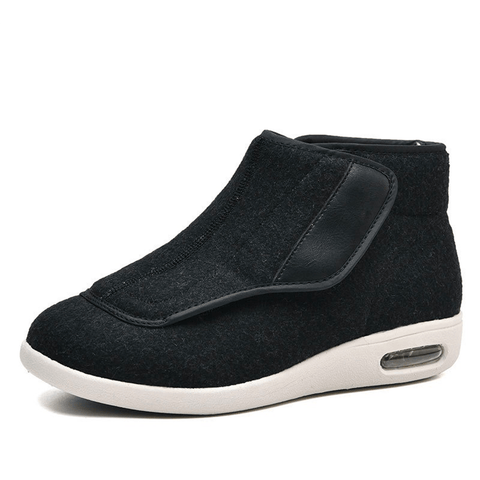
Diabetic Extra-Depth Shoes: Your Essential Guide to Proactive Foot Health
Diabetes is a complex chronic condition that can significantly impact various parts of the body, with the feet being particularly vulnerable. Diabetic foot complications, including neuropathy, poor circulation, ulcers, and infections, are leading causes of hospitalization and non-traumatic lower limb amputations worldwide. Proactive and preventative care is paramount in managing these risks, and at the forefront of this strategy are specialized medical devices like the Diabetic Extra-Depth Shoe.
This comprehensive guide, authored by orthopedic specialists and medical SEO experts, delves into every aspect of diabetic extra-depth shoes. We will explore their intricate design, the biomechanical principles behind their efficacy, detailed clinical applications, precise fitting and usage instructions, crucial maintenance protocols, and the profound impact they have on improving patient outcomes. Understanding these specialized shoes is not just about comfort; it's about preserving mobility, preventing life-altering complications, and enhancing the overall quality of life for individuals living with diabetes.
Deep Dive into Technical Specifications and Mechanisms
Diabetic extra-depth shoes are not merely "comfortable" shoes; they are meticulously engineered medical devices designed to mitigate the specific risks associated with diabetic foot pathology. Their design, material selection, and underlying biomechanics are critical to their therapeutic function.
Design Features for Optimal Protection
The unique design elements of diabetic extra-depth shoes are purpose-built to address the common challenges faced by diabetic feet:
- Extra Depth: This is the defining feature, providing significantly more vertical space within the shoe compared to conventional footwear.
- Purpose: Accommodates custom-molded orthotics, specialized inserts, and allows ample room for foot deformities such as hammertoes, bunions, claw toes, or swollen feet (edema) without compression.
- Mechanism: Prevents pressure points and friction that can lead to skin breakdown and ulcer formation, especially in areas where bony prominences are present.
- Wide Toe Box: Unlike fashion shoes that often taper at the toes, diabetic shoes feature a spacious, often rounded, toe box.
- Purpose: Allows toes to splay naturally, preventing compression and rubbing between digits or against the shoe's upper.
- Mechanism: Reduces the risk of corns, calluses, and interdigital ulcers, which are common sources of infection in neuropathic feet.
- Seamless Interior Lining: The inside of the shoe is constructed with minimal to no seams.
- Purpose: Eliminates potential friction points and irritations against the delicate skin of a neuropathic foot.
- Mechanism: Prevents blisters, abrasions, and skin tears that could escalate into serious wounds due to impaired sensation.
- Padded Collar and Tongue: Soft, cushioned padding around the ankle opening and under the laces.
- Purpose: Enhances comfort and prevents irritation or pressure on the ankle and dorsum of the foot.
- Mechanism: Ensures a snug yet gentle fit, reducing the likelihood of rubbing and pressure-induced injury.
- Rocker Sole (often integrated): A sole designed with a slight curve, promoting a smooth heel-to-toe rolling motion during gait.
- Purpose: Reduces pressure on the forefoot and heel, facilitates easier propulsion, and accommodates limited ankle mobility.
- Mechanism: Distributes plantar pressure more evenly across the foot, offloading high-pressure areas prone to ulceration, and improving gait efficiency for individuals with neuropathy or joint stiffness.
- Adjustable Closures: Typically Velcro straps or laces.
- Purpose: Allows for customized fit adjustments throughout the day, accommodating fluctuations in foot swelling or ensuring a secure hold.
- Mechanism: Prevents the foot from sliding within the shoe, which can cause shear forces and friction, while also allowing for easy donning and doffing, crucial for individuals with dexterity issues.
- Firm Heel Counter: A reinforced section at the back of the shoe.
- Purpose: Provides stability and controls rearfoot motion.
- Mechanism: Helps maintain proper foot alignment, reducing pronation or supination that could lead to abnormal pressure distribution and joint stress.
Material Selection for Protection and Comfort
The choice of materials is crucial for the performance and durability of diabetic extra-depth shoes:
- Upper Materials:
- Soft Leathers (e.g., Nappa, full-grain): Breathable, durable, and conform to the foot over time without causing irritation.
- Synthetic Microfibers/Knits: Lightweight, breathable, often stretchable, and can offer specific antimicrobial properties.
- Stretchable Fabrics: Accommodate bunions, hammertoes, and swelling without applying pressure.
- Key Requirement: All upper materials must be non-irritating, flexible, and allow for adequate airflow to prevent moisture build-up.
- Lining Materials:
- Smooth, Seamless, Moisture-Wicking: Often made from soft leather, antimicrobial fabrics, or synthetic textiles.
- Purpose: Prevents friction, absorbs sweat to keep feet dry, and inhibits bacterial/fungal growth.
- Midsole:
- Cushioned, Shock-Absorbing: Materials like EVA (ethylene-vinyl acetate) or PU (polyurethane).
- Purpose: Provides critical shock absorption, protecting the joints and plantar surface from impact forces during ambulation.
- Mechanism: Reduces peak plantar pressures and attenuates ground reaction forces.
- Outsole:
- Durable, Non-Slip, Wide Base: High-abrasion rubber or synthetic compounds.
- Purpose: Ensures stability, prevents slips and falls, and offers long-lasting wear.
- Mechanism: A wide outsole base enhances stability, crucial for individuals with balance issues due to neuropathy.
- Removable Inserts/Orthotics:
- Multi-Density, Customizable: Often made of closed-cell foam, EVA, or specialized viscoelastic materials.
- Purpose: Provides additional cushioning, support, and critical pressure redistribution.
- Mechanism: These can be custom-molded by a podiatrist or pedorthist to offload specific high-pressure areas, accommodate deformities, and provide arch support, significantly reducing the risk of ulceration.
Biomechanics: The Science of Foot Protection
The biomechanical principles underpinning diabetic extra-depth shoes are focused on mitigating the specific vulnerabilities of the diabetic foot:
- Pressure Redistribution: The primary biomechanical goal. Through extra depth, wide toe box, cushioning, and custom orthotics, these shoes effectively spread plantar pressure over a larger surface area, preventing localized high-pressure points that lead to callus formation and ulceration.
- Reduction of Shear Forces: Smooth interiors, proper fit, and secure closures minimize the friction and shearing forces between the foot and the shoe, which are particularly damaging to neuropathic skin.
- Enhanced Stability and Balance: A wide outsole base, firm heel counter, and proper fit contribute to improved postural stability, reducing the risk of falls, which can lead to fractures or skin injuries.
- Accommodation of Deformities: The generous internal volume and flexible materials allow the shoe to conform to and accommodate existing foot deformities without creating new points of pressure, thereby preventing secondary complications.
- Gait Improvement: Features like the rocker sole can facilitate a smoother gait cycle, reducing the energy expenditure and stress on foot joints, especially beneficial for individuals with limited joint mobility or muscle weakness.
Extensive Clinical Indications & Usage
Diabetic extra-depth shoes are a cornerstone of preventative foot care for individuals with diabetes, particularly those at elevated risk for complications.
Who Needs Diabetic Extra-Depth Shoes?
These shoes are medically indicated for individuals with diabetes who present with specific risk factors or existing conditions:
- Diabetic Neuropathy: Sensory neuropathy (loss of protective sensation) is the primary indication, as patients cannot feel pressure, pain, or injury.
- Peripheral Arterial Disease (PAD): Compromised circulation impairs healing, making prevention of skin breakdown even more critical.
- Foot Deformities:
- Bunions, hammertoes, claw toes
- Charcot neuroarthropathy (Charcot foot)
- Severe calluses or corns
- Amputations (partial foot)
- History of Foot Ulcers: Patients with a past history of foot ulcers are at extremely high risk for recurrence.
- Edema (Swelling): Accommodates fluctuating foot volume without constricting blood flow or causing pressure.
- Requiring Custom Orthotics: The extra depth is essential to comfortably house custom-molded inserts without making the shoe too tight.
- Pre-Ulcerative Lesions: Such as persistent redness, blisters, or deep calluses.
Clinical Applications and Patient Outcome Improvements
The use of diabetic extra-depth shoes is a critical component of a comprehensive diabetic foot management plan, leading to significant patient outcome improvements:
- Primary Prevention of Ulcers: By redistributing pressure, reducing shear forces, and accommodating deformities, these shoes drastically lower the incidence of new foot ulcers, especially in high-risk patients.
- Prevention of Calluses and Corns: These shoes eliminate the friction and pressure points that cause hyperkeratosis, preventing the formation of these lesions which can hide underlying ulcers.
- Accommodation of Deformities: They prevent the progression of existing deformities and ensure that they do not become new sources of pressure or pain.
- Improved Stability and Balance: A stable base of support and proper fit reduce the risk of falls, which can lead to fractures or soft tissue injuries in a neuropathic foot.
- Post-Operative Protection: Following foot surgery (e.g., bunionectomy, ulcer debridement, partial amputation), these shoes provide a protective environment for healing and prevent recurrence of issues.
- Support for Healing Ulcers: When combined with appropriate offloading devices (e.g., total contact casts, walking boots), extra-depth shoes can be part of the transition to regular footwear, providing continued protection.
- Enhanced Patient Comfort and Mobility: Patients experience less pain and discomfort, encouraging greater physical activity and improving overall quality of life.
- Reduction in Amputation Rates: Studies consistently show that comprehensive foot care programs, including therapeutic footwear, significantly reduce the incidence of lower limb amputations in diabetic populations.
Fitting and Usage Instructions
Proper fitting is paramount for the effectiveness and safety of diabetic extra-depth shoes. It is highly recommended that fitting be performed by a qualified healthcare professional, such as a podiatrist or certified pedorthist.
- Professional Assessment: Always seek professional guidance for fitting. They understand foot biomechanics and diabetic foot pathology.
- Timing of Fitting: Schedule fittings late in the day when feet are typically at their largest due to natural swelling.
- Measure Both Feet: Feet are often different sizes. Fit to the larger foot.
- Wear Appropriate Socks: Bring the type of socks you typically wear (seamless, moisture-wicking) to the fitting.
- Check Length: Ensure there is a thumb's width (approximately 1/2 inch) between the longest toe and the end of the shoe. This prevents toe compression.
- Check Width and Depth: The shoe should be wide enough to accommodate the forefoot without squeezing and deep enough to prevent pressure on the top of the toes or foot, especially when orthotics are inserted.
- Heel Fit: The heel should fit snugly, without slipping, to prevent friction.
- Test with Orthotics: If custom orthotics are prescribed, they must be inserted during the fitting to ensure proper overall fit.
- Walk Around: Walk several steps in the shoes to assess comfort, fit, and any pressure points.
- Break-in Period: Gradually increase wear time. Start with 1-2 hours a day and slowly extend. Inspect feet frequently during this period.
- Daily Foot Inspection: Even with perfectly fitted shoes, inspect feet daily for redness, blisters, cuts, or foreign objects.
- Always Wear Shoes: Never go barefoot, even at home, to protect vulnerable feet from injury.
Maintenance and Hygiene Protocols
Proper maintenance ensures the longevity and continued efficacy of diabetic extra-depth shoes and their inserts. Hygiene is crucial to prevent infections.
Daily Care
- Wipe Down: Gently wipe the exterior of the shoes daily to remove dirt and dust.
- Inspect for Wear: Check for any signs of damage, loose stitching, or foreign objects inside the shoe.
- Remove Inserts: Take out the insoles daily to allow them to air out and dry, preventing moisture build-up and bacterial growth.
Cleaning
- Upper Materials:
- Leather: Use a damp cloth and mild leather cleaner. Avoid harsh chemicals. Condition leather periodically to keep it supple.
- Synthetics/Fabrics: Use a damp cloth with mild soap and water. For stubborn stains, a soft brush may be used.
- Insoles/Orthotics:
- Wipe down with a damp cloth and mild soap.
- For custom orthotics, follow your pedorthist's specific cleaning instructions.
- Antimicrobial sprays can be used, but ensure they are safe for the material and allowed to dry completely.
- Outsoles: Clean with a brush and water to remove dirt and debris, ensuring traction is maintained.
Drying
- Air Dry Thoroughly: Always allow shoes and insoles to air dry completely at room temperature.
- Avoid Direct Heat: Never place shoes near direct heat sources (e.g., radiators, direct sunlight, dryers) as this can damage materials, cause shrinking, or alter the shape.
- Stuff with Paper: For wet shoes, stuffing them with newspaper can help absorb moisture and maintain shape.
Regular Inspection and Replacement
- Weekly Inspection: Conduct a thorough weekly inspection of the entire shoe, inside and out. Look for:
- Worn spots in the lining or upper that could cause friction.
- Cracks or excessive wear on the outsole that compromise stability.
- Compressed or degraded midsole cushioning.
- Damaged stitching or closures.
- Insole Replacement: Custom orthotics and multi-density inserts typically need replacement every 6-12 months, as their cushioning and supportive properties degrade over time.
- Shoe Replacement: Diabetic extra-depth shoes should generally be replaced every 1-2 years, depending on the level of wear and tear. High levels of activity or heavy use may necessitate earlier replacement. Your podiatrist or pedorthist can advise on the optimal replacement schedule.
Sterilization (Hygiene Focus)
While full sterilization is not typically performed for footwear, maintaining rigorous hygiene is critical:
* Personal Use Only: Diabetic shoes are personal medical devices and should never be shared.
* Antimicrobial Treatments: Consider using antimicrobial sprays or powders for the interior of the shoes and inserts, especially if prone to fungal infections.
* Regular Cleaning: Consistent cleaning as outlined above is the best defense against microbial growth.
Risks, Side Effects, or Contraindications
While diabetic extra-depth shoes are highly beneficial, it's crucial to be aware of potential issues if not properly selected, fitted, or used.
Risks of Improper Fit
The most significant risks stem from an ill-fitting shoe:
- Blisters and Abrasions: Shoes that are too tight, too loose, or have internal seams can cause friction, leading to skin breakdown.
- Calluses and Corns: Incorrect pressure points due to poor fit can exacerbate or create new areas of hyperkeratosis.
- New Ulcer Formation: The very condition these shoes aim to prevent can be caused by an ill-fitting pair.
- Increased Fall Risk: Shoes that are too large, too small, or lack proper support can compromise balance and increase the likelihood of falls.
- Aggravation of Deformities: Inadequate depth or width can put undue pressure on bunions, hammertoes, or other deformities, leading to pain and further complications.
- Compromised Circulation: Overly tight shoes can restrict blood flow, which is particularly dangerous for individuals with peripheral arterial disease.
Side Effects
- Initial Discomfort: A brief break-in period is normal, during which some mild discomfort may be experienced as the foot adjusts to the new support and cushioning. This should subside quickly; persistent discomfort indicates a fitting issue.
- Perceived Bulkiness: Some patients may initially find the shoes bulkier than conventional footwear due to the extra depth and wide toe box. This is a trade-off for superior protection.
Contraindications
There are very few absolute contraindications for diabetic extra-depth shoes themselves, as they are primarily a preventative and protective measure. However, their use might be temporarily paused or modified in specific acute situations:
- Acute Foot Infection: In cases of severe, active foot infection or deep ulcers requiring complete non-weight-bearing or specialized offloading devices (e.g., total contact cast, surgical shoe), standard diabetic extra-depth shoes may not be sufficient or appropriate until the acute phase resolves.
- Severe Edema: Extremely severe, rapidly fluctuating edema may require temporary use of adjustable wound care footwear or compression therapy before a stable shoe fit can be achieved.
- Severe Foot Deformities Requiring Custom Bracing: In some extreme cases of Charcot foot or other severe deformities, custom ankle-foot orthoses (AFOs) or specialized boots might be required, which may or may not fit within a standard extra-depth shoe.
It's critical to understand that diabetic extra-depth shoes are part of a comprehensive care plan. They are not a standalone solution for active, severe foot pathologies but rather a vital tool for prevention and long-term management. Regular communication with your healthcare team (podiatrist, endocrinologist, primary care physician) is essential to ensure the footwear remains appropriate for your evolving foot health needs.
Frequently Asked Questions (FAQ)
1. What makes a shoe "extra-depth" for diabetics, and why is it important?
Extra-depth refers to the increased vertical space inside the shoe. This is crucial for accommodating custom orthotics, swollen feet, and foot deformities like bunions or hammertoes without causing pressure or friction, which can lead to skin breakdown and ulcers in diabetic feet.
2. How often should I replace my diabetic extra-depth shoes?
Generally, diabetic extra-depth shoes should be replaced every 1 to 2 years, depending on your activity level and the wear and tear. Custom orthotics or inserts, however, typically need replacement every 6 to 12 months as their supportive and cushioning properties degrade.
3. Can I wear regular socks with my diabetic shoes?
It is highly recommended to wear seamless, moisture-wicking socks specifically designed for diabetics. Regular socks often have seams that can cause friction, and materials that don't wick moisture effectively, increasing the risk of blisters and infections.
4. Do diabetic extra-depth shoes require a prescription?
In many regions, particularly in the United States, diabetic extra-depth shoes and inserts require a prescription from a physician to be covered by insurance (e.g., Medicare Part B). This ensures medical necessity and proper fitting by a qualified professional.
5. Are diabetic extra-depth shoes covered by insurance?
Yes, in many countries and with specific insurance plans (like Medicare Part B in the U.S.), diabetic extra-depth shoes and inserts are covered as durable medical equipment (DME) if medically necessary and prescribed by a physician. Coverage typically includes one pair of shoes and three pairs of inserts per calendar year.
6. Can diabetic extra-depth shoes prevent amputation?
While not a sole solution, diabetic extra-depth shoes are a critical component of a comprehensive diabetic foot care program that has been proven to significantly reduce the risk of foot ulcers and, consequently, lower limb amputations. They protect vulnerable feet from injury and redistribute pressure.
7. What's the difference between diabetic extra-depth shoes and comfort shoes?
While both aim for comfort, diabetic extra-depth shoes are medical devices with specific design features (extra depth, wide toe box, seamless interior, specific materials) engineered to prevent diabetic foot complications. Comfort shoes may be soft and cushioned but lack the precise protective and biomechanical features necessary for high-risk diabetic feet.
8. How do I know if my diabetic extra-depth shoes fit correctly?
A correct fit means: a thumb's width between your longest toe and the shoe's end; no squeezing at the sides or top of your foot; your heel fits snugly without slipping; and no pressure points or rubbing when you walk. Professional fitting by a podiatrist or pedorthist is essential.
9. Can I use my old custom orthotics in new diabetic extra-depth shoes?
It's generally not recommended. Your feet can change over time, and orthotics degrade. When you get new shoes, it's often an ideal time to get new custom orthotics as well, ensuring they still provide optimal support and pressure redistribution for your current foot structure.
10. What if I have a foot ulcer, can I still wear diabetic extra-depth shoes?
For active foot ulcers, specialized offloading devices (e.g., total contact casts, wound care shoes) are usually required to completely relieve pressure on the wound. Diabetic extra-depth shoes are primarily for prevention and may be used during the transition phase once the ulcer is healing or fully closed, under the guidance of your healthcare provider.
11. Are there stylish options for diabetic extra-depth shoes?
Absolutely! The market for diabetic extra-depth shoes has evolved significantly. Many manufacturers now offer a wide range of styles, colors, and designs that are both therapeutically effective and aesthetically pleasing, including athletic shoes, dress shoes, and casual options.
12. How do I clean and maintain my diabetic extra-depth shoes?
Clean the exterior with a damp cloth and mild soap (or leather cleaner for leather shoes). Remove insoles daily to air dry. Avoid direct heat for drying. Regularly inspect for wear and tear, especially inside the shoe, and replace insoles every 6-12 months and shoes every 1-2 years.