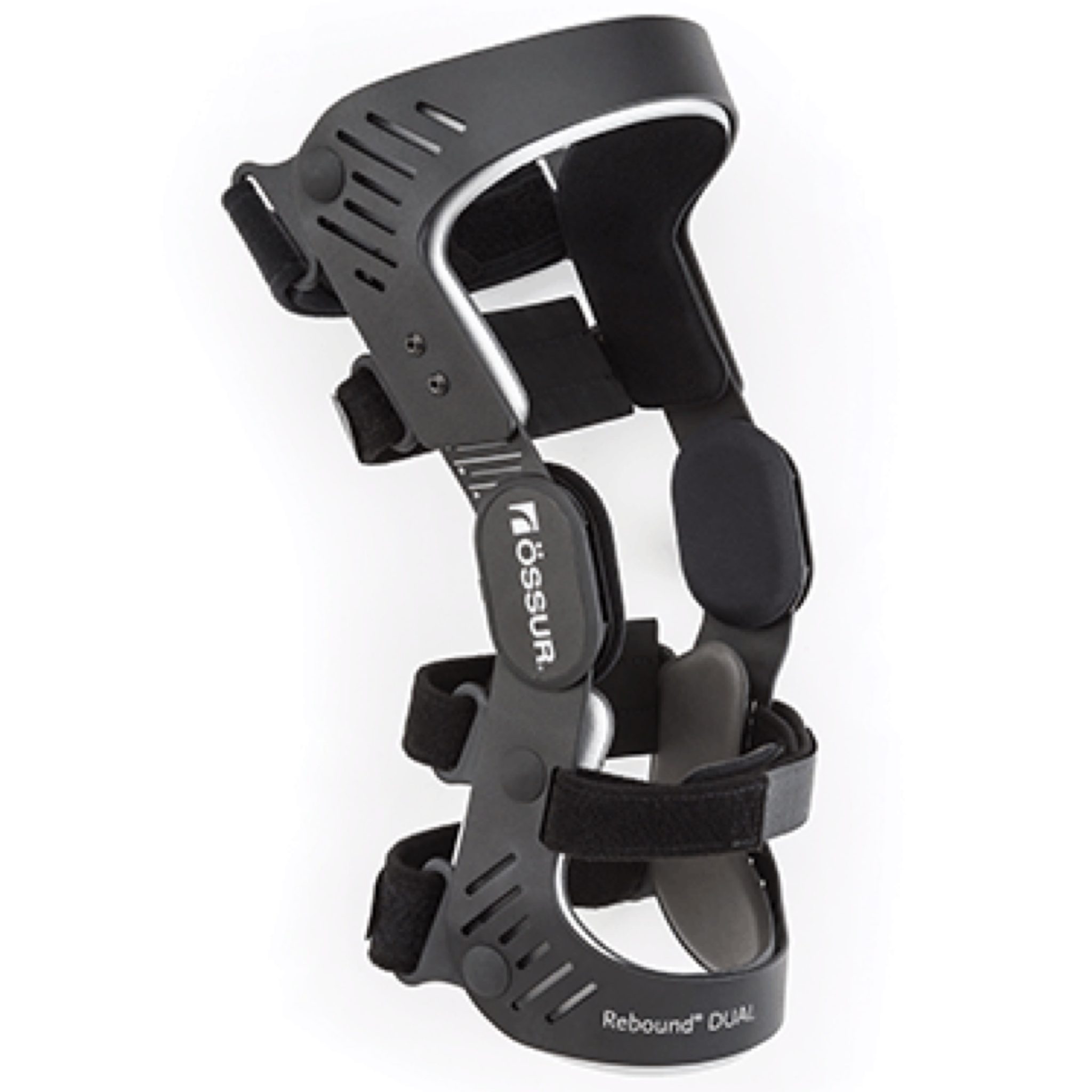
Custom ACL Functional Derotation Brace: The Apex of Knee Stability and Recovery
The anterior cruciate ligament (ACL) is a critical component of knee stability, preventing the tibia from shifting too far forward relative to the femur and controlling rotational movements. An ACL injury can be devastating, leading to instability, pain, and a significant reduction in quality of life and athletic performance. While surgical reconstruction is often the gold standard for active individuals, post-operative protection and non-surgical management frequently require advanced external support. This is where the Custom ACL Functional Derotation Brace emerges as a paramount orthopedic solution.
Far exceeding the capabilities of off-the-shelf options, a custom ACL functional derotation brace is meticulously engineered to provide unparalleled support, restrict unwanted movements, and facilitate a safer, more confident return to activity. This comprehensive guide, authored by orthopedic specialists, delves into every facet of this sophisticated device, from its innovative design and biomechanical principles to its clinical applications, fitting protocols, and crucial role in optimizing patient outcomes.
1. Comprehensive Introduction & Overview
An ACL injury often results in a feeling of "giving way" or instability, particularly during pivoting, cutting, or sudden deceleration movements. This instability, known as the "pivot shift phenomenon," is a hallmark of ACL deficiency and significantly increases the risk of further damage to menisci and articular cartilage.
The Custom ACL Functional Derotation Brace is a highly specialized, externally applied orthopedic device designed to:
* Stabilize the knee joint: By limiting anterior tibial translation.
* Prevent rotational instability: Specifically addressing the pivot shift by resisting unwanted internal/external rotation of the tibia.
* Protect healing grafts: Post-surgically, it shields the reconstructed ligament from excessive stress during the vulnerable healing phase.
* Support non-surgical management: For individuals who are not candidates for surgery or choose a conservative path, it provides crucial functional stability.
* Enhance proprioception: The brace provides tactile feedback, increasing the user's awareness of their knee's position in space, which can improve neuromuscular control.
Unlike generic braces, a custom brace is fabricated from a precise mold or 3D scan of the individual's leg, ensuring an intimate fit that maximizes efficacy, comfort, and compliance. This bespoke approach allows for targeted application of forces, making it an indispensable tool in both rehabilitation and injury prevention.
2. Deep-Dive into Technical Specifications & Biomechanics
The effectiveness of a custom ACL functional derotation brace lies in its advanced design, choice of materials, and sophisticated biomechanical principles that directly counter the instability caused by an ACL tear.
2.1. Design and Materials
The construction of these braces represents a fusion of engineering excellence and medical science.
- Custom-Molded Frame:
- Process: Begins with a precise cast (plaster or digital 3D scan) of the patient's leg, ensuring every contour is captured. This data is then used to fabricate a brace that perfectly matches the individual's anatomy.
- Materials: Typically crafted from lightweight yet incredibly strong composites such as carbon fiber or aircraft-grade aluminum alloys. These materials offer an exceptional strength-to-weight ratio, allowing for a rigid structure that can withstand significant forces without adding undue bulk.
- Polycentric Hinges:
- Function: Mimic the natural rolling and gliding motion of the knee joint. This allows for smooth, controlled flexion and extension while preventing hyperextension or excessive flexion, protecting the graft.
- Adjustability: Often include adjustable flexion and extension stops, allowing the clinician to set precise ranges of motion as per the rehabilitation protocol.
- Four-Point Leverage System:
- This is a foundational biomechanical principle applied in most functional knee braces, but optimized in custom designs. It involves four points of contact to control anterior tibial translation:
- Posterior thigh cuff.
- Anterior thigh cuff.
- Posterior calf cuff.
- Anterior tibial strap (or a condyle pad).
- By applying counteracting forces at these points, the brace effectively "pushes" the femur backward relative to the tibia, preventing anterior drawer.
- This is a foundational biomechanical principle applied in most functional knee braces, but optimized in custom designs. It involves four points of contact to control anterior tibial translation:
- Derotation Strapping and Pads:
- This is the "functional derotation" aspect. Specific strap configurations and strategically placed pads (e.g., condyle pads, rotational straps) are designed to apply rotational forces that counteract tibial internal rotation, which is a key component of the pivot shift. This helps to maintain the tibia in a more externally rotated position, reducing stress on the ACL.
- Padding and Liners:
- Materials: Hypoallergenic, breathable, moisture-wicking materials (e.g., silicone, high-density foam, specialized fabrics) are used for internal padding to ensure comfort, prevent skin irritation, and minimize brace migration.
- Anti-Slip Features: Some designs incorporate silicone grips or textured surfaces to enhance stability on the limb.
- Strap System:
- High-strength, non-stretch straps with secure buckle systems ensure consistent compression and brace positioning. The order and tensioning of these straps are crucial for optimal function.
2.2. Biomechanics of Derotation and Stability
Understanding the biomechanics is key to appreciating the brace's efficacy:
- Counteracting Anterior Tibial Translation: The four-point leverage system is the primary mechanism. The posterior calf strap pushes the tibia posteriorly, while the anterior thigh strap pushes the femur anteriorly, effectively preventing the tibia from sliding too far forward.
- Addressing Rotational Instability (Pivot Shift):
- In an ACL-deficient knee, the tibia can excessively internally rotate and translate anteriorly during dynamic movements, particularly during pivoting. This is the "pivot shift."
- A functional derotation brace applies external rotational forces to the tibia. This is achieved through specific strap placements (e.g., a strap that wraps around the calf from posterior-lateral to anterior-medial) and the geometry of the frame and condyle pads.
- The brace aims to keep the tibia in a more externally rotated position relative to the femur, thereby "unloading" the ACL (or its graft) and reducing the propensity for the pivot shift.
- Proprioceptive Enhancement: The constant contact and pressure from the brace provide sensory input to the nervous system. This enhanced proprioception can lead to improved muscle activation patterns around the knee, contributing to dynamic stability and reducing reaction times to unexpected movements.
- Load Sharing: By providing external support, the brace can offload some of the stress on the ACL graft or the remaining structures in an ACL-deficient knee, allowing for a more controlled healing environment or safer participation in activities.
3. Extensive Clinical Indications & Usage
The Custom ACL Functional Derotation Brace serves a wide array of clinical purposes, offering tailored support across various stages of ACL injury and recovery.
3.1. Clinical Indications
- Pre-operative Stabilization: For patients awaiting ACL reconstruction, the brace can provide temporary stability, reduce episodes of "giving way," and allow for pre-habilitation exercises to strengthen the surrounding musculature.
- Post-operative Protection Following ACL Reconstruction:
- Graft Protection: Crucial during the initial healing phases when the graft is weakest and most vulnerable to rupture. It limits excessive anterior translation and rotational forces.
- Controlled Rehabilitation: Allows for early, controlled range of motion and weight-bearing, facilitating faster recovery while safeguarding the graft.
- Return to Activity/Sport: Provides critical support as patients gradually increase activity levels, reducing the risk of re-injury during high-demand movements.
- Non-Surgical Management of ACL Tears:
- For individuals with low activity demands, older patients, or those with medical contraindications to surgery, the brace can provide sufficient functional stability to manage daily activities and some recreational sports.
- It helps prevent further meniscal or cartilage damage often associated with chronic instability.
- Chronic ACL Deficiency with Instability: Patients who have chosen not to undergo surgery or have experienced a failed reconstruction may benefit from long-term bracing to manage persistent instability and prevent secondary injuries.
- Concomitant Ligamentous Injuries: In cases involving multiple ligament injuries (e.g., ACL and MCL), the brace can be designed to provide multi-planar stability.
- Prophylactic Use in High-Risk Sports: While its primary role is therapeutic, some athletes in high-impact or pivoting sports may opt for custom bracing as a preventative measure, though evidence for this specific use is still evolving.
3.2. Fitting and Usage Instructions
Proper fitting and consistent usage are paramount for the brace's effectiveness. This is a process that requires professional expertise.
3.2.1. Professional Fitting Process
- Assessment: An orthopedic surgeon or orthotist will assess the patient's knee stability, range of motion, and overall needs.
- Measurement/Casting:
- Traditional: A plaster cast of the patient's leg (from mid-thigh to mid-calf) is taken in a specific position (e.g., 20-30 degrees of knee flexion) to capture the anatomical contours accurately.
- Digital: Advanced 3D scanning technology can create a precise digital model of the limb, which is then used for computer-aided design (CAD) and manufacturing (CAM) of the brace.
- Fabrication: The custom frame is manufactured based on the precise measurements.
- Initial Fitting Session:
- The patient tries on the brace. The orthotist ensures proper alignment of the hinges with the knee's axis of rotation, checks for pressure points, and adjusts strap lengths and padding for optimal comfort and function.
- The brace should feel snug but not painful or restrictive.
- Patient Education: Detailed instructions are provided on how to don, doff, adjust, and care for the brace.
3.2.2. Daily Usage Protocol
- Donning the Brace:
- Sit with the knee slightly bent (e.g., 20-30 degrees of flexion).
- Slide the brace onto the leg, ensuring the hinge centers align with the center of the knee joint.
- Secure the straps in the prescribed order (typically starting with the strap just below the knee, then the one above, followed by the calf and thigh straps).
- Tighten straps sequentially, ensuring a snug fit without excessive constriction. The brace should not slide down or rotate on the leg.
- When to Wear:
- Post-surgery: Often worn during all waking hours for an initial period, then transitioned to activity-specific use as directed by the surgeon.
- Non-surgical/Chronic Instability: Worn during activities that provoke instability (sports, demanding work, uneven terrain).
- Duration of Use: Varies greatly depending on the individual's condition, activity level, and surgeon's recommendations. It can range from a few months post-surgery to several years or indefinitely for chronic instability.
- Activity Adjustments: Periodically check strap tension during activity, as muscle contraction or movement can alter the fit.
- Clothing: Most braces are designed to be worn directly on the skin or over a thin, moisture-wicking sleeve to prevent skin irritation and ensure optimal grip.
3.3. Maintenance & Sterilization Protocols
Proper care extends the life of the brace and maintains hygiene.
- Daily Cleaning: Wipe down the rigid frame with a damp cloth and mild soap.
- Pad Cleaning: Remove soft pads and liners regularly. Hand wash with mild soap and water, rinse thoroughly, and air dry completely before reattaching. Do NOT machine wash or put in a dryer, as this can degrade materials.
- Strap Care: Check straps for fraying or damage. Wipe down with a damp cloth if soiled.
- Inspection: Routinely inspect hinges for smooth operation, screws for tightness, and the frame for any cracks or damage.
- Avoid Harsh Chemicals: Do not use bleach, strong detergents, or abrasive cleaners, as these can damage materials.
- Professional Servicing: If any components are damaged or worn, contact the orthotist or manufacturer for repair or replacement.
4. Risks, Side Effects, or Contraindications
While highly beneficial, custom ACL functional derotation braces are not without potential considerations.
4.1. Potential Risks and Side Effects
- Skin Irritation/Pressure Sores: If the brace is ill-fitting, too tight, or not cleaned regularly, it can cause redness, chafing, or even pressure sores, especially over bony prominences.
- Discomfort and Bulkiness: Despite being custom-fit, some patients may find the brace bulky or uncomfortable, especially initially. This can affect compliance.
- Muscle Atrophy: Over-reliance on the brace without concurrent strengthening exercises can theoretically lead to some muscle disuse atrophy, though proper rehabilitation protocols mitigate this.
- False Sense of Security: Wearing a brace might lead some individuals to overestimate their knee's stability and engage in activities beyond their actual recovery level, potentially leading to re-injury. Patient education is crucial here.
- Cost: Custom braces are a significant investment, which may be a barrier for some patients, although insurance often covers a portion.
- Allergic Reactions: Rare, but possible, to materials used in padding or straps.
4.2. Contraindications
- Severe Peripheral Vascular Disease: Any condition that severely compromises circulation in the lower limb might be a contraindication due to potential for further constriction.
- Open Wounds or Active Skin Infections: Bracing over compromised skin can exacerbate infections or impede wound healing.
- Severe Edema/Swelling: While a custom brace can be designed to accommodate some swelling, significant, fluctuating edema can compromise fit and effectiveness.
- Inability to Comply: Patients who cannot understand or adhere to fitting, usage, and maintenance instructions may not be suitable candidates, as improper use can be detrimental.
- Certain Neurological Conditions: Conditions affecting sensation or motor control might require careful consideration and specialized brace designs.
5. Patient Outcome Improvements
The investment in a Custom ACL Functional Derotation Brace translates into significant improvements in patient outcomes, both functionally and psychologically.
- Enhanced Knee Stability: The primary and most direct benefit, leading to fewer episodes of "giving way" and improved confidence during movement.
- Reduced Risk of Re-injury: For reconstructed knees, the brace significantly lowers the risk of re-rupture of the graft, especially during the vulnerable initial healing phases and return to sport. For non-surgical cases, it prevents further damage to the meniscus and articular cartilage.
- Improved Proprioception and Neuromuscular Control: The constant tactile feedback helps re-educate the knee's proprioceptive pathways, leading to better dynamic stability and quicker reaction times.
- Faster and Safer Return to Activity/Sport: By providing critical support and confidence, patients can often return to their desired activities more quickly and with reduced apprehension.
- Pain Reduction: For some patients, particularly those with chronic instability, the brace can reduce pain associated with instability episodes and secondary joint damage.
- Psychological Benefits: The feeling of security and protection provided by the brace can significantly reduce anxiety and fear of re-injury, empowering patients to engage more fully in their rehabilitation and daily lives.
- Potential for Non-Surgical Success: For carefully selected patients, the brace can enable successful non-surgical management of ACL deficiency, avoiding the risks and recovery time associated with surgery.
6. Massive FAQ Section
Q1: What exactly is a Custom ACL Functional Derotation Brace?
A: It's a specialized, custom-made orthopedic device designed to stabilize the knee after an ACL injury. Unlike off-the-shelf braces, it's precisely molded to your leg, providing superior support by preventing excessive forward movement of the tibia (anterior translation) and controlling unwanted rotational movements (derotation), which are key features of ACL instability.
Q2: How is a Custom ACL Functional Derotation Brace different from an off-the-shelf brace?
A: The main difference is the custom fit. An off-the-shelf brace comes in standard sizes and provides general support. A custom brace is fabricated from a precise mold or 3D scan of your specific leg, ensuring an exact fit that optimizes comfort, stability, and the targeted application of forces to effectively manage your unique knee instability. This personalized fit drastically improves its biomechanical efficacy.
Q3: Who should consider using this type of brace?
A: This brace is typically recommended for:
* Patients awaiting ACL reconstruction (pre-operative).
* Individuals recovering from ACL reconstruction surgery (post-operative protection).
* Athletes returning to high-demand sports.
* Patients managing chronic ACL deficiency without surgery.
* Individuals with persistent knee instability due to ACL injury.
Q4: How is the brace custom-made for my leg?
A: The process usually involves either taking a plaster cast of your leg (from mid-thigh to mid-calf) or using advanced 3D scanning technology to create a digital model of your limb. This precise anatomical data is then used to manufacture a brace that perfectly matches your unique contours, ensuring maximum contact and effectiveness.
Q5: Can I wear my Custom ACL Functional Derotation Brace for sports?
A: Yes, absolutely. One of the primary benefits of this brace is its ability to provide robust support and protection during sports and high-impact activities. Its lightweight yet durable construction (often carbon fiber) and custom fit allow athletes to perform with enhanced stability and confidence, significantly reducing the risk of re-injury.
Q6: How long do I need to wear the brace?
A: The duration of wear varies widely depending on your specific situation. Post-surgery, it might be worn for several months during rehabilitation, then transitioned to activity-specific use. For non-surgical management or chronic instability, it might be worn long-term during activities that provoke instability. Your orthopedic surgeon or orthotist will provide specific recommendations.
Q7: Is the Custom ACL Functional Derotation Brace comfortable?
A: While no brace is entirely unnoticeable, a custom brace is designed for optimal comfort due to its precise fit. The use of hypoallergenic, breathable padding and lightweight materials minimizes skin irritation and bulkiness. Initial adjustment periods are common, but most patients adapt quickly.
Q8: How do I clean and maintain my brace?
A: Regular cleaning is essential. The rigid frame can be wiped down with a damp cloth and mild soap. The soft pads and liners should be removed, hand-washed with mild soap, rinsed thoroughly, and air-dried completely. Avoid harsh chemicals or machine washing. Regularly inspect the brace for wear, loose screws, or damage, and contact your orthotist for any repairs.
Q9: Will the brace prevent all future knee injuries?
A: While the Custom ACL Functional Derotation Brace significantly reduces the risk of ACL re-injury and provides excellent stability, no brace can guarantee 100% prevention of all injuries. It's a critical component of a comprehensive rehabilitation and prevention strategy, which also includes strengthening, balance training, and proper biomechanics.
Q10: Is a Custom ACL Functional Derotation Brace typically covered by insurance?
A: In many cases, yes. Due to its medical necessity for managing ACL instability and protecting healing grafts, most insurance providers offer coverage, though the extent can vary. It's crucial to obtain a prescription from your orthopedic surgeon and check with your insurance provider regarding your specific benefits and coverage details.
Q11: What is the expected lifespan of a custom brace?
A: With proper care and maintenance, a high-quality custom brace can last several years (typically 3-5 years or more). The lifespan can depend on the frequency and intensity of use, as well as the patient's activity level. Regular inspection and professional servicing can help extend its life.
Q12: Can the brace be adjusted if my body changes (e.g., muscle gain/loss, minor weight fluctuations)?
A: Minor adjustments to straps and padding can often accommodate slight changes in limb circumference. However, significant changes in body shape or size might necessitate a re-evaluation by your orthotist, and in some cases, a new brace may be required to maintain the optimal custom fit and effectiveness.