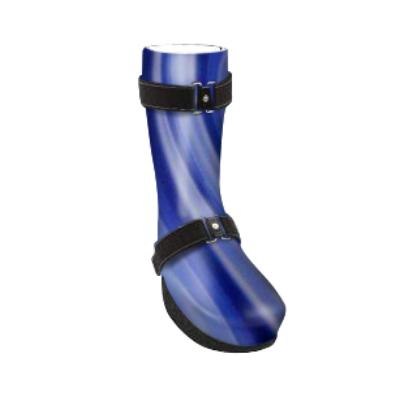
The CROW Boot: A Comprehensive Guide to the Charcot Restraint Orthotic Walker
The Charcot Restraint Orthotic Walker, universally known as the CROW boot, represents a cornerstone in the non-surgical and post-surgical management of Charcot neuroarthropathy. This debilitating condition, primarily affecting individuals with peripheral neuropathy, particularly diabetes, leads to progressive bone and joint destruction in the foot and ankle. The CROW boot is a specialized total contact orthosis meticulously engineered to provide superior stability, offloading, and protection, thereby preventing further deformity and promoting healing.
This exhaustive guide delves into every facet of the CROW boot, from its intricate design and biomechanical principles to its clinical applications, fitting protocols, maintenance, and the profound impact it has on patient outcomes. As expert orthopedic specialists, we aim to provide an authoritative resource for clinicians, patients, and caregivers navigating the complexities of Charcot foot management.
Comprehensive Introduction & Overview of the CROW Boot
Charcot neuroarthropathy is a severe and progressive condition characterized by bone and joint destruction, often leading to severe foot deformities, instability, and an increased risk of ulceration and amputation. The pathogenesis involves a combination of neuropathy, trauma, and an inflammatory response, resulting in weakened bones susceptible to microfractures and collapse.
Traditional management strategies have evolved significantly, with the CROW boot emerging as a gold standard in conservative treatment. Unlike conventional casts or braces, the CROW boot is custom-molded to the patient's limb, providing an intimate, total-contact fit that evenly distributes pressure across the entire plantar surface of the foot and lower leg. This design is paramount for achieving effective offloading and stabilization, which are critical for arresting the destructive process and facilitating healing.
The primary objectives of CROW boot application include:
* Immobilization: To stabilize the affected joints and prevent further collapse or dislocation.
* Offloading: To reduce plantar pressure on vulnerable areas, thereby preventing skin breakdown and promoting bone healing.
* Protection: To shield the fragile foot from external trauma and repetitive microtrauma.
* Accommodation: To manage existing deformities and prevent their progression.
* Ambulation: To allow for protected weight-bearing, facilitating patient mobility while safeguarding the foot.
Deep-Dive into Technical Specifications & Mechanisms
The efficacy of the CROW boot lies in its sophisticated design and the materials chosen for its construction. It is a bivalve, custom-molded orthosis, meaning it consists of two halves (anterior and posterior) that enclose the entire foot and lower leg, typically extending just below the tibial tubercle.
Design and Materials
The construction of a CROW boot is a multi-step process, often beginning with a plaster cast or 3D scan of the patient's limb to ensure a precise, custom fit.
Key Design Features:
- Total Contact Design: This is the most critical feature. The inner surface of the boot is meticulously contoured to match the patient's anatomy, ensuring uniform pressure distribution and eliminating pressure points that could lead to skin breakdown.
- Rigid Shell: Typically made from high-density polypropylene or polyethylene, the outer shell provides robust structural support, preventing movement at the affected joints and protecting the foot from external forces.
- Padded Liner: An inner foam liner, often made of medical-grade polyethylene foam (e.g., Plastazote, Pelite), cushions the limb, absorbs shock, and enhances comfort. This liner can be removed for cleaning and inspection.
- Rocker Bottom Sole: A uniquely shaped sole that facilitates a smooth gait cycle. The curved design reduces forefoot and ankle motion during ambulation, minimizing stress on the compromised joints and distributing weight more evenly during stance phase.
- Bivalve Construction: The anterior and posterior shells are secured together with multiple Velcro straps, allowing for easy donning, doffing, and daily skin inspection. This also permits adjustments as swelling fluctuates.
- High Trim Lines: The boot extends proximally to just below the knee, providing comprehensive immobilization of the ankle and foot joints, including the subtalar and midfoot joints.
Materials Used:
- Outer Shell:
- Polypropylene: Durable, lightweight, and thermoformable, allowing for precise custom molding.
- Polyethylene: Similar properties to polypropylene, often used for its rigidity and impact resistance.
- Carbon Fiber Reinforcement (less common): Can be integrated for enhanced rigidity and reduced weight, particularly in high-stress areas.
- Inner Liner:
- Polyethylene Foams (e.g., Plastazote, Pelite): Closed-cell, hypoallergenic, and thermoformable foams that conform to the limb, provide cushioning, and can be easily cleaned.
- Open-cell Foams: Less common due to moisture retention, but can offer superior shock absorption.
- Straps and Fasteners:
- Velcro (Hook-and-Loop): Durable and adjustable straps for securing the bivalve shells.
- D-rings/Buckles: For added security and tensioning.
- Sole:
- EVA (Ethylene-vinyl acetate) / Rubber: Durable, slip-resistant materials for the outsole, often integrated with a rigid plastic or carbon fiber plate for the rocker bottom.
Biomechanics and Mechanisms of Action
The therapeutic effectiveness of the CROW boot is rooted in several critical biomechanical principles:
-
Total Contact Offloading: By distributing pressure uniformly over a large surface area of the foot and lower leg, the CROW boot significantly reduces peak plantar pressures on vulnerable areas. This is crucial for:
- Ulcer Healing: Reducing pressure on existing ulcers facilitates their closure.
- Fracture Healing: Minimizing stress on fragile bones allows microfractures to heal and prevents further bone collapse.
- Inflammation Reduction: Offloading helps to decrease the inflammatory response associated with acute Charcot neuroarthropathy.
-
Rigid Immobilization: The stiff, custom-molded shell immobilizes the foot and ankle joints, preventing pathological motion that could exacerbate joint destruction. This provides a stable environment conducive to bone fusion and remodeling.
-
Rocker Bottom Gait: The curved sole of the CROW boot allows for a smooth "rocking" motion during ambulation. This feature:
- Reduces Joint Motion: Minimizes dorsiflexion and plantarflexion at the ankle and midfoot, thus protecting the compromised joints.
- Facilitates Gait: Compensates for the limited range of motion and stiffness, enabling a more natural and energy-efficient walking pattern.
- Redistributes Pressure: Further aids in distributing forces during the stance phase of gait, reducing localized stress.
-
Protection from Trauma: The robust outer shell acts as a physical barrier, shielding the fragile foot from accidental bumps, knocks, and repetitive microtrauma that can occur during daily activities.
Extensive Clinical Indications & Usage
The CROW boot is a versatile device indicated for a range of conditions related to Charcot neuroarthropathy. Its application is typically guided by the Eichenholtz classification system, which stages the progression of Charcot foot.
Primary Indications:
- Acute Charcot Neuroarthropathy (Eichenholtz Stages 0-I - Development and Coalescence):
- Stage 0 (At-Risk): Early inflammatory phase with swelling, warmth, and redness, but no radiographic changes. CROW boot can be used proactively to prevent progression.
- Stage I (Development): Acute phase with bony fragmentation and joint dislocation visible on X-ray. The CROW boot is critical for complete immobilization and offloading to arrest the destructive process.
- Chronic Charcot Neuroarthropathy (Eichenholtz Stages II-III - Coalescence and Reconstruction/Consolidation):
- Stage II (Coalescence): Healing phase where fragmentation is resorbed, and new bone formation begins. The CROW boot continues to provide protection and support while the foot remodels.
- Stage III (Reconstruction/Consolidation): Stable, consolidated foot, often with significant deformity. The CROW boot can be used as a definitive long-term orthosis to accommodate fixed deformities, prevent recurrence, and protect against ulceration.
- Post-Surgical Stabilization: Following surgical reconstruction for Charcot deformity, the CROW boot provides essential immobilization and protection during the healing and fusion phases. It ensures the surgical corrections are maintained and allows for controlled weight-bearing.
- Diabetic Foot Ulcers with Underlying Deformity/Charcot: When a diabetic foot ulcer is complicated by Charcot neuroarthropathy or significant deformity, the CROW boot effectively offloads the ulcerated area, facilitating wound healing while protecting the underlying bone structure.
- Prevention of Recurrence: For patients with a history of Charcot foot, the CROW boot can be prescribed for long-term use as a preventative measure against further episodes or complications, especially if other risk factors persist.
Fitting and Usage Instructions
The successful application of a CROW boot hinges on meticulous fitting and thorough patient education.
Fitting Process:
- Clinical Assessment: A thorough evaluation by an orthopedic specialist, podiatrist, or orthotist to confirm diagnosis, assess deformity, skin integrity, and neurovascular status.
- Casting/Scanning: A precise negative mold of the limb is taken using plaster casting or a 3D digital scanner. This is crucial for creating the total contact design.
- Fabrication: The orthotist uses the mold to thermoform the plastic shells and assemble the boot with the liner and rocker sole.
- Initial Fitting & Adjustments:
- The patient tries on the boot. The orthotist checks for pressure points, proper alignment, and comfort.
- Specific attention is paid to bony prominences (malleoli, navicular, metatarsal heads) to ensure adequate padding and offloading.
- The rocker sole is evaluated for smooth gait transition.
- Straps are adjusted for secure but not constrictive fit.
- Patient Education: This is paramount for compliance and preventing complications.
- Donning and Doffing: Patients are taught how to correctly put on and take off the boot, ensuring proper strap tension.
- Skin Inspection: Emphasize daily skin checks for redness, blisters, or pressure sores, especially in neuropathic patients.
- Weight-Bearing Protocol: Clear instructions on partial, protected, or full weight-bearing, as prescribed by the physician.
- Hygiene: Instructions on cleaning the liner and outer shell.
- Footwear for Contralateral Limb: Recommend a shoe with an equivalent sole height to prevent gait asymmetry and compensatory issues.
- Activity Modification: Advise on limiting strenuous activities and prolonged standing.
- Warning Signs: What symptoms warrant immediate medical attention (e.g., increased pain, new skin breakdown, foul odor, boot damage).
Usage Guidelines:
- Continuous Wear: In the acute phase, the CROW boot is typically worn continuously, even during sleep, only removed for hygiene and skin inspection.
- Gradual Weaning: As the condition stabilizes (Eichenholtz Stage II/III), the wearing schedule may be gradually reduced, potentially transitioning to other protective footwear or orthoses.
- Long-Term Use: For chronic deformities or high-risk patients, the CROW boot may be a permanent daily wear device.
Risks, Side Effects, or Contraindications
While highly effective, the CROW boot is not without potential risks or situations where its use might be contraindicated or require careful consideration.
Potential Risks and Side Effects:
- Pressure Ulcers/Skin Breakdown: The most common complication, especially in neuropathic patients. Improper fit, inadequate padding, or patient non-compliance with skin checks can lead to localized pressure and subsequent ulceration.
- Infection: If an existing ulcer is present and not properly managed, or if skin breakdown occurs within the boot, the enclosed environment can sometimes exacerbate infection.
- Muscle Atrophy: Prolonged immobilization can lead to disuse atrophy of the calf muscles.
- Gait Asymmetry and Compensatory Issues: The bulk and weight of the CROW boot, along with the height of the rocker sole, can alter gait mechanics. If the contralateral limb is not accommodated with appropriate shoe lift, it can lead to back pain, hip pain, or knee issues.
- Non-Compliance: Patients may find the boot bulky, heavy, or inconvenient, leading to reduced wear time, which compromises treatment effectiveness.
- Heat and Moisture: The enclosed environment can increase skin temperature and moisture, potentially leading to maceration or fungal infections if hygiene is not maintained.
Contraindications (Relative or Absolute):
- Severe Active Infection Requiring Urgent Debridement: While the CROW boot can be used to protect a healing wound, an acute, spreading infection or osteomyelitis requiring immediate surgical debridement is an absolute contraindication for initial application. The boot may be used post-operatively.
- Severe Fluctuating Edema: Significant, rapidly changing edema can make it difficult to achieve a consistent, safe fit, increasing the risk of pressure sores. Edema should be managed and stabilized before CROW boot fabrication.
- Uncontrolled Neuropathy/Sensory Impairment: While neuropathy is the underlying cause, patients with profound sensory loss require even more diligent monitoring and education regarding skin checks.
- Severe Arterial Insufficiency: In rare cases of critical limb ischemia, the boot's pressure, even if evenly distributed, might compromise blood flow to an already ischemic limb. Vascular assessment is crucial.
- Patient Inability to Comply: Cognitive impairment, severe psychological issues, or extreme physical limitations that prevent a patient from properly donning, doffing, or performing daily skin checks make the CROW boot use challenging and potentially dangerous.
- Lack of Available Expertise: Proper fitting and follow-up by an experienced orthotist and physician are essential. Without this, the risks outweigh the benefits.
Maintenance and Sterilization Protocols
Proper maintenance and hygiene are crucial for the longevity of the CROW boot and, more importantly, for patient skin health and infection prevention.
Daily Maintenance:
- Skin Inspection: Daily, or twice daily, inspect the entire foot and lower leg for any signs of redness, blistering, skin breakdown, or unusual odors. Pay close attention to bony prominences.
- Liner Cleaning: The removable foam liner should be wiped down daily with a mild soap and water solution, or an antiseptic wipe. Allow it to air dry completely before reinserting. Do not use harsh chemicals or immerse the liner in water unless specifically instructed, as some foams can degrade.
- Boot Shell Cleaning: The rigid outer shell can be wiped clean with a damp cloth and mild soap. Avoid abrasive cleaners.
Weekly/As Needed Maintenance:
- Strap Inspection: Check Velcro straps for wear and tear. Worn straps may lose their ability to secure the boot properly, requiring replacement.
- Rocker Sole Inspection: Examine the sole for excessive wear, cracks, or separation. A worn sole can alter gait mechanics and reduce the boot's effectiveness.
- Odor Management: If odors persist despite daily cleaning, ensure the liner is thoroughly dry. Antifungal powders can be used in the boot if approved by a clinician, but address the underlying cause (e.g., fungal infection, maceration).
Professional Adjustments and Sterilization:
- Regular Orthotist/Physician Check-ups: Schedule regular follow-up appointments to reassess the fit, inspect the skin, and make any necessary adjustments to the boot. As swelling resolves or deformities change, the boot may require modifications or even replacement.
- No Sterilization (for patient home use): CROW boots are patient-specific custom devices and are not typically sterilized in the medical sense for home use. The focus is on meticulous cleaning and hygiene to prevent skin infections.
- Replacement: The lifespan of a CROW boot varies depending on patient activity levels, weight, and care. Typically, a boot may last 1-3 years before requiring replacement due to material degradation or changes in the patient's foot shape.
Patient Outcome Improvements
The implementation of CROW boot therapy significantly improves outcomes for patients with Charcot neuroarthropathy, impacting both the immediate healing process and long-term quality of life.
Key Outcome Improvements:
- Prevention of Deformity Progression: By providing rigid immobilization and offloading, the CROW boot effectively halts the destructive cycle of Charcot neuroarthropathy, preventing further bone collapse and joint dislocation.
- Ulcer Healing and Prevention: Reducing plantar pressures is critical for allowing existing ulcers to heal and preventing new ones from forming, thereby significantly lowering the risk of infection and amputation.
- Improved Functional Ambulation: The rocker bottom sole facilitates a more natural and energy-efficient gait, allowing patients to maintain mobility and independence despite their underlying condition.
- Reduced Amputation Rates: Numerous studies have demonstrated that aggressive offloading strategies, including the use of CROW boots, are associated with significantly lower rates of major amputation in Charcot foot patients.
- Enhanced Quality of Life: By preventing complications, reducing pain, and enabling mobility, the CROW boot contributes to a higher quality of life for patients who might otherwise face severe disability.
- Stabilization Post-Surgery: For those requiring surgical intervention, the CROW boot is instrumental in protecting the surgical repair, promoting bony fusion, and ensuring long-term stability of the reconstructed foot.
- Cost-Effectiveness: While the initial cost of a custom CROW boot may seem high, it is often more cost-effective in the long run compared to managing recurrent ulcers, infections, or the profound costs associated with amputation and prosthetic limb fitting.
Massive FAQ Section
Q1: What is a CROW boot and why is it used for Charcot foot?
A1: A CROW boot (Charcot Restraint Orthotic Walker) is a custom-made, rigid, bivalve orthosis designed to immobilize, offload, and protect the foot and ankle in patients with Charcot neuroarthropathy. It's used to prevent further bone and joint destruction, promote healing, and facilitate protected weight-bearing by distributing pressure evenly and stabilizing the affected joints.
Q2: How is a CROW boot different from a regular walking boot or cast?
A2: Unlike a standard off-the-shelf walking boot or cast, a CROW boot is custom-molded to the patient's specific foot and lower leg anatomy, providing total contact and superior pressure distribution. It's typically bivalve (two halves) for easy removal and skin inspection, and features a specialized rocker bottom sole for a more natural gait while protecting the foot.
Q3: How long do I need to wear the CROW boot?
A3: The duration of CROW boot wear varies greatly depending on the stage of your Charcot neuroarthropathy and your physician's assessment. In the acute phase, it may be worn continuously for several months. For chronic conditions or post-surgical stabilization, it might be prescribed for long-term daily use, potentially for years, to prevent recurrence and protect the foot. Your doctor will provide a specific wearing schedule.
Q4: Can I walk in my CROW boot?
A4: Yes, the CROW boot is designed to allow for protected weight-bearing and ambulation. The rocker bottom sole helps facilitate a smooth gait cycle. However, your physician will provide specific instructions on how much weight you can put on your foot and for what duration, especially in the acute healing phases.
Q5: How do I clean and care for my CROW boot?
A5: You should perform daily skin checks on your foot and leg. The removable liner should be wiped down daily with mild soap and water or an antiseptic wipe and allowed to air dry completely. The outer shell can be wiped clean with a damp cloth. Avoid harsh chemicals. Inspect straps and the sole regularly for wear and tear.
Q6: What should I do if my CROW boot feels uncomfortable or causes pain?
A6: If you experience persistent discomfort, pain, redness, or skin irritation from your CROW boot, contact your orthotist or physician immediately. Do not attempt to modify the boot yourself. It may require adjustments to the padding or shell to ensure a proper fit and prevent complications.
Q7: Can I take a shower or bath with my CROW boot on?
A7: No, the CROW boot should not get wet. You must remove the boot for showering or bathing. Ensure your foot and the inside of the boot are completely dry before re-donning it. You may need to use a shower chair or a waterproof cast cover for your limb.
Q8: What kind of shoe should I wear on my other foot when wearing the CROW boot?
A8: To prevent gait asymmetry, back pain, or hip/knee issues, you should wear a shoe on your unaffected foot that matches the height of the CROW boot's sole. Your orthotist can recommend or provide an appropriate shoe lift or specialty shoe for your contralateral limb.
Q9: What are the potential risks or side effects of wearing a CROW boot?
A9: The main risks include skin breakdown or pressure ulcers, especially if the boot is not fitted properly or if daily skin checks are neglected. Other potential issues include muscle atrophy from immobilization, gait changes, and discomfort. Following fitting instructions and attending follow-up appointments are crucial to minimize these risks.
Q10: Are there alternatives to a CROW boot for Charcot foot?
A10: For acute Charcot, a total contact cast (TCC) is another highly effective offloading method, often used initially due to its non-removable nature, which ensures compliance. However, TCCs require frequent changes and do not allow for daily skin inspection by the patient. For chronic Charcot, custom accommodative footwear or ankle-foot orthoses (AFOs) may be used if the foot is stable and deformity is minimal. Surgical reconstruction is also an option for certain complex deformities.
Q11: How much does a CROW boot cost, and is it covered by insurance?
A11: The cost of a CROW boot can vary significantly based on the materials, complexity of the design, and the orthotist's fees. It is a custom-fabricated medical device, so it is generally more expensive than off-the-shelf boots. Most health insurance plans, including Medicare and Medicaid, typically cover a significant portion of the cost of a CROW boot if it is deemed medically necessary and prescribed by a physician. It's always best to check with your insurance provider and the orthotics facility for specific coverage details and out-of-pocket expenses.
Q12: How often will I need follow-up appointments after getting a CROW boot?
A12: Initial follow-up appointments are typically frequent, often weekly or bi-weekly, to ensure proper fit, check skin integrity, and make any necessary adjustments as swelling resolves. As your condition stabilizes, these appointments may become less frequent, perhaps monthly or quarterly, but regular check-ups with your orthotist and physician are crucial for ongoing management and to address any changes or issues.