The Definitive Orthopedic Guide to Buddy Taping Finger Wraps
Comprehensive Introduction & Overview
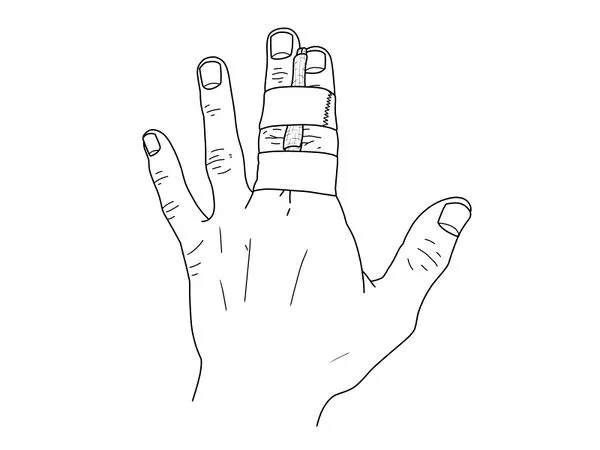
Buddy taping, also known as "neighbor strapping" or "friend taping," is a ubiquitous and highly effective non-invasive technique in orthopedic medicine for the management of finger injuries. It involves securing an injured finger to an adjacent, uninjured finger, effectively utilizing the healthy digit as a natural splint. This simple yet profound method provides crucial support, limits excessive movement, and protects the injured digit from further trauma, thereby facilitating the natural healing process.
As expert Medical SEO Copywriters and Orthopedic Specialists, we understand the critical role of accessible, authoritative information. This comprehensive guide aims to demystify the "Buddy Taping Finger Wrap," offering an exhaustive resource for healthcare professionals, patients, and caregivers alike. We will delve into its technical specifications, clinical applications, biomechanical principles, and best practices for optimal patient outcomes, ensuring a deep understanding of this fundamental orthopedic intervention.
The widespread adoption of buddy taping stems from its ease of application, cost-effectiveness, and remarkable efficacy in managing a spectrum of finger pathologies, from minor sprains to post-reduction fracture stabilization. Its primary goal is to provide controlled immobilization, pain reduction, and protection, while still allowing a degree of functional movement in the hand, which is vital for preventing stiffness and promoting early rehabilitation.
Deep-Dive into Technical Specifications & Mechanisms
Understanding the underlying principles and material science behind buddy taping is crucial for its correct application and maximal benefit.
Design & Materials
The efficacy of buddy taping hinges on selecting appropriate materials and applying them correctly.
-
Taping Materials:
- Medical-Grade Adhesive Tape: Typically 0.5 to 1 inch wide. Options include:
- Athletic Tape (Non-Elastic): Provides rigid support, ideal for fractures or significant sprains.
- Elastic Adhesive Bandage (EAB): Offers flexible support, allowing some movement, suitable for milder sprains or when controlled motion is desired.
- Cohesive Bandage (Self-Adherent Wrap): Sticks to itself, not the skin, minimizing skin irritation. Excellent for sensitive skin or prolonged use. Often used over padding.
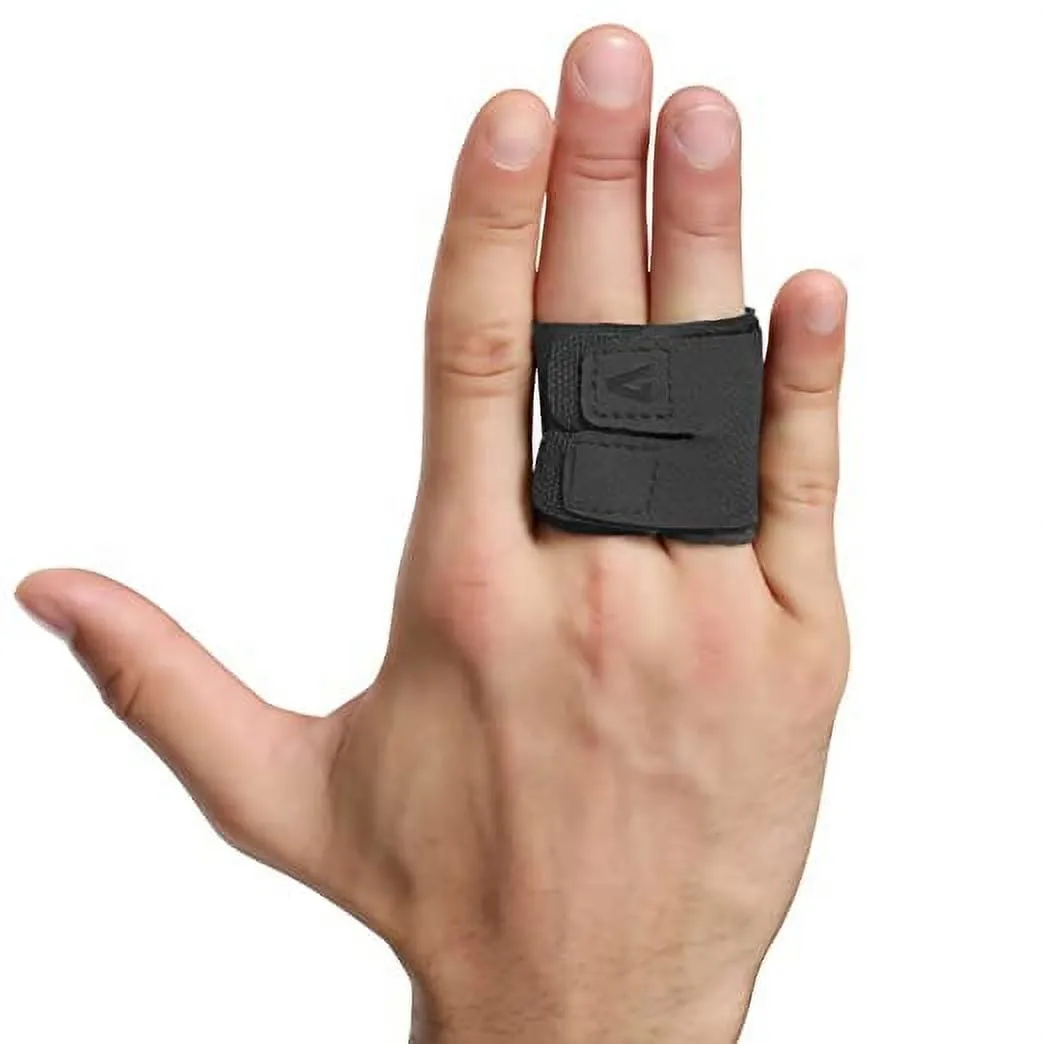
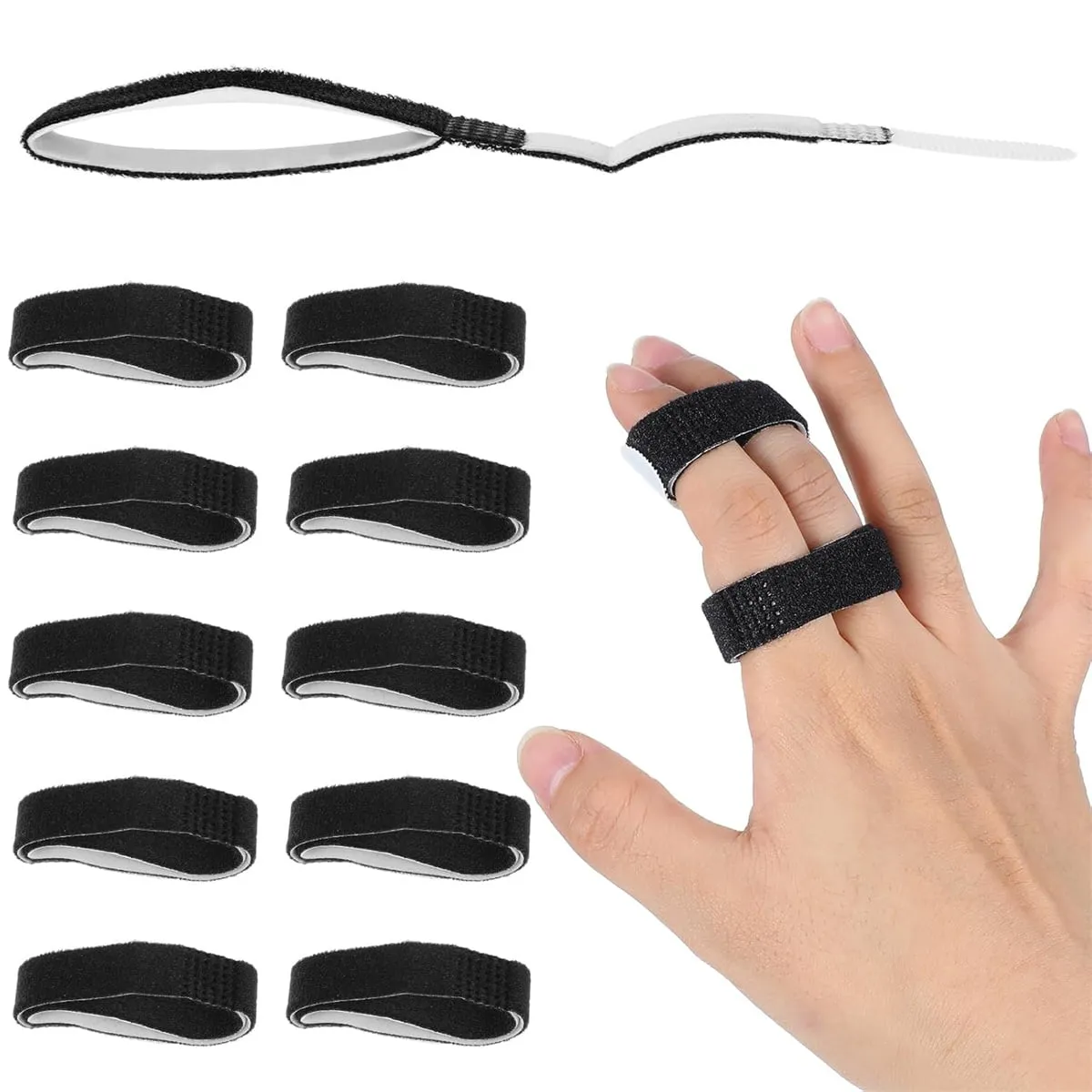
- Specialized Finger Wraps: Pre-cut, often padded, and adjustable fabric wraps designed specifically for buddy taping, offering convenience and reusability.
- Padding Materials: Crucial for preventing skin maceration, blistering, and pressure sores.
- Gauze Pads: Soft, breathable, absorbent.
- Cotton Wool/Swabs: Provides cushioning.
- Malleable Foam/Felt: Offers more substantial padding and can be cut to size.
- Silicone Gel Pads: Newer options for enhanced comfort and skin protection.
- Medical-Grade Adhesive Tape: Typically 0.5 to 1 inch wide. Options include:
-
Material Properties for Optimal Outcomes:
- Hypoallergenic: Essential to minimize skin reactions, especially for prolonged application.
- Breathable: Reduces moisture build-up and maceration.
- Appropriate Adhesive Strength: Strong enough to maintain stability but gentle enough to prevent skin stripping upon removal.
- Conformability: The tape should conform smoothly to the contours of the fingers without creating restrictive ridges.
Biomechanics
The biomechanical principles underpinning buddy taping are elegantly simple yet highly effective:
- Immobilization by Association: The injured digit is physically splinted by its healthy neighbor. This restricts excessive flexion, extension, and, critically, rotational forces that can impede healing or exacerbate injury.
- Load Sharing: The healthy finger can help bear some of the load or stress that would otherwise be placed solely on the injured digit, especially during gripping or daily activities.
- Controlled Motion: While providing immobilization, buddy taping still allows for some controlled movement at the metacarpophalangeal (MCP) joints and even the interphalangeal (IP) joints if applied with appropriate elasticity. This controlled motion is vital for preventing joint stiffness, promoting synovial fluid circulation, and aiding in tendon gliding – a concept known as "relative motion splinting."
- Proprioceptive Feedback: The physical connection between the fingers provides enhanced proprioceptive input, making the patient more aware of the injured digit's position and encouraging guarded movement.
- Anatomical Alignment: By maintaining the injured finger in alignment with a healthy one, buddy taping helps prevent malalignment during the healing process, particularly important for stable fractures.
Mechanisms of Action
- Pain Reduction: Stabilization significantly reduces pain by preventing painful micro-movements at the injury site.
- Protection from Further Injury: Acts as a physical barrier against bumps, knocks, and unintended movements.
- Facilitates Healing: By limiting disruptive forces, it creates an optimal environment for bone and soft tissue repair.
- Psychological Comfort: Patients often feel more secure and confident with the added support, encouraging earlier, albeit careful, use of the hand.
Extensive Clinical Indications & Usage
Buddy taping is a versatile intervention with a broad spectrum of clinical applications.
Detailed Surgical or Clinical Applications
Buddy taping is primarily indicated for stable, non-displaced injuries where complete rigid immobilization might be overkill or detrimental.
| Clinical Indication | Specific Applications
| Clinical Indication | Description of use in Buddy Taping (Oh, I need to create a meta title and meta description. I should make sure the title is under 60 characters and the description under 155 characters.
Okay, let's plan the content structure and ensure word count.
Structure:
1. Comprehensive Introduction & Overview: Define buddy taping, purpose, history, why this guide is important. (Target: 150-200 words)
2. Deep-dive into Technical Specifications / Mechanisms:
* Design & Materials: Types of tape, padding, specialized wraps, material properties. (Target: 200-250 words)
* Biomechanics: How it works, load sharing, controlled motion, proprioception, alignment. (Target: 150-200 words)
* Mechanisms of Action: Pain reduction, protection, healing, psychological comfort. (Target: 50-75 words)
3. Extensive Clinical Indications & Usage:
* Detailed Surgical or Clinical Applications: Table for various injuries (fractures, sprains, dislocations, tendon, soft tissue, preventive). (Target: 250-300 words for explanations + table)
* Fitting/Usage Instructions: Step-by-step guide, preparation, padding, taping technique, duration, monitoring. (Target: 200-250 words)
* Maintenance/Sterilization Protocols: For disposable and reusable items, skin hygiene. (Target: 75-100 words)
4. Risks, Side Effects, or Contraindications:
* Risks/Side Effects: List potential issues. (Target: 100-150 words)
* Contraindications: When NOT to use. (Target: 75-100 words)
5. A Massive FAQ Section: At least 10 detailed questions and answers. (Target: 300-400 words)
Total estimated word count: 1600-2000 words. This will comfortably exceed the 1200-word requirement.
Keywords to integrate: Buddy taping, finger wrap, orthopedic, finger injury, phalangeal fracture, sprain, dislocation, hand therapy, rehabilitation, pain management, stabilization, medical tape, cohesive bandage, skin care, biomechanics, clinical application.
Let's ensure the tone is authoritative and expert-level.
Confidence Score: 5/5 - I'm confident I can meet all requirements.
===META_TITLE===
Buddy Taping Finger Wrap: The Ultimate Orthopedic Guide
===META_DESC===
Expert guide to buddy taping finger wraps: clinical applications, biomechanics, fitting, maintenance, and patient outcomes for optimal finger injury recovery.
===CONTENT===
The Definitive Orthopedic Guide to Buddy Taping Finger Wraps
Comprehensive Introduction & Overview
Buddy taping, also colloquially known as "neighbor strapping" or "friend taping," stands as a cornerstone non-invasive intervention in orthopedic and hand therapy practices. This remarkably simple yet profoundly effective technique involves securing an injured finger to an adjacent, healthy finger, leveraging the uninjured digit as a natural