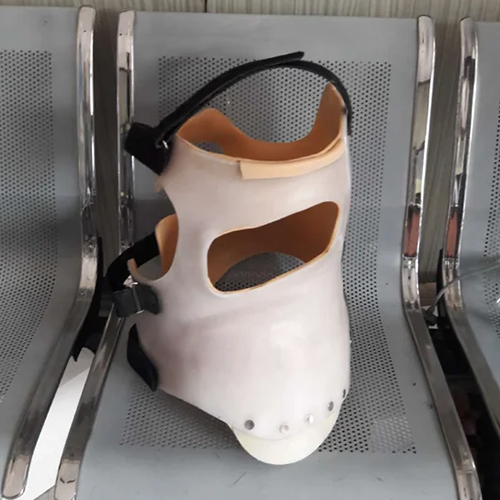
The Boston Brace: A Comprehensive Guide to Non-Surgical Scoliosis Treatment
Scoliosis, a condition characterized by an abnormal sideways curvature of the spine, affects millions worldwide, primarily adolescents. While surgical intervention is an option for severe cases, non-surgical management, particularly bracing, plays a crucial role in preventing curve progression in moderate cases. Among the various orthotic devices, the Boston Brace stands out as a highly effective and widely prescribed treatment for adolescent idiopathic scoliosis (AIS).
This exhaustive guide, crafted by an expert Medical SEO Copywriter and Orthopedic Specialist, delves into every facet of the Boston Brace, offering invaluable insights for patients, parents, and healthcare providers alike. We will explore its innovative design, biomechanical principles, clinical applications, patient care protocols, and the profound impact it has on patient outcomes.
1. Comprehensive Introduction & Overview
The Boston Brace, formally known as a Thoraco-Lumbo-Sacral Orthosis (TLSO), is a custom-molded plastic brace designed to treat moderate spinal curves (typically 25-45 degrees) in skeletally immature individuals with adolescent idiopathic scoliosis. Developed in the 1970s at Boston Children's Hospital, it revolutionized scoliosis bracing by offering a low-profile, prefabricated yet customizable design that is less visible under clothing than previous brace types.
Its primary objective is to halt or slow the progression of the scoliotic curve during the rapid growth spurts of adolescence, thereby reducing the likelihood of requiring spinal fusion surgery. The Boston Brace works on the principle of a three-point pressure system, applying corrective forces to specific areas of the torso to guide the spine into a straighter alignment. It is typically worn for 18-23 hours per day until skeletal maturity is reached.
The success of the Boston Brace is well-documented in numerous clinical studies, establishing it as a cornerstone in the non-operative management of AIS. Its efficacy hinges on precise fitting, consistent wear, and a dedicated patient and family commitment to the treatment plan.
2. Deep-Dive into Technical Specifications & Mechanisms
2.1. Design and Materials
The Boston Brace is a marvel of orthopedic engineering, combining lightweight durability with targeted corrective capabilities.
-
Materials:
- Thermoplastic Shell: The primary component is a rigid outer shell typically made from high-density polyethylene (HDPE) or polypropylene. These materials are chosen for their strength, durability, and ability to be custom-molded to the patient's unique torso shape.
- Inner Lining: A soft, hypoallergenic foam liner is often integrated into the brace to enhance comfort and protect the skin from pressure points. This liner can be removed or replaced for hygiene and maintenance.
- Straps and Buckles: Velcro straps and durable plastic buckles secure the brace snugly around the torso. These are adjustable, allowing for fine-tuning of fit and pressure.
- Pads: Internal pressure pads, strategically placed, are crucial for applying corrective forces. These are often made of dense foam or a combination of materials.
-
Design Features:
- Modular System: Unlike older braces, the Boston Brace is often fabricated from a series of pre-fabricated molds, which are then customized to the individual patient. This allows for a more standardized approach while maintaining customizability.
- Low Profile: The brace extends from just below the breasts to the pelvis, making it less conspicuous under clothing compared to full-torso braces.
- Openings: Strategically placed openings (relief areas) are designed to provide space for anatomical contours and to allow for spinal correction into these areas. These also help with ventilation.
- Posterior Opening: The brace typically opens in the back, secured by straps, facilitating easier donning and doffing.
- Corrective Pads: These are the most critical design elements. They are placed at specific points (e.g., apex of the curve, opposite the curve) to exert pressure and guide the spine. Common pads include:
- Lumbar pad
- Thoracic pad
- Axillary extension (to prevent shoulder shrug)
- Trochanteric extension (to stabilize the pelvis)
2.2. Biomechanics: How the Boston Brace Works
The effectiveness of the Boston Brace lies in its sophisticated biomechanical principles, primarily the three-point pressure system. This system applies targeted forces to the scoliotic curve, aiming to:
- Derotate the Spine: Scoliosis involves not just lateral curvature but also vertebral rotation. The brace applies forces that encourage derotation.
- Laterally Shift the Spine: Pressure pads push the spine away from the curve's apex.
- Prevent Curve Progression: By holding the spine in a corrected position during growth, the brace aims to "train" the spine to grow straighter, or at least prevent further worsening of the curve.
Detailed Biomechanical Mechanism:
- Corrective Pads: For a typical right thoracic curve, pads would be placed:
- On the convex side (right) at the apex of the curve, pushing the spine medially.
- On the concave side (left) below the curve, providing a counter-pressure point.
- On the concave side (left) above the curve, providing another counter-pressure point.
- Active vs. Passive Correction: While the brace provides passive external support, it also encourages active muscle engagement. The patient's body naturally tries to push away from the corrective pads, which can strengthen core muscles and improve postural awareness.
- Hydrostatic Pressure: The snug fit of the brace creates a degree of hydrostatic pressure around the torso, which can help support the spine and distribute forces.
- Growth Modulation: The sustained corrective forces applied during the adolescent growth spurt are thought to influence the growth plates of the vertebrae, promoting more symmetrical growth.
3. Extensive Clinical Indications & Usage
The Boston Brace is a cornerstone of non-operative management for specific types and severities of scoliosis.
3.1. Clinical Indications
The primary indication for a Boston Brace is Adolescent Idiopathic Scoliosis (AIS), characterized by:
- Curve Magnitude: Typically Cobb angles between 25 and 45 degrees. Curves below 25 degrees are usually observed, while those above 45-50 degrees often warrant surgical consideration, especially in growing individuals.
- Skeletal Immaturity: The patient must still be growing, indicated by Risser sign 0-2 (or Tanner stage 2-4). Bracing is less effective once skeletal maturity is reached.
- Curve Progression: Evidence of curve progression (an increase of 5 degrees or more) during observation is a strong indicator for bracing, even for curves slightly below 25 degrees.
- Curve Type: Thoracic, thoracolumbar, and lumbar curves are most amenable to Boston Brace treatment. Double major curves can also be managed.
Contraindications:
- Skeletal Maturity: Limited effectiveness in skeletally mature patients (Risser 4-5).
- Very Small Curves: Curves < 20-25 degrees without progression.
- Very Large Curves: Curves > 45-50 degrees, where surgery is often more appropriate.
- Neuromuscular Scoliosis: While some neuromuscular scoliosis cases may benefit from bracing for support, the Boston Brace's corrective capabilities are generally less effective compared to AIS.
- Certain Syndromic Scoliosis: Depending on the underlying condition.
- Patient Non-Compliance: Bracing is highly dependent on patient adherence.
3.2. Fitting and Usage Instructions
Proper fitting and consistent usage are paramount for the Boston Brace's success.
3.2.1. Initial Fitting Process
- Casting/Scanning: An orthotist will take a 3D scan or plaster mold of the patient's torso. This captures the exact body contours.
- Fabrication: Using the scan/mold, the orthotist fabricates a custom brace, incorporating the necessary corrective pads and relief areas.
- Initial Fitting Session: The patient tries on the brace. The orthotist makes precise adjustments to ensure:
- Snug Fit: The brace should be snug but not uncomfortably tight, with no excessive gaps.
- Correct Pad Placement: Pads must align with the apex of the curve and counter-pressure points.
- Comfort: While some initial discomfort is normal, severe pain or rubbing should be addressed immediately.
- Range of Motion: Allows for appropriate movement while restricting unwanted spinal motion.
- Radiographic Confirmation: An X-ray in the brace is often performed to confirm the in-brace correction.
3.2.2. Wearing Schedule
- Full-Time Wear: The standard protocol involves wearing the brace for 18-23 hours per day. This typically allows for 1-2 hours out of the brace for showering, skin care, and physical therapy.
- Gradual Acclimation: Patients usually start with a gradual wear schedule, increasing wear time by an hour or two each day over 1-2 weeks, to allow the body to adjust.
- Duration of Treatment: Bracing continues until the patient reaches skeletal maturity (Risser 4-5) and the curve has stabilized. This can range from 1-4 years, depending on the patient's age at initiation.
- Weaning: Once skeletal maturity is confirmed and the curve stable, the orthopedist will typically prescribe a gradual weaning process, reducing wear time over several months.
3.2.3. Daily Usage Tips
- Clothing: Wear a seamless, thin cotton or bamboo undershirt directly under the brace to protect the skin and absorb sweat.
- Activity: Patients are generally encouraged to remain active and participate in sports, removing the brace only for high-impact activities where removal is safe and practical. Swimming is often permitted without the brace.
- Posture: Encourage good posture even when out of the brace.
- Sleeping: The brace is worn during sleep. Initial discomfort is common but usually subsides.
3.3. Patient Outcome Improvements
The primary goal of Boston Brace treatment is to prevent curve progression to a surgical threshold.
- Success Rates: Numerous studies, including the landmark Bracing in Adolescent Idiopathic Scoliosis Trial (BRAIST), have demonstrated the effectiveness of bracing. BRAIST showed that bracing successfully prevented curve progression to 50 degrees (surgical threshold) in 72% of patients, compared to 48% in the observation group.
- Reduced Need for Surgery: The most significant outcome is the substantial reduction in the rate of surgical intervention for AIS.
- Improved Quality of Life: While bracing can be challenging, successful non-operative management avoids the risks and recovery associated with spinal fusion surgery, leading to better long-term quality of life metrics for many patients.
- Psychological Impact: Early intervention and successful bracing can positively impact a patient's body image and self-esteem, preventing the psychological distress associated with worsening deformity.
- Long-term Stability: For those who successfully complete bracing treatment, the spine often maintains its corrected position after brace removal, provided skeletal maturity has been reached.
4. Risks, Side Effects, or Contraindications
While highly effective, Boston Brace treatment is not without potential challenges and side effects. Open communication with the orthopedic team is crucial.
4.1. Common Side Effects
- Skin Irritation: Redness, chafing, or pressure sores can occur, especially in the initial weeks or if the brace fit changes with growth. Proper skin care and undershirts are vital.
- Discomfort/Pain: Initial discomfort is common. Persistent or severe pain requires immediate evaluation by the orthotist or doctor.
- Muscle Weakness: While bracing aims to prevent progression, prolonged immobilization can lead to some muscle atrophy or weakness in the core. Physical therapy and exercises are often prescribed to counteract this.
- Heat and Sweating: The brace can trap heat and cause increased sweating, especially in warmer climates.
- Psychological Impact: Adolescents may struggle with body image issues, self-consciousness, and social stigma associated with wearing a brace. Support groups and psychological counseling can be beneficial.
4.2. Potential Complications
- Brace Non-Compliance: The biggest risk to treatment success is a patient's inability or unwillingness to wear the brace as prescribed. This directly correlates with treatment failure.
- Curve Progression: Despite consistent bracing, some curves may continue to progress, necessitating surgical intervention. This can occur if the curve is aggressive or if the bracing is initiated too late.
- Respiratory Issues: Rarely, an ill-fitting brace can restrict breathing, though modern designs largely mitigate this risk.
- Rib Deformity: In some cases, prolonged pressure can lead to localized rib flattening or prominence, though this is often less severe than the deformity caused by unbraced scoliosis progression.
4.3. Contraindications (Recap)
- Skeletal Maturity (Risser 4-5): Little to no benefit in preventing progression.
- Severe Curves (>45-50 degrees): Surgical correction is usually more effective.
- Congenital or Neuromuscular Scoliosis: Often requires different bracing strategies or surgical intervention due to different underlying etiologies.
- Poor Skin Integrity: Open wounds, severe skin conditions in the bracing area.
- Severe Respiratory Compromise: If the brace would further impair lung function.
5. Massive FAQ Section
Q1: How long will my child need to wear the Boston Brace?
A1: The duration of bracing treatment varies but typically continues until your child reaches skeletal maturity, usually indicated by a Risser sign of 4 or 5 on an X-ray. This can mean wearing the brace for 1 to 4 years, depending on their age when treatment begins. Your orthopedic specialist will monitor their growth and curve progression to determine the exact end date.
Q2: Can my child play sports or be active while wearing the Boston Brace?
A2: Yes, most children can and are encouraged to remain active while in the Boston Brace. For low-impact activities and general exercise, the brace should typically be worn. For high-impact sports like gymnastics, soccer, or basketball, your doctor or orthotist may allow temporary removal. Always discuss specific activities with your healthcare team. Staying active helps maintain muscle strength and overall well-being.
Q3: How do we clean and maintain the Boston Brace?
A3: The brace should be cleaned daily. Use a mild soap (like dish soap) and water to wipe down the inside of the brace. Rinse thoroughly and dry completely with a towel or let it air dry. Avoid harsh chemicals or abrasive cleaners. Ensure the skin underneath is also cleaned and completely dry before re-donning the brace to prevent skin irritation. Regularly check the straps and pads for wear and tear.
Q4: What should my child wear under the Boston Brace?
A4: It's crucial to wear a thin, seamless, form-fitting undershirt made of cotton, bamboo, or a moisture-wicking synthetic material directly against the skin. This protects the skin from rubbing, absorbs sweat, and helps prevent irritation. Avoid bulky seams or wrinkles in the undershirt, as these can cause pressure points.
Q5: Is the Boston Brace painful to wear?
A5: Initially, some discomfort or soreness is common as your body adjusts to the corrective pressures. This usually subsides within a few weeks. However, persistent pain, sharp pain, or skin breakdown are not normal and should be reported to your orthotist or doctor immediately. They may need to make adjustments to the brace.
Q6: What happens if my child doesn't wear the brace as prescribed?
A6: Consistent wear, as prescribed (typically 18-23 hours per day), is the single most important factor for the Boston Brace's success. If the brace is not worn consistently, its effectiveness in preventing curve progression significantly diminishes, increasing the likelihood that the scoliosis will worsen and potentially require surgery.
Q7: How often will we need follow-up appointments?
A7: Regular follow-up appointments are essential. Typically, patients will see their orthopedic specialist every 4-6 months for clinical evaluation and X-rays to monitor curve progression and skeletal maturity. The orthotist will also need to check the brace fit and make adjustments as your child grows or if there are any issues.
Q8: Will the Boston Brace completely straighten my child's spine?
A8: The primary goal of the Boston Brace is not to completely straighten the spine, but rather to halt or slow the progression of the curve and prevent it from worsening to a point where surgery becomes necessary. While some degree of in-brace correction is often observed, a complete "cure" or return to a perfectly straight spine is not the typical outcome.
Q9: What if my child outgrows the brace?
A9: As your child grows, the brace will eventually become too small or the corrective pads may no longer be optimally placed. Regular orthotist appointments are crucial for monitoring fit. If the brace no longer fits correctly or is causing new pressure points, a new brace will need to be fabricated.
Q10: Are there alternatives to the Boston Brace?
A10: Yes, other bracing options exist, such as the Providence Brace (a night-time only brace for specific curve patterns) or custom-made Milwaukee braces (less common now). Non-bracing alternatives for very mild curves include observation and specific physical therapy exercises (e.g., Schroth method). For severe or progressing curves, spinal fusion surgery is the ultimate alternative. The choice of treatment depends on the curve type, magnitude, patient age, and skeletal maturity, determined in consultation with your orthopedic specialist.