
Blood Flow Restriction (BFR) Training Cuffs: An Orthopedic Specialist's Comprehensive Guide
Blood Flow Restriction (BFR) training, also known as KAATSU training, is an innovative rehabilitative and performance-enhancing modality that utilizes specialized cuffs to partially restrict arterial inflow and completely restrict venous outflow during exercise. This technique allows individuals to achieve significant gains in muscle strength and hypertrophy using low-intensity exercise, making it an invaluable tool in orthopedic rehabilitation, particularly for patients who cannot tolerate heavy loads due to injury, pain, or surgical restrictions.
This comprehensive guide, authored by an expert Medical SEO Copywriter and Orthopedic Specialist, delves into the intricate details of BFR training cuffs, covering their design, underlying biomechanics, extensive clinical applications, precise usage protocols, maintenance, and the profound improvements they offer in patient outcomes.
The Core Principle of BFR: Low Load, High Impact
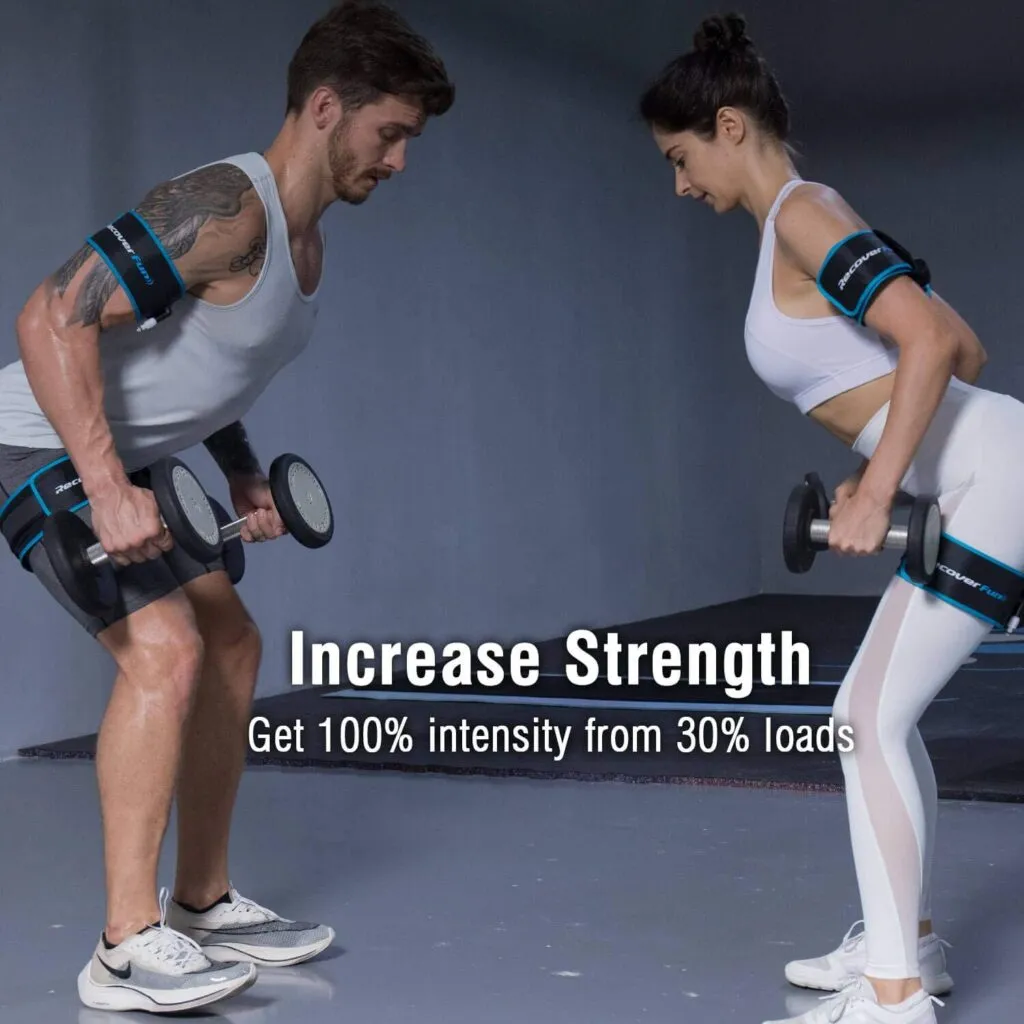
The fundamental premise of BFR training is to create a hypoxic (low oxygen) environment in the working muscles by applying external pressure to the proximal portion of a limb. This partial arterial occlusion and complete venous occlusion lead to a cascade of physiological responses typically associated with high-intensity resistance training, but achieved with significantly lighter loads (typically 20-40% of one-repetition maximum, 1RM, for resistance exercise or low-intensity aerobic exercise). This paradigm shift is revolutionary for populations unable to bear heavy weights, such as post-surgical patients, the elderly, or those with chronic pain.
Deep-Dive into Technical Specifications & Mechanisms
Understanding the engineering and physiological underpinnings of BFR cuffs is crucial for safe and effective application.
Design and Materials of BFR Training Cuffs
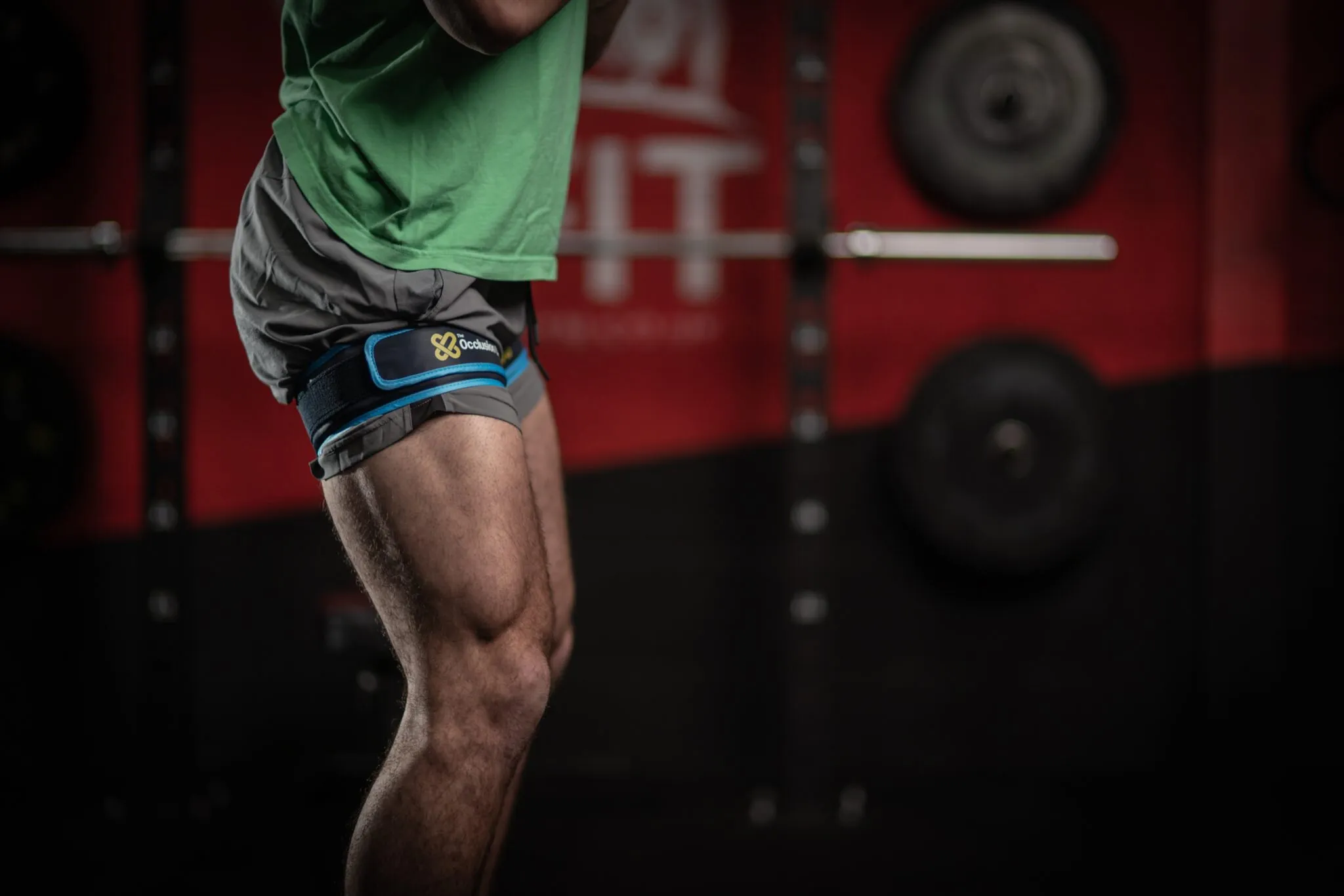
BFR cuffs are specialized medical devices, distinct from standard tourniquets, designed for precise pressure control and patient comfort.
Types of BFR Cuffs:
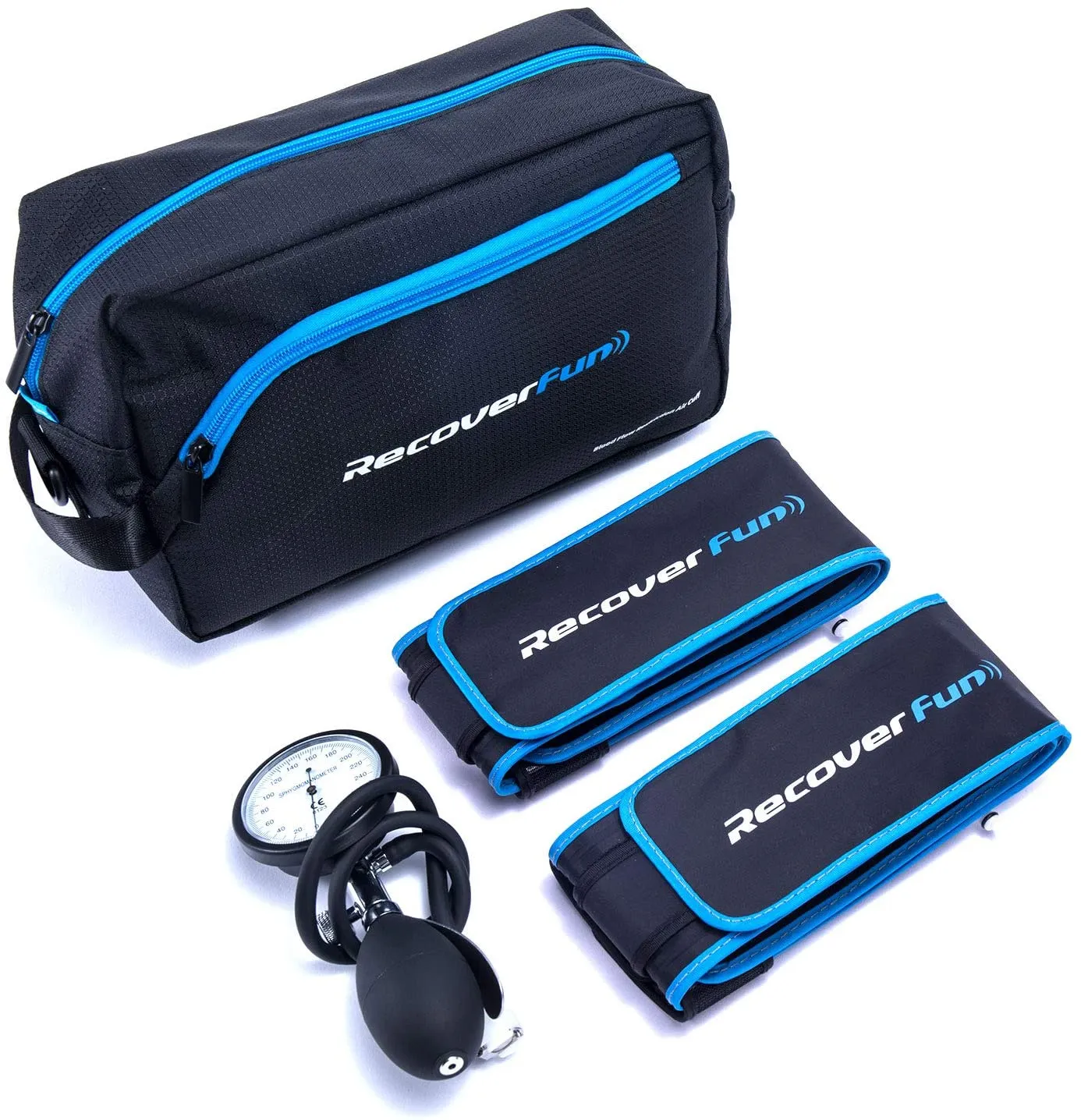
- Pneumatic Cuffs: These are the most common and clinically recommended type. They are air-filled bladders connected to a pump and a pressure gauge, allowing for highly accurate and adjustable pressure application.
- Automated Systems: Often computer-controlled, these systems automatically inflate and deflate cuffs to pre-set pressures, monitor patient safety, and can be programmed for intermittent or continuous occlusion.
- Manual Systems: Require manual inflation and monitoring but offer a cost-effective solution for clinics.
- Elastic Cuffs/Bands: While simpler and less expensive, elastic bands provide less precise pressure control and are generally not recommended for clinical use due to inconsistent and potentially unsafe pressure application.
- Rigid Cuffs: Less common, these cuffs offer a more uniform pressure distribution but can be less comfortable and adaptable to various limb sizes.
Key Design Features and Materials:
- Cuff Width: Crucial for effective and safe occlusion. Wider cuffs (e.g., 10-15 cm for legs, 5-10 cm for arms) distribute pressure more evenly, requiring less absolute pressure to achieve occlusion and minimizing discomfort or nerve compression. Narrower cuffs require higher pressures and increase the risk of adverse events.
- Material Composition:
- Outer Shell: Durable, medical-grade nylon or other synthetic fabrics, often with Velcro closures for secure fitting.
- Inner Bladder: Made from robust, puncture-resistant materials like TPU (thermoplastic polyurethane) or medical-grade PVC, ensuring consistent pressure and longevity.
- Tubing and Connectors: High-quality, medical-grade silicone or rubber tubing connecting the cuff to the pump, with secure, leak-proof connectors.
- Pressure Gauge/Monitor: Integrated digital or analog gauges for accurate pressure readings, often with real-time feedback in automated systems.
- Safety Features: Quick-release valves for immediate deflation, pressure limiters, and alarms in automated systems to prevent over-pressurization.
- Ergonomics: Contoured designs to fit limb anatomy, minimizing pinching or discomfort during movement.
Biomechanics and Physiological Mechanisms of BFR Training
The efficacy of BFR training stems from a complex interplay of biomechanical and physiological adaptations:
1. Metabolic Accumulation:
- Hypoxia: Reduced oxygen delivery due to arterial restriction leads to an anaerobic environment.
- Metabolite Build-up: This anaerobic state promotes the accumulation of metabolic byproducts like lactate, hydrogen ions (H+), inorganic phosphate, and creatine. These metabolites are potent stimuli for muscle growth and strength adaptations, mimicking the effects of high-intensity training.
2. Cellular Swelling (Muscle Edema):
- Venous Occlusion: The complete restriction of venous outflow causes blood to pool in the working muscle, leading to an increase in intramuscular pressure and cellular swelling.
- Anabolic Signaling: This cellular swelling is recognized as an anabolic signal, promoting protein synthesis and inhibiting protein breakdown. It acts as a mechanotransducer, signaling muscle growth pathways.
3. Increased Fast-Twitch Fiber Recruitment:
- Preferential Recruitment: The hypoxic environment and metabolite accumulation preferentially fatigue slow-twitch muscle fibers, forcing the earlier recruitment of fast-twitch (Type II) fibers, which have greater potential for hypertrophy and strength gains, even at low loads.
4. Endocrine Response:
- Growth Hormone (GH) & IGF-1: BFR training has been shown to acutely elevate circulating levels of growth hormone and insulin-like growth factor-1 (IGF-1), powerful anabolic hormones that contribute to muscle repair and growth.
5. mTOR Pathway Activation:
- Protein Synthesis: The mechanistic Target of Rapamycin (mTOR) pathway is a central regulator of muscle protein synthesis. BFR training, through its metabolic and mechanical stimuli, strongly activates the mTOR pathway, driving muscle hypertrophy.
6. Satellite Cell Activation:
- Muscle Regeneration: BFR training may promote the proliferation and differentiation of satellite cells, which are crucial for muscle repair, regeneration, and growth.
7. Vascular Adaptations:
- Endothelial Function: Repeated cycles of ischemia and reperfusion can improve endothelial function, potentially enhancing blood vessel health and angiogenesis (formation of new blood vessels).
Extensive Clinical Indications & Usage
BFR training cuffs have a broad spectrum of applications in orthopedic and sports medicine, revolutionizing rehabilitation strategies.
Clinical Indications:
- Post-Surgical Rehabilitation:
- ACL Reconstruction: Allows early quadriceps strengthening without placing excessive stress on the graft site.
- Rotator Cuff Repair: Facilitates deltoid and upper extremity strengthening in early phases when heavy lifting is contraindicated.
- Total Joint Arthroplasty (Knee/Hip): Addresses quadriceps weakness and muscle atrophy post-surgery, accelerating recovery.
- Fracture Rehabilitation: Prevents muscle atrophy during immobilization and aids in regaining strength post-cast removal, particularly useful in non-union or delayed union cases.
- Tendinopathies:
- Achilles, Patellar, Lateral Epicondylitis: Low-load BFR can stimulate tendon adaptation and improve strength without exacerbating tendon pain.
- Osteoarthritis (OA) Management:
- Provides a safe and effective way to strengthen muscles around affected joints, improving stability and reducing pain without high-impact stress.
- Muscle Atrophy Prevention:
- Immobilized Patients: Critically ill patients, bedridden individuals, or those in casts can maintain muscle mass and strength.
- Sarcopenia in Older Adults: Combats age-related muscle loss, improving functional independence and reducing fall risk.
- Chronic Pain Syndromes:
- Complex Regional Pain Syndrome (CRPS) & Fibromyalgia: Carefully applied BFR can improve muscle function and reduce pain sensitivity, though requires expert supervision.
- Performance Enhancement (Under Clinical Supervision):
- Athletes: Used to enhance strength, hypertrophy, and even endurance, especially during periods of reduced training volume or injury recovery.
Fitting and Usage Instructions: A Step-by-Step Protocol
Precise application is paramount for both safety and efficacy.
1. Patient Assessment and Limb Occlusion Pressure (LOP) Determination:
- Initial Assessment: Evaluate patient history, contraindications, and limb circumference.
- LOP Measurement: This is the most critical step. LOP is the minimum pressure required to completely occlude arterial blood flow to the limb.
- Using a Doppler ultrasound, an experienced clinician inflates the BFR cuff on the target limb until the arterial pulse distal to the cuff disappears. This pressure is recorded as the LOP.
- Automated BFR systems often have integrated LOP measurement capabilities.
- LOP is limb-specific, patient-specific, and even cuff-specific. It must be re-evaluated regularly.
2. Cuff Placement:
- Proximal Placement: The cuff should be placed as high as possible on the limb (proximal arm or thigh) to ensure uniform pressure distribution and minimize nerve compression.
- Skin Contact: Ensure the cuff is applied directly to the skin, free from clothing, wrinkles, or jewelry that could cause discomfort or uneven pressure.
3. Pressure Setting:
- Prescription: The working pressure is a percentage of the LOP.
- Lower Extremity: Typically 50-80% of LOP.
- Upper Extremity: Typically 40-60% of LOP.
- The precise percentage depends on the patient's condition, exercise type, and tolerance. Start conservatively and gradually increase.
4. Exercise Selection:
- Low-Load Resistance Training: 20-40% of 1RM for 3-5 sets of 15-30 repetitions. Examples: bicep curls, tricep extensions, leg extensions, hamstring curls, calf raises, squats (bodyweight or light load).
- Aerobic Exercise: Low-intensity cycling, walking, or elliptical training with cuffs inflated.
5. Repetitions, Sets, and Rest Intervals:
- Standard Protocol: A common protocol involves 30 repetitions in the first set, followed by 3 sets of 15 repetitions, with 30-60 seconds rest between sets, while maintaining occlusion.
- Total Occlusion Duration: Typically kept under 20 minutes for upper limbs and 30 minutes for lower limbs per session.
6. Monitoring During Exercise:
- Patient Feedback: Continuously monitor for excessive pain, numbness, tingling, or discolouration. Discomfort is expected, but severe pain is a sign to reduce pressure or stop.
- Skin Color: Observe for normal skin color distal to the cuff (should not be overly pale or blue).
- Capillary Refill: Check capillary refill time in the distal extremities.
7. Progression:
- Gradually increase resistance, repetitions, or percentage of LOP as the patient adapts, always prioritizing safety and tolerance.
Maintenance and Sterilization Protocols
Proper care of BFR cuffs is essential for their longevity, hygiene, and patient safety.
- Cleaning:
- After Each Use: Wipe down the cuff's exterior and tubing with a medical-grade disinfectant wipe (e.g., alcohol-based or quaternary ammonium compounds).
- Avoid Submerging: Do not submerge pneumatic cuffs or their associated pumps in liquid.
- Manufacturer Guidelines: Always adhere to the specific cleaning instructions provided by the cuff manufacturer.
- Storage:
- Store cuffs in a cool, dry place, away from direct sunlight, extreme temperatures, and sharp objects.
- Ensure cuffs are fully deflated before storage.
- Keep tubing untangled and free from kinks.
- Inspection:
- Regularly: Inspect cuffs for signs of wear, tears, cracks, or leaks in the bladder or tubing.
- Pressure Gauge Calibration: If using manual systems, ensure the pressure gauge is periodically calibrated according to manufacturer recommendations. Automated systems typically self-calibrate or indicate service needs.
- Multi-Patient Use: When used across multiple patients, strict cleaning and disinfection protocols are critical. Consider single-patient use for certain high-risk populations or if cleaning cannot be guaranteed to the highest standard.
- Disposal: Dispose of damaged or expired cuffs according to medical waste guidelines.
Risks, Side Effects, or Contraindications
While BFR training is generally safe when performed correctly under expert supervision, it is not without potential risks and has specific contraindications.
Potential Risks and Side Effects:
- Temporary Discomfort: A common and expected side effect, usually described as a burning sensation in the muscle.
- Numbness/Tingling: Transient paresthesia can occur due to temporary nerve compression, usually resolves upon cuff deflation.
- Petechiae/Bruising: Small red spots or minor bruising may appear distal to the cuff due to capillary leakage, especially with higher pressures or prolonged use. Generally harmless and resolves quickly.
- Rhabdomyolysis: Extremely rare, but theoretically possible with excessively high pressure, prolonged occlusion, or improper application. Symptoms include severe muscle pain, weakness, and dark urine. Requires immediate medical attention.
- Nerve Damage: Very rare, but possible if cuffs are applied incorrectly (e.g., too narrow, excessively high pressure, or placed over superficial nerves).
- Venous Thromboembolism (VTE): The risk of DVT/PE is considered very low with proper BFR protocols (intermittent occlusion, appropriate pressures, short durations). However, it remains a theoretical concern, especially in predisposed individuals.
Absolute Contraindications:
- Active Venous Thromboembolism (DVT/PE): BFR could dislodge a clot.
- Severe Peripheral Vascular Disease (PVD) / Arterial Insufficiency: Further compromises blood flow.
- Sickle Cell Anemia: Risk of sickling crisis due to hypoxia.
- Uncontrolled Hypertension: BFR can acutely raise blood pressure.
- Cardiac Conditions: Severe heart failure, recent myocardial infarction (MI), severe arrhythmias.
- Renal Insufficiency/Dialysis: Impaired ability to clear metabolic byproducts.
- Open Wounds, Skin Infections, or Lesions in Cuff Area: Risk of infection and pressure sores.
- Pregnancy: Lack of research on safety.
- Cancer (especially with active tumors or metastases in the limb): Risk of tumor growth or dissemination, though some research explores BFR in cancer rehabilitation with caution.
- Fragile Skin / Extreme Obesity: Difficult to achieve proper cuff fit and may increase skin injury risk.
- Severe Edema: May interfere with accurate pressure application.
- Lack of Patient Comprehension or Communication: Inability to report symptoms or follow instructions.
Relative Contraindications (Use with extreme caution and expert consultation):
- Controlled Hypertension
- Diabetes
- Varicose Veins
- Anticoagulant Use
- Peripheral Neuropathy
- Osteoporosis (severe)
Frequently Asked Questions (FAQ) about Blood Flow Restriction (BFR) Training Cuffs
Q1: How does Blood Flow Restriction (BFR) training actually work to build muscle?
BFR training works by partially restricting arterial blood flow and completely restricting venous blood flow to a limb during low-intensity exercise. This creates a hypoxic (low oxygen) environment and causes a buildup of metabolic byproducts (like lactate) in the muscle. This metabolic stress, combined with cellular swelling, signals the muscle to adapt and grow, similar to how it would respond to heavy lifting, but with much lighter weights.
Q2: Is BFR training safe for everyone?
While generally safe when performed under the supervision of a trained healthcare professional, BFR training is not for everyone. There are specific contraindications, such as active DVT, severe peripheral vascular disease, uncontrolled hypertension, and certain cardiac conditions. A thorough medical assessment is crucial before starting BFR.
Q3: Who can benefit most from BFR training?
BFR training is particularly beneficial for individuals who cannot tolerate heavy loads due to injury, surgery, pain, or age. This includes post-surgical patients (e.g., after ACL reconstruction or total knee replacement), individuals with tendinopathies, older adults combating sarcopenia, and even athletes looking for a novel way to enhance performance or maintain fitness during injury recovery.
Q4: What's the difference between BFR cuffs and a regular blood pressure cuff or tourniquet?
BFR cuffs are specifically designed medical devices that allow for precise, adjustable, and consistent pressure application. They are wider than standard blood pressure cuffs to distribute pressure more evenly and are engineered for repeated, controlled inflation and deflation during exercise. Regular tourniquets are designed for complete occlusion in emergency situations and are not suitable for BFR training due to high risk of nerve and tissue damage.
Q5: How is the correct pressure for BFR training determined?
The correct pressure is determined by measuring the Limb Occlusion Pressure (LOP) for each individual and each limb. LOP is the minimum pressure required to completely stop arterial blood flow to the limb, often measured using a Doppler ultrasound. The working pressure for BFR training is then set as a percentage of this LOP (e.g., 40-80% of LOP, depending on the limb and exercise).
Q6: Can I perform BFR training at home without supervision?
It is strongly recommended that BFR training, especially initially, be performed under the guidance of a qualified healthcare professional (e.g., physical therapist, orthopedic specialist). They can accurately determine LOP, teach proper cuff application, monitor your response, and ensure safety. While some home units exist, professional oversight minimizes risks and maximizes efficacy.
Q7: What kind of exercises can I do with BFR cuffs?
BFR training is effective with low-load resistance exercises (e.g., bicep curls, leg extensions with light weights or bodyweight) and even low-intensity aerobic exercises (e.g., walking, cycling). The key is low intensity and high repetitions to stimulate the metabolic response.
Q8: How long should a BFR training session last?
A typical BFR training session with continuous occlusion usually lasts between 5 to 20 minutes per limb for resistance exercise, and up to 30 minutes for aerobic exercise, depending on the protocol and patient tolerance. Total occlusion time should be kept relatively short to minimize risks.
Q9: Are there any specific risks for older adults undergoing BFR training?
Older adults can greatly benefit from BFR due to its low-load nature, but they may have a higher prevalence of conditions like fragile skin, varicose veins, or controlled hypertension. Close monitoring for skin integrity, comfort, and blood pressure responses is essential. However, the benefits in combating sarcopenia and improving function often outweigh these manageable risks under professional guidance.
Q10: How often should I perform BFR training to see results?
Typically, BFR training is performed 2-3 times per week, allowing for adequate recovery between sessions. Consistency is key, and results can often be seen within 4-6 weeks of consistent application, including improvements in muscle strength, size, and function.
Q11: Can BFR training help with pain relief?
Yes, many patients report a reduction in pain during and after BFR training. This is thought to be due to several factors, including the release of endogenous opioids, improved muscle function reducing joint stress, and potential effects on pain modulation pathways.
Q12: What should I expect to feel during BFR training?
You should expect to feel a significant burning sensation in the working muscles, similar to the "pump" experienced during high-intensity training. Your muscles will likely feel fatigued quickly. Some temporary numbness or tingling might occur, but severe pain, sharp nerve pain, or excessive pallor/blueness of the limb are signs to stop and consult your therapist.