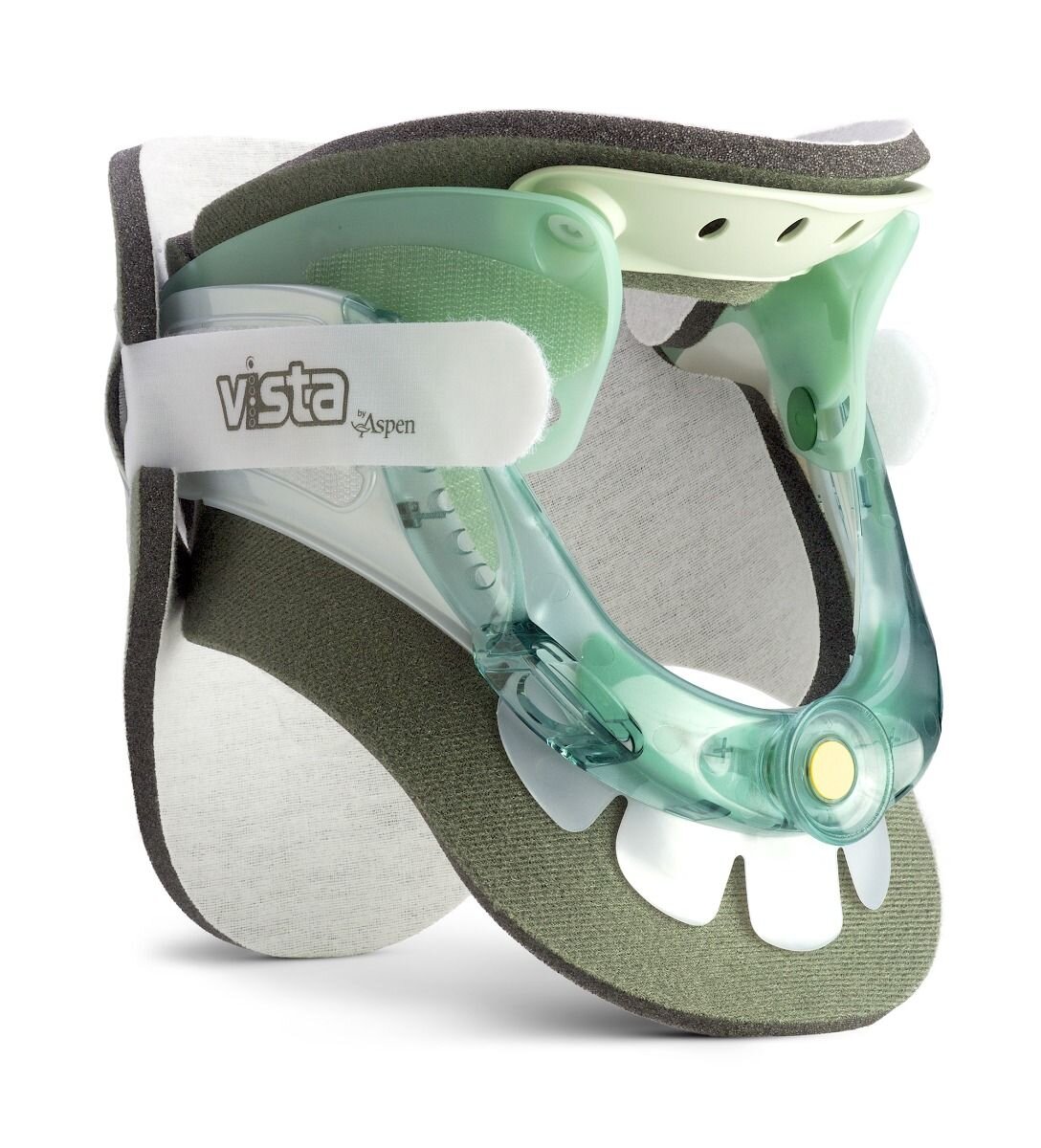
The Aspen Cervical Collar (2-Post): An In-Depth Medical SEO Guide
As an orthopedic specialist and medical SEO copywriter, we understand the critical importance of effective cervical spine immobilization in patient recovery and preventing further neurological damage. Among the myriad of orthopedic devices, the Aspen Cervical Collar (2-Post) stands out as a highly regarded solution for superior immobilization. This exhaustive guide aims to provide healthcare professionals, patients, and caregivers with a comprehensive understanding of this essential medical device, covering its design, clinical applications, fitting, maintenance, underlying biomechanics, and the significant improvements it offers in patient outcomes.
1. Comprehensive Introduction & Overview
The Aspen Cervical Collar (2-Post) is a semi-rigid cervical orthosis designed for advanced immobilization of the cervical spine. Unlike soft cervical collars that offer minimal support, the Aspen 2-Post system provides a higher degree of motion restriction, crucial for managing stable cervical spine injuries, post-surgical stabilization, and certain degenerative conditions. Its innovative design focuses on comfort without compromising stability, making it a preferred choice in demanding clinical scenarios.
This collar is engineered to limit flexion, extension, lateral bending, and rotation of the cervical spine, thereby protecting delicate neural structures and facilitating optimal healing environments. Its robust yet patient-friendly construction underscores Aspen Medical Products' commitment to quality and patient care.
2. Deep-Dive into Technical Specifications and Mechanisms
Understanding the technical prowess of the Aspen Cervical Collar (2-Post) is paramount to appreciating its clinical efficacy. Its design integrates advanced materials and biomechanical principles to achieve superior immobilization.
2.1 Design and Materials
The Aspen Cervical Collar (2-Post) is characterized by its distinctive two-piece design, featuring an anterior (front) and a posterior (back) panel.
Key Design Features:
- Two-Piece Design: Comprising an anterior sternal-mandibular support and a posterior occipital-thoracic support, which articulate to encapsulate the cervical spine.
- Adjustability: Patented sizing adjustments for both Sternal-Mandibular (SM) and Occipital-Thoracic (OT) height. This allows for a customized fit across a broad range of patient anatomies, ensuring optimal immobilization without excessive pressure.
- Ventilation: Strategically placed openings in both panels enhance airflow, reducing heat buildup and moisture accumulation, which are common causes of skin irritation.
- Conformable Padding: Plush, breathable, hypoallergenic foam padding lines the interior surfaces, conforming to the patient's contours for enhanced comfort and effective pressure distribution. These pads are typically removable for cleaning.
- Secure Fastening System: Durable hook-and-loop straps ensure a secure and adjustable fit, preventing slippage and maintaining consistent immobilization.
Materials Composition:
The collar is constructed from medical-grade, radiolucent materials, ensuring it does not interfere with X-rays, MRI, or CT scans.
| Component | Material Type | Properties |
|---|---|---|
| Rigid Shells | High-density polyethylene (HDPE) or similar | Lightweight, durable, rigid, radiolucent, easy to clean |
| Padding | Hypoallergenic, open-cell foam | Breathable, moisture-wicking, comfortable, washable, minimizes skin breakdown |
| Straps | Nylon or polyester webbing with hook-and-loop | Strong, adjustable, secure, durable |
| Rivets/Fasteners | Corrosion-resistant plastic or metal | Secure assembly, radiolucent (where applicable) |
2.2 Biomechanics of Stabilization
The core principle behind the Aspen Cervical Collar (2-Post)'s effectiveness lies in its sophisticated biomechanical action. It operates on a "three-point pressure system" to achieve rigid immobilization.
Mechanism of Action:
- Restriction of Flexion/Extension: The anterior panel provides sternal and mandibular support, resisting cervical flexion. The posterior panel supports the occiput and upper thoracic spine, resisting extension.
- Restriction of Lateral Bending: The rigid side walls of both panels, when properly fitted, limit lateral movement by providing resistance against the mastoid processes and shoulders.
- Restriction of Rotation: The circumferential design, combined with the snug fit, significantly reduces rotational forces on the cervical spine.
- C1-C2 and C2-T1 Motion Control: The design is particularly effective in limiting motion across the critical C1-C2 (atlantoaxial) and C2-T1 segments, which are often involved in complex injuries.
- Kinesthetic Reminder: Beyond physical restriction, the collar serves as a proprioceptive cue, reminding the patient to maintain neutral head and neck alignment.
Compared to other cervical collars like the Philadelphia or Miami J, the Aspen 2-Post often provides a higher degree of motion restriction, particularly in flexion and extension, making it suitable for more severe presentations where maximum stability is required. Its adjustability ensures that this high level of immobilization is achieved without causing undue pressure points, which can lead to discomfort or skin compromise.
3. Extensive Clinical Indications & Usage
The Aspen Cervical Collar (2-Post) is indicated for a wide array of clinical scenarios where robust cervical spine immobilization is essential.
3.1 Clinical Indications
- Post-Surgical Stabilization:
- Anterior Cervical Discectomy and Fusion (ACDF)
- Posterior Cervical Fusion
- Laminoplasty or Laminectomy
- Cervical disc replacement
- Stabilization following tumor resection or infection
- Stable Cervical Fractures:
- Odontoid fractures (Type I and stable Type II)
- Burst fractures of C1 (Jefferson fracture) without transverse ligament disruption
- Stable lower cervical spine fractures (C3-C7) without significant ligamentous instability requiring surgical fixation.
- Spinous process fractures.
- Traumatic Injuries:
- Severe cervical sprains and strains (whiplash-associated disorders requiring rigid immobilization).
- Ligamentous injuries of the cervical spine where non-operative management is chosen.
- Cervical facet dislocations (post-reduction).
- Degenerative Conditions:
- Acute exacerbations of cervical radiculopathy.
- Cervical spondylosis with associated instability.
- Spinal stenosis requiring temporary immobilization for symptom relief.
- Other Conditions:
- Torticollis (severe cases requiring stabilization).
- Protection during rehabilitation phases of complex neck injuries.
- Temporary immobilization in emergency settings prior to definitive diagnosis or treatment.
3.2 Fitting and Usage Instructions
Proper fitting is paramount to the efficacy and safety of the Aspen Cervical Collar (2-Post). It should ideally be fitted by a trained healthcare professional (physician, nurse, physical therapist, orthotist).
Step-by-Step Fitting Protocol:
- Patient Assessment: Before application, assess the patient's skin integrity, neurological status, and comfort level. Ensure the patient is in a neutral, supine position if possible, or seated with head and neck aligned.
- Select Sizing: The Aspen 2-Post collar comes in various sizes (e.g., standard, tall, large) and may have adjustable features. Choose the appropriate base size.
- Apply Posterior Panel:
- Slide the posterior panel gently behind the patient's neck, ensuring the occipital support cradles the back of the head and the thoracic extension rests flat against the upper back.
- Center the panel carefully.
- Apply Anterior Panel:
- Position the anterior panel against the patient's front, ensuring the mandibular support cradles the chin and jaw, and the sternal extension rests flat against the chest.
- Ensure proper alignment with the posterior panel.
- Adjust Height (Sternal-Mandibular & Occipital-Thoracic):
- Utilize the adjustable mechanisms (typically located on the sides of the collar) to achieve the correct height. The goal is to provide adequate immobilization without hyperextension or excessive compression.
- The chin should be comfortably supported, not forced upward, and the occiput should be cradled without pushing the head forward.
- Secure Straps:
- Fasten the hook-and-loop straps, typically starting with the lower straps and then the upper ones.
- Tighten straps snugly but not overly constrictively. A general rule is that one finger should fit comfortably between the collar and the skin, but no more.
- Final Check:
- Immobilization: Gently attempt to move the patient's head in all planes (flexion, extension, lateral bending, rotation) to ensure adequate restriction. There should be minimal motion.
- Comfort: Ask the patient about comfort, pressure points, or difficulty breathing/swallowing.
- Alignment: Verify that the patient's head is in a neutral anatomical position.
- Skin Integrity: Check for any red marks or blanching, especially under the chin, occiput, and sternum. Readjust if necessary.
- Patient Education: Instruct the patient and caregivers on wear schedule, skin care, signs of complications, and when to seek medical attention. Emphasize that the collar should not be removed unless specifically instructed by a healthcare provider.
4. Maintenance and Sterilization Protocols
Proper maintenance of the Aspen Cervical Collar (2-Post) is crucial for patient hygiene, comfort, and the longevity of the device.
4.1 Cleaning and Care Instructions
The collar is designed for multi-day wear, requiring regular cleaning to prevent skin breakdown and infection.
- Daily Cleaning:
- Pads: Remove the foam pads from both the anterior and posterior shells. Wash them gently by hand using mild soap (e.g., baby shampoo) and cool water. Rinse thoroughly.
- Shells: Wipe down the rigid plastic shells with a damp cloth and mild soap.
- Drying: Allow all components to air dry completely before reattaching. Do not use heat dryers, as this can damage the materials.
- Inspection: Regularly inspect the collar for signs of wear and tear, such as cracks in the plastic, frayed straps, or damaged hook-and-loop fasteners. Replace components or the entire collar if damage compromises its integrity or function.
- Skin Care: During periods of collar removal for cleaning (if permitted), thoroughly inspect and clean the skin under the collar. Use a mild, non-irritating soap and water, and ensure the skin is completely dry before reapplying the collar. Apply a thin layer of skin protectant or barrier cream if recommended by a healthcare professional, especially in areas prone to pressure sores.
4.2 Sterilization Protocols
The Aspen Cervical Collar (2-Post) is typically designed for single-patient use and is not intended for high-level sterilization (e.g., autoclaving, ethylene oxide). The cleaning protocols described above are for hygiene and maintenance during a single patient's course of treatment. If the collar is used in a multi-patient setting (e.g., emergency department for short-term transport), it should be thoroughly disinfected according to institutional protocols for non-critical medical devices, or preferably, replaced with a new collar for each patient to minimize cross-contamination risks.
5. Patient Outcome Improvements
The appropriate and consistent use of the Aspen Cervical Collar (2-Post) significantly contributes to positive patient outcomes across several dimensions.
- Enhanced Healing and Fusion Rates: By providing stable immobilization, the collar minimizes motion at the injury or surgical site, creating an optimal environment for bone fusion and soft tissue healing. This can lead to faster recovery times and reduced risk of non-union.
- Pain Reduction: Limiting movement helps reduce muscle spasms and mechanical irritation of nerves and tissues, leading to significant pain relief for the patient.
- Prevention of Further Injury: In cases of stable fractures or ligamentous injuries, the collar prevents unintended movements that could exacerbate the injury, potentially leading to secondary neurological deficits.
- Improved Functional Recovery: By facilitating a stable healing process, the collar supports the patient's return to daily activities and rehabilitation exercises with greater confidence and safety.
- Psychological Comfort and Confidence: Patients often report feeling more secure and confident knowing their neck is protected, which can reduce anxiety and improve adherence to treatment plans.
- Reduced Complications: Proper immobilization reduces the incidence of complications such as pseudoarthrosis (failed fusion), prolonged pain, and neurological deterioration.
- Skin Integrity Management: While all collars pose a risk of skin breakdown, the Aspen 2-Post's design with breathable materials and adjustable fit, coupled with proper patient education on skin care, helps mitigate this risk compared to less sophisticated designs.
6. Risks, Side Effects, or Contraindications
While highly beneficial, the use of any cervical collar, including the Aspen 2-Post, carries potential risks and contraindications that must be carefully considered.
6.1 Potential Risks and Side Effects
- Skin Breakdown/Pressure Sores: Prolonged pressure, friction, and moisture can lead to skin irritation, redness, and potentially pressure ulcers, especially under the chin, occiput, sternum, and clavicles.
- Discomfort/Pain: Despite ergonomic design, some patients may experience generalized discomfort, muscle stiffness, or localized pain due to pressure.
- Difficulty Swallowing (Dysphagia): The anterior panel can exert pressure on the throat, potentially making swallowing difficult, particularly in patients with pre-existing dysphagia or those with a short neck.
- Increased Intracranial Pressure (ICP): In rare cases, especially in patients with head injuries or compromised cerebral venous outflow, a tightly fitted collar could potentially increase ICP.
- Muscle Atrophy: Prolonged immobilization can lead to disuse atrophy of cervical paraspinal muscles, necessitating targeted physical therapy post-collar removal.
- Psychological Distress: Some patients may experience claustrophobia, anxiety, or a feeling of restriction.
- Improper Immobilization: An improperly fitted collar may fail to provide adequate immobilization, potentially worsening the injury or delaying healing. Conversely, an overly tight collar can lead to complications.
6.2 Contraindications
- Unstable Cervical Fractures Requiring Immediate Surgical Fixation: The Aspen 2-Post is for stable fractures or post-surgical stabilization. Highly unstable fractures (e.g., severe ligamentous disruption, irreducible dislocations) require immediate surgical intervention and the collar is not a primary treatment.
- Severe Skin Conditions: Open wounds, severe burns, active infections, or dermatological conditions in the collar application area may contraindicate its use until the skin condition is managed.
- Patient Intolerance/Non-compliance: If a patient cannot tolerate the collar due to severe claustrophobia, respiratory distress, or refuses to comply with wear instructions, alternative immobilization strategies or intensive patient education may be required.
- Compromised Airway: In emergency situations, airway compromise takes precedence. The collar should not obstruct breathing or make airway management difficult.
- Gross Deformity: In cases of severe cervical spine deformity that cannot be accommodated by the collar's design, custom orthoses may be necessary.
7. Massive FAQ Section
Here are answers to frequently asked questions about the Aspen Cervical Collar (2-Post).
Q1: What is the Aspen Cervical Collar (2-Post) used for?
A1: The Aspen Cervical Collar (2-Post) is used for superior immobilization of the cervical spine. Its primary applications include post-surgical stabilization (e.g., after cervical fusion), management of stable cervical fractures, severe sprains/strains, and certain degenerative conditions like severe radiculopathy or spinal stenosis requiring rigid support.
Q2: How does the Aspen Cervical Collar (2-Post) differ from a soft cervical collar?
A2: A soft cervical collar offers minimal support and primarily serves as a kinesthetic reminder. The Aspen Cervical Collar (2-Post) is a semi-rigid device providing significantly higher levels of motion restriction in all planes (flexion, extension, lateral bending, rotation), crucial for protecting and healing the cervical spine in more serious conditions.
Q3: Can I adjust the collar myself?
A3: No, the Aspen Cervical Collar (2-Post) should only be fitted and adjusted by a trained healthcare professional. Improper adjustment can lead to inadequate immobilization, discomfort, skin breakdown, or even worsen your condition. Follow your doctor's or therapist's instructions precisely.
Q4: How do I clean my Aspen cervical collar?
A4: You should regularly clean the removable foam pads by hand with mild soap (like baby shampoo) and cool water, then air dry them completely. The rigid plastic shells can be wiped with a damp cloth and mild soap. Always ensure all components are completely dry before reattaching to prevent skin irritation.
Q5: What should I do if the collar feels uncomfortable or causes skin irritation?
A5: If you experience significant discomfort, new pain, or any signs of skin irritation (redness, blistering, open sores), contact your healthcare provider immediately. Do not attempt to readjust the collar yourself, as this could compromise its effectiveness. Your provider can assess the fit and make necessary adjustments or provide skin care recommendations.
Q6: Can I shower or sleep with the collar on?
A6: You should not shower with the collar on unless explicitly instructed by your doctor and given specific instructions on how to protect it from water. Most patients are advised to sponge bathe. You must sleep with the collar on, as prescribed, to maintain continuous immobilization and support for healing. Your doctor will provide a specific wear schedule.
Q7: How long do I need to wear the Aspen Cervical Collar (2-Post)?
A7: The duration of wear is highly individualized and depends on your specific injury or surgical procedure. Your healthcare provider will determine the exact wear schedule, which can range from a few weeks to several months. Do not remove the collar or discontinue use without their explicit permission.
Q8: Are there any activities I should avoid while wearing the collar?
A8: Yes, you should avoid any activities that could compromise the stability of your cervical spine or strain your neck muscles. This typically includes heavy lifting, strenuous exercise, driving (in most cases), sudden movements, and contact sports. Your healthcare provider will give you specific activity restrictions.
Q9: What are the signs of an improperly fitted collar?
A9: Signs of an improperly fitted collar include excessive movement of your head within the collar, difficulty breathing or swallowing, severe discomfort, rubbing or chafing that causes skin irritation, numbness or tingling in your arms/hands, or if the collar feels too loose or too tight. Report any of these issues to your healthcare provider.
Q10: What materials is the Aspen Cervical Collar (2-Post) made from?
A10: The rigid shells are typically made from lightweight, durable, and radiolucent medical-grade plastics (like high-density polyethylene). The interior is lined with soft, breathable, hypoallergenic foam padding. The straps are usually made of strong nylon or polyester webbing with hook-and-loop fasteners.
Q11: Is the Aspen Cervical Collar (2-Post) radiolucent?
A11: Yes, the materials used in the Aspen Cervical Collar (2-Post) are radiolucent, meaning they will not interfere with diagnostic imaging such as X-rays, CT scans, or MRI, allowing medical professionals to monitor your healing progress without removing the collar.
Q12: Where can I purchase an Aspen Cervical Collar (2-Post)?
A12: Aspen Cervical Collars are medical devices that typically require a prescription from a healthcare provider. They are usually dispensed by hospitals, orthopedic clinics, or specialized medical supply companies. You cannot generally purchase them over-the-counter. Your doctor will guide you on where to obtain one.